Florida fishing changes dramatically during October, November, and December. Summer heat begins to fade, water temperatures gradually decline, baitfish migrations accelerate, cold fronts begin crossing the state, and many of Florida’s most popular freshwater and saltwater species change where and how they feed.
That makes the final quarter of the year one of the most exciting periods on Florida’s fishing calendar.
This Florida Fall Fishing Quarterly Report 2026 covers fishing throughout the Sunshine State—from Pensacola and Destin in the Panhandle to Key West in the Florida Keys, and from Jacksonville and St. Augustine on the Atlantic Coast to Sarasota, Fort Myers, and Naples along the Gulf Coast.
We’ll cover freshwater, river, inshore, nearshore, beach, pier, reef, wreck, and offshore fishing, including the best species to target, productive live baits and artificial lures, seasonal techniques, tides, moon phases, weather patterns, and rod-and-reel combinations.
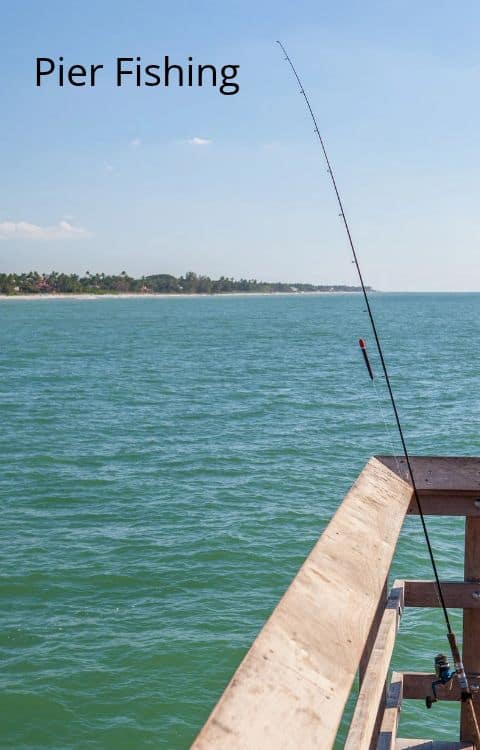
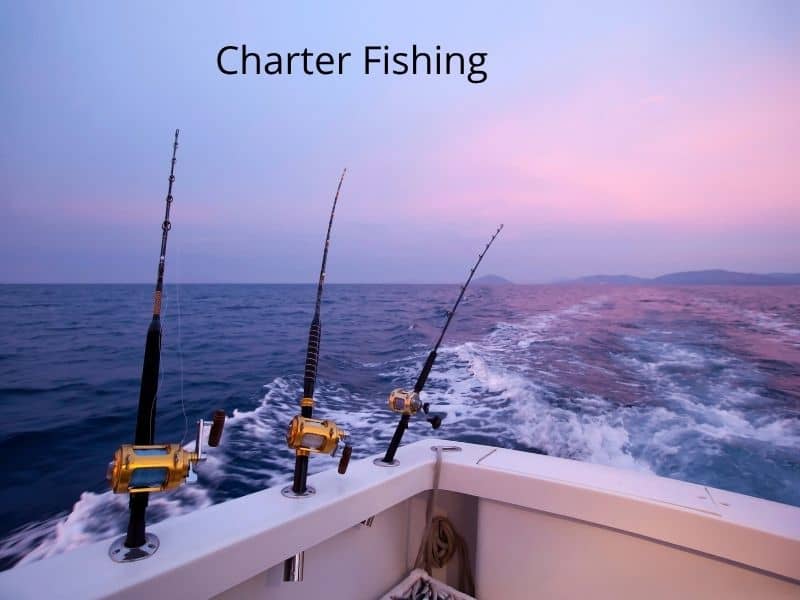
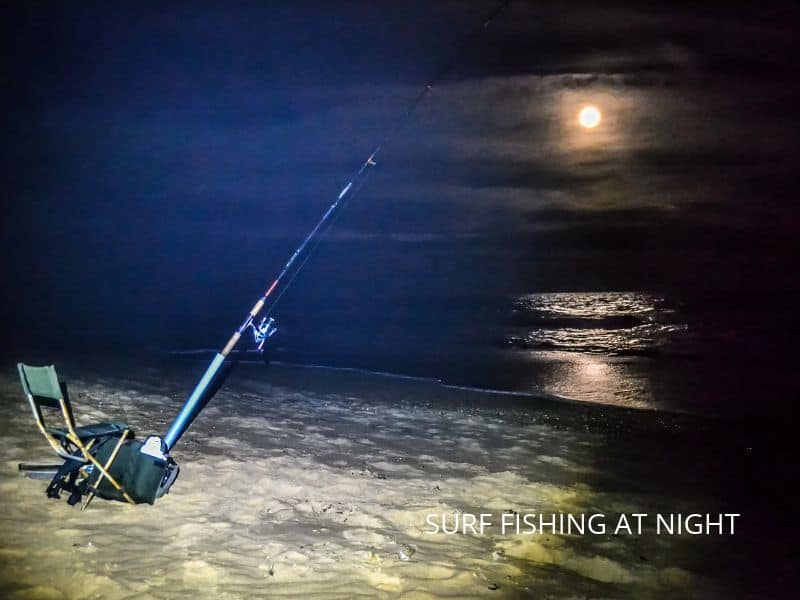
Whether you’re casting from a public pier, walking a beach with a surf rod, fishing Florida’s freshwater lakes, drifting an inlet, exploring mangrove shorelines, or running offshore, the October-through-December transition creates opportunities for virtually every kind of Florida angler.
For the most up to date fishing regulations.
For the ultimate Florida fishing guide.
Why October, November and December Are Special for Florida Fishing
The biggest story of Florida fishing during the fourth quarter is change.
October can still feel like summer, especially in South Florida and the Florida Keys.
By November, cold fronts become more influential.
December brings true winter fishing patterns to North and Central Florida while South Florida may continue experiencing relatively warm conditions.
That temperature difference is important because Florida stretches hundreds of miles from north to south.
A fishing technique that works in Jacksonville during December may be completely different from what works in Miami or Key West.
Find out more about regions in Florida.
October: The Fall Transition
October is one of Florida’s great transition months.
Cooling nights gradually lower water temperatures while enormous numbers of baitfish migrate along Florida’s coastline.
Predatory fish take advantage.
Depending on the region, anglers may encounter:
- Redfish
- Snook
- Spotted seatrout
- Flounder
- Spanish mackerel
- King mackerel
- Mangrove snapper
- Black drum
- Tarpon
- Pompano
- Largemouth bass
- Crappie
October is an excellent month to search for feeding birds, schooling bait and active current.
November: Cooling Water Changes the Game
November typically brings more frequent cold fronts.
Fish begin shifting from summer feeding locations toward deeper channels, rivers, protected bays, bridges and other areas offering stable temperatures.
The cooling water can improve fishing for species such as:
- Sheepshead
- Black drum
- Redfish
- Spotted seatrout
- Pompano
- Flounder
- Crappie
- Largemouth bass
Offshore anglers can continue targeting numerous reef and pelagic species depending on location, conditions and current regulations.
December: Florida’s Winter Fishing Begins
By December, the difference between North and South Florida becomes particularly important.
In northern Florida, anglers may encounter substantially cooler water and need to slow their presentations.
South Florida and the Florida Keys can remain considerably warmer, keeping many tropical and subtropical fisheries active.
December can be particularly productive for:
- Sheepshead
- Black drum
- Redfish
- Spotted seatrout
- Pompano
- Crappie
- Largemouth bass
- Snapper
- Sailfish in Southeast Florida
The key is understanding how fish react to cold fronts.
Best Time of Day to Fish During the Fall
Unlike July and August, when sunrise fishing is usually critical because of extreme heat, the best time of day gradually shifts later as Florida cools.
October
Try:
Sunrise through approximately 10 a.m.
and
Late afternoon through sunset.
Moving tides remain extremely important for saltwater anglers.
November
Morning fishing remains productive, but don’t automatically leave when the sun gets higher.
After a cold night, shallow flats can warm during late morning and early afternoon.
That slight temperature increase can trigger feeding.
December
On cold mornings, the middle of the day can sometimes outperform sunrise.
Sunlight warms:
- Dark mud bottoms
- Oyster bars
- Shallow grass
- Protected canals
- Residential docks
- Backcountry bays
Even a small increase in water temperature can make fish more active.
Fishing Before and After Florida Cold Fronts
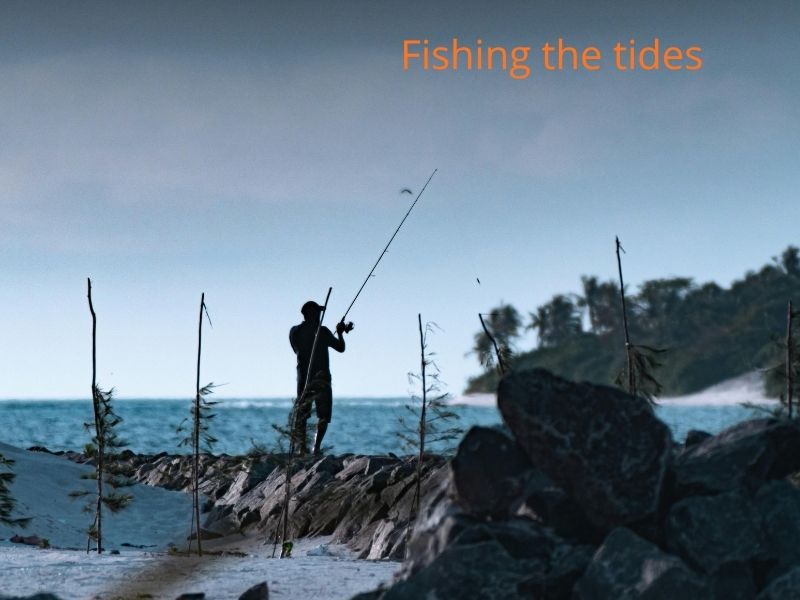
Cold fronts become one of the most important variables during November and December.
Before a Front
Falling barometric pressure, increasing clouds and approaching weather can coincide with aggressive feeding.
This can be an excellent opportunity to target:
- Redfish
- Trout
- Snook
- Bass
- Black drum
Safety still comes first. Never remain on the water when severe weather or dangerous winds approach.
Immediately After a Front
Fishing can become difficult.
Strong north winds, rapidly falling temperatures and high pressure may make fish less aggressive.
Slow down your presentation.
Try:
- Live shrimp
- Slowly worked soft plastics
- Jig-and-shrimp combinations
- Suspended baits
- Smaller presentations
Several Sunny Days After a Front
Conditions frequently improve as water temperatures stabilize.
Protected shorelines and dark-bottom areas can warm first.
Protected shorelines and dark-bottom areas can warm first.
Fishing Florida’s Fall Tides
Tides remain one of the most important factors in Florida saltwater fishing.
Incoming Tide
Rising water allows predators to move onto:
- Grass flats
- Oyster bars
- Mangrove shorelines
- Marsh edges
- Shallow bays
Try casting ahead of fish rather than directly at them.
Live shrimp, pilchards, finger mullet, paddle tails and spoons can all be effective.
High Tide
At high water, redfish and snook can move tight against mangrove roots and flooded shorelines.
Work:
- Mangrove points
- Shoreline indentations
- Oyster bars
- Dock edges
Outgoing Tide
Falling water pulls bait out of:
- Tidal creeks
- Marshes
- Mangroves
- Backcountry bays
Predators often position near creek mouths and channel edges waiting for food.
Low Tide
Low water can concentrate fish.
Look for:
- Deep holes
- Channels
- Bridge pilings
- Creek mouths
- Drop-offs
- Deep grass edges
The most important principle remains simple:
Moving water generally creates more feeding opportunities than completely slack water.
Northeast Florida Fishing: Jacksonville, Amelia Island and St. Augustine
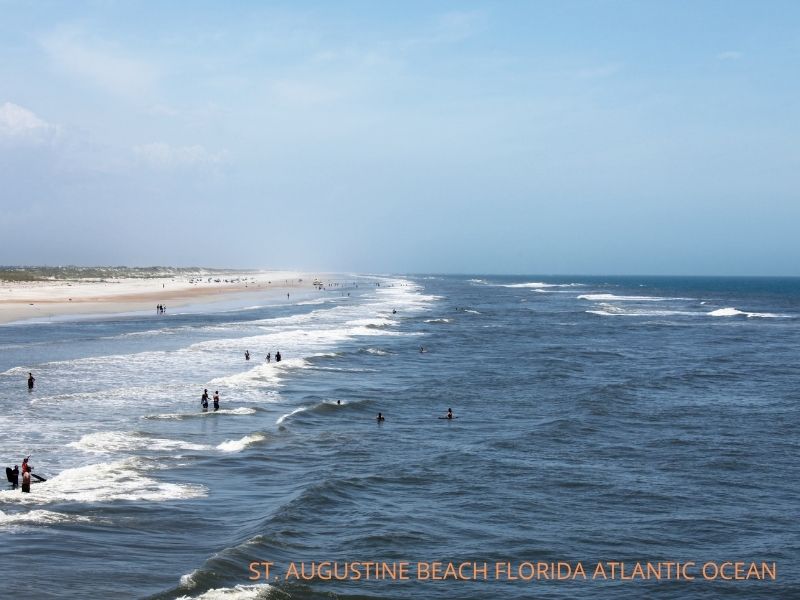
Northeast Florida can offer outstanding fall fishing because the region combines tidal rivers, marshes, beaches, jetties, inlets and offshore reefs.
October through December brings changing opportunities as water temperatures decline.
Best Northeast Florida Fishing Areas
Look at:
- Amelia Island
- Nassau Sound
- St. Johns River
- Mayport
- Mayport Jetties
- Jacksonville Beach
- Intracoastal Waterway
- Guana River
- St. Augustine
- Matanzas Inlet
October Fishing in Northeast Florida
October is an excellent month for anglers who enjoy active fishing.
Bait movement can attract predators around beaches, inlets, jetties and the Intracoastal Waterway.
Fish to Target
- Redfish
- Spotted seatrout
- Flounder
- Black drum
- Snook
- Spanish mackerel
- King mackerel
- Mangrove snapper
Best Techniques
Around marshes and creeks, fish outgoing water where bait is being swept toward deeper channels.
Try:
- 3- to 4-inch paddle tails
- Live shrimp
- Finger mullet
- Mud minnows
- Gold spoons
- Topwater plugs at dawn
Around the jetties, increase leader strength because barnacles, rocks and current can quickly cut light tackle.
November Fishing in Northeast Florida
Cooling water can improve redfish, trout, black drum and sheepshead opportunities.
Look around:
- Oyster bars
- Dock pilings
- Bridge structure
- Deep creek bends
- Jetties
Live shrimp becomes particularly useful as temperatures decline.
A popping cork with shrimp can cover shallow water, while a jighead tipped with shrimp works well around deeper structure.
December Fishing in Northeast Florida
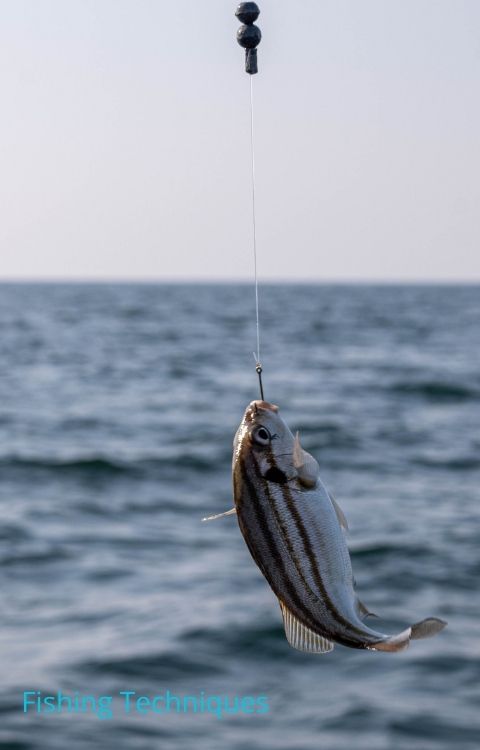
December brings a much stronger winter pattern to Northeast Florida.
Fish may concentrate in deeper holes and protected areas following cold fronts.
Top December Targets
- Redfish
- Black drum
- Sheepshead
- Spotted seatrout
- Flounder
Slow your presentation.
A lure that was retrieved quickly during October may need to be crawled slowly along the bottom in December.
Northeast Florida Rod and Reel Setup
General Inshore
Rod: 7-foot Medium Fast
Reel: 3000–4000 spinning reel
Main Line: 15–20 lb braid
Leader: 20–30 lb fluorocarbon
This combination works well for redfish, trout, flounder and smaller black drum.
Jetties and Heavy Structure
Rod: 7’6″ Medium Heavy
Reel: 4000–5000 spinning reel
Main Line: 20–30 lb braid
Leader: 30–40+ lb fluorocarbon depending on target species and structure.
Central East Florida Fishing: Daytona Beach to Sebastian Inlet
Central East Florida offers an entirely different fishing environment.
Major destinations include:
- Daytona Beach
- New Smyrna Beach
- Ponce Inlet
- Mosquito Lagoon
- Titusville
- Indian River Lagoon
- Cocoa Beach
- Port Canaveral
- Sebastian Inlet
The combination of lagoons, inlets, beaches and offshore waters provides enormous variety.
October Fishing on Florida’s Central East Coast
October can produce outstanding fishing around inlets and beaches as migrating bait attracts predators.
Target:
- Snook
- Redfish
- Tarpon
- Jack crevalle
- Spotted seatrout
- Flounder
- Spanish mackerel
Sebastian Inlet and Ponce Inlet can become particularly exciting when bait is concentrated by strong tidal current.
Technique
Cast up-current and allow your bait or lure to move naturally with the flow.
Live mullet can be extremely effective around inlets during the fall bait migration.
Artificial options include:
- Paddle tails
- Bucktail jigs
- Diving plugs
- Twitch baits
- Topwater plugs
November Fishing on the Central East Coast
As temperatures moderate, redfish and trout remain important inshore targets.
Look for fish around:
- Grass flats
- Deeper lagoon channels
- Mangrove shorelines
- Docks
- Creek mouths
Pompano may become increasingly important as cooler conditions arrive.
Beach anglers should watch for:
- Sandbars
- Troughs
- Cuts
- Rip channels
These areas concentrate food and provide travel lanes for fish.
December Fishing on the Central East Coast
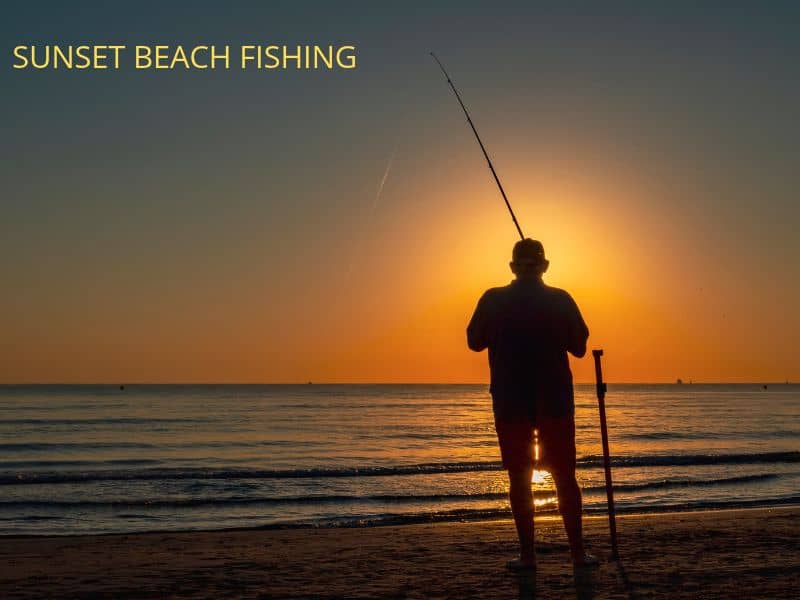
December can provide a mixture of winter and warm-water fishing opportunities.
Cold fronts may push inshore fish toward deeper protected areas.
Between fronts, sunny afternoons can warm shallow flats and encourage redfish and trout to feed.
Offshore and inlet opportunities continue, but conditions should always determine whether a trip is safe.
Central East Rod and Reel Recommendations
Lagoon Fishing
Rod: 7-foot Medium Fast
Reel: 2500–3000 spinning reel
Line: 10–15 lb braid
Leader: 15–25 lb fluorocarbon
Inlet Fishing
Rod: 7’6″ Medium Heavy
Reel: 4000–5000 spinning reel
Line: 20–30 lb braid
Leader: 30–50 lb fluorocarbon depending on structure and species.
Surf Fishing
Rod: 9–11-foot Medium Heavy surf rod
Reel: 5000–6000 spinning reel
Line: 20–30 lb braid
Use pompano rigs, fish-finder rigs or similar presentations appropriate for your target species and surf conditions.
Important 2026 Fishing Regulation Note
Florida fishing regulations vary by species, coast, management region and whether you’re fishing state or federal waters. Never assume that a species mentioned in this guide can legally be harvested everywhere it can be caught.
For example, Florida’s snook regulations are divided into multiple management regions with different seasonal closures. Several Gulf regions close recreational snook harvest beginning December 1, while Northeast Florida, the Indian River Lagoon and Southeast Florida have a December 15 winter closure. Charlotte Harbor and Southwest Florida reopen October 1 after their summer closures. Always verify the exact management region before keeping a fish.
Florida also has special 2026 reef-fish seasons. Red snapper opportunities, in particular, vary substantially between the Gulf and Atlantic, so anglers should check current FWC rules before every trip.
Catch-and-release fishing may still be possible when harvest is closed, subject to applicable regulations and proper fish-handling requirements.
Florida’s southern fishing regions offer some of the most diverse October, November, and December fishing opportunities in the United States.
While North Florida begins experiencing significant winter conditions, South Florida and the Florida Keys generally remain warm enough to support active inshore, reef, offshore, and freshwater fisheries.
Meanwhile, Florida’s Southwest and Central West coasts transition from fall bait migrations toward winter patterns dominated by redfish, snook, spotted seatrout, sheepshead, black drum, pompano, snapper, and other seasonal targets.
Understanding this transition is one of the keys to successful late-year Florida fishing.
Southeast Florida Fishing: Palm Beach, Fort Lauderdale and Miami
Southeast Florida offers anglers something unique: extremely deep Atlantic water relatively close to shore.
The region provides opportunities for:
- Beach fishing
- Pier fishing
- Inshore fishing
- Intracoastal fishing
- Bridge fishing
- Reef fishing
- Wreck fishing
- Offshore trolling
- Drift fishing
Major fishing areas include:
- Palm Beach
- Lake Worth
- Boca Raton
- Deerfield Beach
- Fort Lauderdale
- Hillsboro Inlet
- Dania Beach
- Hollywood
- Haulover Inlet
- Biscayne Bay
- Miami
- Government Cut
October Fishing in Southeast Florida
To learn more about all of Florida.
October is an exciting transition month.
Warm water remains, but fall bait migrations can attract large predators along beaches and through inlets.
Top October Targets
- Snook
- Tarpon
- Jack crevalle
- Mangrove snapper
- Mutton snapper
- Yellowtail snapper
- King mackerel
- Blackfin tuna
- Mahi-mahi
- Barracuda
- Sharks
Beach and Inlet Fishing
Watch for schools of bait moving down the coastline.
Signs of feeding activity include:
- Diving birds
- Bait spraying from the surface
- Dark patches of baitfish
- Tarpon rolling
- Jacks crashing bait
- Pelicans repeatedly diving in one area
When predators are actively feeding, matching the size of the bait can be extremely effective.
Try:
- Live mullet
- Pilchards
- Sardines
- Paddle-tail swimbaits
- Bucktail jigs
- Casting spoons
- Diving plugs
November Fishing in Southeast Florida
November begins the transition toward South Florida’s winter fishing season.
Cold fronts moving across the state can create changing wind and sea conditions, but they can also trigger seasonal fish movements.
November Targets
- Sailfish
- King mackerel
- Blackfin tuna
- Mahi-mahi
- Wahoo
- Mutton snapper
- Yellowtail snapper
- Snook
- Tarpon
- Jack crevalle
- Pompano
Offshore anglers should watch current edges, color changes, floating debris and concentrations of bait.
December Fishing in Southeast Florida
December is one of the months when Southeast Florida demonstrates why anglers travel south for winter fishing.
Cold fronts can push pelagic species southward while reef and wreck fisheries continue providing opportunities.
Top December Targets
- Sailfish
- King mackerel
- Wahoo
- Blackfin tuna
- Mutton snapper
- Yellowtail snapper
- Pompano
- Tarpon
- Jack crevalle
Always check current seasons before harvesting reef species.
Southeast Florida Rod and Reel Setups
Inshore
Rod: 7-foot Medium Heavy
Reel: 3000–4000 spinning reel
Line: 15–20 lb braid
Leader: 25–40 lb fluorocarbon
Tarpon and Heavy Inlet Fishing
Rod: 7’6″ Heavy
Reel: 6000–8000 spinning reel
Line: 50–65 lb braid
Leader: 60–80 lb fluorocarbon
Offshore
Rod: 7-foot Medium Heavy to Heavy
Reel: 6000–8000 spinning reel or appropriate conventional outfit
Line: 40–65 lb braid
Match leader strength and terminal tackle to the target species and technique.
Florida Keys Fishing: Key Largo to Key West
The Florida Keys offer one of the most diverse fisheries in Florida.
Within a relatively short distance, anglers can fish:
- Mangrove shorelines
- Shallow flats
- Bridges
- Channels
- Patch reefs
- Coral reefs
- Wrecks
- Deep offshore water
Major fishing destinations include:
- Key Largo
- Islamorada
- Tavernier
- Marathon
- Seven Mile Bridge
- Bahia Honda
- Big Pine Key
- Key West
- Dry Tortugas
October Fishing in the Florida Keys
October provides a transition between the summer and winter fisheries.
Warm water can keep many summer species active while the first seasonal changes begin.
Flats and Backcountry Targets
- Bonefish
- Permit
- Tarpon
- Mangrove snapper
- Barracuda
- Sharks
Reef and Wreck Targets
Depending on regulations:
- Yellowtail snapper
- Mutton snapper
- Mangrove snapper
- Grouper
- Amberjack
Offshore Targets
- Mahi-mahi
- Blackfin tuna
- Wahoo
- King mackerel
Best Techniques
For flats fishing, stealth is critical.
Use long casts and lighter tackle.
For reef fishing, establish a chum line where appropriate and present baits naturally within it.
Offshore anglers can troll, drift live bait or work areas where current concentrates bait.
November Fishing in the Florida Keys
November can be an excellent month because temperatures become more comfortable while the water remains relatively warm.
Top Targets
- Bonefish
- Permit
- Tarpon
- Yellowtail snapper
- Mutton snapper
- Mangrove snapper
- Blackfin tuna
- Wahoo
- King mackerel
- Sailfish
Watch for changes in current, water color and bait concentrations.
December Fishing in the Florida Keys
December offers Florida anglers something very different from fishing farther north.
While North Florida anglers may be working slow-moving shrimp along deep creek channels, Keys anglers can still pursue tropical flats species, reef fish and offshore pelagics.
December Opportunities
Flats: Bonefish and permit.
Bridges: Snapper, barracuda and other structure-oriented species.
Reefs: Yellowtail, mangrove and mutton snapper.
Offshore: Sailfish, wahoo, blackfin tuna and king mackerel.
Conditions can change quickly when winter fronts reach the Keys, so wind forecasts become especially important for boaters.
Florida Keys Rod and Reel Setups
Flats
Rod: 7-foot Medium Fast
Reel: 2500–3000 spinning reel
Line: 10–15 lb braid
Leader: 15–25 lb fluorocarbon
Reef Fishing
Rod: 7-foot Medium Heavy
Reel: 4000–6000 spinning reel
Line: 20–30 lb braid
Leader: 30–50 lb fluorocarbon
Offshore
Use heavier spinning or conventional tackle matched to trolling, live-baiting, jigging or the species being targeted.
Southwest Florida Fishing: Charlotte Harbor to Naples
Southwest Florida offers an incredible mixture of estuaries, passes, mangrove islands, beaches, artificial reefs and offshore structure.
Major destinations include:
- Charlotte Harbor
- Pine Island Sound
- Matlacha
- Boca Grande
- Fort Myers
- Sanibel
- Captiva
- Estero Bay
- Naples
- Gordon Pass
- Marco Island
- Ten Thousand Islands
October through December transforms Southwest Florida fishing.
October Fishing in Southwest Florida
October can be one of the most exciting months of the year.
Cooling temperatures and abundant bait can create excellent inshore fishing.
Top October Targets
- Snook
- Redfish
- Spotted seatrout
- Tarpon
- Mangrove snapper
- Jack crevalle
- Spanish mackerel
- Black drum
Redfish
October can produce excellent redfish action around:
- Mangrove shorelines
- Oyster bars
- Grass flats
- Creek mouths
- Passes
Live shrimp, pilchards, finger mullet, paddle tails and spoons can all produce fish.
Snook
Snook begin transitioning from beaches and passes toward bays, rivers and backcountry wintering areas.
Look around:
- Mangrove points
- Creek mouths
- Docks
- Passes
- River entrances
November Fishing in Southwest Florida
November brings increasingly noticeable temperature changes.
Redfish and trout can remain active while sheepshead and black drum become increasingly important.
Top November Fish
- Snook
- Redfish
- Spotted seatrout
- Sheepshead
- Black drum
- Mangrove snapper
- Pompano
- Spanish mackerel
After cold fronts, search deeper water.
During warming periods, fish may move back onto shallower flats.
December Fishing in Southwest Florida
December fishing increasingly revolves around temperature.
Cold mornings can push fish into:
- Deep canals
- Rivers
- Residential docks
- Channels
- Protected bays
After several sunny days, shallow water can warm and fish may return to flats and mangrove shorelines.
December Targets
- Redfish
- Spotted seatrout
- Sheepshead
- Black drum
- Pompano
- Mangrove snapper
- Snook
Snook harvest regulations vary by management region and season, so check current FWC rules before keeping fish.
Southwest Florida Rod and Reel Setup
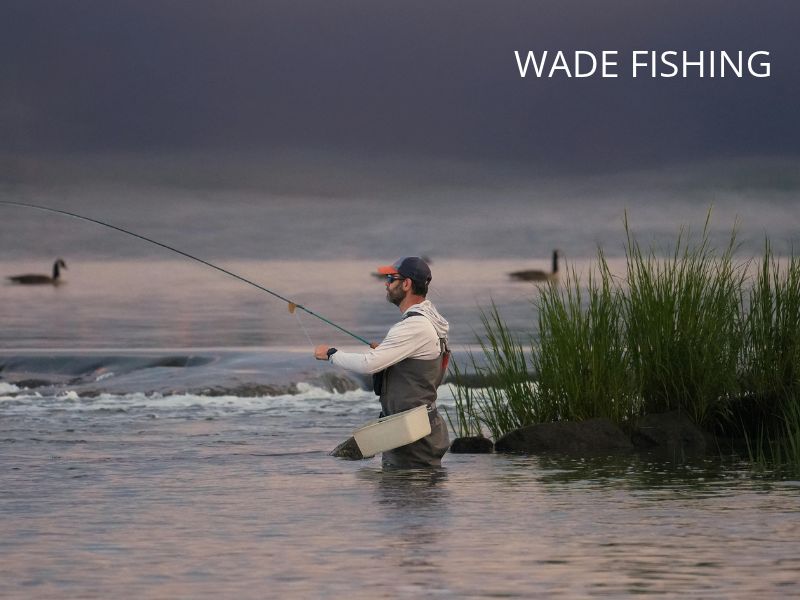
All-Around Inshore
Rod: 7-foot Medium Fast
Reel: 3000–4000 spinning reel
Line: 15–20 lb braid
Leader: 20–30 lb fluorocarbon
This outfit can handle most trout, redfish and general backcountry fishing.
Snook Around Structure
Rod: 7’6″ Medium Heavy
Reel: 4000–5000
Line: 20–30 lb braid
Leader: 30–50 lb fluorocarbon
Increase leader strength around docks, bridges and heavy mangrove structure.
Central West Florida Fishing: Sarasota, Bradenton, Tampa Bay and Clearwater
Central West Florida offers one of the most diverse combinations of accessible fishing environments on Florida’s Gulf Coast.
Major fishing destinations include:
- Sarasota Bay
- Venice
- Longboat Key
- Anna Maria Island
- Longboat Pass
- Tampa Bay
- Sunshine Skyway
- Egmont Key
- Fort De Soto
- St. Petersburg
- Clearwater
- Gulf beaches and artificial reefs
October through December is an especially interesting period because the fishery transitions from warm-water summer patterns into Florida’s Gulf Coast winter season.
October Fishing in Central West Florida
October can be outstanding.
Summer heat begins easing while large concentrations of bait remain available.
Top October Fish
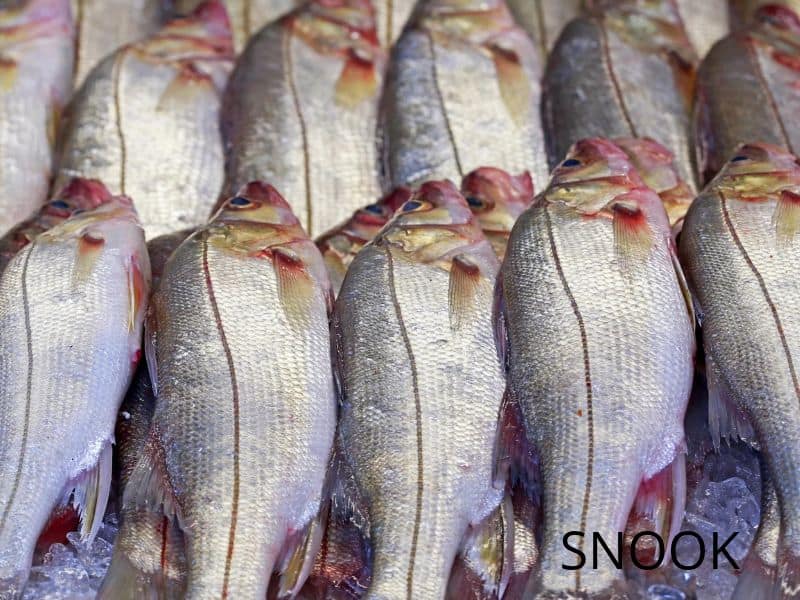
- Snook
- Redfish
- Spotted seatrout
- Tarpon
- Mangrove snapper
- Spanish mackerel
- King mackerel
- Black drum
- Jack crevalle
ampa Bay and Sarasota Bay
Search for bait around:
- Grass flats
- Passes
- Bridge structure
- Channel edges
- Mangrove shorelines
Early morning topwater fishing can still be productive.
As the sun rises, switch to:
- Paddle tails
- Jerkbaits
- Live pilchards
- Shrimp
- Finger mullet
October Pier and Bridge Fishing
The Sunshine Skyway fishing area and other accessible Gulf Coast structures can provide opportunities for:
- Spanish mackerel
- Mangrove snapper
- Sheepshead
- Snook
- Cobia
- Sharks
- Jack crevalle
- Other seasonal species
Match your tackle to the size of fish and the amount of structure.
Bridge fishing often requires heavier leader than open-flat fishing because fish can quickly reach pilings.
November Fishing in Central West Florida
November begins changing the character of the Gulf Coast fishery.
Cooling water can improve:
- Redfish
- Spotted seatrout
- Sheepshead
- Black drum
- Pompano
Spanish mackerel and kingfish opportunities can continue when water temperatures, bait and weather conditions cooperate.
Best November Strategy
Follow the bait.
If birds are diving over baitfish, predators may be nearby.
If the flats appear empty following a cold front, move toward:
Protected canals
Deeper channels
Bridges
Docks
Passes
December Fishing in Central West Florida
December introduces more consistent winter patterns.
Sheepshead becomes an increasingly important target.
Look around:
- Bridge pilings
- Docks
- Seawalls
- Rock piles
- Artificial reefs
Best Sheepshead Baits
- Shrimp
- Fiddler crabs
- Small crabs
- Barnacle-type natural presentations where legal and appropriate
Use enough weight to keep the bait close to structure.
Sheepshead bites can be subtle, so maintain contact with the bait.
December Trout Fishing
Spotted seatrout can remain productive through winter.
Look for:
- Deep grass
- Channels adjacent to flats
- Potholes
- Protected bays
On cold mornings, start deeper.
As sunlight warms the flats, move shallower.
December Redfish
Redfish remain one of the most dependable Gulf Coast targets.
Search around:
- Oyster bars
- Mangroves
- Creek mouths
- Docks
- Warm shallow flats
Live shrimp can become especially effective during cooler conditions.
Central West Florida Rod and Reel Setups
Flats Fishing
Rod: 7-foot Medium Fast
Reel: 3000
Line: 15 lb braid
Leader: 20–25 lb fluorocarbon
Snook and Redfish Around Structure
Rod: 7’6″ Medium Heavy
Reel: 4000–5000
Line: 20–30 lb braid
Leader: 30–50 lb fluorocarbon
Pier Fishing
Rod: 8–10-foot Medium Heavy
Reel: 5000–6000 spinning reel
Line: 20–30 lb braid
Leader strength depends on target species.
King Mackerel
Use a longer medium-heavy rod with a suitable spinning or conventional reel and wire or specialized leader when necessary because king mackerel have extremely sharp teeth.
Best Fall Baits for Southern Florida
One advantage of October through December fishing is the variety of natural bait available.
Live Baits
Excellent options include:
- Shrimp
- Pilchards
- Finger mullet
- Threadfin herring
- Pinfish
- Ballyhoo
- Crabs
As winter progresses, live shrimp becomes one of the most universally useful Florida baits.
Best Artificial Lures
Keep several lure styles available:
Paddle-Tail Swimbaits
Excellent for:
- Snook
- Redfish
- Trout
- Jacks
Topwater Plugs
Best during warmer October mornings and calm conditions.
Gold Spoons
Excellent for covering large grass flats and finding redfish.
Soft Jerkbaits
Useful around:
- Mangroves
- Grass flats
- Docks
- Oyster bars
Bucktail Jigs
Highly versatile around beaches, bridges, passes and inlets.
How the Fall Transition Changes Your Fishing Strategy
One of the biggest mistakes Florida anglers make is fishing December exactly as they fished October.
October is often about movement and bait.
November is about transition.
December increasingly becomes about temperature and structure.
October
Cover water.
Find bait.
Fish moving tides.
Use faster presentations when fish are aggressive.
November
Pay closer attention to cold fronts.
Alternate between shallow and deeper water depending on temperature.
December
Slow down.
Fish deeper immediately after cold fronts.
Look for warmer water during sunny afternoons.
Use shrimp and slower-moving artificial lures.
Understanding that progression can dramatically improve your fishing success during the final three months of the year.
Florida Big Bend, Panhandle and Statewide Freshwater Fishing
Florida’s northern Gulf Coast and freshwater fisheries offer outstanding opportunities during the final three months of the year. As summer heat disappears, baitfish migrate, water temperatures decline, and many species begin feeding more actively before winter.
The Florida Big Bend and Panhandle feature extensive grass flats, tidal creeks, oyster bars, coastal marshes, artificial reefs, beaches, fishing piers, and productive offshore waters.
Meanwhile, Florida’s freshwater lakes and rivers enter an important seasonal transition. Largemouth bass become increasingly active in many locations, crappie fishing improves as temperatures decline, and catfish remain available throughout the year.
1. Florida Big Bend Fishing Guide
The Florida Big Bend stretches along the northeastern Gulf Coast, roughly from the Cedar Key area toward Apalachee Bay and the eastern Panhandle.
Its shallow grass flats, oyster bars, tidal creeks, river mouths, and extensive coastal marshes create some of Florida’s most productive inshore fishing environments.
Unlike portions of Southwest Florida, where deep passes and extensive mangrove shorelines dominate, Big Bend anglers frequently fish enormous shallow grass flats and tidal creeks.
Best Big Bend Fishing Destinations
Cedar Key: Grass flats, oyster bars, tidal creeks, redfish, spotted seatrout, and seasonal Spanish mackerel.
Horseshoe Beach: Shallow flats, creek mouths, oyster bars, and excellent opportunities for redfish and trout.
Steinhatchee: Extensive seagrass habitat, nearshore structure, redfish, trout, flounder, and seasonal pelagic fishing.
Keaton Beach: Shallow flats, tidal creeks, spotted seatrout, redfish, and nearshore fishing.
St. Marks: The St. Marks River, coastal marshes, oyster bars, and Apalachee Bay provide diverse fishing opportunities.
Carrabelle: River mouths, bays, beaches, nearshore reefs, and access to deeper Gulf waters.
Apalachicola: An extensive estuary offering redfish, trout, black drum, sheepshead, and seasonal offshore opportunities
October Fishing in the Florida Big Bend
October is an excellent transition month for Big Bend anglers.
As water temperatures gradually decline, redfish and spotted seatrout can become more active across the region’s extensive grass flats.
Migrating baitfish may attract Spanish mackerel and other predators near channels, passes, and nearshore structure.
Best Fish to Catch in October
- Redfish
- Spotted seatrout
- Flounder
- Black drum
- Spanish mackerel
- Mangrove snapper
- Sheepshead
- Tripletail
Best October Fishing Locations
Begin your morning on shallow grass flats adjacent to deeper channels.
As the tide rises, explore flooded oyster bars and grass edges.
During outgoing tides, concentrate on creek mouths and channels where shrimp and baitfish are carried toward deeper water.
Look for nervous baitfish, diving birds, and active feeding.
Best October Baits
Live bait:
- Live shrimp
- Finger mullet
- Pilchards where available
- Pinfish
Artificial lures:
- Gold spoons
- Paddle-tail swimbaits
- Topwater walking plugs
- Soft-plastic jerkbaits
- Shrimp imitations
October Fishing Technique
Begin with a topwater plug during calm mornings.
Work shallow grass flats using a steady walking action, pausing occasionally.
As sunlight increases, switch to a paddle-tail swimbait or gold spoon.
When fishing deeper grass, suspend live shrimp or an artificial shrimp beneath a popping cork.
November Fishing in the Florida Big Bend
November brings cooler conditions and increasingly frequent cold fronts.
Redfish and trout remain important targets, but their locations can change considerably as water temperatures fluctuate.
Best November Species
- Redfish
- Spotted seatrout
- Flounder
- Black drum
- Sheepshead
- Spanish mackerel when conditions permit
Where to Fish
Concentrate on:
- Deep grass edges
- Creek mouths
- Oyster bars
- River entrances
- Protected bays
- Channels adjacent to shallow flats
After a cold front, fish may move toward deeper water where temperatures remain more stable.
Following several sunny days, shallow flats can warm enough to attract feeding fish again.
November Technique
Use a 3- to 4-inch paddle-tail swimbait on a lightweight jighead.
Retrieve slowly while maintaining occasional contact with the bottom.
When fish become less aggressive, try live shrimp beneath a popping cork or fish shrimp near deeper structure.
December Fishing in the Florida Big Bend
December introduces winter fishing patterns throughout much of the Big Bend.
Cold fronts can substantially lower water temperatures, particularly across shallow coastal flats.
Successful anglers often concentrate on deeper water, river systems, protected creeks, and areas that warm during sunny afternoons.
Best December Targets
- Redfish
- Spotted seatrout
- Sheepshead
- Black drum
- Flounder, where present
Best December Locations
- Deeper river channels
- Protected creek bends
- Oyster bars adjacent to deeper water
- Bridge pilings
- Docks
- Deeper grass flats
December Fishing Techniques
Fish slowly.
Live shrimp, small soft plastics, and lightly weighted jigs can be particularly effective.
Allow your bait to remain near the bottom, especially following a significant cold front.
On warmer afternoons, explore shallow flats that receive direct sunlight.
Recommended Big Bend Rod and Reel Setups
| Fishing situation | Rod | Reel | Line |
|---|---|---|---|
| Grass flats | 7′ medium fast | 3000 spinning | 15 lb braid |
| Redfish near oyster bars | 7′ medium-heavy | 4000 spinning | 20 lb braid |
| Trout fishing | 7′ medium-light or medium | 2500–3000 | 10–15 lb braid |
| Sheepshead | 7′ medium | 3000–4000 | 15–20 lb braid |
| Nearshore reefs | 7′ medium-heavy | 5000–6000 | 30–40 lb braid |
Use approximately 20–30 lb fluorocarbon leader for general inshore fishing, adjusting for structure and water clarity.
Florida’s Panhandle offers extensive beaches, bays, tidal rivers, artificial reefs, wrecks, offshore fishing grounds, and productive freshwater environments.
The region stretches from Pensacola and Perdido Key eastward through Destin, Panama City, Mexico Beach, Port St. Joe, and Apalachicola.
During October, November, and December, Panhandle fishing changes considerably as cold fronts arrive and water temperatures decline.
Best Florida Panhandle Fishing Destinations
Pensacola: Pensacola Bay, Pensacola Pass, surrounding beaches, nearshore reefs, and offshore fishing grounds.
Navarre: Santa Rosa Sound, Navarre Beach, coastal fishing, and nearshore structure.
Destin: East Pass, Choctawhatchee Bay, artificial reefs, wrecks, and offshore fishing.
Panama City Beach: St. Andrews Bay, St. Andrews Pass, beaches, piers, and artificial reefs.
Mexico Beach: Beaches, coastal fishing, artificial reefs, and offshore opportunities.
Port St. Joe: St. Joseph Bay, Cape San Blas, grass flats, beaches, and coastal fishing.
Apalachicola: Apalachicola Bay, tidal rivers, barrier islands, and access to offshore fishing
October Fishing in the Florida Panhandle
October can produce excellent fishing as seasonal baitfish migrations attract predators.
The combination of cooling water and abundant bait can create exciting opportunities from beaches, fishing piers, bays, and offshore boats.
Best October Fish
- Redfish
- Spotted seatrout
- Flounder
- Spanish mackerel
- King mackerel
- Pompano
- Black drum
- Mangrove snapper
- Vermilion snapper
Additional reef-fish opportunities depend on current regulations.
Best October Fishing Locations
Pensacola Pass: Target moving water, baitfish concentrations, and channel edges.
Destin East Pass: Fish current breaks, deeper channels, and surrounding structure.
St. Andrews Bay: Explore grass flats, oyster bars, channels, and bridge structure.
Cape San Blas: Search beach troughs and sandbars for pompano and other surf species.
October Surf Fishing
October can offer excellent opportunities for surf anglers.
Look for:
- Sandbars
- Troughs
- Cuts through sandbars
- Areas where waves expose sand fleas
- Feeding birds
Use fresh shrimp, sand fleas, or appropriate artificial baits.
A two-hook pompano rig is a versatile choice when conditions permit.
Recommended Surf Setup
- Rod: 10–11-foot medium-heavy surf rod
- Reel: 5000–6000 spinning reel
- Main line: 20–30 lb braid
- Leader: Appropriate abrasion-resistant leader
- Sinker: Match the weight and style to surf conditions
Avoid using more weight than necessary.
November Fishing in the Florida Panhandle
November brings increasingly noticeable temperature changes.
Spanish mackerel and king mackerel may remain available during favorable conditions, although seasonal movements depend on water temperature and bait availability.
Inshore anglers can enjoy productive redfish, trout, flounder, and black drum fishing.
Best November Fish
- Redfish
- Spotted seatrout
- Flounder
- Pompano
- Black drum
- Sheepshead
- Spanish mackerel when present
- Vermilion snapper, subject to regulations
November Inshore Techniques
Target grass flats early in the month.
As temperatures decline, search deeper channels, creek mouths, and protected bays.
Live shrimp becomes increasingly useful.
Artificial lures should generally be retrieved more slowly following cold fronts.
November Beach Fishing
Pompano fishing can improve as water temperatures become favorable.
Search for clear water and productive sandbars.
Fresh shrimp and sand fleas are excellent starting baits.
Fish during periods of moving water whenever practical.
December Fishing in the Florida Panhandle
December introduces genuine winter fishing conditions.
Northern Gulf Coast water temperatures can decline considerably during strong cold fronts.
Successful anglers should concentrate on protected locations, deeper water, and species that tolerate cooler conditions.
Best December Targets
- Redfish
- Spotted seatrout
- Sheepshead
- Black drum
- Pompano
- Flounder where present
Offshore anglers may encounter additional species, depending on weather, location, and applicable fishing seasons.
Best December Fishing Locations
- Deep bay channels
- Protected tidal creeks
- Bridge pilings
- Docks
- Oyster bars
- River entrances
- Beach troughs
December Sheepshead Fishing
Sheepshead become an increasingly attractive target as coastal waters cool.
Look around:
- Bridge pilings
- Rock piles
- Docks
- Artificial reefs
- Other hard structure
Use small, strong hooks with shrimp or appropriate crab baits.
Keep the bait close to structure.
Sheepshead often produce subtle bites, so maintain contact with your rig.
Recommended Panhandle Rod and Reel Setups
| Fishing situation | Rod | Reel | Line |
|---|---|---|---|
| Bay fishing | 7′ medium | 3000 | 15 lb braid |
| Redfish | 7′ medium-heavy | 4000 | 20 lb braid |
| Surf fishing | 10–11′ medium-heavy | 5000–6000 | 20–30 lb braid |
| Pier fishing | 8–10′ medium-heavy | 5000–6000 | 20–30 lb braid |
| Nearshore reefs | 7′ medium-heavy | 6000 | 40 lb braid |
| Offshore bottom fishing | 6’6″–7′ heavy | Conventional | 50–65 lb braid |
Match terminal tackle and leader strength to the fish, structure, current, and fishing method
Florida Freshwater Fishing: October, November and December
Florida’s freshwater fishing opportunities are available throughout the year.
However, the final quarter introduces important changes in fish behavior.
As temperatures decline, largemouth bass can become more active in many locations, crappie begin transitioning toward winter patterns, and catfish remain dependable targets.
Florida’s diverse freshwater environments include:
- Natural lakes
- Reservoirs
- Rivers
- Canals
- Springs
- Marshes
- Flooded vegetation
- Urban ponds
Best Florida Freshwater Fishing Destinations
Lake Okeechobee
One of Florida’s most famous bass-fishing destinations.
Anglers can target largemouth bass around vegetation, canals, grass edges, and other productive structure.
Lake Kissimmee
Known for largemouth bass and extensive aquatic vegetation.
Fishing opportunities include grass edges, vegetation pockets, and deeper channels.
Lake Tohopekaliga
A major Central Florida bass-fishing destination offering extensive shallow-water habitat.
Harris Chain of Lakes
The Harris Chain offers largemouth bass, crappie, bluegill, and other freshwater species.
Rodman Reservoir
A productive bass-fishing destination with submerged timber, vegetation, and varied structure.
Lake George
Located along the St. Johns River system, Lake George offers bass, crappie, catfish, and other
St. Johns River
One of Florida’s most important freshwater systems.
Its extensive network of lakes, channels, tributaries, and wetlands creates opportunities for numerous species.
Suwannee River
The Suwannee offers bass, catfish, sunfish, and river fishing across North Florida
4. October Freshwater Fishing
October is an important transition month for freshwater anglers.
Summer heat gradually declines, allowing anglers to spend more time fishing comfortably throughout the day.
In many lakes, largemouth bass become increasingly active around vegetation, baitfish schools, and shallow feeding areas.
Best October Freshwater Fish
- Largemouth bass
- Peacock bass in South Florida
- Bluegill
- Shellcracker
- Catfish
- Crappie
October Bass Fishing
During warmer October mornings, begin with topwater presentations.
Excellent choices include:
- Hollow-body frogs
- Walking plugs
- Buzzbaits
- Popper-style lures
Target:
- Lily pads
- Grass edges
- Vegetation openings
- Shallow points
- Canal entrances
As the sun rises, switch to:
- Texas-rigged worms
- Swimming jigs
- Spinnerbaits
- Chatterbaits
- Soft-plastic stick worms
Best October Bass Rod and Reel
Rod: 7-foot medium-heavy baitcasting rod
Reel: 7:1 baitcasting reel
Line: 30–50 lb braid for heavy vegetation or 12–17 lb fluorocarbon for open-water techniques.
A medium spinning outfit is also useful for finesse presentations.
5. November Freshwater Fishing
November can be an excellent month for Florida bass anglers.
Cooling water often encourages fish to feed more actively during favorable weather.
However, strong cold fronts can temporarily reduce activity.
Best November Freshwater Targets
- Largemouth bass
- Crappie
- Bluegill
- Catfish
- Peacock bass in warmer South Florida waters
November Bass Fishing Techniques
Start by locating baitfish.
Fish may concentrate around:
- Vegetation edges
- Creek channels
- Submerged timber
- Drop-offs
- Points
- Canal intersections
Effective lures include:
- Spinnerbaits
- Chatterbaits
- Lipless crankbaits
- Soft-plastic worms
- Jigs
During colder conditions, slow your retrieve and fish deeper structure.
November Crappie Fishing
Crappie fishing can improve as water temperatures decline.
Search around:
- Submerged timber
- Brush piles
- Channel edges
- Bridge pilings
- Deeper vegetation
Small minnows and crappie jigs are excellent choices.
Use light tackle to detect subtle bites.
6. December Freshwater Fishing
December is an important month for anglers targeting largemouth bass and crappie.
Florida’s relatively mild winter climate creates fishing opportunities that differ significantly from those in northern states.
Water temperatures, cold fronts, and regional differences determine where fish concentrate.
Best December Freshwater Fish
- Largemouth bass
- Crappie
- Bluegill
- Catfish
- Peacock bass in suitable South Florida waters
December Largemouth Bass Fishing
Bass behavior varies considerably across Florida.
In northern lakes, cold fronts may encourage fish to concentrate near deeper structure.
In South Florida, warmer conditions can support continued shallow-water activity.
Depending on weather and location, bass may begin moving toward areas associated with the approaching spawning season.
December Bass Techniques
Try:
- Texas-rigged worms
- Soft-plastic stick worms
- Spinnerbaits
- Lipless crankbaits
- Jigs
- Suspending jerkbaits
Following a cold front, slow your presentation.
During several consecutive warm days, explore shallow vegetation and protected areas.
December Crappie Fishing
December can provide excellent crappie opportunities.
Many anglers target crappie using small jigs and live minnows.
Productive areas include:
- Brush piles
- Submerged timber
- Channel edges
- Bridge pilings
- Deeper vegetation
Experiment with different depths until you locate active fish.
7. Best Freshwater Rod and Reel Setups
| Species | Rod | Reel | Recommended line |
|---|---|---|---|
| Largemouth bass | 7′ medium-heavy | Baitcasting | 12–17 lb fluorocarbon |
| Bass in heavy vegetation | 7’3″ heavy | Baitcasting | 40–65 lb braid |
| Finesse bass | 7′ medium spinning | 2500 | 10 lb braid |
| Crappie | 6’6″ light | 1000–2000 | 4–6 lb mono |
| Bluegill | 6′ ultralight | 1000 | 4 lb mono |
| Catfish | 7′ medium-heavy | 4000–5000 | 20–30 lb braid |
| Peacock bass | 7′ medium-heavy | 3000–4000 | 15–20 lb braid |
For finesse bass fishing, add a fluorocarbon leader appropriate to water clarity and cover.
8. Florida River Fishing During October, November and December
Florida’s rivers provide excellent freshwater fishing opportunities.
Major systems include:
- St. Johns River
- Suwannee River
- Withlacoochee River
- Peace River
- Caloosahatchee River
- Santa Fe River
- Choctawhatchee River
- Apalachicola River
River fishing requires anglers to understand current, water levels, structure, and seasonal temperature changes.
October River Fishing
During October, search for fish around:
- River bends
- Submerged timber
- Creek intersections
- Vegetation edges
- Deep holes
Bass may remain active during early morning and evening periods.
November River Fishing
Cooling temperatures can encourage fish to concentrate around deeper structure.
Try fishing:
- Channel edges
- Bridge pilings
- Fallen trees
- Creek mouths
- Deep bends
December River Fishing
During colder periods, deeper river sections may provide more stable temperatures.
Fish slowly and concentrate on structure.
Following several sunny days, explore shallow areas that warm during the afternoon.
9. Best Freshwater Baits for Fall and Early Winter
Live Baits
Wild shiners: Excellent for largemouth bass.
Live minnows: Particularly effective for crappie.
Nightcrawlers: Useful for catfish, bluegill, and numerous other freshwater species.
Crickets: Excellent for bluegill and other panfish.
Artificial Lures
Plastic worms: Versatile throughout the entire quarter.
Spinnerbaits: Excellent when bass are actively feeding.
Chatterbaits: Useful around vegetation and stained water.
Crankbaits: Effective for covering water and locating active fish.
Jigs: Excellent around deeper structure and vegetation.
Topwater frogs: Productive during favorable warm conditions.
10. Best Times to Fish Florida’s Freshwater Lakes
| Month | Productive fishing periods | Main consideration |
|---|---|---|
| October | Sunrise and late afternoon | Baitfish movement and cooling temperatures |
| November | Morning through early afternoon | Water temperature and cold fronts |
| December | Late morning through afternoon after cold nights | Sunlight and warming water |
These are general seasonal guidelines. Actual feeding periods vary by region, species, weather, and local conditions.
11. October–December Fishing Quick Reference
| Month | Big Bend | Panhandle | Freshwater |
|---|---|---|---|
| October | Redfish, trout, Spanish mackerel | Redfish, pompano, mackerel | Bass, bluegill, catfish |
| November | Redfish, trout, black drum | Redfish, flounder, pompano | Bass, crappie |
| December | Redfish, sheepshead, black drum | Sheepshead, redfish, pompano | Crappie, bass, catfish |
Important: This table identifies seasonal fishing opportunities, not legal harvest seasons. Before keeping any fish, check current Florida Fish and Wildlife Conservation Commission regulations, including regional closures, size limits, bag limits, and any applicable federal rules.
Moon Phases, Tides, Seasonal Techniques, Fishing Equipment and Complete Fall Fishing Strategy
Florida’s final three months of the year provide anglers with an extraordinary variety of fishing opportunities. October delivers the fall baitfish migration, November introduces more frequent cold fronts, and December brings winter fishing patterns to much of the state.
Throughout this transition, understanding moon phases, tidal movement, changing water temperatures, and seasonal fish behavior can make a substantial difference in fishing success.
Whether you’re fishing for redfish around Tampa Bay, pompano along the Atlantic beaches, sailfish offshore from Miami, snapper in the Florida Keys, or largemouth bass in Lake Okeechobee, adapting your fishing strategy to the conditions is essential.
This final section of our Florida Fall Fishing Quarterly Report brings together the information anglers need to plan successful October, November, and December fishing adventures.
1. Florida Moon Phase Fishing Guide: October–December 2026
The moon influences ocean tides, which can affect current strength, baitfish movement, and predator feeding opportunities.
However, moon phases alone cannot predict whether fishing will be productive. Weather, water temperature, water clarity, local tidal geography, and bait availability are equally important.
October 2026 Moon Phases
| Moon phase | Date |
|---|---|
| Last quarter | October 3 |
| New moon | October 10 |
| First quarter | October 18 |
| Full moon | October 26 |
October’s new moon and full moon are useful planning dates for anglers targeting fish around passes, inlets, bridges, and tidal creeks.
Around the new and full moons, larger tidal ranges may create stronger currents in some coastal locations.
October is also an important month for migrating baitfish.
Combining moving water with concentrations of bait can create excellent fishing opportunities.
Recommended October Moon Fishing Strategy
During the new moon, explore productive tidal locations during daylight and consider fishing after sunset.
During the full moon, investigate nighttime fishing around bridges, dock lights, beaches, and passes.
For redfish, target flooded grass flats and oyster bars during favorable incoming tides.
For snook, search around current breaks and structures that concentrate baitfish.
For Spanish mackerel and other schooling predators, watch for feeding birds and baitfish activity.
November 2026 Moon Phases
| Moon phase | Date |
|---|---|
| Last quarter | November 1 |
| New moon | November 9 |
| First quarter | November 17 |
| Full moon | November 24 |
November’s changing weather makes flexibility particularly important.
Cold fronts can temporarily change fish behavior, even when tidal conditions appear favorable.
Recommended November Strategy
Before a cold front, look for actively feeding fish along grass edges, oyster bars, and deeper channels.
Following a cold front, search protected water and use slower presentations.
During strong tidal movement, concentrate on creek mouths, bridges, passes, and channel intersections.
For offshore fishing, prioritize favorable marine forecasts over moon-phase predictions
December 2026 Moon Phases
| Moon phase | Date |
|---|---|
| Last quarter | December 1 |
| New moon | December 8 |
| First quarter | December 17 |
| Full moon | December 23 |
| Last quarter | December 30 |
December requires a different approach in northern and southern Florida.
In North Florida, cold fronts can significantly reduce shallow-water temperatures.
In South Florida and the Florida Keys, warmer conditions may support continued flats, reef, and offshore fishing.
Recommended December Moon Fishing Strategy
Combine favorable tidal movement with warming weather.
After several cold days, consider fishing shallow flats during sunny afternoons.
Target deeper structure when temperatures fall sharply.
For freshwater fishing, prioritize water temperature, habitat, and feeding activity rather than relying exclusively on moon phases.
2. High Tide, Low Tide and Moving Water
One of the most important lessons in Florida saltwater fishing is understanding how tides influence fish movement.
The best tide depends on your fishing location, target species, water depth, and available structure.
Incoming Tide Fishing
An incoming tide brings rising water into coastal bays, marshes, creeks, and grass flats.
Predatory fish may follow baitfish and crustaceans into newly accessible feeding areas.
Best Incoming Tide Locations
- Mangrove shorelines
- Oyster bars
- Grass flats
- Marsh edges
- Shallow creek entrances
- Protected bays
Recommended Species
Redfish, snook, spotted seatrout, black drum, and mangrove snapper.
Best Techniques
Cast ahead of moving fish.
Use live shrimp, pilchards, finger mullet, or appropriately sized artificial lures.
Work your bait naturally with the current whenever possible.
High Tide Fishing
High tide can provide access to shallow habitat that becomes inaccessible during lower water.
Redfish may feed around flooded oyster bars, while snook can move close to mangrove roots and shoreline structure.
Focus on locations with moving water rather than assuming the exact moment of high tide will produce the strongest feeding.
Outgoing Tide Fishing
Outgoing tides pull water and bait from shallow areas into deeper channels.
This can concentrate predators around:
- Creek mouths
- Drainage channels
- Passes
- Bridge pilings
- Oyster bar edges
- Channel drop-offs
Position your bait so the current carries it naturally toward feeding fish.
Low Tide Fishing
Low tide can reveal productive fishing structure.
Look for deeper holes, submerged channels, exposed oyster bars, and areas where fish become concentrated.
Low water also provides an opportunity to identify locations worth fishing during the next incoming tide.
Slack Tide
Slack tide occurs when tidal current becomes weak during a change in tidal direction.
Feeding may slow in some current-oriented fisheries.
Use the opportunity to reposition, change tackle, locate bait, or investigate deeper structure.
However, slack tide does not automatically mean fishing will be unproductive.
3. Best Times to Fish in October, November and December
Florida’s best fishing times change throughout the final quarter.
The transition from summer heat to cooler weather means anglers should adjust their schedules.
| Month | Recommended starting times | Seasonal strategy |
|---|---|---|
| October | Sunrise and late afternoon | Follow migrating bait and moving tides |
| November | Morning through afternoon | Adjust around cold fronts |
| December | Late morning and sunny afternoons after cold nights | Target stable or warming water |
These are starting points rather than guaranteed feeding periods.
October Fishing Schedule
During October, begin by targeting sunrise.
Look for baitfish schools, feeding birds, and active predators.
On warm days, early morning and evening can be particularly productive.
Saltwater anglers should coordinate fishing trips with favorable tidal movement.
November Fishing Schedule
November requires greater flexibility.
Following a warm night, sunrise fishing may remain productive.
After a strong cold front, waiting until late morning can produce better results.
As sunlight warms shallow flats, redfish and trout may become increasingly active.
December Fishing Schedule
December often rewards patience.
After a cold night, consider starting later.
Explore deeper channels first, then investigate warmer shallow water during the afternoon.
In South Florida, fishing schedules may remain closer to fall patterns when temperatures stay relatively warm.
4. How to Fish Before and After Florida Cold Fronts
Cold fronts become increasingly important during November and December.
They influence wind, water temperature, water clarity, and fish movement.
Before a Cold Front
Fish may feed actively before changing weather arrives.
Target:
- Grass flats
- Oyster bars
- Creek mouths
- Inlets
- Protected bays
Try paddle-tail swimbaits, shrimp, finger mullet, and other presentations that imitate available prey.
Never continue fishing when approaching weather creates dangerous conditions.
Immediately After a Cold Front
Fish may become less aggressive when water temperatures decline rapidly.
Slow down your presentation.
Try smaller baits, lighter jigheads, and deeper fishing locations.
Protected canals, rivers, and deeper channels can become productive.
During a Warming Trend
After several sunny days, shallow water may warm enough to attract feeding fish.
Explore dark-bottom flats, protected shorelines, oyster bars, and areas adjacent to deeper water.
For freshwater bass, search vegetation edges and shallow feeding areas during favorable warming conditions.
5. Best Florida Fall Fishing Techniques by Location
Pier Fishing
Florida’s public fishing piers provide access to species that might otherwise require a boat.
Depending on the location and season, anglers can target:
- Spanish mackerel
- Pompano
- Sheepshead
- Mangrove snapper
- Redfish
- Snook
- King mackerel
Recommended Pier Setup
Rod: 8–10-foot medium-heavy spinning rod
Reel: 5000–6000 spinning reel
Line: 20–30 lb braid
Leader: Match the species, structure, and fishing conditions.
Bring a suitable landing net where permitted.
Check individual pier rules and operating conditions before traveling.
Beach and Surf Fishing
Fall and early winter can provide excellent beach fishing opportunities.
Search for sandbars, troughs, cuts, and feeding birds.
Potential targets include pompano, whiting, redfish, Spanish mackerel, and other seasonal coastal species.
Recommended Surf Setup
Rod: 10–12-foot medium-heavy surf rod
Reel: 5000–6000 spinning reel
Line: 20–30 lb braid
Baits: Fresh shrimp, sand fleas, and other appropriate natural baits.
Choose sinkers that hold bottom without unnecessarily increasing tackle weight.
Bridge Fishing
Bridges can provide excellent fishing opportunities because pilings and current breaks concentrate baitfish.
Depending on the region, anglers may encounter snook, sheepshead, mangrove snapper, black drum, and redfish.
Use heavier leader when fishing around barnacle-covered pilings.
Allow your bait to drift naturally along current breaks.
Kayak Fishing
Kayaks provide access to shallow grass flats, mangrove shorelines, tidal creeks, and protected bays.
A versatile setup includes a 7-foot medium spinning rod and a 3000-size reel with 15 lb braided line.
Always check wind forecasts, tidal current, and weather conditions.
Cold-water immersion, offshore winds, and strong tidal currents can create serious hazards.
Offshore Fishing
Florida’s offshore opportunities vary considerably by coast and season.
Possible targets include sailfish, wahoo, king mackerel, blackfin tuna, snapper, and other reef species.
Recommended Offshore Equipment
For general offshore spinning:
Rod: 7-foot medium-heavy or heavy
Reel: 6000–8000 spinning reel
Line: 40–65 lb braid
For heavy bottom fishing, use a suitable conventional outfit.
Select tackle according to the target species, depth, current, and structure.
Check fishing seasons before targeting reef species for harvest.
6. Statewide Fall Fishing Equipment Reference
| Fishing style | Rod | Reel | Main line |
|---|---|---|---|
| Freshwater bass | 7′ medium-heavy | Baitcasting | 12–17 lb fluorocarbon |
| Crappie | 6’6″ light | 1000–2000 | 4–6 lb mono |
| General inshore | 7′ medium | 3000–4000 | 15–20 lb braid |
| Heavy inshore | 7’6″ medium-heavy | 4000–5000 | 20–30 lb braid |
| Pier fishing | 8–10′ medium-heavy | 5000–6000 | 20–30 lb braid |
| Surf fishing | 10–12′ medium-heavy | 5000–6000 | 20–30 lb braid |
| Offshore spinning | 7′ medium-heavy/heavy | 6000–8000 | 40–65 lb braid |
| Offshore bottom | 6’6″–7′ heavy | Conventional | 50–65 lb braid |
These recommendations provide starting points. Individual species, structure, fishing techniques, and local conditions may require different equipment.
7. Florida Fishing Safety During Fall and Winter
October remains within Atlantic hurricane season, which continues through November.
Monitor tropical weather and marine forecasts throughout both months.
By November and December, strong cold fronts can create hazardous conditions, particularly for offshore anglers.
Before fishing:
- Review the marine weather forecast.
- Check local tide predictions.
- Monitor wind speed and direction.
- Carry appropriate safety equipment.
- Wear a properly fitted life jacket when boating.
- Carry a reliable communication device.
- Tell someone your fishing plans.
- Confirm that public fishing access is open.
Never assume that pleasant conditions at the boat ramp mean offshore conditions will remain safe throughout the day.
8. Florida Fishing Regulations and Conservation
Fishing regulations vary by species, region, management area, and whether anglers are fishing state or federal waters.
A fish may be present and actively feeding even when recreational harvest is prohibited.
Before every trip, verify:
- Fishing license requirements
- Seasonal closures
- Minimum and maximum size limits
- Daily bag limits
- Special management areas
- Reef-fish requirements
- Gear restrictions
- Catch-and-release regulations
Practice responsible fishing by minimizing handling time, using appropriate tackle, and releasing unwanted fish carefully.
When fishing deeper reefs, follow applicable descending-device and venting-tool requirements.
Avoid damaging seagrass, coral reefs, mangroves, and other important fish habitats.
9. Frequently Asked Questions
What is the best month for fall fishing in Florida?
October, November, and December all provide excellent opportunities, but the best month depends on your target species and location.
October is particularly attractive for anglers following migrating baitfish.
November provides a mixture of fall and early winter fishing.
December can offer productive winter inshore fishing and excellent opportunities in South Florida.
What fish are biting in Florida during October?
Common seasonal targets include redfish, snook, spotted seatrout, flounder, Spanish mackerel, king mackerel, pompano, and largemouth bass.
Availability varies by region and conditions.
What fish should anglers target in November?
Redfish, trout, black drum, sheepshead, pompano, flounder, bass, and crappie are useful starting targets.
Offshore opportunities vary by region, weather, and applicable fishing regulations.
What are the best fish to catch in Florida during December?
Redfish, sheepshead, black drum, spotted seatrout, pompano, largemouth bass, and crappie are important seasonal targets.
South Florida also offers opportunities for tropical and offshore species.
Does the full moon improve fishing in Florida?
The full moon can produce larger tidal ranges in some coastal areas, potentially creating favorable current and bait movement.
However, fishing success also depends on weather, water temperature, location, and fish behavior.
Is the new moon good for fishing?
The new moon can create favorable tidal conditions in some locations.
Anglers should combine moon-phase information with local tide predictions and observations of baitfish activity.
What is the best tide for Florida saltwater fishing?
Incoming and outgoing tides can both produce excellent fishing.
The most productive tide depends on the location, target species, structure, and available bait.
Moving water is often especially useful around passes, inlets, bridges, and creek mouths.
What is the best all-around Florida inshore rod and reel?
A 7-foot medium spinning rod paired with a 3000–4000 spinning reel, 15–20 lb braided line, and an appropriate fluorocarbon leader is a versatile combination.
Is December good for freshwater fishing in Florida?
Yes. December can provide excellent opportunities for largemouth bass and crappie.
Water temperature, weather patterns, vegetation, and available bait determine the most productive locations.
Where are the best places to fish in Florida during fall?
Florida offers productive fall fishing throughout the state.
Popular destinations include Jacksonville, St. Augustine, Sebastian Inlet, Miami, the Florida Keys, Naples, Charlotte Harbor, Sarasota Bay, Tampa Bay, Cedar Key, Destin, and Pensacola.
Freshwater anglers can explore Lake Okeechobee, Lake Kissimmee, the Harris Chain, Rodman Reservoir, and the St. Johns River.
Conclusion: Plan Your October, November and December Florida Fishing Adventures
Florida’s fall and early winter fishing season provides an exceptional range of opportunities for beginners, experienced anglers, families, and visiting fishing enthusiasts.
October offers exciting baitfish migrations and active predators.
November introduces changing temperatures and opportunities to explore different fishing techniques.
December brings winter fishing patterns to much of the state while South Florida and the Florida Keys continue offering diverse saltwater opportunities.
From Jacksonville to Key West and Pensacola to Naples, understanding local conditions is essential.
The most successful fishing trips begin with good planning.
Research your destination, study the tides, understand the seasonal movements of your target species, select appropriate equipment, and monitor the weather.
Above all, respect Florida’s fisheries and coastal environments.
Whether you’re casting from a public pier, exploring a quiet freshwater lake, fishing the grass flats, or heading offshore, Florida offers remarkable fishing experiences throughout the final quarter of the year.
Explore more fishing destinations, seasonal reports, and outdoor adventures with Florida’s Fun.
Leave a Reply