Category: Fishing

  • Florida September Fishing Guide 2026

    Florida September Fishing Guide 2026

    September can be one of the most exciting months on Florida’s fishing calendar. Summer is still very much alive, but subtle seasonal changes begin showing up throughout the state. Warm water keeps many tropical and warm-water species active while shorter days gradually begin the transition toward fall.

    From largemouth bass hiding around Florida’s freshwater vegetation to snook feeding along Gulf Coast passes, redfish cruising shallow flats, snapper holding around reefs, and pelagic fish traveling Atlantic waters, September gives anglers an enormous variety of possibilities.

    Florida has more than 8,000 lakes, ponds and reservoirs and roughly 12,000 miles of fishable rivers, streams and canals, according to the Florida Fish and Wildlife Conservation Commission (FWC).

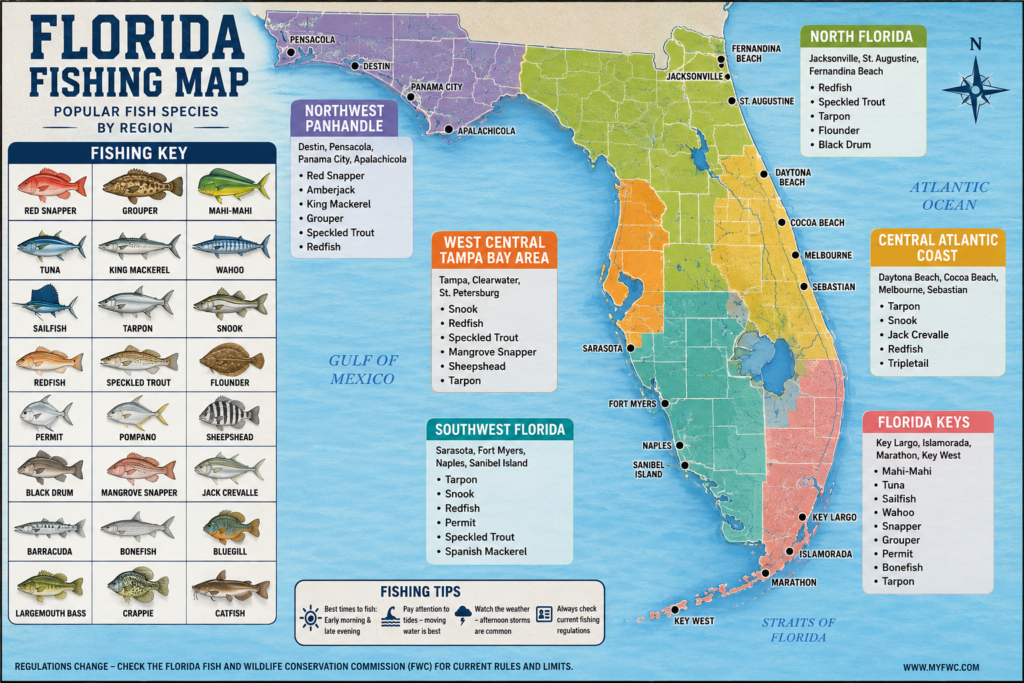
    This September 2026 Florida Fishing Guide covers fishing from the Panhandle to the Florida Keys and Jacksonville to Naples, including freshwater lakes and rivers, Gulf and Atlantic beaches, bridges, fishing piers, bays, inlets, flats and offshore waters.

    We’ll also look at the September 2026 moon cycle, fishing the tides, rods and reels, live and artificial bait, boat types, thunderstorms and hurricane safety.

    Quick Answer: Is September a Good Month to Fish in Florida?

    Yes. September can be an excellent month for Florida fishing, particularly for anglers willing to fish early and late in the day and adjust to changing weather.

    Good September targets can include:

    • Snook
    • Redfish
    • Spotted seatrout
    • Tarpon
    • Mangrove snapper
    • Red snapper where legally open
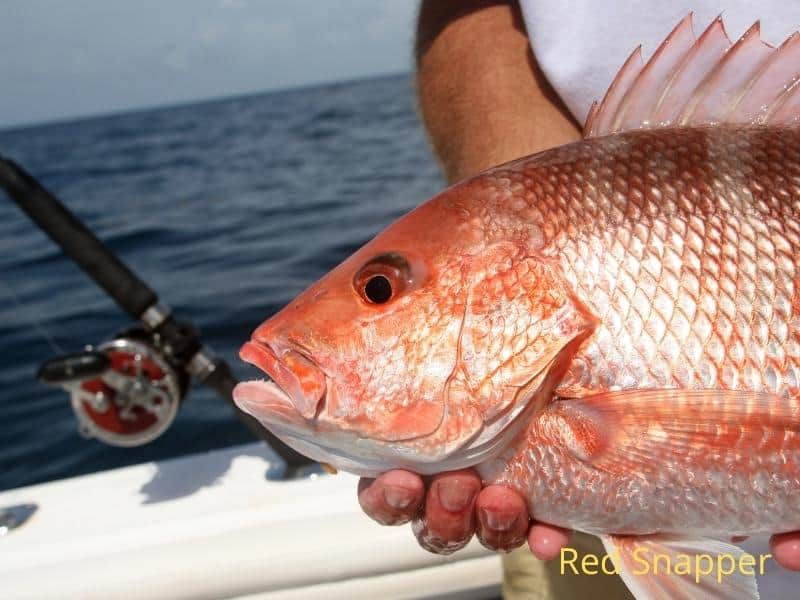
    Red Snapper is a big part of Florida fishing
    • Gag grouper where legally open
    • King mackerel
    • Spanish mackerel
    • Mahi-mahi
    • Sharks
    • Largemouth bass
    • Bluegill
    • Catfish
    • Crappie

    September is also a month when anglers should pay particularly close attention to heat, thunderstorms, tropical systems, tides and rapidly changing marine conditions.

    September 2026 Moon Phases and Florida Fishing

    The moon doesn’t magically make fish bite, but its gravitational relationship with Earth contributes to tides. For saltwater anglers, the combination of moon phase, tide, current, sunrise, sunset and weather can help identify potentially productive fishing windows.

    The U.S. Naval Observatory lists these September 2026 primary lunar phases in Universal Time:

    Moon PhaseSeptember 2026
    Third QuarterSeptember 4
    🌑 New MoonSeptember 11
    First QuarterSeptember 18
    🌕 Full Harvest MoonSeptember 26

    New Moon — September 11

    Around a new moon, the combined gravitational influence of the sun and moon tends to produce larger tidal ranges, commonly called spring tides.

    That can mean stronger moving water in passes, bridges, inlets and channels.

    Try fishing:

    • Pass mouths
    • Bridge pilings
    • Creek mouths
    • Mangrove points
    • Oyster bars
    • Inlets

    Snook, redfish, tarpon and snapper often position themselves where moving water carries bait past structure.

    Full Harvest Moon — September 26

    September’s full moon is the Harvest Moon in 2026.

    Again, anglers can encounter stronger tidal movement around the full moon.

    Don’t assume the exact moment of the full moon is automatically the month’s best fishing. Local tide, wind, barometric pressure, water clarity, bait concentrations and temperature can matter just as much or more.

    Instead, use the moon as one part of your fishing plan.

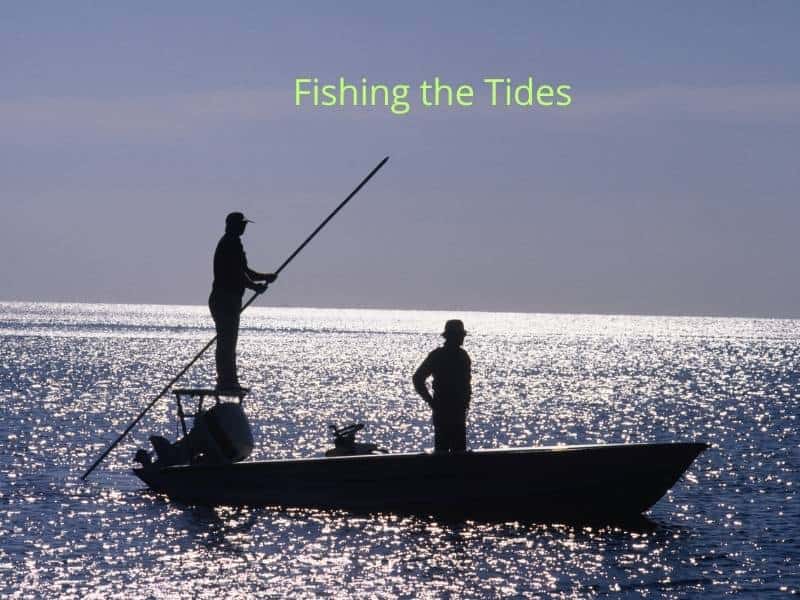
    How to Fish Florida’s Tides in September

    Understanding moving water is one of the most important saltwater fishing skills you can develop.

    Incoming Tide

    An incoming tide pushes Gulf or Atlantic water toward shore and into bays, estuaries and tidal creeks.

    Try:

    • Grass-flat edges
    • Mangrove shorelines
    • Oyster bars
    • Passes
    • Beaches
    • Creek mouths

    Predators may move shallower as water rises.

    High Tide

    High water can allow fish to reach areas unavailable at lower stages.

    Look around:

    • Flooded mangrove edges
    • Grass
    • Docks
    • Seawalls
    • Deep shoreline structure

    This can be particularly productive for snook and redfish.

    Outgoing Tide

    The outgoing tide drains water from bays, flats and creeks.

    This can create excellent ambush situations.

    Position your lure or bait near:

    • Creek mouths
    • Cuts
    • Passes
    • Drainage points
    • Channel edges
    • Bridge pilings

    The goal is to imitate prey being carried naturally with the current.

    Low Tide

    When the water gets shallow, fish often concentrate in:

    • Deeper holes
    • Channels
    • Passes
    • Drop-offs
    • Bridge channels

    Instead of fishing the entire flat, identify the remaining deeper water.

    Florida Panhandle Fishing in September

    The Panhandle provides everything from freshwater bass fishing to protected bays and offshore Gulf reefs.

    Good areas include:

    Pensacola

    Destin

    Choctawhatchee Bay

    Panama City

    St. George Island

    Apalachicola

    September targets

    Look for:

    • Redfish
    • Speckled trout
    • Spanish mackerel
    • King mackerel
    • Flounder
    • Snapper
    • Grouper
    • Largemouth bass
    • Catfish
    • Bream

    Inshore

    Fish grass beds, oyster bars, docks and bay structure.

    A 7-foot medium-light or medium spinning rod with 10–15-pound braid makes a versatile setup.

    Try:

    • Live shrimp
    • Finger mullet
    • Pinfish
    • Soft-plastic paddletails
    • Shrimp imitations
    • Topwater plugs early

    Offshore

    Destin and Panama City provide access to productive Gulf structure.

    September 2026 is particularly noteworthy because Florida’s Gulf recreational red snapper fall season is open daily September 1 through October 4 for eligible recreational anglers covered by the announced season. FWC lists a 16-inch total-length minimum and two-fish daily limit for the applicable Gulf recreational fishery. Check exactly which rules apply to your vessel before fishing.
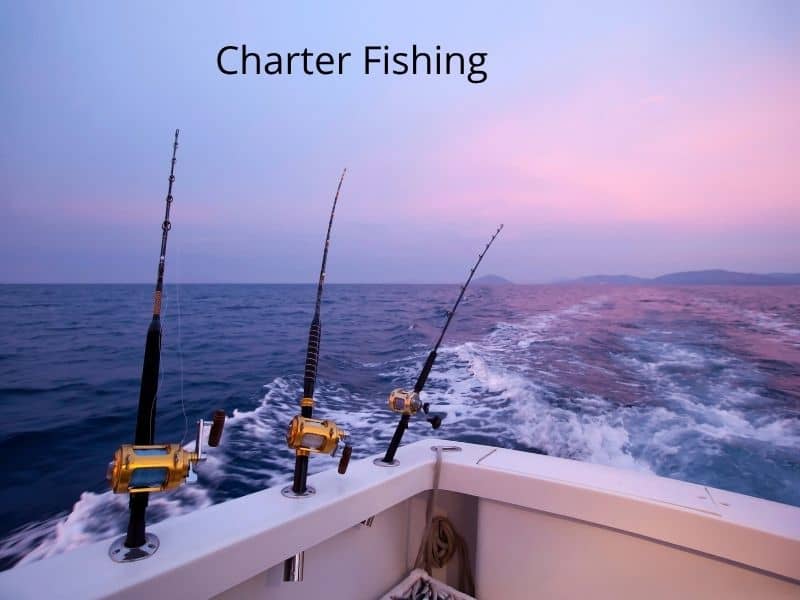
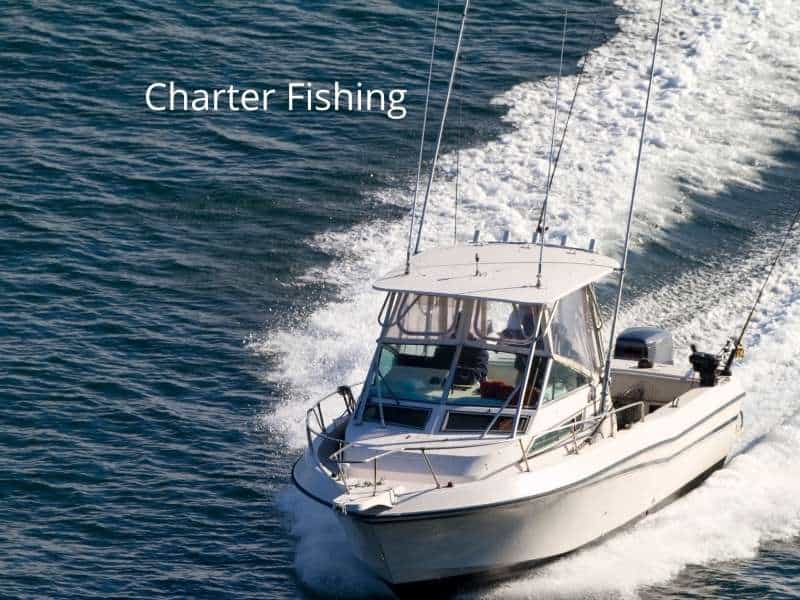
    Charter Fishing in Florida is fun

    Big Bend Fishing

    Florida’s Big Bend offers a different experience from heavily developed portions of the peninsula.

    Think:

    • Seagrass
    • Oyster bars
    • Tidal creeks
    • Rivers
    • Rocky bottom
    • Shallow flats

    Look around:

    • Steinhatchee
    • Keaton Beach
    • Cedar Key
    • Crystal River
    • Homosassa

    September targets include redfish, trout, mangrove snapper and other warm-water species.

    A shallow-draft bay boat, skiff or kayak can be extremely useful here because some areas become exceptionally shallow.

    Watch the tide carefully.

    Tampa Bay and Central Gulf Coast

    Tampa Bay provides nearly every style of inshore saltwater fishing.

    Fish:

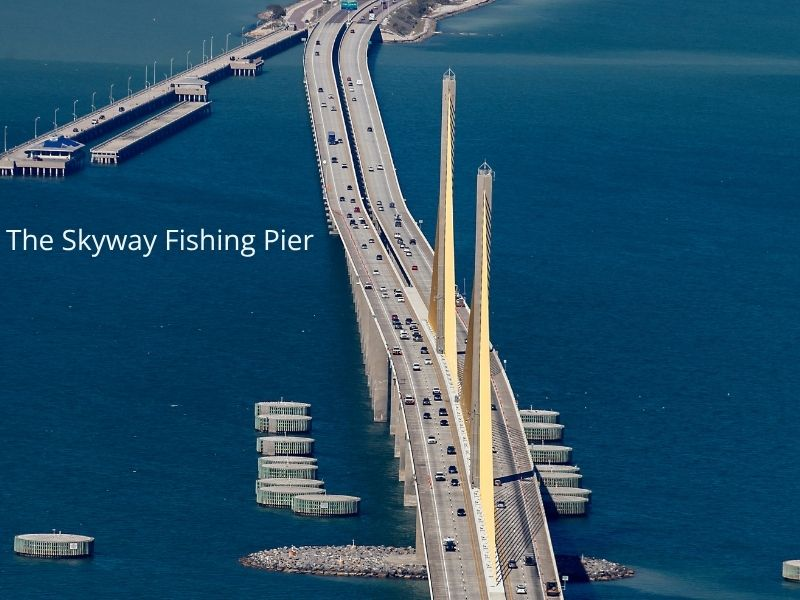
    • Skyway area
    • Fort De Soto
    • Tampa Bay flats
    • Mangrove shorelines
    • Bridges
    • Passes
    • Channels
    • Beaches

    September possibilities include:

    Snook

    Redfish

    Spotted seatrout

    Mangrove snapper

    Tarpon

    Spanish mackerel

    Sharks

    Live bait choices include shrimp, pilchards, pinfish and mullet.

    Artificial options include:

    • Paddletails
    • Jerk shads
    • Topwater plugs
    • Suspending plugs
    • Spoons

    Sarasota and Manatee County Fishing

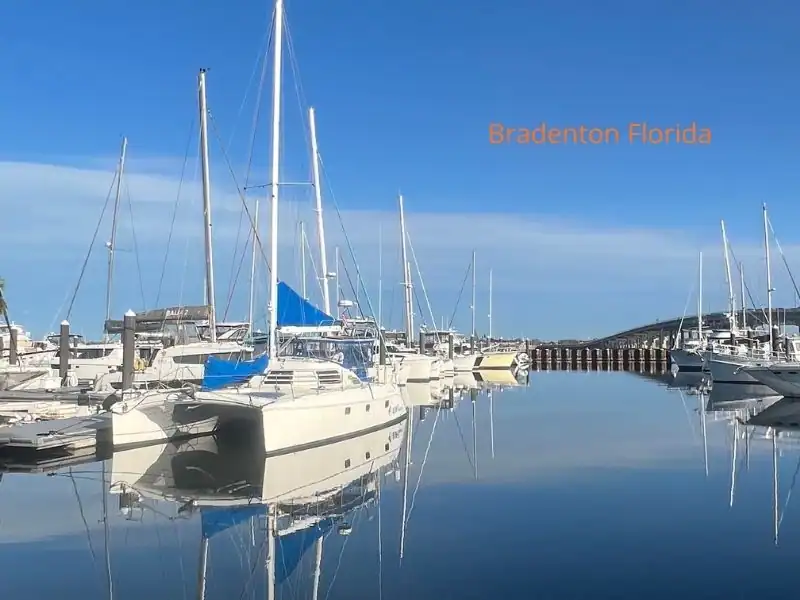
    For Florida’s Fun readers, Sarasota and Manatee Counties deserve particular attention because this region offers remarkable fishing diversity.

    Fish:

    • Sarasota Bay
    • Palma Sola Bay
    • Anna Maria Island
    • Longboat Key
    • Bradenton Beach
    • Venice
    • Local passes
    • Bridges
    • Grass flats
    • Mangrove shorelines

    September Snook

    September brings an important regulatory change.

    FWC says recreational snook harvest reopens September 1 in the Panhandle, Big Bend, Tampa Bay and Sarasota Bay management regions. However, the Charlotte Harbor and Southwest management regions do not reopen until October 1. Regulations are regional, so verify your exact fishing location and current size/bag rules before harvesting a fish.

    Fishing techniques include live pilchards near structure, shrimp around docks, or artificial paddletails and plugs around moving water.

    Southwest Florida: Charlotte Harbor to Naples

    Continue south through:

    • Charlotte Harbor
    • Pine Island
    • Fort Myers
    • Sanibel area
    • Estero Bay
    • Naples
    • Ten Thousand Islands

    September can produce excellent inshore fishing, but remember that snook harvest remains closed during September in the Charlotte Harbor and Southwest management regions, even though catch-and-release fishing may still provide action.

    Look for:

    • Snook
    • Redfish
    • Trout
    • Tarpon
    • Mangrove snapper
    • Sharks

    Mangrove shorelines and tidal creeks become particularly interesting as bait moves with the tide.

    Florida Keys Fishing in September
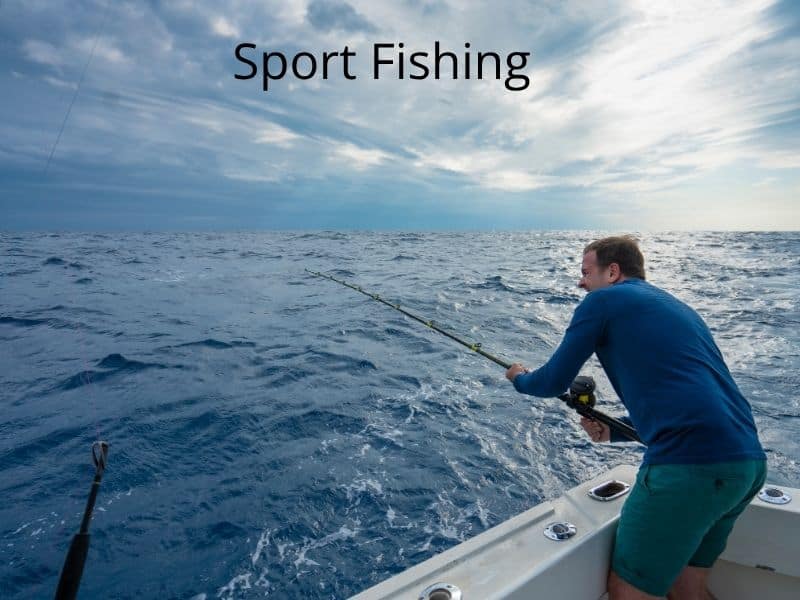
    Sport fishing in Florida is fun

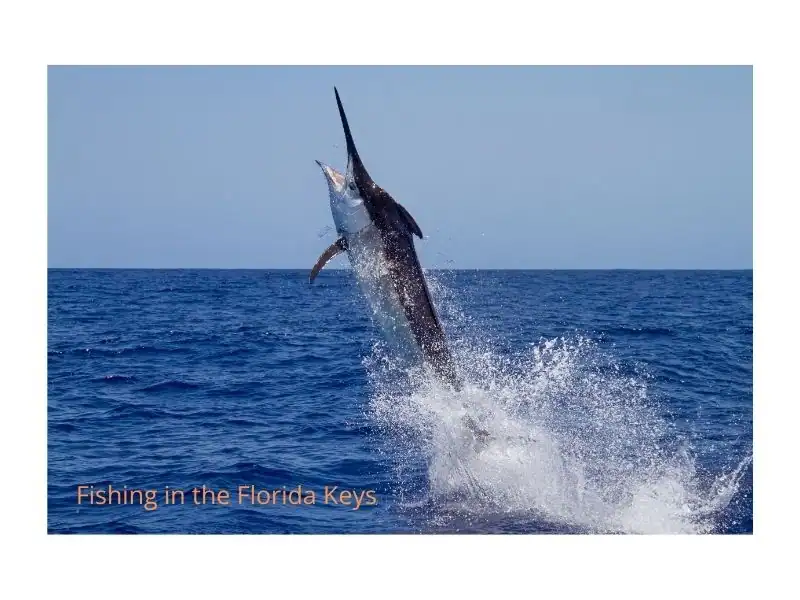
    Few destinations offer the diversity of the Florida Keys.

    Anglers can fish:

    Florida Bay

    Mangrove islands

    Bridges

    Flats

    Atlantic reefs

    Wrecks

    Deep offshore water

    Possible targets include:

    • Tarpon
    • Bonefish
    • Permit
    • Snapper
    • Grouper
    • Barracuda
    • Sharks
    • Mahi-mahi
    • Tuna

    Flats

    Use lighter spinning equipment or fly tackle for bonefish and permit.

    Stealth becomes extremely important in clear shallow water.

    Bridges

    The Keys’ bridges create current and structure.

    Live bait drifting naturally with current can be productive for snapper and other predators.

    Reef fishing

    Use heavier tackle for snapper and grouper around reefs and wrecks.

    Miami, Fort Lauderdale and Southeast Florida

    Florida’s Atlantic coast becomes deep relatively close to shore in many areas, creating opportunities for both nearshore and offshore fishing.

    September targets may include:

    • Mahi-mahi
    • King mackerel
    • Wahoo
    • Tuna
    • Sailfish
    • Snapper
    • Snook
    • Tarpon

    Mahi Fishing

    Search for:

    • Weed lines
    • Floating debris
    • Current edges
    • Diving birds
    • Baitfish

    Rather than trolling aimlessly, look for signs of life.

    When one mahi is hooked, other fish sometimes remain near the boat.

    Palm Beach, Treasure Coast and Space Coast

    Moving north, productive fishing stretches through:

    • Palm Beach
    • Jupiter
    • Stuart
    • Fort Pierce
    • Sebastian
    • Melbourne
    • Cocoa Beach
    • Cape Canaveral

    Inlets can become fishing highways.
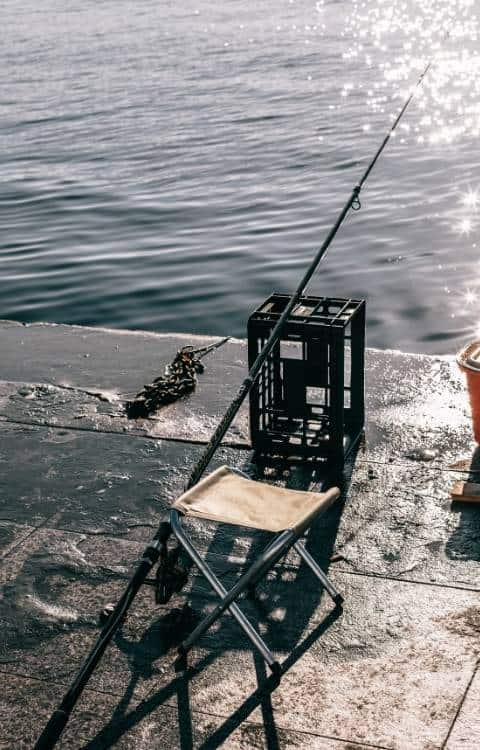
    Pier fishing

    Fish around:

    • Jetties
    • Inlets
    • Bridges
    • Beaches
    • Nearshore reefs
    • Offshore structure

    Strong currents demand heavier weights and careful boat positioning.

    Jacksonville and Northeast Florida

    Northeast Florida offers rivers, estuaries, inlets, beaches and Atlantic offshore fishing.

    Important areas include:

    • St. Johns River
    • Jacksonville Beach
    • Mayport
    • Nassau Sound
    • Amelia Island
    • St. Augustine

    Redfish can be an important inshore target.

    Look around:

    • Creek mouths
    • Oyster bars
    • Docks
    • Deep bends
    • Bridge structure

    Try shrimp, mullet or crab depending on the target species and location.

    Jacksonville and Northeast Florida

    Northeast Florida offers rivers, estuaries, inlets, beaches and Atlantic offshore fishing.

    Important areas include:

    • St. Johns River
    • Jacksonville Beach
    • Mayport
    • Nassau Sound
    • Amelia Island
    • St. Augustine

    Redfish can be an important inshore target.

    Look around:

    • Creek mouths
    • Oyster bars
    • Docks
    • Deep bends
    • Bridge structure

    Try shrimp, mullet or crab depending on the target species and location.

    Lake Okeechobee
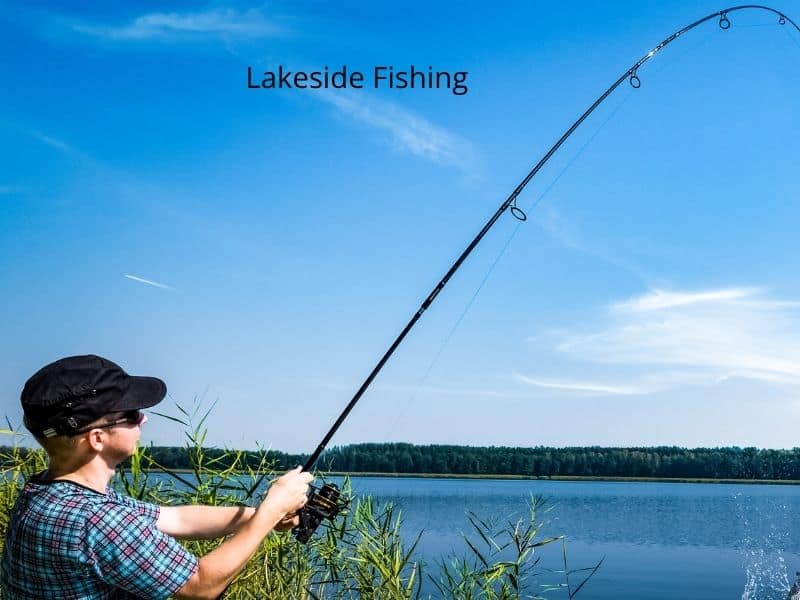
    Lake side fishing

    Lake Okeechobee is one of Florida’s iconic largemouth bass destinations.

    September heat often makes timing critical.

    Early morning

    Try:

    • Topwater frogs
    • Walking baits
    • Spinnerbaits

    Later

    Move toward:

    • Vegetation
    • Drop-offs
    • Shaded cover
    • Deeper water

    Use:

    • Texas-rigged worms
    • Creature baits
    • Jigs
    • Weedless soft plastics

    A 7-foot medium-heavy baitcasting rod paired with strong braided line is useful around heavy vegetation.

    Kissimmee Chain of Lakes

    The Kissimmee Chain provides extensive bass habitat.

    Look for:

    • Hydrilla
    • Lily pads
    • Kissimmee grass
    • Canal entrances
    • Drop-offs

    Fish early before September heat becomes intense.

    FWC also identifies the Kissimmee Chain among Florida’s well-known crappie waters.

    St. Johns River

    The St. Johns River provides an entirely different freshwater experience.

    Target:

    • Bass
    • Crappie
    • Bream
    • Catfish

    Fish bends, vegetation, creek entrances and structure.

    FWC identifies the St. Johns among the state’s renowned crappie fisheries.


    Lake Talquin and Northwest Florida

    Near Tallahassee, Lake Talquin offers bass, crappie, bream and catfish opportunities.

    FWC specifically identifies the Ochlockonee River/Lake Talquin system as one of its notable fisheries and notes Lake Talquin’s reputation for black crappie.

    South Florida Canals

    South Florida’s canal systems provide one of the state’s most unusual freshwater fisheries.

    In addition to largemouth bass, anglers can encounter peacock bass in suitable southern waters.

    For peacock bass, try:

    • Small jerkbaits
    • Live shiners
    • Small swimbaits
    • Topwater lures

    Their aggressive strikes make them excellent light-tackle sportfish.

    Crappie Fishing in September

    September isn’t peak Florida crappie season, but that doesn’t mean you should ignore them.

    FWC says crappie spend considerable time offshore and anglers often locate schools by drifting deeper water with small minnows or freshwater grass shrimp. Night fishing can also be productive year-round.

    Try:

    • 1/16-ounce jigs
    • 1/8-ounce jigs
    • Small minnows
    • Light-wire hooks

    Use an ultralight or light spinning rod.

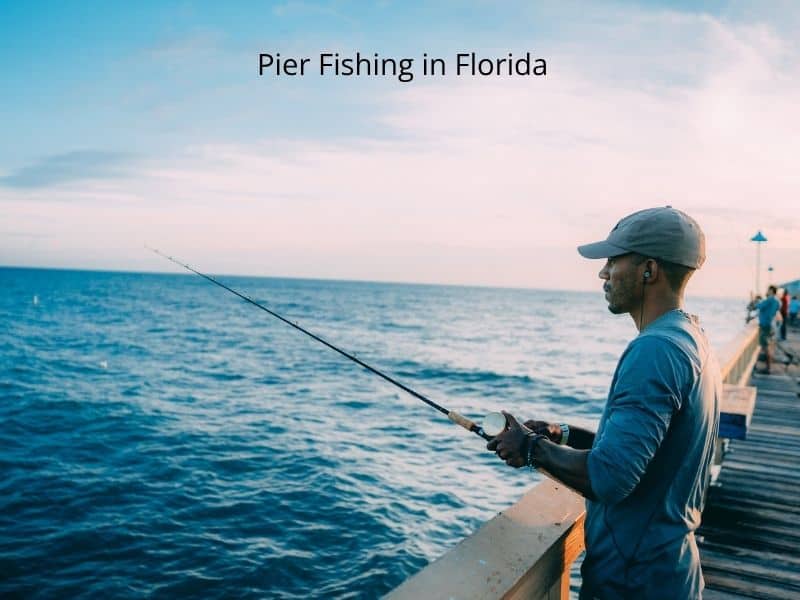
    Florida Pier Fishing in September

    You don’t need a boat to enjoy Florida fishing.

    Piers provide access to deeper water and structure.

    Depending on location, pier anglers can encounter:

    • Spanish mackerel
    • Sheepshead
    • Snapper
    • Snook
    • Pompano
    • Whiting
    • Sharks
    • Jack crevalle

    Bring multiple rigs.

    A good combination is:

    7-foot medium spinning rod for general fishing

    and

    8–10-foot medium-heavy rod for larger fish and longer casts.

    September Beach and Surf Fishing

    Florida has hundreds of miles of fishable shoreline.

    Look for:

    • Troughs
    • Sandbars
    • Cuts
    • Points
    • Bait schools
    • Birds

    Don’t automatically cast as far as possible.

    Fish often travel through the first trough relatively close to shore.

    Surf setup

    Try:

    Rod: 9–12 feet

    Reel: 4000–6000 spinning reel

    Line: 15–30-pound braid

    Leader: Fluorocarbon or monofilament appropriate for target species

    Baits:

    • Shrimp
    • Sand fleas
    • Cut bait
    • Mullet
    • Fish bites/scented baits where appropriate

    Inshore Rod and Reel Setup

    For someone who wants one highly versatile Florida inshore outfit:

    Rod: 7–7½-foot medium or medium-heavy fast-action spinning rod

    Reel: 3000–4000

    Main line: 10–20-pound braid

    Leader: roughly 20–40-pound fluorocarbon depending on water clarity, structure and target species

    This can handle a tremendous amount of Florida fishing.

    Offshore Rods and Tackle

    Offshore tackle depends heavily upon what you’re targeting.

    Reef fishing

    Use heavier conventional or spinning equipment capable of controlling fish around structure.

    Trolling

    Conventional trolling equipment works for kingfish, mahi and other pelagic species.

    Vertical jigging

    Use purpose-built jigging rods and metal jigs.

    Bottom fishing

    Use enough weight to maintain contact with the bottom without using unnecessary weight.

    Current, depth and wind determine sinker size.

    What Type of Boat Is Best?

    There isn’t one perfect Florida fishing boat.

    Flats boat

    Best for:

    • Shallow grass
    • Redfish
    • Snook
    • Trout

    Bay boat

    One of Florida’s most versatile options.

    Good for:

    • Bays
    • Inshore
    • Passes
    • Nearshore water

    Center-console

    Excellent for:

    • Nearshore
    • Offshore
    • Reefs
    • Trolling
    • Bottom fishing

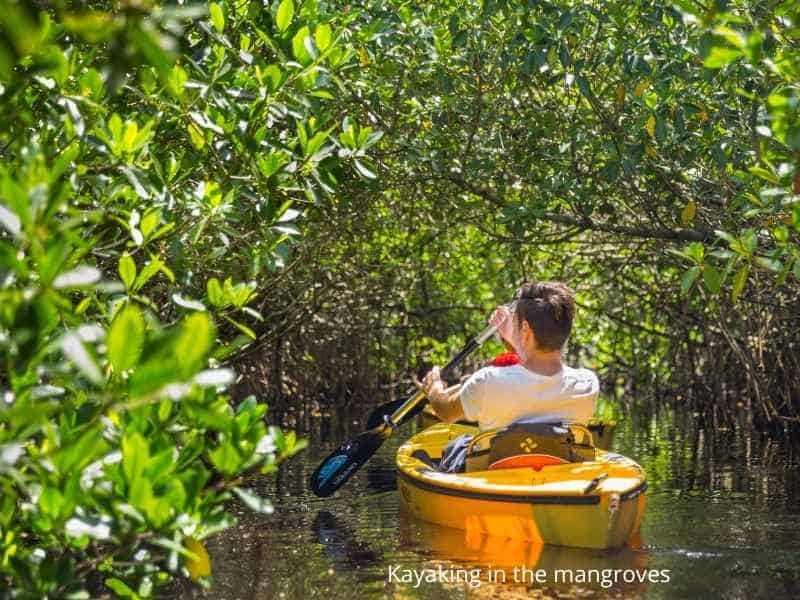
    Kayak

    Excellent for:

    • Mangrove creeks
    • Protected bays
    • Flats
    • Freshwater lakes

    But September weather makes careful planning particularly important.

    Pontoon

    Good for family freshwater fishing and protected-water outings, but it isn’t a substitute for an offshore-capable boat.

    The farther offshore you intend to travel, the more important hull design, fuel range, communications equipment, safety gear and weather planning become.

    September 2026 Gulf Grouper Opportunity

    September brings another important opportunity.

    FWC has announced that the 2026 recreational gag grouper season runs September 1–30 in Gulf state waters, excluding Monroe County state waters, and FWC says this aligns with the adjacent federal-water season. Current FWC information lists a 24-inch total-length minimum and two fish per person within the four-grouper aggregate for the applicable Gulf fishery.

    This makes September potentially important for Gulf offshore anglers.

    Look around:

    • Hard bottom
    • Ledges
    • Reefs
    • Wrecks

    Use:

    • Live pinfish
    • Cut bait
    • Large jigs
    • Heavy bottom rigs

    Remember that reef-fish requirements apply, and anglers targeting certain reef species from private recreational vessels need the State Reef Fish Angler designation.


    Fishing During Florida’s September Storm Season

    This section is extremely important.

    September falls within Atlantic hurricane season and remains a month when thunderstorms can develop quickly.

    Before leaving:

    Check the National Weather Service forecast.

    Check marine forecasts.

    Look at radar.

    Check wind speed and direction.

    Check wave height.

    Check tropical-weather forecasts.

    Check tides.

    And continue monitoring conditions while fishing.

    Lightning

    If you hear thunder, you are already close enough to lightning to be at risk.

    NOAA/National Weather Service guidance is to seek safe shelter immediately and remain there for at least 30 minutes after the last thunder. For boaters or swimmers, the recommendation is to get to land and safe shelter as quickly as possible.

    Don’t try to squeeze in “five more casts.”

    Hurricane and Tropical Storm Fishing Safety

    A hurricane doesn’t have to make landfall at your fishing location to create dangerous conditions.

    A distant tropical system can influence:

    • Swells
    • Rip currents
    • Wind
    • Rain
    • Water levels
    • Tides
    • Inlet conditions

    Offshore anglers should be especially conservative.

    If tropical weather is approaching Florida, fishing isn’t worth gambling your boat or your life.

    After a storm, conditions can also change dramatically.

    Debris, damaged docks, altered channels, polluted runoff and submerged hazards may be present.

    September Fishing Strategy: Early Morning

    One of the easiest September adjustments is simply fishing earlier.

    Try:

    30–60 minutes before sunrise

    through

    two or three hours after sunrise.

    Cooler temperatures can make fishing more comfortable and fish may feed more aggressively in shallower water.

    This is an excellent time for:

    • Topwater bass
    • Snook
    • Trout
    • Redfish
    • Tarpon

    Late Afternoon and Evening

    Evening can also be productive as temperatures begin falling.

    However, September afternoon thunderstorms make weather awareness essential.

    Never stay on exposed water because the bite is good when thunderstorms are approaching.


    Matching the Hatch

    One of Florida’s most reliable fishing principles is simple:

    Find the bait and you’ll often find predators.

    Look for:

    • Mullet schools
    • Pilchards
    • Glass minnows
    • Shrimp
    • Crabs
    • Flying fish offshore
    • Freshwater minnows

    Then choose a lure approximately matching the prey’s size and profile.

    September Artificial Lure Box

    A versatile Florida tackle box might contain:

    Saltwater

    • 3–5-inch paddletails
    • Jerk shads
    • Shrimp imitations
    • Topwater plugs
    • Suspending twitchbaits
    • Spoons
    • Bucktail jigs
    • Metal jigs

    Freshwater

    • Plastic worms
    • Creature baits
    • Frogs
    • Spinnerbaits
    • Crankbaits
    • Jerkbaits
    • Topwater walking baits
    • Small crappie jigs

    You don’t need 100 lure styles.

    Learn how to fish a small number extremely well.

    Best September Fishing Strategy by Water Type

    WaterPrimary TargetsTechnique
    Freshwater lakesBass, bluegill, crappieVegetation, structure, deeper water
    RiversBass, catfish, panfishCurrent breaks and bends
    MangrovesSnook, redfish, snapperCast tight to structure
    Grass flatsTrout, redfishDrift and cover water
    PassesSnook, tarpon, snapperFish moving tides
    BeachesSnook, whiting, mackerel, sharksTroughs and bait schools
    PiersMackerel, snapper, snookStructure and moving water
    NearshoreMackerel, snapperReefs and bait
    Offshore GulfSnapper, grouper, pelagicsReefs, wrecks and hard bottom
    Offshore AtlanticMahi, tuna, wahoo, kingfishTroll current edges and structure

    Florida’s Fun September Fishing Game Plan

    If you’re planning a September Florida fishing trip, don’t choose a location based solely on a famous name.

    Start with the experience you want.

    Freshwater bass: Central and South Florida lakes

    Crappie: Talquin, Kissimmee Chain, St. Johns and other productive systems

    Inshore redfish: Panhandle, Big Bend, Gulf Coast and Northeast Florida estuaries

    Snook: Gulf and Atlantic inshore waters where present

    Reef fishing: Keys, Gulf and Atlantic reef systems

    Mahi: Southeast Florida and Keys offshore waters

    Pier fishing: Coastal communities throughout Florida

    Surf fishing: Gulf and Atlantic beaches

    Then check:

    Weather → tide → moon → regulations → bait → tackle → location.

    That’s a much better strategy than simply picking a day and hoping the fish cooperate.

    September 2026 Florida Fishing FAQ

    What fish are biting in Florida in September?

    Depending on region and conditions, September opportunities can include snook, redfish, spotted seatrout, tarpon, mangrove snapper, grouper, mackerel, mahi-mahi, sharks, largemouth bass, bluegill, catfish and crappie.

    Is September a good month for Florida bass fishing?

    Yes. Bass remain active, but warm water often makes early morning, evening, deeper water and shaded vegetation especially important.

    What is the best bait for Florida fishing in September?

    Saltwater choices include shrimp, pilchards, mullet and pinfish. Freshwater choices include shiners, worms and small minnows, while artificial paddletails, jigs, topwaters and soft plastics can also be effective.

    What moon phases occur in September 2026?

    The primary phases are third quarter September 4, new moon September 11, first quarter September 18 and full Harvest Moon September 26, based on U.S. Naval Observatory data.

    Is Gulf red snapper open in September 2026?

    For the applicable Florida Gulf recreational fishery, FWC lists the 2026 fall red snapper season as open daily September 1 through October 4, followed by additional selected fall and winter dates. Always verify current rules before fishing.

    Is gag grouper open in September 2026?

    FWC announced a September 1–30, 2026 recreational season for gag grouper in applicable Gulf waters, excluding Monroe County state waters. Check current FWC regulations before your trip.

    Is snook season open in September?

    It depends on the management region. FWC says harvest reopens September 1 in the Panhandle, Big Bend, Tampa Bay and Sarasota Bay regions, while Charlotte Harbor and Southwest remain closed to recreational harvest until October 1.

    What’s the best tide for fishing?

    There isn’t one universal best tide. Moving water is frequently more important than whether the tide is simply labeled high or low. Fish current breaks, passes, creek mouths, points and structure where predators can intercept prey.

    Is fishing safe during a Florida thunderstorm?

    No outdoor location is safe from lightning. If thunder is audible, seek safe shelter immediately and wait at least 30 minutes after the final thunder before returning outside.

    Final Thoughts: September Fishing in Florida

    September represents a fascinating transition in Florida.

    Summer heat remains, afternoon thunderstorms are still an important consideration, and tropical weather requires careful monitoring. At the same time, anglers can begin seeing signs of fall patterns.

    From bass fishing Lake Okeechobee to chasing redfish along the Panhandle, fishing snook around Sarasota Bay, dropping baits over Gulf reefs, casting from Atlantic beaches, working Jacksonville’s St. Johns River or heading offshore from the Florida Keys, September offers almost every style of fishing imaginable.

    The secret isn’t finding one magic bait or one perfect moon phase.

    Successful Florida fishing comes from putting the pieces together:

    Location + season + water temperature + weather + tide + current + bait + presentation + persistence.

    Learn those variables, and Florida’s thousands of lakes, rivers, bays, beaches, bridges, piers, reefs and offshore waters can provide an entirely different fishing adventure every month of the year.

    Florida’s Fun Tip: Bookmark this guide and check back throughout September as we update Florida fishing information, seasonal opportunities and regional fishing resources.

    For regulations and season changes, check the FWC Recreational Saltwater Fishing Regulations before heading out.
  • Florida August Fishing Guide 2026: The Ultimate Late Summer Fishing Report from the Panhandle to the Florida Keys

    Florida August Fishing Guide 2026: The Ultimate Late Summer Fishing Report from the Panhandle to the Florida Keys

    Florida’s fishing remains outstanding throughout August despite the summer heat. While high temperatures and afternoon thunderstorms become part of every angler’s planning, this month continues to offer exceptional opportunities across the Sunshine State. Whether you’re chasing trophy largemouth bass at sunrise, sight-fishing for redfish on shallow grass flats, battling tarpon around coastal passes, or trolling offshore for mahi-mahi and king mackerel, August rewards anglers who understand seasonal fish behavior and adjust their techniques.

    This Florida August Fishing Guide covers every major fishing region—from the Florida Panhandle to the Florida Keys and Jacksonville to Naples—with expert recommendations on where to fish, what species are biting, the best live bait and artificial lures, recommended rod-and-reel combinations, moon phases, tide strategies, freshwater and saltwater fishing, river systems, beaches, public fishing piers, and offshore opportunities.

    Whether you’re a Florida resident or planning a fishing vacation, this guide will help you make the most of every August fishing trip.

    Learn more about the different regions in Florida.

    Read the our Ultimate guide to Florida fishing.

    The summer guide to Florida fishing.


    Why August Can Be One of Florida’s Best Fishing Months

    Although August is one of Florida’s warmest months, it also brings some of the year’s highest concentrations of baitfish. Threadfin herring, pilchards, finger mullet, sardines, shrimp, and crabs attract game fish throughout Florida’s bays, estuaries, rivers, beaches, and offshore reefs.

    Success depends on adapting to the season.

    Fish Early

    The first few hours after sunrise often produce the most aggressive feeding activity.

    Fish Late

    As the sun begins to set, water temperatures cool and predators return to grass flats, shorelines, and beaches.

    Fish at Night

    August is an outstanding month for night fishing.

    Excellent nighttime species include:

    • Snook
    • Tarpon
    • Mangrove Snapper
    • Catfish
    • Black Drum
    • Sharks

    Dock lights, bridges, passes, and inlets often become feeding stations after sunset.

    Florida Weather During August

    Average daytime temperatures range from 88°F to 95°F, while water temperatures generally remain between 84°F and 90°F depending on location.

    Daily afternoon thunderstorms are common across much of the state. They often build between 2:00 p.m. and 6:00 p.m., making early departures the safest strategy for boaters.

    Before Every Trip

    • Check the marine forecast.
    • Review wind speed and wave height.
    • Monitor weather radar.
    • Watch for lightning.
    • Carry plenty of drinking water.
    • Wear sun protection.

    Moon Phases and August Fishing

    Many experienced anglers plan trips around moon phases because they influence tides, bait movement, and feeding activity.

    New Moon

    The new moon often provides excellent daytime fishing because darker nights encourage fish to feed more actively during daylight hours.

    Species that commonly respond well include:

    • Snook
    • Redfish
    • Tarpon
    • Mangrove Snapper
    • Largemouth Bass
    • Catfish

    Full Moon

    The full moon creates stronger tidal movement and outstanding night fishing opportunities.

    Excellent targets include:

    • Tarpon
    • Snook
    • Mangrove Snapper
    • Trout
    • King Mackerel

    Morning fishing may slow slightly after a full moon if fish fed heavily overnight.

    Understanding August Tides

    Florida fishing in August requires fishing the tides

    Moving water is often more important than the exact tide stage.

    Incoming Tide

    Kayak fishing Florida

    Incoming tides push cooler, oxygen-rich water into:

    • Mangrove shorelines
    • Grass flats
    • Oyster bars
    • Backcountry bays

    Excellent species include:

    • Snook
    • Redfish
    • Tarpon
    • Trout

    Outgoing Tide

    Outgoing tides flush shrimp and baitfish through:

    • Creek mouths
    • Passes
    • Bridges
    • Channels

    Predatory fish frequently wait in these locations.

    Slack Tide

    Fishing often slows when current stops moving.

    Plan your trips around the hours immediately before and after tide changes whenever possible.

    Northeast Florida (Jacksonville, Amelia Island & St. Augustine)

    Northeast Florida combines tidal marshes, the St. Johns River, productive beaches, inlets, and offshore reefs into one of the state’s most diverse fisheries.

    August continues to produce excellent fishing despite the warm water.

    Best Fish

    Inshore

    • Redfish
    • Spotted Seatrout
    • Flounder
    • Black Drum
    • Tarpon
    • Mangrove Snapper

    Offshore

    • King Mackerel
    • Mahi-Mahi
    • Vermilion Snapper
    • Grouper
    • Amberjack
    • Cobia

    Best Places to Fish

    • St. Johns River
    • Mayport Jetties
    • Nassau Sound
    • Matanzas Inlet
    • Guana River
    • St. Augustine Inlet
    • Jacksonville Beach Pier
    • Offshore artificial reefs

    Best Live Baits

    • Live Shrimp
    • Finger Mullet
    • Menhaden
    • Mud Minnows
    • Pinfish

    Best Artificial Lures

    • Gold Spoons
    • Paddle-Tail Swimbaits
    • Topwater Walking Plugs
    • Suspending Twitch Baits
    • Soft Jerkbaits

    Recommended Rod & Reel

    Pier fishing in Florida is fun

    Inshore

    Rod

    • 7-foot Medium Fast

    Reel

    • 3000–4000 Spinning Reel

    Line

    • 15–20 lb Braid

    Leader

    • 20–30 lb Fluorocarbon

    Offshore

    Rod

    • 7-foot Medium Heavy

    Reel

    • 6000–8000 Spinning Reel

    Line

    • 40–65 lb Braid

    Leader

    • 50–80 lb Fluorocarbon

    Fish moving tides around oyster bars and marsh drains during the first few hours after sunrise for the best chance at redfish and trout.

    Central East Florida (Daytona Beach, New Smyrna Beach, Titusville, Cocoa Beach & Sebastian)

    Charter fishing in Florida

    The Indian River Lagoon and Mosquito Lagoon remain among the finest shallow-water fisheries in North America.

    August mornings often provide outstanding sight-fishing conditions before afternoon winds develop.

    Best Fish

    Inshore

    • Redfish
    • Spotted Seatrout
    • Snook
    • Tarpon
    • Black Drum
    • Jack Crevalle

    Offshore

    • Mahi-Mahi
    • King Mackerel
    • Blackfin Tuna
    • Grouper
    • Snapper
    • Cobia

    Best Fishing Locations

    • Mosquito Lagoon
    • Indian River Lagoon
    • Ponce Inlet
    • Sebastian Inlet
    • Banana River
    • Port Canaveral
    • Cocoa Beach
    • Merritt Island National Wildlife Refuge

    Best Live Baits

    • Pilchards
    • Live Shrimp
    • Threadfin Herring
    • Finger Mullet
    • Pinfish

    Best Artificial Lures

    • White Paddle-Tail Swimbaits
    • Shrimp Imitations
    • Gold Spoons
    • Topwater Plugs
    • Twitch Baits

    Rod & Reel Setup

    Rod

    • 7-foot Medium

    Reel

    • 3000 Spinning Reel

    Line

    • 10–15 lb Braided Line

    Leader

    • 20 lb Fluorocarbon

    Sight-fishing is especially productive on calm mornings. Cast well ahead of cruising fish, retrieve slowly, and avoid excessive boat noise in shallow water. Around Sebastian Inlet and Ponce Inlet, moving tides can trigger aggressive feeding from snook, tarpon, and jack crevalle, making dawn and dusk some of the best times to fish.

    Southeast Florida (West Palm Beach, Boca Raton, Fort Lauderdale & Miami)

    Southeast Florida is one of the few places in the world where anglers can fish productive inshore waters and deep offshore blue water on the same day. During August, warm Gulf Stream currents support outstanding offshore fishing, while Biscayne Bay, the Intracoastal Waterway, and countless canals provide excellent opportunities for snook, tarpon, bonefish, and mangrove snapper.

    Because August water temperatures are high, fish often feed aggressively during the first few hours of daylight and again after sunset. Moving tides remain the key to consistent success.

    Best Fish to Catch

    Inshore

    • Snook
    • Tarpon
    • Bonefish
    • Permit
    • Mangrove Snapper
    • Jack Crevalle
    • Barracuda
    • Redfish
    • Spotted Seatrout

    Offshore

    • Mahi-Mahi
    • Blackfin Tuna
    • King Mackerel
    • Wahoo
    • Sailfish (occasional)
    • Yellowtail Snapper
    • Mutton Snapper
    • Grouper
    • Cobia

    Best Fishing Locations

    • Biscayne Bay
    • Government Cut
    • Haulover Inlet
    • Hillsboro Inlet
    • Lake Worth Inlet
    • Miami Beach Artificial Reefs
    • Palm Beach Reefs
    • Fort Lauderdale Offshore Reefs

    The reef system just offshore allows anglers to transition quickly from inshore fishing to trolling or bottom fishing in deeper water.


    Best Live Baits

    • Pilchards
    • Ballyhoo
    • Threadfin Herring
    • Goggle-Eyes
    • Live Shrimp
    • Pinfish

    Best Artificial Lures

    • Paddle-tail swimbaits
    • Bucktail jigs
    • Topwater walking plugs
    • Twitch baits
    • Vertical speed jigs
    • Deep-diving plugs

    Rod & Reel Recommendations

    Inshore

    Rod

    • 7-foot Medium Heavy Fast Action

    Reel

    • 4000 Spinning Reel

    Line

    • 20-pound Braided Line

    Leader

    • 30-pound Fluorocarbon

    Offshore

    Rod

    • 7-foot Medium Heavy

    Reel

    • 6000–8000 Spinning Reel

    Line

    • 40–65-pound Braided Line

    Leader

    • 60-pound Fluorocarbon

    August Technique: Fish bridges, seawalls, docks, and mangrove edges on moving tides. Offshore, look for floating weed lines, birds diving on bait schools, and color changes where mahi-mahi and tuna often feed.


    Florida Keys

    The Florida Keys offer one of the most diverse fishing experiences in the United States. Anglers can target shallow-water flats species in the morning, reef fish during midday, and offshore pelagic fish in the afternoon when weather conditions permit.

    August remains one of the best months for offshore mahi-mahi while reef fishing for yellowtail snapper and grouper continues to produce excellent catches.

    Best Fish

    Flats

    • Bonefish
    • Permit
    • Tarpon

    Reef

    • Yellowtail Snapper
    • Mangrove Snapper
    • Mutton Snapper
    • Grouper
    • Hogfish

    Offshore

    • Mahi-Mahi
    • Blackfin Tuna
    • Wahoo
    • Blue Marlin
    • White Marlin
    • King Mackerel

    Best Fishing Areas

    • Key Largo
    • Islamorada
    • Marathon
    • Seven Mile Bridge
    • Bahia Honda
    • Dry Tortugas
    • Key West

    The Seven Mile Bridge and surrounding channels remain productive throughout August, especially during strong tidal movement.


    Best Live Baits

    • Ballyhoo
    • Pilchards
    • Blue Crabs
    • Live Shrimp
    • Pinfish
    • Threadfin Herring

    Best Artificial Lures

    • Vertical Jigs
    • Bucktail Jigs
    • Topwater Plugs
    • Soft Plastics
    • Deep Diving Plugs

    Rod & Reel Setup

    Flats Fishing

    Rod

    • 7-foot Medium

    Reel

    • 3000 Spinning Reel

    Line

    • 10–15-pound Braid

    Leader

    • 20-pound Fluorocarbon

    Reef Fishing

    Rod

    • 7-foot Medium Heavy

    Reel

    • 5000 Spinning Reel

    Line

    • 30-pound Braid

    Leader

    • 40-pound Fluorocarbon

    Offshore

    Rod

    • Heavy Trolling Rod

    Reel

    • Conventional Reel

    Line

    • 50–80-pound Line

    August Technique: Fish the flats during the cooler morning hours before moving to deeper reefs or offshore waters later in the day. Watch for floating weed lines, frigate birds, and current breaks when targeting mahi-mahi.

    Southwest Florida (Fort Myers, Sanibel, Captiva, Pine Island, Marco Island & Naples)

    Southwest Florida’s extensive mangrove forests, oyster bars, grass flats, and beaches make it one of Florida’s premier inshore fishing destinations. August continues the excellent snook and tarpon bite while redfish, mangrove snapper, and spotted seatrout remain active around moving water.

    Beach fishing in Florida

    Best Fish

    Inshore

    • Snook
    • Redfish
    • Tarpon
    • Spotted Seatrout
    • Mangrove Snapper
    • Black Drum
    • Sheepshead
    • Jack Crevalle

    Nearshore & Offshore

    • Red Grouper
    • Gag Grouper
    • Mangrove Snapper
    • King Mackerel
    • Mahi-Mahi
    • Amberjack
    • Cobia

    Best Fishing Locations

    • Charlotte Harbor
    • Pine Island Sound
    • Matlacha Pass
    • Sanibel Causeway
    • Naples Bay
    • Gordon Pass
    • Marco Island
    • Ten Thousand Islands

    Best Live Baits

    • Whitebait
    • Live Shrimp
    • Threadfin Herring
    • Finger Mullet
    • Pinfish

    Best Artificial Lures

    • Gold Spoons
    • Paddle-tail Swimbaits
    • Weedless Soft Plastics
    • Topwater Plugs
    • Shrimp Imitations

    Rod & Reel Setup

    Inshore

    Rod

    • 7-foot Medium Fast

    Reel

    • 3000 Spinning Reel

    Line

    • 15-pound Braid

    Leader

    • 25-pound Fluorocarbon

    Nearshore

    Rod

    • 7-foot Medium Heavy

    Reel

    • 6000 Spinning Reel

    Line

    • 40-pound Braid

    Leader

    • 50-pound Fluorocarbon

    August Technique: Fish mangrove shorelines during the incoming tide and concentrate on beaches, passes, and bridges during tarpon migration. Early mornings often produce explosive topwater strikes from snook and trout.


    Central West Florida (Tampa Bay, Clearwater, St. Petersburg, Anna Maria Island, Bradenton, Sarasota & Venice)

    Florida’s Central Gulf Coast remains one of the state’s most productive fishing regions during August. Extensive grass flats, mangrove shorelines, oyster bars, artificial reefs, and productive offshore ledges support an incredible variety of species.

    This region is particularly well known for summer tarpon fishing, excellent mangrove snapper action around bridges, and productive grass-flat fishing for redfish and spotted seatrout.

    Best Fish

    Inshore

    • Snook
    • Redfish
    • Spotted Seatrout
    • Tarpon
    • Mangrove Snapper
    • Spanish Mackerel
    • Flounder

    Nearshore & Offshore

    • Red Grouper
    • Gag Grouper
    • Mangrove Snapper
    • King Mackerel
    • Amberjack
    • Mahi-Mahi
    • Cobia

    Best Fishing Locations

    • Tampa Bay
    • Fort De Soto
    • Egmont Key
    • Sunshine Skyway Fishing Pier
    • Anna Maria Island
    • Longboat Pass
    • Sarasota Bay
    • Venice Inlet
    • Artificial Reefs off Sarasota and Manatee Counties

    The Sunshine Skyway Fishing Pier remains one of Florida’s premier public fishing destinations, offering anglers access to deep water without the need for a boat.


    Best Live Baits

    • Whitebait (Scaled Sardines)
    • Live Shrimp
    • Finger Mullet
    • Pinfish
    • Threadfin Herring

    Best Artificial Lures

    • Topwater Walking Plugs
    • Paddle-tail Swimbaits
    • Gold Spoons
    • Soft Jerkbaits
    • Shrimp-Style Soft Plastics

    Rod & Reel Recommendations

    Grass Flats

    Rod

    • 7-foot Medium

    Reel

    • 3000 Spinning Reel

    Line

    • 15-pound Braided Line

    Leader

    • 20-pound Fluorocarbon

    Tarpon

    Rod

    • 7’6″ Heavy

    Reel

    • 6000–8000 Spinning Reel

    Line

    • 50-pound Braided Line

    Leader

    • 60–80-pound Fluorocarbon

    Offshore Bottom Fishing

    Rod

    • 7-foot Medium Heavy

    Reel

    • 6000 Spinning Reel or Conventional Reel

    Line

    • 40–65-pound Braided Line

    Leader

    • 60-pound Fluorocarbon

    August Technique: Fish grass flats at first light using topwater plugs before switching to paddle-tail swimbaits as the sun rises. During the afternoon, target bridges, docks, deeper channels, and artificial reefs where fish seek cooler, oxygen-rich water. The first and last few hours of daylight consistently produce the best action throughout Tampa Bay and the Sarasota-Bradenton area.

    Florida Big Bend

    Stretching from Cedar Key north to Apalachicola, Florida’s Big Bend is one of the state’s most productive yet least crowded fishing destinations. This region is famous for miles of shallow seagrass flats, oyster bars, tidal creeks, and pristine marshes that support healthy populations of redfish, spotted seatrout, flounder, black drum, and tripletail.

    During August, early morning and late evening trips are often the most productive. As water temperatures rise during the afternoon, fish move toward deeper channels, creek mouths, and areas with stronger tidal current.

    Best Fish to Catch

    Inshore

    • Redfish
    • Spotted Seatrout
    • Flounder
    • Black Drum
    • Tripletail
    • Spanish Mackerel
    • Jack Crevalle
    • Sheepshead

    Nearshore & Offshore

    • Red Grouper
    • Gag Grouper
    • Mangrove Snapper
    • King Mackerel
    • Amberjack
    • Cobia

    Best Fishing Locations

    • Cedar Key
    • Horseshoe Beach
    • Steinhatchee
    • Keaton Beach
    • St. Marks
    • Carrabelle
    • Apalachicola Bay

    These shallow grass flats are especially productive during incoming tides when baitfish are pushed onto the flats.


    Best Live Baits

    • Live Shrimp
    • Finger Mullet
    • Pinfish
    • Mud Minnows
    • Threadfin Herring

    Best Artificial Lures

    • Gold Spoons
    • Paddle-tail Swimbaits
    • Soft Jerkbaits
    • Topwater Walking Plugs
    • Weedless Shrimp Imitations

    Recommended Rod & Reel

    Grass Flats

    Rod

    • 7-foot Medium Fast Action

    Reel

    • 3000 Spinning Reel

    Line

    • 15-pound Braided Line

    Leader

    • 20-pound Fluorocarbon

    Nearshore

    Rod

    • 7-foot Medium Heavy

    Reel

    • 5000–6000 Spinning Reel

    Line

    • 30-pound Braided Line

    Leader

    • 40-pound Fluorocarbon

    Florida Panhandle

    The Florida Panhandle offers exceptional fishing from Pensacola east to Apalachicola. Emerald-green Gulf waters, productive bays, natural reefs, artificial reefs, and offshore ledges provide anglers with endless opportunities.

    Because afternoon thunderstorms are common during August, many charter captains leave the dock before sunrise to take advantage of calmer seas and better fishing conditions.

    Best Inshore Fish

    • Speckled Seatrout
    • Redfish
    • Flounder
    • Black Drum
    • Mangrove Snapper
    • Spanish Mackerel
    • Bluefish
    • Ladyfish

    Best Offshore Fish

    • Red Snapper (when in season)
    • Vermilion Snapper
    • Gag Grouper
    • Scamp Grouper
    • Amberjack
    • Triggerfish
    • King Mackerel
    • Mahi-Mahi
    • Blackfin Tuna

    Best Fishing Areas

    Pensacola

    • Pensacola Bay
    • Pensacola Pass
    • Pensacola Beach Gulf Pier

    Destin

    • East Pass
    • Choctawhatchee Bay
    • Artificial Reefs

    Panama City Beach

    • St. Andrews Bay
    • Mexico Beach
    • Offshore Wrecks

    Port St. Joe

    • St. Joseph Bay
    • Cape San Blas
    • Offshore Reefs

    Apalachicola

    • Apalachicola Bay
    • East Bay
    • Barrier Islands

    Best Live Baits

    • Live Shrimp
    • Menhaden
    • Finger Mullet
    • Pinfish
    • Cigar Minnows
    • Squid

    Best Artificial Lures

    • Paddle-tail Swimbaits
    • Bucktail Jigs
    • Vertical Jigs
    • Diamond Jigs
    • Gold Spoons
    • Deep Diving Plugs

    Recommended Rod & Reel

    Bay Fishing

    Rod

    • 7-foot Medium

    Reel

    • 3000 Spinning Reel

    Line

    • 15-pound Braided Line

    Leader

    • 20-pound Fluorocarbon

    Offshore Bottom Fishing

    Rod

    • 7-foot Heavy Conventional

    Reel

    • Conventional Reel

    Line

    • 50-pound Braided Line

    Leader

    • 60–80-pound Fluorocarbon

    Florida Freshwater Fishing

    Although Florida is famous for its saltwater fisheries, August also provides excellent freshwater fishing opportunities across the state. Warm water temperatures encourage fish to move toward vegetation, deeper structure, flowing water, and shaded cover.

    The most productive periods are generally sunrise, sunset, and nighttime.

    Best Freshwater Species

    • Largemouth Bass
    • Peacock Bass
    • Bluegill
    • Shellcracker
    • Black Crappie
    • Channel Catfish
    • Bullhead Catfish
    • Bowfin
    • Gar

    Best Lakes

    • Lake Okeechobee
    • Harris Chain of Lakes
    • Kissimmee Chain of Lakes
    • Lake Tohopekaliga
    • Rodman Reservoir
    • Lake Istokpoga
    • Orange Lake
    • Lake George

    Best Rivers

    Florida’s rivers remain productive throughout August, especially during periods of moving water and stable weather.

    Top Rivers

    • St. Johns River
    • Suwannee River
    • Peace River
    • Caloosahatchee River
    • Withlacoochee River
    • Santa Fe River
    • Choctawhatchee River
    • Apalachicola River

    River anglers often find fish concentrated near deeper bends, submerged timber, bridge pilings, and creek intersections where current delivers food.


    August Bass Fishing

    Largemouth bass frequently hold around:

    • Hydrilla
    • Lily Pads
    • Boat Docks
    • Fallen Timber
    • Grass Edges
    • Canal Mouths
    • Deep Structure

    Morning

    • Hollow Body Frogs
    • Walking Topwater Baits
    • Buzzbaits

    Midday

    • Texas-Rigged Worms
    • Carolina Rigs
    • Punch Rigs
    • Deep Diving Crankbaits

    Evening

    • Spinnerbaits
    • Swim Jigs
    • Soft Stick Worms

    Best Public Fishing Piers

    Florida offers excellent public fishing access for anglers without boats.

    Northeast Florida

    • Jacksonville Beach Pier
    • St. Augustine Pier

    Central East

    • Sunglow Pier
    • Cocoa Beach Pier

    Southeast

    • Deerfield Beach International Fishing Pier
    • Dania Beach Pier

    Central West

    • Sunshine Skyway Fishing Pier
    • Fort De Soto Fishing Pier

    Southwest

    • Naples Pier (when open)
    • Sanibel Fishing Pier (check current access)

    Panhandle

    • Pensacola Beach Gulf Pier
    • Navarre Beach Fishing Pier
    • Okaloosa Island Pier

    Public piers allow anglers to target Spanish mackerel, king mackerel, mangrove snapper, snook, tarpon, pompano, sharks, and many other species depending on the season.


    Best Beaches for Shore Fishing

    Shore anglers can enjoy productive fishing throughout August.

    Top beaches include:

    • Amelia Island
    • Jacksonville Beach
    • New Smyrna Beach
    • Cocoa Beach
    • Sebastian Inlet Beaches
    • Fort Lauderdale Beach
    • Miami Beach
    • Siesta Key Beach
    • Anna Maria Island
    • Venice Beach
    • Naples Beach
    • Pensacola Beach
    • Navarre Beach
    • Cape San Blas

    Early morning and late evening are generally the most productive times, especially for snook, pompano (where present), whiting, sharks, Spanish mackerel, and tarpon along the beaches.


    Recommended Rod & Reel Combos

    Fishing StyleRodReelLine
    Bass Fishing7′ Medium Heavy2500–300015–20 lb Braid
    Panfish6’6″ Light10004–6 lb Mono
    River Fishing7′ Medium300015 lb Braid
    Inshore Fishing7′ Medium3000–400015–20 lb Braid
    Snook & Redfish7′ Medium Heavy400020 lb Braid
    Tarpon7’6″ Heavy6000–800050–65 lb Braid
    Surf Fishing10–12′ Medium Heavy600020–30 lb Braid
    Pier Fishing8–10′ Medium Heavy500020–30 lb Braid
    Offshore Bottom Fishing7′ HeavyConventional50–65 lb Braid
    King Mackerel7′ Medium HeavyConventional30 lb Mono
    Mahi-Mahi7′ Medium Heavy600040 lb Braid

    Fishing During August Heat

    August heat affects both fish and anglers, but understanding fish behavior can dramatically improve success.

    Focus on:

    • Fishing before 10:00 a.m.
    • Fishing after 6:00 p.m.
    • Targeting deeper channels during midday.
    • Fishing bridges, passes, and inlets with moving water.
    • Looking for shade under docks and mangroves.
    • Taking advantage of nighttime fishing opportunities.

    Fish naturally seek cooler, oxygen-rich water, making areas with tidal flow, deeper depths, or abundant structure consistently productive throughout the month.

    Understanding August Moon Phases and Fishing

    Many experienced Florida anglers schedule their trips around the moon because it influences tides, bait movement, and fish feeding activity. While weather, water clarity, and tides often have the greatest impact on success, combining these factors with the moon phase can improve your chances of landing more fish.

    New Moon Fishing

    The new moon is often considered one of the best times to fish during August. Darker nights typically result in more aggressive daytime feeding, especially during periods of moving water.

    Best Species During the New Moon

    • Snook
    • Redfish
    • Tarpon
    • Mangrove Snapper
    • Spotted Seatrout
    • Largemouth Bass
    • Peacock Bass
    • Catfish

    Best Techniques

    • Fish the first few hours after sunrise.
    • Target grass flats, oyster bars, and mangrove shorelines.
    • Use live shrimp, whitebait, or finger mullet.
    • Cast topwater plugs early before switching to paddle-tail swimbaits as the sun rises.
    • Focus on incoming tides where baitfish are moving onto the flats.

    Full Moon Fishing

    The full moon creates larger tidal swings and brighter nights, often producing outstanding nighttime fishing.

    Best Species

    • Tarpon
    • Snook
    • Mangrove Snapper
    • King Mackerel
    • Sharks
    • Black Drum

    Best Full Moon Strategy

    • Fish after sunset around dock lights and bridges.
    • Target passes and inlets with strong current.
    • Work beaches where tarpon follow bait schools.
    • Troll offshore just after sunrise before afternoon thunderstorms develop.

    Because many fish feed throughout the night, the early morning bite after a full moon may be slower than during the new moon period.


    High Tide vs. Low Tide Fishing

    High Tide

    High tide floods mangrove roots, oyster bars, marshes, and grass flats.

    Excellent targets include:

    • Snook
    • Redfish
    • Tarpon
    • Black Drum
    • Mangrove Snapper

    Best Locations

    • Flooded mangrove shorelines
    • Oyster bars
    • Grass flats
    • Residential canals
    • Backcountry bays

    Low Tide

    Low tide concentrates baitfish into deeper channels and creek mouths, making predators easier to locate.

    Excellent species include:

    • Redfish
    • Trout
    • Flounder
    • Snook
    • Mangrove Snapper

    Best Locations

    • Creek mouths
    • Channel edges
    • Passes
    • Bridge pilings
    • Deep potholes on grass flats

    Why Moving Water Matters

    Successful Florida anglers often say:

    “Fish the moving water, not just the tide chart.”

    The strongest feeding periods usually occur:

    • Two hours before high tide
    • Two hours after high tide
    • Two hours before low tide
    • Two hours after low tide

    Moving current carries shrimp, crabs, and baitfish directly to waiting predators.


    Fishing During Florida’s August Heat

    August is typically Florida’s hottest fishing month, but understanding fish behavior can turn difficult conditions into productive trips.

    Early Morning

    Target:

    • Grass flats
    • Beaches
    • Oyster bars
    • River mouths
    • Mangrove shorelines

    Best lures:

    • Topwater walking plugs
    • Gold spoons
    • Paddle-tail swimbaits
    • Live shrimp

    Midday

    When temperatures rise:

    • Fish deeper channels.
    • Work bridge pilings.
    • Target docks and seawalls.
    • Move offshore to reefs and wrecks.
    • Fish shaded mangrove shorelines.

    Evening

    As temperatures begin to cool:

    • Snook move onto the flats.
    • Redfish feed around oyster bars.
    • Trout become more active.
    • Tarpon chase bait schools through passes and inlets.

    Night Fishing

    Night fishing is one of the best ways to beat the August heat.

    Top locations include:

    • Bridges
    • Dock lights
    • Lighted canals
    • Passes
    • Beaches
    • Public fishing piers

    Excellent nighttime species include:

    • Snook
    • Tarpon
    • Mangrove Snapper
    • Catfish
    • Black Drum
    • Sharks

    Best Live Baits

    Saltwater

    • Live Shrimp
    • Whitebait (Scaled Sardines)
    • Pilchards
    • Threadfin Herring
    • Finger Mullet
    • Pinfish
    • Ballyhoo
    • Croakers
    • Mud Minnows

    Freshwater

    • Wild Shiners
    • Live Minnows
    • Night Crawlers
    • Crickets
    • Red Worms

    Best Artificial Lures

    Saltwater

    • Paddle-tail Swimbaits
    • Gold Spoons
    • Topwater Walking Plugs
    • Soft Jerkbaits
    • Bucktail Jigs
    • Vertical Jigs
    • Twitch Baits
    • Shrimp Imitations

    Freshwater

    • Plastic Worms
    • Creature Baits
    • Spinnerbaits
    • Chatterbaits
    • Lipless Crankbaits
    • Hollow Body Frogs
    • Swim Jigs
    • Deep-Diving Crankbaits

    Florida August Fishing Safety

    August weather changes quickly across Florida.

    Before every trip:

    • Check marine forecasts and radar.
    • Review local tide tables.
    • Wear a life jacket when boating or kayaking.
    • Bring extra drinking water.
    • Wear sunscreen, a hat, and polarized sunglasses.
    • Tell someone where you will be fishing.

    If thunderstorms develop or lightning is visible, return to shore immediately. Afternoon storms can build rapidly and create dangerous boating conditions.


    Frequently Asked Questions

    What fish are biting in Florida during August?

    Snook, redfish, tarpon, spotted seatrout, mangrove snapper, grouper, king mackerel, mahi-mahi, largemouth bass, peacock bass, bluegill, and catfish are among the top species to target.

    What is the best time of day to fish?

    The most productive periods are before sunrise, early morning, late afternoon, after sunset, and during moving tides.

    Is August too hot for fishing?

    No. Fish remain active but often move to deeper water, shaded structure, and areas with stronger current during the hottest part of the day.

    What bait works best?

    Live shrimp, whitebait, threadfin herring, finger mullet, pinfish, wild shiners, and paddle-tail swimbaits consistently produce excellent catches throughout the state.

    What rod and reel is best for Florida inshore fishing?

    A 7-foot medium or medium-heavy spinning rod with a 3000–4000 size spinning reel, 15–20 lb braided line, and a 20–30 lb fluorocarbon leader is an excellent all-around setup.

    Learn more about what to do in Florida.

    For Florida fishing license and more information about Florida fishing regulations and laws.


    Final Thoughts

    August continues to provide exceptional fishing opportunities across Florida. From the marshes around Jacksonville to the clear waters of the Florida Keys, from the productive reefs of the Panhandle to the mangrove estuaries near Naples, anglers can enjoy outstanding freshwater and saltwater fishing throughout the month.

    Success comes from understanding seasonal patterns, fishing during cooler parts of the day, using the right tackle, paying attention to tides, and matching your bait to the species you’re targeting. Whether you’re fishing from a beach, pier, kayak, bass boat, or offshore vessel, Florida offers world-class fishing opportunities for anglers of every experience level.

    Always check the latest Florida fishing regulations before your trip, respect local habitats, and practice responsible catch-and-release when appropriate to help preserve Florida’s fisheries for future generations.

    Tight lines, safe fishing, and enjoy another incredible month on the water with Florida’s Fun.


  • Florida July Fishing Report 2026

    Florida July Fishing Report 2026

    Florida comes alive in July as warm water temperatures, abundant baitfish, and long summer days create outstanding fishing opportunities across the state. Whether you’re casting from the beaches of Jacksonville, exploring the grass flats of Tampa Bay, fishing the mangroves around Naples, or heading offshore from Destin or the Florida Keys, July offers excellent action for anglers of every skill level.

    This Florida July Fishing Report covers the entire Sunshine State—from the Florida Panhandle to the Florida Keys and Jacksonville to Naples—highlighting where to fish, what species are biting, the best live bait and artificial lures, recommended rod-and-reel combinations, and proven techniques for freshwater, inshore, and offshore fishing.

    Whether you enjoy bass fishing on legendary lakes, stalking redfish on shallow flats, chasing tarpon through coastal passes, or trolling offshore for mahi-mahi and king mackerel, July provides countless opportunities to enjoy Florida’s world-class fisheries

    Bass Fishing in Orange county Florida is a great thing to do

    Florida Fishing Conditions in July

    July is one of Florida’s hottest months, with daytime air temperatures often reaching the upper 80s and 90s. Surface water temperatures commonly range from 82°F to 89°F, depending on location.

    While the heat influences fish behavior, it doesn’t mean fishing slows down. Successful anglers simply adjust their approach by fishing during cooler periods and focusing on moving water.

    Best Times to Fish in July

    • One hour before sunrise until 10:00 a.m.
    • Late afternoon through sunset
    • Night fishing around bridges and docks
    • During incoming or outgoing tides
    • Before approaching thunderstorms (while always keeping safety first)

    During the middle of the day, many fish move into deeper water, shaded structure, grass edges, or channels where temperatures are slightly cooler and oxygen levels are higher.

    Full Moon vs. New Moon Fishing in July

    Moon phases can influence fish activity because they affect tides, current strength, and feeding behavior.

    Read the Florida Ultimate Fishing Guide.

    Read the Florida Summer Fishing Guide.

    Full Moon

    During a full moon, many game fish feed throughout the night. As a result, the early morning bite may be slower than usual because fish have already been actively feeding after dark.

    However, stronger tidal movement associated with the full moon can improve fishing around:

    • Ocean inlets
    • Passes
    • Bridges
    • Oyster bars
    • Mangrove shorelines
    • Coastal points

    Night fishing for snook, tarpon, mangrove snapper, and trout can be especially productive around lighted docks and bridges during the full moon.

    New Moon

    Many experienced Florida anglers consider the new moon one of the best periods for consistent fishing.

    The darker nights often encourage fish to feed more aggressively during daylight hours, especially during moving tides.

    New moon periods are excellent for targeting:

    • Redfish
    • Snook
    • Tarpon
    • Grouper
    • Snapper
    • Largemouth bass
    • Catfish

    Rather than fishing solely by the moon phase, combine moon information with weather conditions, tides, and baitfish activity for the best results.

    Understanding Florida’s Summer Tides

    Tides are one of the most important factors in saltwater fishing.

    Incoming Tide

    An incoming tide pushes clean, oxygen-rich water into bays, estuaries, and mangrove shorelines, bringing shrimp, baitfish, and crabs with it.

    This is often the best time to target:

    • Snook
    • Redfish
    • Spotted seatrout
    • Tarpon
    • Mangrove snapper

    Outgoing Tide

    Outgoing tides flush bait from creeks and marshes, concentrating fish near:

    • Creek mouths
    • Bridges
    • Passes
    • Inlets
    • Channel edges

    Predatory fish often position themselves where current delivers an easy meal.

    Slack Tide

    Fishing usually slows when current stops moving. If possible, schedule your trip to coincide with periods of moving water rather than slack tide.

    Northeast Florida (Jacksonville, Amelia Island & St. Augustine)

    Northeast Florida offers some of the state’s most diverse fishing opportunities, combining tidal rivers, marshes, beaches, offshore reefs, and productive estuaries.

    Florida fishing guide techniques

    Best Fish to Target in July

    Inshore

    • Redfish
    • Spotted seatrout
    • Flounder
    • Black drum
    • Tarpon
    • Mangrove snapper

    Offshore

    • King mackerel
    • Mahi-mahi
    • Red snapper (when in season)
    • Vermilion snapper
    • Grouper
    • Amberjack
    • Cobia

    Top Fishing Locations

    • St. Johns River
    • Mayport Jetties
    • Nassau Sound
    • Matanzas Inlet
    • Intracoastal Waterway
    • St. Augustine Inlet
    • Offshore reefs east of Jacksonville

    Best Live Baits

    • Live shrimp
    • Finger mullet
    • Menhaden
    • Pinfish
    • Mud minnows

    Best Artificial Lures

    • Gold spoons
    • Paddle-tail swimbaits
    • Topwater walking plugs
    • Suspending twitch baits
    • Soft jerkbaits

    Recommended Tackle

    For most inshore species:

    • Rod: 7-foot medium-fast spinning rod
    • Reel: 3000–4000 size spinning reel
    • Line: 15–20 lb braided line
    • Leader: 20–30 lb fluorocarbon

    For offshore fishing:

    • Rod: 7-foot medium-heavy conventional or spinning rod
    • Reel: 6000–8000 size
    • Line: 40–65 lb braid
    • Leader: 50–80 lb fluorocarbon

    Central East Florida (Daytona Beach, New Smyrna Beach, Cocoa Beach & Sebastian)

    The Atlantic coast from Daytona Beach to Sebastian Inlet is famous for productive lagoons, grass flats, beaches, and nearshore reefs.

    The Indian River Lagoon and Mosquito Lagoon continue to produce excellent catches of redfish, trout, and snook throughout July, while offshore anglers can target mahi-mahi, king mackerel, blackfin tuna, and snapper around reefs and weed lines.

    Focus on fishing early in the morning or during the last few hours of daylight. Around Sebastian Inlet and Ponce Inlet, moving tides often trigger aggressive feeding activity for snook, tarpon, and jack crevalle.

    Use live pilchards, shrimp, threadfin herring, or paddle-tail soft plastics around grass flats, docks, and mangrove shorelines for the best results.

    Southeast Florida (West Palm Beach, Boca Raton, Fort Lauderdale & Miami)

    Southeast Florida offers some of the most exciting July fishing anywhere in the state. The Atlantic Ocean drops into deep water just a few miles offshore, giving anglers quick access to reef fish and pelagic species while also providing outstanding inshore fishing in bays, canals, mangrove shorelines, and the Intracoastal Waterway.

    July is an excellent month to target both resident fish and migratory species. Large schools of baitfish gather around reefs, inlets, and beaches, attracting predators throughout the region.

    Best Fish to Catch

    Inshore

    • Snook
    • Tarpon
    • Bonefish
    • Permit
    • Mangrove Snapper
    • Jack Crevalle
    • Barracuda
    • Redfish
    • Spotted Seatrout

    Offshore

    • Mahi-Mahi
    • Blackfin Tuna
    • King Mackerel
    • Sailfish (occasional)
    • Wahoo
    • Cobia
    • Yellowtail Snapper
    • Mutton Snapper
    • Grouper

    Best Fishing Locations

    • Biscayne Bay
    • Government Cut
    • Haulover Inlet
    • Hillsboro Inlet
    • Lake Worth Inlet
    • Miami Beach Artificial Reefs
    • Palm Beach Reefs
    • Fort Lauderdale Offshore Reefs

    Best Live Baits

    • Pilchards
    • Ballyhoo
    • Threadfin Herring
    • Pinfish
    • Live Shrimp
    • Goggle-Eyes

    Best Artificial Lures

    • Paddle-tail swimbaits
    • Topwater walking plugs
    • Bucktail jigs
    • Twitch baits
    • Vertical speed jigs
    • Diving plugs

    Rod and Reel Setup

    Inshore

    Rod:

    • 7-foot Medium Heavy Fast Action

    Reel:

    • 4000 spinning reel

    Line:

    • 20-pound braid

    Leader:

    • 30-pound fluorocarbon

    Offshore

    Rod:

    • 7-foot Medium Heavy

    Reel:

    • 6000–8000 spinning reel

    Line:

    • 40–65-pound braid

    Leader:

    • 60-pound fluorocarbon

    July Fishing Tips

    Florida fishing guide using the tides

    Fish bridges, passes, and inlets during moving tides. Early mornings and evenings generally produce the best action. Snook often feed aggressively around dock lights after sunset, while offshore anglers should watch for floating weed lines that frequently hold mahi-mahi and blackfin tuna.

    Florida Keys

    The Florida Keys remain one of the world’s premier fishing destinations during July. From Key Largo to Key West, anglers can target everything from bonefish on the flats to mahi-mahi in the Gulf Stream.

    The combination of coral reefs, shallow flats, channels, bridges, and blue water creates year-round fishing opportunities, and July is one of the best months for offshore action.

    Read the Florida Regions Guide.

    Best Fish

    Flats

    • Bonefish
    • Permit
    • Tarpon

    Reef

    • Yellowtail Snapper
    • Mangrove Snapper
    • Mutton Snapper
    • Grouper
    • Hogfish

    Offshore

    • Mahi-Mahi
    • Blackfin Tuna
    • Wahoo
    • Blue Marlin
    • White Marlin
    • Sailfish (occasional)
    • King Mackerel

    Top Fishing Areas

    • Key Largo
    • Islamorada
    • Marathon
    • Seven Mile Bridge
    • Bahia Honda
    • Dry Tortugas
    • Key West

    Best Live Baits

    • Ballyhoo
    • Pilchards
    • Live Shrimp
    • Pinfish
    • Blue Crabs
    • Threadfin Herring

    Artificial Lures

    • Bucktail jigs
    • Vertical jigs
    • Soft plastics
    • Topwater plugs
    • Diving plugs

    Recommended Equipment

    Flats Fishing

    Rod:

    • 7-foot Medium

    Reel:

    • 3000 spinning reel

    Line:

    • 10–15-pound braid

    Leader:

    • 20-pound fluorocarbon

    Reef Fishing

    Rod:

    • 7-foot Medium Heavy

    Reel:

    • 5000 spinning reel

    Line:

    • 30-pound braid

    Leader:

    • 40-pound fluorocarbon

    Offshore

    Rod:

    • Heavy trolling rod

    Reel:

    • Conventional reel

    Line:

    • 50–80-pound line

    Southwest Florida (Fort Myers, Sanibel, Captiva, Pine Island & Naples)

    Southwest Florida’s mangrove estuaries, grass flats, oyster bars, and beaches create one of the state’s best inshore fisheries. July is prime time for anglers targeting snook, tarpon, and redfish.

    Large schools of baitfish move along beaches and through passes, attracting predators throughout the region.

    Best Fish

    Inshore

    • Snook
    • Redfish
    • Tarpon
    • Spotted Seatrout
    • Mangrove Snapper
    • Black Drum
    • Sheepshead
    • Jack Crevalle

    Offshore

    • Red Grouper
    • Gag Grouper
    • Mangrove Snapper
    • King Mackerel
    • Mahi-Mahi
    • Amberjack
    • Cobia

    Best Locations

    • Charlotte Harbor
    • Pine Island Sound
    • Matlacha Pass
    • Sanibel Causeway
    • Naples Bay
    • Gordon Pass
    • Marco Island
    • Ten Thousand Islands

    Live Baits

    • Whitebait
    • Live Shrimp
    • Threadfin Herring
    • Finger Mullet
    • Pinfish

    Artificial Lures

    • Gold spoons
    • Paddle-tail swimbaits
    • Weedless soft plastics
    • Topwater plugs
    • Shrimp imitations

    Rod and Reel Setup

    Inshore

    Rod:

    • 7-foot Medium Fast

    Reel:

    • 3000 spinning reel

    Line:

    • 15-pound braid

    Leader:

    • 25-pound fluorocarbon

    Offshore

    Rod:

    • 7-foot Medium Heavy

    Reel:

    • 6000 spinning reel

    Line:

    • 40-pound braid

    Leader:

    • 50-pound fluorocarbon

    July Fishing Strategy

    Fish mangrove shorelines during incoming tides, especially around sunrise. Tarpon often patrol beaches, passes, and bridges where baitfish are concentrated. Offshore, reefs and wrecks continue to produce quality grouper and snapper when weather conditions permit.

    Central West Florida (Tampa Bay, Clearwater, St. Petersburg, Bradenton, Anna Maria Island, Sarasota & Venice)

    The central Gulf Coast is one of Florida’s most productive summer fishing regions. Extensive grass flats, mangrove islands, oyster bars, artificial reefs, and deep passes provide excellent habitat for a wide variety of fish.

    July is particularly known for outstanding tarpon fishing, productive grass-flat trout action, and excellent mangrove snapper fishing around bridges and docks.

    Best Fish

    Inshore

    • Snook
    • Redfish
    • Spotted Seatrout
    • Tarpon
    • Mangrove Snapper
    • Spanish Mackerel
    • Flounder

    Offshore

    • Red Grouper
    • Gag Grouper
    • Mangrove Snapper
    • King Mackerel
    • Amberjack
    • Mahi-Mahi
    • Cobia

    Best Fishing Locations

    • Tampa Bay
    • Fort De Soto
    • Egmont Key
    • Sunshine Skyway Fishing Pier
    • Anna Maria Island
    • Longboat Pass
    • Sarasota Bay
    • Venice Inlet
    • Artificial Reefs off Sarasota and Manatee County

    Best Live Baits

    • Whitebait (scaled sardines)
    • Live Shrimp
    • Finger Mullet
    • Pinfish
    • Threadfin Herring

    Best Artificial Lures

    • Topwater plugs
    • Paddle-tail swimbaits
    • Gold spoons
    • Soft jerkbaits
    • Shrimp-style soft plastics

    Recommended Rod and Reel

    Flats Fishing

    Rod:

    • 7-foot Medium

    Reel:

    • 3000 spinning reel

    Line:

    • 15-pound braid

    Leader:

    • 20-pound fluorocarbon

    Tarpon

    Rod:

    • 7’6″ Heavy

    Reel:

    • 6000–8000 spinning reel

    Line:

    • 50-pound braid

    Leader:

    • 60–80-pound fluorocarbon

    Offshore Bottom Fishing

    Rod:

    • 7-foot Medium Heavy

    Reel:

    • 6000 spinning reel or conventional reel

    Line:

    • 40–65-pound braid

    Leader:

    • 60-pound fluorocarbon

    July anglers should take advantage of the first and last few hours of daylight, when snook, redfish, and trout move onto the grass flats to feed. During the afternoon, target bridges, docks, deeper channels, or nearshore reefs where fish find cooler water and stronger currents. Offshore, keep an eye on weather forecasts, as afternoon thunderstorms can develop quickly during Florida’s summer pattern.

    Florida Big Bend

    Florida’s Big Bend is one of the state’s most overlooked fishing destinations, stretching from Cedar Key north to Apalachicola. Unlike much of Florida’s coastline, the Big Bend features miles of shallow grass flats, oyster bars, tidal creeks, and natural shorelines that support healthy populations of game fish throughout July.

    Although summer temperatures are high, early morning and evening fishing can be exceptional. Incoming tides push baitfish across the expansive grass flats, while deeper channels and creek mouths provide cooler water during the afternoon.

    Best Fish to Catch

    Inshore

    • Redfish
    • Spotted Seatrout
    • Flounder
    • Black Drum
    • Tripletail
    • Spanish Mackerel
    • Sheepshead
    • Jack Crevalle

    Nearshore & Offshore

    • Red Grouper
    • Gag Grouper
    • Mangrove Snapper
    • King Mackerel
    • Amberjack
    • Cobia

    Best Fishing Destinations

    • Cedar Key
    • Horseshoe Beach
    • Steinhatchee
    • Keaton Beach
    • St. Marks
    • Carrabelle
    • Apalachicola Bay

    Best Live Baits

    • Live Shrimp
    • Pinfish
    • Finger Mullet
    • Mud Minnows
    • Threadfin Herring

    Best Artificial Lures

    • Gold Spoons
    • Paddle-Tail Swimbaits
    • Soft Jerkbaits
    • Topwater Walking Plugs
    • Weedless Shrimp Imitations

    Recommended Rod & Reel

    Grass Flats

    Rod

    • 7-foot Medium Fast

    Reel

    • 3000 Spinning Reel

    Line

    • 15-pound Braided Line

    Leader

    • 20-pound Fluorocarbon

    Nearshore

    Rod

    • 7-foot Medium Heavy

    Reel

    • 5000–6000 Spinning Reel

    Line

    • 30-pound Braid

    Leader

    • 40-pound Fluorocarbon

    Fishing grass flats during the first two hours after sunrise is often the most productive strategy in July before water temperatures climb.

    Florida Panhandle

    From Pensacola to Apalachicola, the Florida Panhandle offers exceptional fishing opportunities throughout July. Emerald-green Gulf waters, productive bays, passes, artificial reefs, and offshore structures provide anglers with endless options.

    Calm mornings often allow boats to reach offshore reefs before afternoon thunderstorms develop, making early departures the safest and most productive approach.

    Best Inshore Fish

    • Speckled Trout
    • Redfish
    • Flounder
    • Black Drum
    • Mangrove Snapper
    • Spanish Mackerel
    • Bluefish
    • Ladyfish

    Best Offshore Fish

    • Red Snapper (during open seasons)
    • Vermilion Snapper
    • Gag Grouper
    • Scamp Grouper
    • Amberjack
    • Triggerfish
    • King Mackerel
    • Mahi-Mahi
    • Blackfin Tuna

    Top Fishing Locations

    Pensacola

    • Pensacola Bay
    • Pensacola Pass
    • Gulf Fishing Pier

    Destin

    • East Pass
    • Choctawhatchee Bay
    • Artificial Reefs

    Panama City Beach

    • St. Andrews Bay
    • Mexico Beach
    • Offshore Wrecks

    Port St. Joe

    • St. Joseph Bay
    • Cape San Blas
    • Offshore Reefs

    Apalachicola

    • Apalachicola Bay
    • East Bay
    • Barrier Islands

    Best Live Baits

    • Live Shrimp
    • Menhaden
    • Finger Mullet
    • Pinfish
    • Cigar Minnows
    • Squid

    Best Artificial Lures

    • Paddle-Tail Swimbaits
    • Bucktail Jigs
    • Vertical Jigs
    • Diamond Jigs
    • Gold Spoons
    • Deep Diving Plugs

    Rod & Reel Recommendations

    Bay Fishing

    Rod

    • 7-foot Medium

    Reel

    • 3000 Spinning Reel

    Line

    • 15-pound Braid

    Leader

    • 20-pound Fluorocarbon

    Offshore Bottom Fishing

    Rod

    • 7-foot Heavy Conventional

    Reel

    • Conventional Reel

    Line

    • 50-pound Braid

    Leader

    • 60–80-pound Fluorocarbon

    Florida Freshwater Fishing in July

    Although Florida is famous for saltwater fishing, July also offers excellent freshwater opportunities throughout the state. Warm water temperatures encourage fish to seek deeper water, shaded vegetation, submerged timber, docks, and flowing water.

    The key is fishing early in the morning, late in the evening, or after passing summer rain showers once conditions are safe.

    Best Freshwater Species

    • Largemouth Bass
    • Peacock Bass (South Florida)
    • Bluegill
    • Shellcracker
    • Black Crappie
    • Channel Catfish
    • Bullhead Catfish
    • Bowfin

    Best Lakes

    • Lake Okeechobee
    • Harris Chain of Lakes
    • Kissimmee Chain
    • Rodman Reservoir
    • Lake Tohopekaliga
    • Lake Istokpoga
    • Orange Lake
    • St. Johns River

    July Bass Fishing

    Bass often hold in:

    • Hydrilla
    • Lily Pads
    • Boat Docks
    • Fallen Timber
    • Canal Edges
    • Drop-Offs
    • Deep Grass Lines

    Morning

    • Hollow Body Frogs
    • Walking Topwater Baits
    • Buzzbaits

    Midday

    • Texas-Rigged Worms
    • Carolina Rigs
    • Punch Rigs
    • Deep Diving Crankbaits

    Evening

    • Spinnerbaits
    • Swim Jigs
    • Soft Plastic Stick Worms

    Bluegill & Shellcracker

    These popular panfish provide excellent action for families during the summer.

    Best Baits

    • Red Worms
    • Crickets
    • Wax Worms
    • Beetle Spins

    Rod

    • 6-foot Ultra-Light Spinning Rod

    Line

    • 4–6-pound Monofilament

    Catfish

    Catfish become especially active after sunset.

    Best Baits

    • Chicken Liver
    • Cut Bait
    • Shrimp
    • Night Crawlers
    • Prepared Catfish Bait

    Rod

    • Medium Heavy Spinning Outfit

    Line

    • 20-pound Braided Line

    Best Rod and Reel Combinations

    Fishing StyleRodReelLine
    Bass7′ Medium Heavy2500–300015–20 lb Braid
    Panfish6’6″ Light10004–6 lb Mono
    Inshore Saltwater7′ Medium3000–400015–20 lb Braid
    Snook & Redfish7′ Medium Heavy400020 lb Braid
    Tarpon7’6″ Heavy6000–800050–65 lb Braid
    Reef Fishing7′ Medium Heavy5000–600030–40 lb Braid
    Offshore Bottom Fishing7′ HeavyConventional50–65 lb Braid
    King Mackerel7′ Medium HeavyConventional30 lb Mono
    Mahi-Mahi7′ Medium Heavy600040 lb Braid

    Fishing the Summer Heat

    July’s high temperatures require anglers to adjust their approach.

    The most productive periods are usually:

    • Sunrise until mid-morning
    • Late afternoon until sunset
    • Night fishing around bridges, docks, passes, and lighted seawalls

    During the hottest part of the day, focus on:

    • Deeper channels
    • Bridge pilings
    • Mangrove shade
    • Offshore reefs
    • Deep freshwater structure
    • Areas with moving current

    Fish naturally seek cooler, oxygen-rich water, making these locations consistently productive throughout July.

    Fishing the Moon Phases in July

    Many Florida anglers plan their fishing trips around the moon because it influences tidal movement, current strength, baitfish activity, and feeding periods. While weather, tides, and water conditions often have a greater impact than the moon alone, understanding moon phases can help improve success.

    Full Moon Fishing

    The full moon creates stronger tidal swings and increased nighttime light.

    Advantages

    • Stronger incoming and outgoing tides
    • Increased water movement around passes and inlets
    • Excellent night fishing
    • Active tarpon around bridges
    • Outstanding snook fishing around dock lights
    • Productive offshore trolling during early morning

    Challenges

    Because many fish feed throughout the night during a full moon, the first few hours after sunrise can sometimes be slower than during darker moon phases.

    Best strategy:

    • Fish before sunrise.
    • Target moving tides.
    • Concentrate on bridges, passes, beaches, and inlets.
    • Fish after sunset around lighted structures.

    New Moon Fishing

    Many experienced Florida anglers consider the new moon one of the best periods of the month.

    With darker nights, many game fish feed more aggressively during daylight hours.

    Excellent species include:

    • Snook
    • Redfish
    • Tarpon
    • Trout
    • Mangrove Snapper
    • Bass
    • Catfish

    Incoming tides during a new moon often create some of the strongest feeding windows of the month.

    Understanding Florida’s Summer Tides

    For saltwater anglers, tides are often more important than the weather.

    Incoming Tide

    An incoming tide brings cooler, oxygen-rich water into:

    • Grass flats
    • Mangrove shorelines
    • Oyster bars
    • Creeks
    • Bays

    Fish commonly feeding include:

    • Snook
    • Redfish
    • Trout
    • Tarpon
    • Mangrove Snapper

    Outgoing Tide

    An outgoing tide pulls shrimp, baitfish, and crabs toward deeper water.

    Prime locations include:

    • Creek mouths
    • Passes
    • Bridges
    • Channels
    • Inlets

    Predators often wait in these areas for an easy meal.

    Slack Tide

    Fishing generally slows when the current stops moving.

    Whenever possible, schedule your trip to fish the two hours before and after tide changes, when current is strongest and baitfish are most active.

    Fishing During Florida’s Summer Heat

    July is one of Florida’s hottest months, but excellent fishing is still available with the right approach.

    Early Morning

    Usually the best bite of the day.

    Target:

    • Grass flats
    • Beaches
    • Oyster bars
    • Shorelines
    • Weed lines

    Afternoon

    As temperatures climb:

    • Fish deeper channels.
    • Work bridge pilings.
    • Target docks and mangrove shade.
    • Move offshore to reefs and wrecks.
    • Fish areas with strong current.

    Evening

    As water temperatures begin to cool:

    • Snook move onto flats.
    • Redfish leave deeper water.
    • Trout feed aggressively.
    • Tarpon continue chasing bait around passes.

    Night Fishing

    Some of Florida’s best July fishing occurs after sunset.

    Excellent locations include:

    • Bridges
    • Dock lights
    • Lighted canals
    • Passes
    • Beaches during tarpon season

    Target species:

    • Snook
    • Tarpon
    • Mangrove Snapper
    • Trout
    • Catfish

    Summer Weather Tips

    Florida’s summer weather pattern is predictable but requires careful planning.

    Before Leaving

    • Check marine forecasts.
    • Review radar.
    • Verify wind conditions.
    • Monitor lightning forecasts.

    Afternoon Thunderstorms

    Storms commonly develop between 2:00 and 6:00 p.m.

    If thunder is heard:

    • Return to shore immediately.
    • Do not remain on open water.
    • Secure fishing equipment.
    • Wait until storms have completely passed before returning.

    Safety should always take priority over fishing.

    Best Live Baits for July

    Saltwater

    • Live Shrimp
    • Whitebait (Scaled Sardines)
    • Threadfin Herring
    • Pilchards
    • Finger Mullet
    • Pinfish
    • Ballyhoo
    • Croakers
    • Mud Minnows

    Freshwater

    • Wild Shiners
    • Live Minnows
    • Night Crawlers
    • Crickets
    • Red Worms

    Best Artificial Lures

    Saltwater

    • Paddle-Tail Swimbaits
    • Gold Spoons
    • Topwater Walking Plugs
    • Soft Jerkbaits
    • Twitch Baits
    • Bucktail Jigs
    • Vertical Jigs
    • Shrimp Imitations

    Freshwater

    • Plastic Worms
    • Creature Baits
    • Spinnerbaits
    • Chatterbaits
    • Lipless Crankbaits
    • Hollow Body Frogs
    • Swim Jigs
    • Deep Diving Crankbaits

    July 2026 Moon Cycle & Fishing Forecast

    Planning your fishing trips around the moon can improve your chances of success, especially when combined with favorable tides, weather conditions, and active baitfish. While the moon is only one factor, many experienced Florida anglers schedule trips around the new moon and full moon because these phases often produce stronger tidal movement and increased feeding activity.

    Moon PhaseDate (2026)Fishing Outlook
    First QuarterJuly 22Good fishing as tidal movement begins to increase. Excellent for inshore species during moving water.
    Full MoonJuly 29Excellent for night fishing, tarpon, snook, mangrove snapper, and offshore species. Expect stronger tides and increased current around passes, bridges, and inlets. Morning fishing may be slower if fish have fed heavily overnight.
    Last QuarterJuly 6Good fishing, especially during early morning and evening. Moderate tidal movement creates consistent opportunities for redfish, trout, and bass.
    New MoonJuly 14One of the best fishing periods of the month. Strong tidal flow and darker nights often lead to aggressive daytime feeding from snook, redfish, tarpon, trout, mangrove snapper, and largemouth bass.

    Best Fishing Days in July 2026

    Many anglers consider these windows among the most productive:

    • July 12–16 (centered on the New Moon) – Excellent for inshore fishing, offshore trips, and freshwater bass fishing.
    • July 27–31 (centered on the Full Moon) – Outstanding for tarpon, snook, mangrove snapper, king mackerel, and night fishing around bridges, docks, and passes.
    CORTEZ FISHING VILLAGE

    Moon Phase Strategy

    • New Moon: Focus on daylight fishing during moving tides. Fish grass flats, mangrove shorelines, oyster bars, and creek mouths where baitfish are concentrated.
    • Full Moon: Take advantage of stronger tidal currents and excellent nighttime fishing. Dock lights, bridges, inlets, beaches, and passes are prime locations for snook, tarpon, trout, and mangrove snapper.
    • Quarter Moons: Although tidal movement is less dramatic, these periods can provide steady fishing pressure with fewer anglers on the water, making them ideal for targeting redfish, spotted seatrout, bass, and panfish.

    Remember that moon phases work best when combined with favorable weather, clean water, moving tides, and active baitfish. Always check the local tide tables and marine forecast before planning your trip.

    Frequently Asked Questions

    What are the best fish to catch in Florida during July?

    July offers outstanding opportunities for snook, redfish, tarpon, spotted seatrout, mangrove snapper, grouper, king mackerel, mahi-mahi, largemouth bass, bluegill, and catfish.


    What time of day is best for fishing?

    The best fishing generally occurs:

    • Before sunrise
    • Sunrise until 10:00 a.m.
    • Late afternoon
    • After sunset
    • During moving tides

    Is July too hot for fishing?

    No. Fish adapt by moving into deeper water, shaded structure, or areas with stronger current. Anglers who fish early, late, or at night often enjoy excellent success.


    What bait works best?

    Live shrimp, whitebait, finger mullet, pinfish, threadfin herring, and wild shiners consistently produce excellent catches. Artificial lures such as paddle-tail swimbaits, topwater plugs, and soft jerkbaits are also highly effective.

    What rod and reel should beginners use?

    A 7-foot medium spinning rod paired with a 3000–4000 size spinning reel spooled with 15–20-pound braided line is one of the most versatile setups for Florida inshore fishing. Freshwater anglers targeting bass can use a 7-foot medium-heavy rod with 15–20-pound braid.

    Final Thoughts

    July is one of the most exciting months to fish in Florida. From the emerald waters of the Panhandle to the coral reefs of the Florida Keys, and from the St. Johns River near Jacksonville to the mangrove-lined shores of Naples, anglers can enjoy exceptional freshwater and saltwater fishing throughout the state.

    Success comes from adapting to summer conditions. Fish during cooler parts of the day, pay close attention to tides and weather, match your bait and tackle to the species you’re targeting, and always check current regulations before heading onto the water.

    Whether you’re casting from a neighborhood pond, fishing a public pier, paddling a kayak through a quiet estuary, or running offshore in search of trophy fish, Florida offers unforgettable fishing adventures every July.

    Tight lines, stay safe on the water, and enjoy another incredible month of fishing with Florida’s Fun.Final Thoughts

    July is one of the most exciting months to fish in Florida. From the emerald waters of the Panhandle to the coral reefs of the Florida Keys, and from the St. Johns River near Jacksonville to the mangrove-lined shores of Naples, anglers can enjoy exceptional freshwater and saltwater fishing throughout the state.

    Success comes from adapting to summer conditions. Fish during cooler parts of the day, pay close attention to tides and weather, match your bait and tackle to the species you’re targeting, and always check current regulations before heading onto the water.

    Whether you’re casting from a neighborhood pond, fishing a public pier, paddling a kayak through a quiet estuary, or running offshore in search of trophy fish, Florida offers unforgettable fishing adventures every July.

    Tight lines, stay safe on the water, and enjoy another incredible month of fishing with Florida’s Fun.

    For Florida License and regulations click here.

    For more info visit Florida.

  • Florida Fishing Quarterly Report July August September 2026

    Florida Fishing Quarterly Report July August September 2026

    Summer is one of the most exciting times to experience fishing across the Sunshine State. Whether you enjoy casting from a quiet freshwater lake, stalking redfish through shallow grass flats, chasing tarpon along the beaches, or heading 50 miles offshore for mahi-mahi and tuna, Florida offers world-class opportunities every day of the season.

    This Florida Fishing Quarterly Report covers July, August, and September throughout the state—from Jacksonville to Naples, the Florida Panhandle to the Florida Keys—with expert recommendations on what fish are biting, where to find them, which baits and lures work best, and the ideal rod-and-reel combinations for every fishing style.

    Whether you’re a beginner planning your first Florida fishing vacation or a lifelong angler looking for seasonal updates, this guide will help you maximize every trip on the water.

    Read the Ultimate Guide to Florida Fishing.

    Read the Guide to Florida’s Regions.

    Read the July Fishing report.

    Why July Through September Is Prime Florida Fishing

    Although summer brings high temperatures, it also creates some of Florida’s best fishing conditions. Warm water increases baitfish activity, while afternoon thunderstorms oxygenate many freshwater systems. Offshore, the Gulf and Atlantic are filled with pelagic species feeding on schools of baitfish. Along the coast, snook, tarpon, redfish, trout, and mangrove snapper remain active during early mornings, evenings, and tidal changes.

    Summer Fishing Advantages

    • Outstanding offshore opportunities
    • Peak tarpon season continues in many regions
    • Excellent inshore snook fishing
    • Productive redfish action around oyster bars and mangroves
    • Strong freshwater bass bite at dawn and dusk
    • Excellent opportunities for kayak and pier anglers
    • Consistent action around bridges, jetties, reefs, and passes

    The key to successful summer fishing is timing. Early mornings before sunrise, the last few hours before sunset, nighttime trips, and moving tides generally provide the best action.

    Florida Summer Water Temperatures

    Average water temperatures influence fish behavior throughout the state.

    RegionJulyAugustSeptember
    Northeast Atlantic82–85°F84–86°F82–85°F
    Central Atlantic83–86°F84–87°F83–85°F
    Southeast Florida84–87°F85–88°F84–86°F
    Florida Keys84–88°F85–89°F84–87°F
    Gulf Coast84–88°F85–89°F83–87°F
    Freshwater Lakes82–90°F84–91°F82–88°F

    During hotter periods, fish often move deeper or become more active during low-light conditions.

    Florida fishing guide summer beaches early in the morning

    Northeast Florida (Jacksonville, St. Augustine, Fernandina Beach)

    Stretching from the Georgia border through Jacksonville and St. Augustine, Northeast Florida offers exceptional inshore, offshore, river, and freshwater fishing. The region includes tidal marshes, productive inlets, miles of beaches, and access to the Atlantic Ocean.

    Best Saltwater Fish

    • Redfish
    • Spotted Seatrout
    • Flounder
    • Tarpon
    • Black Drum
    • Mangrove Snapper
    • King Mackerel
    • Spanish Mackerel
    • Cobia
    • Sharks

    Best Inshore Locations

    • St. Johns River
    • Mayport Jetties
    • Nassau Sound
    • Intracoastal Waterway
    • Matanzas Inlet
    • Guana River
    • Palm Valley flats
    • Oyster bars around Jacksonville

    Best Offshore Species

    During calm weather, anglers regularly catch:

    • Mahi-Mahi
    • Kingfish
    • Vermilion Snapper
    • Red Snapper (during open seasons)
    • Amberjack
    • Black Sea Bass
    • Grouper
    • Wahoo

    Many offshore boats also encounter schools of bonito and false albacore that provide exciting action.

    Best Live Baits

    • Live shrimp
    • Finger mullet
    • Mud minnows
    • Menhaden
    • Pinfish
    • Croakers

    Best Artificial Lures

    • Paddle-tail soft plastics
    • Gold spoons
    • Topwater walking plugs
    • Suspending jerkbaits
    • Bucktail jigs
    • Soft jerk shads

    Natural bait colors generally excel in clear water, while brighter colors become effective after summer storms reduce water clarity.

    Best Rod and Reel Combo

    Inshore Setup

    Rod:

    • 7-foot Medium Fast Action

    Reel:

    • 3000–4000 size spinning reel

    Line:

    • 15–20 lb braided line

    Leader:

    • 20–30 lb fluorocarbon

    Hooks:

    • 2/0–4/0 circle hooks

    This versatile setup handles nearly every popular inshore species found along Florida’s northeast coast.

    Offshore Setup

    Rod:

    • 6’6″ to 7-foot Medium Heavy

    Reel:

    • 6000–8000 spinning reel or conventional reel

    Line:

    • 40–65 lb braid

    Leader:

    • 50–80 lb fluorocarbon

    Perfect for kingfish, mahi-mahi, snapper, cobia, and reef fishing.

    Freshwater Fishing Near Jacksonville

    Excellent freshwater destinations include:

    • St. Johns River
    • Rodman Reservoir
    • Crescent Lake
    • Doctors Lake
    • Dunns Creek

    Best Freshwater Species

    • Largemouth Bass
    • Bluegill
    • Shellcracker
    • Black Crappie
    • Bowfin
    • Catfish
    • Gar

    Summer Bass Techniques

    Because surface temperatures become very warm during the day, largemouth bass often move into hydrilla, lily pads, docks, fallen timber, and deeper drop-offs.

    Top techniques include:

    • Texas-rigged worms
    • Wacky-rigged stick worms
    • Frogs over vegetation
    • Deep-diving crankbaits
    • Carolina rigs
    • Punch rigs for heavy cover

    Central East Florida (Daytona Beach, New Smyrna Beach, Titusville, Cocoa Beach, Melbourne, Sebastian)

    Central East Florida is known for some of the best redfish and spotted seatrout fishing in North America thanks to the Indian River Lagoon and Mosquito Lagoon. Offshore waters also produce excellent pelagic fishing during the summer months.

    Top Inshore Fish

    • Redfish
    • Spotted Seatrout
    • Snook
    • Tarpon
    • Jack Crevalle
    • Mangrove Snapper
    • Black Drum
    • Sheepshead

    Large schools of baitfish often attract predators to shallow grass flats during sunrise and sunset.

    Best Fishing Areas

    • Mosquito Lagoon
    • Indian River Lagoon
    • Sebastian Inlet
    • Banana River
    • Ponce Inlet
    • Port Canaveral
    • Cocoa Beach Flats
    • Merritt Island National Wildlife Refuge

    Sight fishing is especially popular in these clear, shallow waters where anglers can often spot redfish and black drum cruising the flats before making a cast.

    Offshore Fishing

    Summer offshore trips regularly produce:

    • Mahi-Mahi
    • Sailfish
    • Kingfish
    • Wahoo
    • Blackfin Tuna
    • Grouper
    • Snapper
    • Cobia

    Floating weed lines in deeper Atlantic waters frequently hold schools of mahi-mahi, making them prime targets for anglers trolling or casting live bait.

    Best Live Baits

    • Pilchards
    • Pinfish
    • Threadfin Herring
    • Live Shrimp
    • Mullet
    • Croakers

    Best Artificial Lures

    • White paddle tails
    • Shrimp imitations
    • MirrOlure-style twitch baits
    • Soft jerk baits
    • Topwater plugs
    • Gold spoons
    • Bucktail jigs

    Best Rod and Reel Setup

    Lagoon Fishing

    Rod:

    • 7-foot Medium Light or Medium

    Reel:

    • 2500–3000 spinning reel

    Line:

    • 10–15 lb braided line

    Leader:

    • 15–20 lb fluorocarbon

    This lightweight setup provides excellent casting distance and sensitivity for redfish and trout feeding over shallow grass flats.

    Tarpon Setup

    Rod:

    • 7’6″ Heavy Action

    Reel:

    • 6000–8000 spinning reel

    Line:

    • 50–65 lb braid

    Leader:

    • 60–80 lb fluorocarbon

    Circle hooks paired with live mullet, crabs, or large threadfin herring are highly effective during the summer tarpon migration.

    Summer Fishing Tips

    During July and August, fish become less active during the hottest part of the afternoon. Focus on:

    • Sunrise until 10 a.m.
    • Evening from 6 p.m. until dark
    • Incoming tides
    • Moving water around inlets
    • Bridges after sunset
    • Dock lights at night for snook and trout

    Many experienced anglers consider nighttime fishing one of the most productive strategies during Florida’s hottest months because predators feed aggressively under lights where baitfish congregate.

    Southeast Florida (West Palm Beach, Boca Raton, Fort Lauderdale and Miami)

    Southeast Florida offers some of the most diverse fishing opportunities in the world. The Atlantic Ocean drops off quickly just offshore, allowing anglers to target pelagic species only a few miles from the beach. At the same time, Biscayne Bay, the Intracoastal Waterway, bridges, and mangrove shorelines provide outstanding inshore action throughout July, August, and September.

    During the summer, warm water temperatures concentrate baitfish around reefs, wrecks, and offshore weed lines. Early mornings, late evenings, and nighttime trips generally produce the most consistent catches.


    Best Inshore Fish

    • Snook
    • Tarpon
    • Bonefish
    • Permit
    • Redfish
    • Mangrove Snapper
    • Jack Crevalle
    • Barracuda
    • Spotted Seatrout

    Best Offshore Fish

    Grouper

    Mahi-Mahi

    Blackfin Tuna

    Sailfish

    King Mackerel

    Wahoo

    Cobia

    Yellowtail Snapper

    Mutton Snapper

    Top Fishing Locations

    • Biscayne Bay
    • Government Cut
    • Haulover Inlet
    • Hillsboro Inlet
    • Lake Worth Inlet
    • Port Everglades
    • Miami Beach Artificial Reefs
    • Palm Beach Reefs

    Best Live Baits

    • Pilchards
    • Ballyhoo
    • Threadfin Herring
    • Live Shrimp
    • Pinfish
    • Speedos
    • Goggle-Eyes

    Best Artificial Lures

    • Topwater walking baits
    • Paddle-tail soft plastics
    • Twitch baits
    • Bucktail jigs
    • Vertical speed jigs
    • Diving plugs
    • Soft jerk shads

    Recommended Rod and Reel

    Inshore

    • 7-foot Medium Heavy Fast Action rod
    • 4000-size spinning reel
    • 20-pound braided line
    • 30-pound fluorocarbon leader

    Offshore

    • 7-foot Medium Heavy conventional or spinning rod
    • 6000–8000 spinning reel
    • 40–65-pound braid
    • 60-pound fluorocarbon leader

    Summer Techniques

    Snook often hold beneath docks, seawalls, mangroves, and bridges during the day before moving onto flats after sunset. Live pilchards drifted naturally with the tide are among the most productive presentations.

    Offshore anglers should watch for floating weed lines, diving birds, and current breaks that often hold mahi-mahi and blackfin tuna.

    Florida Keys

    The Florida Keys remain one of the premier fishing destinations in North America. From Key Largo to Key West, anglers have access to shallow flats, coral reefs, wrecks, bridges, channels, and the deep blue waters of the Gulf Stream.

    Summer provides excellent opportunities for both novice and experienced anglers.

    Best Fish During July–September

    Flats Fishing

    • Bonefish
    • Permit
    • Tarpon

    Reef Fishing

    • Yellowtail Snapper
    • Mutton Snapper
    • Mangrove Snapper
    • Grouper
    • Hogfish

    Offshore Fishing

    • Mahi-Mahi
    • Blackfin Tuna
    • Wahoo
    • Sailfish (occasional)
    • Marlin (deep offshore)
    • Kingfish

    Bridge Fishing

    • Tarpon
    • Snapper
    • Barracuda
    • Jack Crevalle
    • Sharks

    Best Fishing Areas

    • Islamorada
    • Marathon
    • Bahia Honda
    • Seven Mile Bridge
    • Key Largo Reefs
    • Dry Tortugas
    • Key West

    Live Baits

    Threadfin herring

    Live shrimp

    Ballyhoo

    Pilchards

    Crabs

    Pinfish

    Artificial Lures

    • Bucktail jigs
    • Soft plastics
    • Topwater plugs
    • Vertical jigs
    • Twitch baits

    Recommended Equipment

    Flats Fishing

    • 7-foot Medium spinning rod
    • 3000 spinning reel
    • 10–15-pound braid
    • 20-pound fluorocarbon leader

    Reef Fishing

    • 7-foot Medium Heavy rod
    • 5000 spinning reel
    • 30-pound braid
    • 40-pound fluorocarbon leader

    Bluewater Fishing

    • Heavy trolling rod
    • Conventional reel with 50–80-pound line
    • Wire leaders for kingfish when appropriate

    Summer Fishing Tips

    Fish the early morning incoming tide for bonefish and permit on shallow flats. Around bridges, fish moving tides at dawn, dusk, or after dark for tarpon and snapper

    Southwest Florida (Fort Myers, Sanibel, Captiva, Pine Island and Naples)

    Southwest Florida is famous for its extensive mangrove shorelines, grass flats, oyster bars, and backcountry estuaries. These productive habitats make the region one of Florida’s best destinations for inshore anglers during the third quarter.

    Top Inshore Species

    • Snook
    • Redfish
    • Spotted Seatrout
    • Tarpon
    • Mangrove Snapper
    • Sheepshead
    • Black Drum
    • Jack Crevalle

    Offshore Species

    Amberjack

    Red Grouper

    Gag Grouper

    Red Snapper (during open seasons)

    Mangrove Snapper

    Lane Snapper

    Kingfish

    Mahi-Mahi

    Best Fishing Areas

    • Charlotte Harbor
    • Pine Island Sound
    • Matlacha Pass
    • Sanibel Causeway
    • Naples Bay
    • Ten Thousand Islands
    • Gordon Pass
    • Marco Island

    Best Live Baits

    • Live shrimp
    • Whitebait
    • Threadfin herring
    • Pinfish
    • Finger mullet

    Productive Artificial Lures

    • Gold spoons
    • Paddle-tail swimbaits
    • Weedless soft plastics
    • Topwater plugs
    • Shrimp imitations
    • Suspending twitch baits

    Rod and Reel Recommendations

    Inshore

    • 7-foot Medium Fast rod
    • 3000 spinning reel
    • 15-pound braid
    • 25-pound fluorocarbon leader

    Nearshore and Offshore

    • 7-foot Medium Heavy rod
    • 6000 spinning reel
    • 40-pound braid
    • 50-pound leader

    Summer Strategy

    Target mangrove shorelines on moving tides during the first few hours after sunrise. Tarpon often stage around passes and beaches where schools of baitfish are abundant. Offshore, bottom fishing around reefs and wrecks can produce excellent catches of grouper and snapper.

    Central West Florida (Tampa Bay, Clearwater, St. Petersburg, Bradenton, Anna Maria Island, Sarasota and Venice)

    Florida fishing guide using the tides

    Florida’s central Gulf Coast combines expansive grass flats, oyster bars, mangrove islands, artificial reefs, beaches, and productive offshore ledges. Summer is one of the best seasons for anglers targeting a wide variety of species.

    Best Inshore Fish

    • Snook
    • Redfish
    • Spotted Seatrout
    • Tarpon
    • Mangrove Snapper
    • Spanish Mackerel
    • Flounder

    Best Offshore Fish

    • Red Grouper
    • Gag Grouper
    • Mangrove Snapper
    • Red Snapper (when open)
    • Amberjack
    • King Mackerel
    • Mahi-Mahi
    • Cobia

    Top Fishing Locations

    • Tampa Bay
    • Egmont Key
    • Fort De Soto
    • Skyway Fishing Pier
    • Anna Maria Island
    • Longboat Pass
    • Sarasota Bay
    • Venice Inlet
    • Artificial reefs off Sarasota and Bradenton

    Best Live Baits

    • Scaled sardines (whitebait)
    • Live shrimp
    • Pinfish
    • Finger mullet
    • Threadfin herring

    Best Artificial Lures

    • Topwater walking plugs
    • Paddle-tail swimbaits
    • Soft jerkbaits
    • Gold spoons
    • Shrimp-style soft plastics
    • Suspending twitch baits

    Rod and Reel Combinations

    Grass Flats

    • 7-foot Medium spinning rod
    • 3000 spinning reel
    • 15-pound braid
    • 20-pound fluorocarbon leader

    Tarpon

    • 7’6″ Heavy spinning rod
    • 6000–8000 spinning reel
    • 50-pound braid
    • 60–80-pound fluorocarbon leader

    Offshore Bottom Fishing

    • 7-foot Medium Heavy rod
    • Conventional or 6000–8000 spinning reel
    • 40–65-pound braid
    • 60-pound leader

    Local Summer Techniques

    Florida fishing guide techniques

    Early morning topwater fishing along grass flats can produce explosive strikes from trout and snook. Around Anna Maria Island, Longboat Pass, and Venice Inlet, moving tides often trigger feeding activity for tarpon, Spanish mackerel, and mangrove snapper. Offshore anglers should focus on reefs, ledges, and artificial structures where grouper and snapper hold throughout the summer.

    By late September, the first hints of cooler weather often increase baitfish movement and improve feeding activity, setting the stage for an outstanding fall fishing season across Florida’s Gulf Coast.

    Florida Big Bend Region

    Stretching from Cedar Key to Apalachicola, Florida’s Big Bend is one of the state’s most productive yet least crowded fishing destinations. Vast seagrass flats, oyster bars, tidal creeks, and shallow Gulf waters create ideal habitat for both recreational and tournament anglers.

    During July, August, and September, warm Gulf waters support excellent populations of redfish, spotted seatrout, flounder, black drum, and tripletail. As September approaches and water temperatures begin to moderate, fishing often improves even further.

    Best Inshore Fish

    • Redfish
    • Spotted Seatrout
    • Flounder
    • Black Drum
    • Tripletail
    • Spanish Mackerel
    • Sheepshead
    • Jack Crevalle

    Best Offshore Fish

    • Red Grouper
    • Gag Grouper
    • Mangrove Snapper
    • Red Snapper (during open seasons)
    • King Mackerel
    • Amberjack
    • Cobia

    Best Fishing Destinations

    • Cedar Key
    • Horseshoe Beach
    • Steinhatchee
    • Keaton Beach
    • St. Marks
    • Carrabelle
    • Apalachicola Bay

    These shallow flats are especially productive on moving tides, when baitfish are pushed across grass beds and oyster bars.

    Best Live Baits

    • Live shrimp
    • Pinfish
    • Finger mullet
    • Mud minnows
    • Threadfin herring

    Best Artificial Lures

    • Gold spoons
    • Paddle-tail swimbaits
    • Soft jerkbaits
    • Topwater plugs
    • Weedless shrimp imitations
    • Suspending twitch baits

    Recommended Rod and Reel

    Grass Flats

    Rod:

    • 7-foot Medium Fast Action

    Reel:

    • 3000 spinning reel

    Line:

    • 15-pound braided line

    Leader:

    • 20-pound fluorocarbon

    Nearshore Reefs

    Rod:

    • 7-foot Medium Heavy

    Reel:

    • 5000–6000 spinning reel

    Line:

    • 30-pound braid

    Leader:

    • 40-pound fluorocarbon

    Florida Panhandle

    The Florida Panhandle offers incredible fishing opportunities along both shallow bays and deep Gulf waters. Pensacola, Destin, Panama City Beach, Port St. Joe, and Apalachicola consistently rank among Florida’s top fishing destinations.

    Summer brings excellent action both inshore and offshore. Emerald-green water, artificial reefs, bridges, passes, and natural ledges all hold large numbers of game fish.

    Best Inshore Fish

    • Speckled Trout
    • Redfish
    • Flounder
    • Black Drum
    • Mangrove Snapper
    • Spanish Mackerel
    • Bluefish
    • Ladyfish

    Best Offshore Fish

    • Red Snapper
    • Vermilion Snapper
    • Gag Grouper
    • Scamp Grouper
    • Amberjack
    • Triggerfish
    • King Mackerel
    • Mahi-Mahi
    • Blackfin Tuna

    Best Fishing Areas

    Pensacola

    • Pensacola Bay
    • Pensacola Pass
    • Gulf Pier

    Destin

    • East Pass
    • Choctawhatchee Bay
    • Artificial reefs

    Panama City

    • St. Andrews Bay
    • Mexico Beach
    • Offshore wrecks

    Port St. Joe

    • St. Joseph Bay
    • Cape San Blas
    • Offshore reefs

    Apalachicola

    • Apalachicola Bay
    • East Bay
    • Barrier islands

    Best Live Baits

    • Live shrimp
    • Menhaden
    • Finger mullet
    • Pinfish
    • Cigar minnows
    • Squid for reef fishing

    Best Artificial Lures

    • Paddle-tail swimbaits
    • Gold spoons
    • Bucktail jigs
    • Vertical jigs
    • Diamond jigs
    • Topwater walking baits
    • Deep-diving plugs

    Recommended Rod and Reel

    Grass Flats

    Rod:

    • 7-foot Medium Fast Action

    Reel:

    • 3000 spinning reel

    Line:

    • 15-pound braided line

    Leader:

    • 20-pound fluorocarbon

    Nearshore Reefs

    Rod:

    • 7-foot Medium Heavy

    Reel:

    • 5000–6000 spinning reel

    Line:

    • 30-pound braid

    Leader:

    • 40-pound fluorocarbon

    Florida Panhandle

    The Florida Panhandle offers incredible fishing opportunities along both shallow bays and deep Gulf waters. Pensacola, Destin, Panama City Beach, Port St. Joe, and Apalachicola consistently rank among Florida’s top fishing destinations.

    Summer brings excellent action both inshore and offshore. Emerald-green water, artificial reefs, bridges, passes, and natural ledges all hold large numbers of game fish.

    Best Inshore Fish

    • Speckled Trout
    • Redfish
    • Flounder
    • Black Drum
    • Mangrove Snapper
    • Spanish Mackerel
    • Bluefish
    • Ladyfish

    Best Offshore Fish

    • Red Snapper
    • Vermilion Snapper
    • Gag Grouper
    • Scamp Grouper
    • Amberjack
    • Triggerfish
    • King Mackerel
    • Mahi-Mahi
    • Blackfin Tuna

    Best Fishing Areas

    Pensacola

    • Pensacola Bay
    • Pensacola Pass
    • Gulf Pier

    Destin

    • East Pass
    • Choctawhatchee Bay
    • Artificial reefs

    Panama City

    • St. Andrews Bay
    • Mexico Beach
    • Offshore wrecks

    Port St. Joe

    • St. Joseph Bay
    • Cape San Blas
    • Offshore reefs

    Apalachicola

    Barrier islands

    Apalachicola Bay

    East Bay

    Best Live Baits

    • Live shrimp
    • Menhaden
    • Finger mullet
    • Pinfish
    • Cigar minnows
    • Squid for reef fishing

    Best Artificial Lures

    • Paddle-tail swimbaits
    • Gold spoons
    • Bucktail jigs
    • Vertical jigs
    • Diamond jigs
    • Topwater walking baits
    • Deep-diving plugs

    Rod and Reel Recommendations

    Bay Fishing

    • 7-foot Medium spinning rod
    • 3000 spinning reel
    • 15-pound braid
    • 20-pound fluorocarbon leader

    Offshore Bottom Fishing

    • 7-foot Heavy conventional rod
    • Conventional reel
    • 50-pound braid
    • 60–80-pound fluorocarbon leader

    Kingfish Trolling

    • Medium Heavy trolling rod
    • Conventional reel
    • 30-pound monofilament main line
    • Wire leader
    • Live cigar minnows or ribbonfish

    Florida Freshwater Fishing

    Florida’s freshwater lakes and rivers remain productive throughout the third quarter. While the hottest part of the day can slow activity, early mornings, evenings, and overcast days provide excellent fishing.

    Best Freshwater Species

    Largemouth Bass

    Florida is famous for producing trophy bass.

    Best Locations

    • Lake Okeechobee
    • Harris Chain of Lakes
    • Kissimmee Chain
    • Rodman Reservoir
    • Lake Tohopekaliga
    • St. Johns River
    • Lake Istokpoga
    • Orange Lake

    Best Bass Techniques

    Morning

    • Topwater frogs
    • Buzzbaits
    • Walking baits

    Midday

    • Texas-rigged worms
    • Carolina rigs
    • Punch rigs
    • Deep crankbaits

    Evening

    • Spinnerbaits
    • Swim jigs
    • Soft plastics

    Crappie

    Although spring is traditionally best, anglers still catch quality crappie around deeper brush piles, docks, and bridge pilings.

    Best Baits

    • Live minnows
    • Small tube jigs
    • Marabou jigs

    Rod

    • 6–7-foot Light Action spinning rod

    Bluegill and Shellcracker

    Excellent family fishing opportunities continue throughout summer.

    Best Baits

    • Red worms
    • Crickets
    • Wax worms
    • Small beetle spins

    Rod

    • Ultra-light spinning outfit
    • 4–6-pound monofilament

    Catfish

    Catfish feed aggressively during warm weather and are especially active at night.

    Best Baits

    • Cut bait
    • Chicken liver
    • Night crawlers
    • Shrimp
    • Stink bait

    Rod

    • Medium Heavy spinning outfit
    • 20-pound braided line

    Best Rod and Reel Combos by Fishing Style

    Fishing StyleRodReelLine
    Bass7′ Medium Heavy2500–300015–20 lb braid
    Panfish6’6″ Light10004–6 lb mono
    Inshore Saltwater7′ Medium3000–400015–20 lb braid
    Snook & Redfish7′ Medium Heavy400020 lb braid
    Tarpon7’6″ Heavy6000–800050–65 lb braid
    Reef Fishing7′ Medium Heavy5000–600030–40 lb braid
    Offshore Bottom Fishing7′ HeavyConventional50–65 lb braid
    Kingfish7′ Medium HeavyConventional30 lb mono
    Mahi-Mahi7′ Medium Heavy600040 lb braid


    Best Live Baits for Summer

    Live bait often produces the most consistent action during Florida’s warmest months.

    Saltwater

    • Live shrimp
    • Whitebait
    • Pilchards
    • Finger mullet
    • Threadfin herring
    • Pinfish
    • Ballyhoo
    • Croakers
    • Mud minnows

    Freshwater

    • Wild shiners
    • Live minnows
    • Night crawlers
    • Crickets
    • Red worms

    Best Artificial Lures

    Saltwater

    • Paddle-tail swimbaits
    • Soft jerkbaits
    • Topwater walking plugs
    • Gold spoons
    • Bucktail jigs
    • Twitch baits
    • Vertical jigs
    • Shrimp imitations

    Freshwater

    • Plastic worms
    • Creature baits
    • Spinnerbaits
    • Chatterbaits
    • Lipless crankbaits
    • Frogs
    • Swim jigs
    • Deep-diving crankbaits

    Summer Fishing Success Tips

    Fishing during Florida’s hottest months requires anglers to adjust their strategies.

    Fish Early

    The first few hours after sunrise are typically the most productive.

    Fish Late

    Evening bites often improve as water temperatures begin to cool.

    Don’t Ignore Night Fishing

    Snook, tarpon, bass, catfish, and mangrove snapper often feed aggressively after dark around bridges, docks, lights, and channels.

    Follow the Tide

    For saltwater fishing, moving water is usually more important than the exact tide stage. Incoming and outgoing tides concentrate baitfish and trigger feeding activity.

    Watch the Weather

    Afternoon thunderstorms are common during July, August, and September. Check marine forecasts before launching, wear a life jacket, and return to shore if lightning approaches.

    By adapting your techniques to the season, using the right tackle, and focusing on periods of active fish behavior, anglers can enjoy outstanding freshwater and saltwater fishing across Florida throughout the third quarter.

    July Fishing Outlook

    July is one of Florida’s hottest months, but it can also produce outstanding fishing when anglers adjust their schedules. The best action typically occurs from first light until about 10:00 a.m. and again during the last two hours before sunset. Night fishing around bridges, docks, and lighted seawalls is also extremely productive.

    Best Saltwater Fish in July

    • Tarpon
    • Snook
    • Redfish
    • Spotted Seatrout
    • Mangrove Snapper
    • Spanish Mackerel
    • King Mackerel
    • Mahi-Mahi
    • Grouper
    • Red Snapper (during open seasons)

    Best Freshwater Fish in July

    • Largemouth Bass
    • Bluegill
    • Shellcracker
    • Catfish
    • Bowfin

    Best Techniques

    • Fish moving tides.
    • Target shaded docks and mangrove shorelines.
    • Work topwater lures early in the morning.
    • Switch to soft plastics or live bait as the sun rises.
    • Fish deeper offshore ledges during the middle of the day.

    August Fishing Outlook

    August often brings Florida’s warmest water temperatures, making timing even more important. Many species feed aggressively during low-light periods before seeking deeper or shaded water during the afternoon.

    Despite the heat, offshore fishing can be excellent for anglers targeting reef fish and pelagic species around weed lines and temperature breaks.

    Best Saltwater Fish in August

    • Snook
    • Tarpon
    • Redfish
    • Mangrove Snapper
    • Grouper
    • King Mackerel
    • Mahi-Mahi
    • Blackfin Tuna
    • Amberjack

    Best Saltwater Fish in August

    • Snook
    • Tarpon
    • Redfish
    • Mangrove Snapper
    • Grouper
    • King Mackerel
    • Mahi-Mahi
    • Blackfin Tuna
    • Amberjack

    September Fishing Outlook

    September signals the beginning of Florida’s transition toward fall. Slightly cooler nights and shorter days often improve fishing across both freshwater and saltwater environments.

    Baitfish become more active, predators feed more aggressively, and anglers frequently experience some of the year’s best fishing.

    Best Saltwater Fish

    • Redfish
    • Snook
    • Speckled Seatrout
    • Flounder
    • Tarpon
    • Mangrove Snapper
    • King Mackerel
    • Cobia

    Best Freshwater Fish

    • Largemouth Bass
    • Crappie
    • Bluegill
    • Catfish

    Best Techniques

    • Fish grass flats during early mornings.
    • Work oyster bars on incoming tides.
    • Cast around creek mouths after rainfall.
    • Target schooling baitfish with topwater plugs.
    • Continue offshore bottom fishing for grouper and snapper where regulations allow.

    Best Times of Day to Fish

    TimeFishing ActivityBest Species
    Sunrise–10 a.m.ExcellentSnook, Redfish, Trout, Bass, Tarpon
    10 a.m.–4 p.m.FairOffshore Grouper, Snapper, Catfish
    4 p.m.–SunsetExcellentRedfish, Snook, Trout, Tarpon
    After DarkOutstandingSnook, Tarpon, Mangrove Snapper, Catfish

    Best Tides for Summer Fishing

    Incoming Tide

    Usually the most productive for:

    • Snook
    • Redfish
    • Tarpon
    • Seatrout
    • Mangrove Snapper

    Outgoing Tide

    Excellent around:

    • Creek mouths
    • Bridges
    • Inlets
    • Passes
    • Oyster bars

    Slack Tide

    Fishing often slows during periods with little current. When possible, plan trips around moving water for the best action.

    Regional Quick Reference

    RegionTop Fish
    Northeast FloridaRedfish, Trout, Tarpon
    Central EastRedfish, Snook, Tarpon
    Southeast FloridaMahi-Mahi, Sailfish, Snapper
    Florida KeysBonefish, Permit, Tarpon, Snapers
    Southwest FloridaSnook, Redfish, Tarpon
    Central WestSnook, Grouper, Trout
    Big BendTrout, Redfish, Tripletail
    PanhandleRed Snapper, Grouper, Speckled Trout

    Essential Summer Safety Tips

    Florida’s summer weather can change quickly. Before every trip:

    • Check marine and weather forecasts.
    • Wear a properly fitted life jacket.
    • Carry extra drinking water.
    • Apply sunscreen frequently.
    • Watch for lightning and leave the water immediately if storms approach.
    • Let someone know where you plan to fish and when you expect to return.
    • Ensure navigation lights and safety equipment are working before night trips.

    Safety should always come first, whether you’re fishing from shore, a kayak, a pier, or a boat.

    Practice Responsible Fishing

    Help preserve Florida’s outstanding fisheries by following these best practices:

    • Check current size and bag limits before every trip.
    • Handle fish carefully and release them quickly when required.
    • Use circle hooks when fishing natural bait for reef species and many catch-and-release situations where appropriate.
    • Dispose of fishing line and hooks responsibly.
    • Respect seagrass beds, oyster reefs, and sensitive habitats.
    • Leave public fishing areas cleaner than you found them.

    Responsible anglers help ensure excellent fishing opportunities for future generations.

    Frequently Asked Questions

    What are the best fish to catch in Florida during July?

    Snook, tarpon, redfish, spotted seatrout, mangrove snapper, mahi-mahi, grouper, and largemouth bass are among the top summer targets.

    Is August too hot for fishing?

    No. Fish during the early morning, late evening, or after sunset, and concentrate on moving water or deeper structure during the hottest part of the day.

    What is the best bait during summer?

    Live shrimp, pilchards, threadfin herring, finger mullet, pinfish, and wild shiners consistently produce excellent results. Artificial lures such as paddle-tail swimbaits, topwater plugs, and soft jerkbaits are also productive.

    What rod and reel should most anglers bring?

    A 7-foot medium or medium-heavy spinning rod paired with a 3000–4000 size reel spooled with 15–20-pound braided line is versatile enough for many inshore saltwater species. For freshwater bass, a medium-heavy rod with 15–20-pound braid is an excellent all-around choice.

    Is offshore fishing productive during summer?

    Yes. Reef fishing for grouper and snapper, along with trolling for mahi-mahi, king mackerel, and blackfin tuna, can be outstanding when weather conditions are favorable.

    Final Thoughts

    Florida offers some of the finest warm-weather fishing in North America, and the third quarter is packed with opportunities for every type of angler. From the tidal marshes near Jacksonville to the clear waters of the Florida Keys, from the grass flats of the Big Bend to the productive reefs of the Panhandle and the freshwater lakes scattered across the state, there is always a species in season.

    Success during July, August, and September comes from adapting to summer conditions. Fish during cooler parts of the day, pay attention to tides and weather, match your tackle to the species you’re targeting, and always review current fishing regulations before heading out.
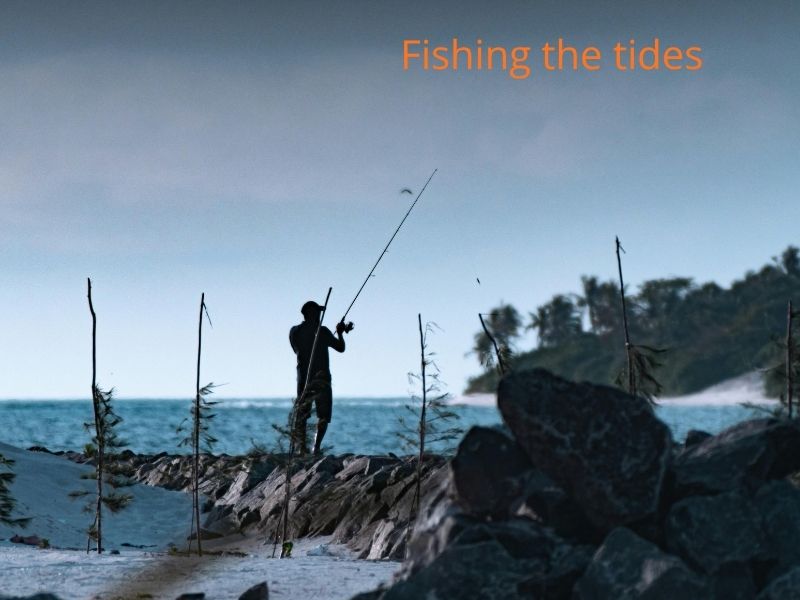
    Click here for Florida Fish and Wildlife.

    Visit Florida for additional Fishing tips.

    Whether you’re casting from a neighborhood pond, walking onto a public pier, paddling a kayak through a quiet estuary, or running offshore in search of trophy fish, Florida’s waters offer unforgettable adventures throughout the summer.

    Tight lines, safe travels, and enjoy your next fishing trip with Florida’s Fun!

  • Florida Fishing Report June 2026The Complete Guide to Saltwater and Freshwater Fishing Across Florid

    Florida Fishing Report June 2026The Complete Guide to Saltwater and Freshwater Fishing Across Florid

    Florida Fishing Report June 2026

    The Florida Fishing Report June 2026 shows why June is one of the best fishing months of the year across the Sunshine State. Water temperatures have reached summer levels, baitfish are abundant, offshore species are active, and freshwater fisheries are producing excellent action. Whether you fish from the beach, a pier, a kayak, a flats boat, or a large offshore vessel, the Florida Fishing Report June 2026 provides opportunities from Pensacola to Key West and from Jacksonville to Naples.

    June is a transition month when summer fishing patterns become established. Early mornings and late evenings often provide the most productive fishing windows, while afternoon thunderstorms can create temporary changes in fish behavior.

    For the Ultimate guide to fishing click here

    Florida June Weather and Water Temperature Guide

    RegionAverage HighAverage LowAverage Water Temperature
    Florida Panhandle88°F72°F82°F-84°F
    Northeast Florida88°F70°F80°F-82°F
    Central Atlantic Coast89°F73°F81°F-83°F
    Tampa Bay & Gulf Coast90°F74°F84°F-86°F
    Southwest Florida91°F75°F85°F-86°F
    Florida Keys89°F79°F84°F-86°F

    Florida waters generally range from approximately 80°F on parts of the Atlantic Coast to 86°F in Southwest Florida and the Florida Keys during June.

    Florida Panhandle Fishing Report June 2026

    Destin, Pensacola, Panama City, Apalachicola

    Offshore Fishing

    The Florida Fishing Report June 2026 indicates outstanding offshore opportunities in the Panhandle.

    Target Species

    • Red Snapper
    • Amberjack
    • Mahi-Mahi
    • King Mackerel
    • Grouper
    • Vermilion Snapper

    The 2026 Gulf Red Snapper season is open during June and provides one of the state’s top offshore fishing opportunities.

    Rod and Reel Setup

    • 7-foot heavy conventional rod
    • 6000-8000 size spinning reel
    • 50-65 lb braided line
    • 60-80 lb fluorocarbon leader

    Best Baits

    • Live pinfish
    • Cigar minnows
    • Squid
    • Cut bait

    Inshore Fishing

    Target:

    • Speckled Trout
    • Redfish
    • Flounder
    • Spanish Mackerel

    Best Lures

    • Topwater plugs
    • Soft plastic paddle tails
    • Gold spoons
    • Shrimp under popping corks

    Northeast Florida Fishing Report June 2026

    Jacksonville, St. Augustine, Fernandina Beach

    Bass Fishing in Orange county Florida is a great thing to do

    The Florida Fishing Report June 2026 shows strong action around the St. Johns River and Atlantic beaches.

    Beach Fishing

    June beach anglers can expect:

    • Whiting
    • Pompano
    • Black Drum
    • Sharks
    • Tarpon

    Recommended Setup

    • 10-12 foot surf rod
    • 5000-8000 size spinning reel
    • 20-30 lb braid

    Best Baits

    • Sand fleas
    • Shrimp
    • Cut mullet
    • Fish bites

    Inshore Fishing

    Target:

    • Redfish
    • Trout
    • Flounder
    • Tarpon

    Techniques

    • Live shrimp beneath popping corks
    • Soft plastics around oyster bars
    • Topwater plugs at sunrise

    Central Atlantic Coast Fishing Report June 2026

    Daytona Beach, Cocoa Beach, Sebastian Inlet

    June is prime time for tarpon migration.

    The spring fishing report click here.

    Top Species

    • Tarpon
    • Snook
    • Jack Crevalle
    • Redfish
    • Tripletail

    Rod and Reel Combination

    • 7’6″ medium-heavy spinning rod
    • 5000-6000 size reel
    • 30-50 lb braid

    Best Baits

    • Live mullet
    • Threadfin herring
    • Crabs
    • Pinfish

    Best Techniques

    • Drift fishing passes
    • Sight fishing along beaches
    • Live bait around bridges

    Tampa Bay Fishing Report June 2026

    Sunshine Skyway Fishi

    The Florida Fishing Report June 2026 places Tampa Bay among the state’s hottest fisheries.

    Best Species

    • Snook
    • Redfish
    • Speckled Trout
    • Tarpon
    • Mangrove Snapper

    Recommended Setup

    • 7-foot medium-heavy spinning rod
    • 4000 size spinning reel
    • 15-20 lb braid

    Best Lures

    • DOA Shrimp
    • Paddle tails
    • Topwater walkers
    • Jerk baits

    Best Baits

    • Live shrimp
    • Greenbacks
    • Pinfish

    Southwest Florida Fishing Report June 2026

    Ultimate guide to Manatee county

    Sarasota, Bradenton, Anna Maria Island, Fort Myers, Naples

    June is one of the best months for inshore fishing along Florida’s Gulf Coast.

    Top Targets

    • Tarpon
    • Snook
    • Redfish
    • Trout
    • Permit

    Tarpon Fishing

    Massive tarpon schools move along beaches.

    Best Equipment

    • 7’6″ heavy spinning rod
    • 6000-8000 reel
    • 50 lb braid

    Best Tarpon Baits


    Southwest Florida Fishing Report June 2026

    Sarasota, Bradenton, Anna Maria Island, Fort Myers, Naples

    June is one of the best months for inshore fishing along Florida’s Gulf Coast.

    Top Targets

    • Tarpon
    • Snook
    • Redfish
    • Trout
    • Permit

    Tarpon Fishing

    Massive tarpon schools move along beaches.

    Best Equipment

    • 7’6″ heavy spinning rod
    • 6000-8000 reel
    • 50 lb braid

    Best Tarpon Baits

    • Live crabs
    • Threadfin herring
    • Pass crabs
    • Live mullet

    Fly Fishing

    June is also excellent for:

    • Tarpon
    • Redfish
    • Snook
    • Permit

    Florida Keys Fishing Report June 2026

    Fishing in the Keys

    The Florida Fishing Report June 2026 shows world-class fishing throughout the Keys.

    Offshore Species

    • Mahi-Mahi
    • Tuna
    • Wahoo
    • Sailfish
    • Marlin

    Reef Species

    • Yellowtail Snapper
    • Mutton Snapper
    • Grouper

    Flats Species

    • Bonefish
    • Permit
    • Tarpon

    Best Offshore Setup

    • 20-30 lb trolling rods
    • 6000-10000 size reels

    Best Offshore Baits

    • Ballyhoo
    • Squid
    • Trolling skirts
    • Live pilchards

    Water temperatures in the Keys typically reach the mid-80s during June.

    Florida Freshwater Fishing Report June 2026

    The Florida quarterly fishing report
    Kayak Fishing gets you into some great fishing spots

    Lake Okeechobee

    Target Species

    • Largemouth Bass
    • Crappie
    • Bluegill

    Best Bass Lures

    • Frogs
    • Swim jigs
    • Texas-rigged worms
    • Lipless crankbaits

    Rod Setup

    • 7’3″ medium-heavy baitcasting rod
    • 7.1:1 baitcasting reel
    • 40-50 lb braid

    St. Johns River

    Species

    • Largemouth Bass
    • Bluegill
    • Shellcracker
    • Catfish

    Best Techniques

    • Topwater fishing at dawn
    • Flipping vegetation
    • Worm fishing around docks

    Central Florida Lakes

    Swimming in Florida springs are one of the things to do in Orange county Florida

    June Hot Spots

    • Toho
    • Kissimmee
    • Harris Chain
    • Istokpoga

    Best Baits

    • Wild shiners
    • Plastic worms
    • Frogs
    • Spinnerbaits

    Beach Fishing in June

    The Florida Fishing Report June 2026 highlights beach fishing as one of the easiest ways to catch fish.

    Common Species

    • Pompano
    • Whiting
    • Tarpon
    • Sharks
    • Spanish Mackerel

    Recommended Surf Setup

    • 10-12 foot surf rod
    • 5000-8000 reel
    • 20 lb braid

    Pier Fishing in June

    Popular June catches include:

    • Spanish Mackerel
    • Kingfish
    • Pompano
    • Sheepshead
    • Tarpon

    Recommended Setup

    • 8-foot spinning rod
    • 4000-5000 reel

    Kayak Fishing in June

    Kayak anglers excel in:

    • Tampa Bay
    • Sarasota Bay
    • Indian River Lagoon
    • Florida Keys

    Top Species

    • Redfish
    • Snook
    • Trout
    • Tarpon

    Boat Fishing in June

    Inshore Boats

    Target:

    • Redfish
    • Snook
    • Trout

    Offshore Boats

    Target:

    • Red Snapper
    • Mahi-Mahi
    • Tuna
    • Grouper

    Florida Fishing Regulations for June 2026

    Before fishing, anglers should verify current regulations with the Florida Fish and Wildlife Conservation Commission because seasons, bag limits, and size limits can change. Florida requires licenses for most freshwater and saltwater fishing activities, and anglers should review species-specific rules before harvesting fish. The Fish Rules app and FWC regulations provide the most current information.

    For current Florida Fishing regulations click here on the FWC website.

    Important June regulations include:

    • Florida freshwater fishing license required for most freshwater anglers.
    • Florida saltwater fishing license required for most saltwater anglers.
    • Red Snapper regulations vary by region and season.
    • Snook, Redfish, Tarpon, Grouper, and Snapper have species-specific regulations.
    • Always verify current limits before harvesting fish.

    Final Florida Fishing Report June 2026 Outlook

    The Florida Fishing Report June 2026 forecasts excellent fishing opportunities statewide. Tarpon dominate Gulf Coast beaches, red snapper fishing is strong offshore in the Gulf, mahi-mahi are plentiful offshore in South Florida, snook and redfish are feeding aggressively in the estuaries, and largemouth bass remain active across Florida’s lakes and rivers.

    Whether you fish from a beach, pier, kayak, flats skiff, bass boat, or offshore vessel, June is one of the most productive months of the year to fish Florida’s diverse waters. Plan around early morning and evening tides, carry plenty of water, monitor afternoon weather, and always check current Florida regulations before heading out.
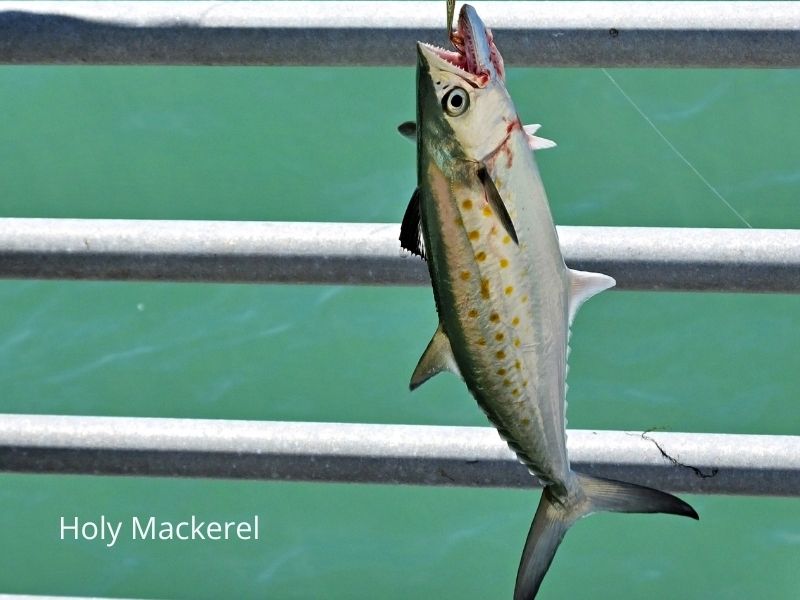

  • Best Things to Do in Orange County Florida in 2026: Ultimate Orlando Travel Guide

    Best Things to Do in Orange County Florida in 2026: Ultimate Orlando Travel Guide

    FloridaSFun.com — The Complete Guide

    Things to do in Orange County, Florida: Everything You Need to Know

    History · Fishing · Golf · Theme Parks · Pro Sports · Nightlife · Colleges & More

    Because of its central location there are so many things to do in Orange County, Florida as it sits at the geographic and cultural heart of the Sunshine State.

    map of Orange County Florida to find places to go and things to do in Orange county Florida
    Map of Orange county Florida

    Home to the City of Orlando — one of the most visited destinations on Earth — this sprawling Central Florida county offers far more than theme park thrills. It delivers a rich tapestry of natural beauty, outdoor adventure, vibrant nightlife, world-class golf, collegiate energy, and a warm subtropical climate that beckons visitors year-round. Whether you’re planning your first trip or you’ve been coming for decades, this guide covers every angle of what makes Orange County one of the most extraordinary places in the United States.


    Section 01

    The History of Orange County, Florida

    Long before tourists lined up for roller coasters, Orange County was inhabited by the Timucua and later the Seminole people, who thrived among the county’s dozens of spring-fed lakes and dense hardwood hammocks. Spanish explorers passed through Central Florida in the early 1500s, but permanent European settlement came slowly due to the region’s remoteness and the fierce Seminole Wars (1817–1858), which shaped the landscape of settlement across the entire state.

    Orange County was formally established on January 6, 1845 — the same year Florida achieved statehood — carved out of the older Mosquito County. It was originally named Mosquito County (a name nobody was sad to shed), then briefly St. Lucie County, before finally receiving the name Orange County in 1845, a nod to the citrus groves that would define its economy for the next century. The county seat, Orlando, was incorporated as a town in 1875, named, according to popular legend, after Orlando Reeves, a soldier killed by Seminoles near the area.

    The late 19th century brought the railroads — first Henry Plant’s South Florida Railroad in 1880 — which opened the interior to settlers, winter tourists, and the citrus industry. Orange groves stretched for miles, and the county became one of the most productive citrus regions in the world. Catastrophic freezes in 1894–95 and again in the 1980s would eventually push citrus farming further south, but for decades it was king.

    The 20th century brought dramatic transformation. World War II placed a large military presence in the region, with bases that would later evolve into civilian airports and research corridors. The real watershed moment came on October 1, 1971, when Walt Disney World opened its doors in neighboring Orange County, instantly reordering the county’s economy, population, and cultural identity. That single event triggered the most sustained period of growth any Florida county has ever experienced, and Orange County has never looked back.

    “Walt Disney World’s 1971 opening didn’t just build a theme park — it built an entirely new city around it, reshaping Orange County forever.”


    Section 02

    THINGS TO DO IN ORANGE COUNTY FLORIDA

    Population Growth: From Frontier to Metropolis

    Few counties in America tell a growth story as dramatic as Orange County’s. In 1900, the entire county held fewer than 9,000 souls. By 1950 it had grown modestly to around 114,000. Then Disney arrived.

    YearPopulationNotable Driver
    1900~8,900Citrus agriculture
    1950~114,000Post-WWII migration
    1970~344,000Pre-Disney boom
    1980~471,000Disney effect kicks in
    1990~677,000Tourism infrastructure expansion
    2000~896,000Theme park & tech growth
    2010~1,145,000Suburban sprawl, UCF growth
    2020~1,429,000Remote work migration
    2025 (est.)~1,550,000+Continued in-migration from NE/Midwest

    Today Orange County is the 10th most populous county in the United States and the most populous in Florida. The greater Orlando Metropolitan Statistical Area — which includes Orange, Osceola, Seminole, and Lake counties — surpasses 3 million people. The county adds roughly 50,000 new residents per year, driven by a combination of tourism industry jobs, a booming technology and healthcare sector, and retirees seeking warm weather and a lower cost of living compared to Northeast states.

    For more information on Orlando Florida click here.


    Section 03

    Average Temperatures Month by Month

    Orange County enjoys a humid subtropical climate with long, hot, wet summers and mild, dry winters. Afternoon thunderstorms are nearly a daily occurrence from June through September. The “dry season” runs from October through May and represents the most comfortable time weather-wise.

    MonthAvg High (°F)Avg Low (°F)Rainfall (in.)Notes
    January72°49°2.3″Cool, dry — great for outdoors
    February74°51°2.6″Still mild, low humidity
    March79°55°3.2″Spring break season begins
    April84°60°2.0″Warm, low humidity — peak comfort
    May90°66°3.3″Heating up, afternoon storms start
    June92°72°7.4″Rainy season begins in earnest
    July93°74°7.3″Hottest month; daily storms
    August93°74°6.8″Similar to July, high humidity
    September90°72°5.9″Hurricane season peak
    October84°64°2.9″Weather cools; fall foliage hints
    November77°56°2.1″Excellent outdoor weather returns
    December72°50°2.4″Holiday season, comfortable temps

    Section 04

    Fishing in Orange County: Where to Go, What to Catch & How to Catch Them

    Bass Fishing in Orange county Florida is a great thing to do

    Orange County is a freshwater fishing paradise. Dotted with more than 100 lakes and laced with the Wekiva River, Econlockhatchee River, and Little Econ River, the county offers world-class largemouth bass fishing alongside crappie, bluegill, catfish, and trophy-sized chain pickerel. Florida holds multiple world records in largemouth bass, and Orange County waters are where serious anglers come to chase those giants.

    The Ultimate guide to Fishing in Florida click here.

    Top Freshwater Fishing Spots

    Lake Conway Chain

    A connected chain of five lakes in Southeast Orlando. Legendary for trophy largemouth bass and large crappie populations. Public boat ramp access available.

    Lake Tohopekaliga (Lake Toho)

    Technically on the Orange/Osceola border, this iconic bass lake hosts professional fishing tournaments and produces 10+ pound largemouth bass regularly.

    Lake Apopka

    Northwest of Orlando. Once polluted, now recovering and improving rapidly. Excellent bass, crappie, and bluegill. Wildlife Drive offers bank fishing along restored marshes.

    Wekiva River

    A spring-run river in northern Orange County. Crystal-clear water loaded with bass, bream, and chain pickerel. No motorized boats in some stretches — kayak or canoe fishing is ideal.

    Lake Underhill

    Centrally located with easy access. Good numbers of bass and panfish. Popular with bank anglers and kayak fishers.

    Lake Jessamine

    A quieter lake in South Orange County near Kissimmee. Less pressure means bigger, less-educated bass. Great for sight fishing in spring.

    Month-by-Month Fishing Calendar

    MonthBest SpeciesTop TechniqueHot Bait / Lure
    JanuaryBass, CrappieSlow presentations near structureJigs, live shiners, crappie jigs
    FebruaryBass (pre-spawn!)Shallow flats, near grass bedsSwimbaits, 10″ worms, live wild shiners
    MarchLargemouth Bass (spawn)Sight fishing on bedsNed rigs, Senkos, soft plastics
    AprilBass (post-spawn), BluegillTopwater early morningHollow-body frogs, poppers, crickets
    MayBluegill, ShellcrackerBottom fishing near bedsRed worms, crickets, beetle spins
    JuneBass, CatfishDeep structure, night fishingRattletraps, cut bait, chicken liver
    JulyPeacock Bass (canals)Aggressive reaction baitsLoud topwater, spinnerbaits
    AugustChain Pickerel, BassEdge of vegetationFlashy spoons, weedless soft plastics
    SeptemberLargemouth BassCover fishing, flippingTexas-rigged creature baits, punch rigs
    OctoberBass, CrappieTransition points, moving to shallowsJerkbaits, crankbaits, tube jigs
    NovemberBass, CrappieDocks and submerged timberCrappie jigs, small swimbaits
    DecemberBass, CrappieSlow, deep structureDrop shots, live shiners, hair jigs

    Gear Guide: Rods, Reels, Line, Hooks & Bait

    Essential Tackle for Orange County Freshwater Fishing

    • Bass Spinning Setup: 7′ medium-light rod, 2500-series reel, 10–15 lb fluorocarbon — ideal for finesse techniques like drop shots and Ned rigs.
    • Bass Baitcasting Setup: 7’3″ heavy rod, low-profile baitcaster, 17–20 lb fluorocarbon or 50–65 lb braid — for flipping heavy cover and frog fishing.
    • Live Shiner Rig: Heavy spinning or baitcasting outfit, 20–25 lb monofilament, 5/0–6/0 Owner or Gamakatsu live bait hooks, no weight (free-lined) or large bobber. This is THE premier big bass technique on Florida lakes.
    • Crappie Setup: 5’6″ ultralight spinning rod, 4–6 lb monofilament, 1/32–1/8 oz jig heads with 1.5″ tube or paddle tail bodies.
    • Catfish Setup: Medium-heavy spinning rod, 20 lb mono, #2–2/0 circle hooks, slip sinker rig — chicken liver, cut shad, or stink bait on the bottom.
    • Top Wild-Caught Bait: Wild-caught golden shiners from local bait shops are the single most effective bait for trophy largemouth bass in Central Florida. Ask local shops like Bass Pro or Lake Toho Bait for shiners early in the morning.

    Pro Tip: Florida requires a freshwater fishing license for anyone 16 and older. Annual resident licenses are available cheaply through the Florida Fish and Wildlife Conservation Commission (FWC), and many bait shops sell them on-site. Guided bass fishing trips are available on most major lakes — a knowledgeable local guide will triple your catch rate.


    Section 05

    Golf in Orange County: Best Public & Private Courses

    ONE OF THE BEST THINGS TO DO IN ORANGE COUNTY FLORIDA IS PLAY GOLF

    Orange County and the surrounding Orlando area constitute one of the premier golf destinations in the world, with more than 170 courses within an hour’s drive of downtown Orlando. The combination of year-round warm weather, flat terrain with dramatic water features, and massive tourism infrastructure has made Central Florida a golfer’s paradise at every level.

    Best Public Courses

    Orange County National Golf Center

    Winter Garden — 54 holes across three courses (Panther Lake, Crooked Cat, Tooth). Consistently ranked among the top public golf destinations in the U.S. Home to elite PGA Tour development events.

    Timacuan Golf Club

    Lake Mary — Ron Garl design known for its lush rolling terrain and pristine conditioning. Outstanding value and consistently rated among Florida’s top public courses.

    MetroWest Golf Club

    West Orlando — Robert Trent Jones Sr. design with dramatic water features. Walking distance of the Universal corridor, making it a favorite for golf-and-theme-park trip combos.

    Celebration Golf Club

    Adjacent to Walt Disney World — scenic, well-maintained, and a local favorite for twilight rounds. Good for all skill levels.

    Notable Private Courses

    Bay Hill Club & Lodge

    Arnold Palmer’s historic Orlando home course and site of the annual Arnold Palmer Invitational — one of the most storied PGA Tour events. Private, but golf packages through the lodge offer access.

    Isleworth Golf & Country Club

    Exclusive private club on the Butler Chain of Lakes. Home course to multiple PGA Tour professionals. World-class conditioning and design.

    Interlachen Country Club

    Winter Park — one of Florida’s oldest and most prestigious clubs, established in 1912. Classic design with old Florida character.

    Professional Golf Tournaments

    The Arnold Palmer Invitational presented by Mastercard at Bay Hill Club & Lodge is the crown jewel of Orlando golf, drawing the world’s top PGA Tour players every March. The event honors the King himself and typically features a stacked leaderboard with major champions. Orange County National has hosted multiple PGA Tour University and Korn Ferry Tour events, serving as a proving ground for tomorrow’s major champions. The adjacent Lake Nona Golf & Country Club — a private Tiger Woods design — has also hosted elite international competitions.


    Section 06

    Pro Sports in Orange County

    🏀 Orlando Magic (NBA)

    Central Florida’s flagship pro franchise, playing at Kia Center in downtown Orlando. The Magic have a rich history including NBA Finals appearances and legendary players like Shaquille O’Neal and Penny Hardaway.

    ⚽ Orlando City SC (MLS)

    Major League Soccer club playing at Inter&Co Stadium — one of the most soccer-specific venues in the MLS. The Lions have a devoted local fanbase and are perennial playoff contenders.

    ⚽ Orlando Pride (NWSL)

    The NWSL franchise affiliated with Orlando City SC. Plays at Inter&Co Stadium and has drawn top international talent, building a growing fanbase in a soccer-passionate city.

    🏒 Orlando Solar Bears (ECHL)

    Professional ice hockey at Kia Center — a surprisingly popular sport in warm-weather Orlando. The Solar Bears have won multiple Kelly Cup championships.

    Orange County also hosts spring training action nearby and has hosted NFL Pro Bowl events at Camping World Stadium. College sports — particularly UCF Knights football — draw enormous crowds and generate intense local enthusiasm comparable to professional franchises.


    Section 07

    Theme Parks, Attractions & Things to Do

    Orange County is the theme park capital of the world. No destination on Earth concentrates this much entertainment infrastructure in one place. But beyond the parks, the county is rich with natural, cultural, and culinary experiences.

    World-Class Theme Parks

    Walt Disney World Resort

    EPCOT AT NIGHT IS ONE OF THE THINGS TO DO IN ORANGE COUNTY FLORIDA

    Four theme parks (Magic Kingdom, EPCOT, Hollywood Studios, Animal Kingdom), two water parks, Disney Springs, and dozens of resort hotels. A destination unto itself.

    Disney World click here.

    Universal Orlando Resort

    Universal Studios Florida, Islands of Adventure, and the new Epic Universe (opened 2025) — home to The Wizarding World of Harry Potter and some of the most intense attractions on Earth.

    SeaWorld Orlando

    Marine life shows, Mako (one of Florida’s fastest coasters), Aquatica water park, and Discovery Cove for a private swim-with-dolphins experience.

    LEGOLAND Florida

    Located in nearby Winter Haven, ideal for families with children ages 2–12. Built on the grounds of the historic Cypress Gardens.

    Beyond the Parks

    The Wekiwa Springs State Park offers swimming in 68°F spring water, kayaking, hiking, and some of the best wildlife watching in Central Florida — a perfect antidote to theme park crowds. The Orlando Science Center in Loch Haven Park delivers four floors of interactive exhibits. Winter Park’s Park Avenue is a charming upscale street of boutiques, galleries, and restaurants ideal for a relaxed afternoon. The Charles Hosmer Morse Museum of American Art houses the world’s most comprehensive collection of Louis Comfort Tiffany art. For nature lovers, the Tibet-Butler Preserve, Orlando Wetlands Park, and the Little Big Econ State Forest offer hiking, birding, and paddling within minutes of downtown.


    Section 08

    Where to Stay in Orange County

    Things to dp in Orange county Floridais visit dpwntown Orlando
    Downtown Orlando Florida

    Accommodation choices span every budget and style. The Disney Resort Hotels (Grand Floridian, Polynesian, Wilderness Lodge, and others) offer immersive themed stays with unbeatable park access. Universal’s on-site hotels — including the iconic Hard Rock Hotel Orlando — include Express Pass benefits. For luxury seekers, the Four Seasons Resort Orlando at Walt Disney World features a Tom Fazio-designed golf course and the area’s finest dining. The Ritz-Carlton Orlando at Grande Lakes and JW Marriott Orlando at Grande Lakes share 500 acres with a Greg Norman-designed golf course and a world-class spa. Budget travelers are served by a vast network of value hotels along International Drive (I-Drive) and US-192, many within minutes of the parks. Short-term rentals through platforms like VRBO and Airbnb are enormously popular in Orange County, particularly for larger groups and extended stays.


    Section 09

    Nightlife in Orange County

    When the sun goes down, Orange County’s entertainment scene heats up. Downtown Orlando’s Church Street and Wall Street Plaza districts anchor the city’s bar and club scene, with live music, craft cocktails, and rooftop venues drawing locals and tourists alike. The Mills 50 District — Orlando’s most eclectic neighborhood — is packed with independent bars, Vietnamese restaurants open late, and artsy venues. Thornton Park offers a more sophisticated scene with wine bars and upscale gastropubs surrounding Lake Eola. International Drive comes alive after dark with entertainment venues, dinner shows like the Outta Control Magic Comedy Dinner Show, and the iconic ICON Park complex. For live music, the Kia Center and host major touring acts, while smaller venues like The Beacham and HOB (House of Blues) at Disney Springs deliver intimate concerts. Disney Springs itself offers evening dining, live performers, and the House of Blues every night of the year.


    Section 10

    Best Time to Visit Orange County, Florida

    🏆 Optimal Windows by Priority

    • January–February: Lowest humidity, mild temps (low 70s°F days), reduced crowds, best hotel rates. Ideal for theme parks and outdoor activities.
    • October–November: Post-summer relief. Beautiful weather, Halloween and Christmas overlays at the parks, manageable crowds after Labor Day.
    • March–April: Spring perfection — warm but not hot, festivals, spring training nearby. Avoid Spring Break weeks if crowds are a concern.
    • Avoid June–August if possible: Extreme heat (93°F+), daily thunderstorms, and peak crowds. That said, hotels offer better rates mid-week in summer.

    Section 11

    Colleges & Universities in Orange County

    Orange County is a significant higher education hub, anchored by one of the largest universities in the nation.

    University of Central Florida (UCF)

    With over 70,000 students, UCF is one of the largest universities in the United States. Located in East Orlando, it offers 230+ degree programs and a nationally competitive NCAA athletics program (Go Knights!). UCF has been recognized for innovation, engineering, hospitality, and simulation/gaming programs.

    Valencia College

    The nation’s top-ranked community college multiple times over. With campuses across Orange and Osceola counties, Valencia serves 45,000+ students and has exceptional transfer pathways to UCF.

    Rollins College

    Located in charming Winter Park on the shores of Lake Virginia, Rollins is a prestigious liberal arts college with a beautiful lakeside campus and a strong reputation in business and the humanities.

    Full Sail University

    Winter Park — nationally recognized for film, music production, game design, and entertainment media programs. Highly career-focused with strong industry connections.


    Section 12

    Orange County Florida: Questions & Answers

    What is the best month to visit Orange County Florida for weather?

    January and February are widely considered the best months for weather in Orange County. Average highs hover in the low-to-mid 70s°F with low humidity and minimal rainfall, making outdoor activities, theme park visits, and fishing all exceptionally pleasant.

    What is the most popular freshwater fish to catch in Orange County?

    Largemouth bass is the star species. Florida-strain largemouth bass grow larger than their northern counterparts and Orange County lakes like the Conway Chain, Lake Apopka, and the Butler Chain regularly produce bass exceeding 8–10 pounds. Crappie (also called speckled perch or “specks”) and bluegill are the most popular panfish targets.

    Do I need a fishing license in Orange County Florida?

    Yes. Any angler 16 years or older must have a valid Florida freshwater fishing license. Licenses can be purchased online through the Florida Fish and Wildlife Conservation Commission (FWC) website, at Walmart, Bass Pro Shops, or most local bait shops. Non-resident licenses are available in 3-day, 7-day, and annual formats.

    What professional sports teams play in Orange County?

    Orange County’s major professional sports franchises include the Orlando Magic (NBA basketball), Orlando City SC (Major League Soccer), the Orlando Pride (NWSL women’s soccer), and the Orlando Solar Bears (ECHL professional hockey). All events draw large crowds and contribute to the county’s vibrant entertainment culture.

    Which golf course in Orange County hosts a PGA Tour event?

    Bay Hill Club & Lodge hosts the annual Arnold Palmer Invitational presented by Mastercard each March. It is one of the most prestigious events on the PGA Tour calendar. Orange County National Golf Center has also hosted multiple Korn Ferry Tour (PGA Tour’s developmental circuit) events.

    What is the largest university in Orange County Florida?

    The University of Central Florida (UCF) is not only the largest university in Orange County but one of the largest in the entire United States, with an enrollment exceeding 70,000 students across its main campus in East Orlando and satellite campuses throughout the region.

    What is the population of Orange County Florida in 2025?

    Orange County’s population is estimated at over 1.55 million residents as of 2025, making it the most populous county in Florida and one of the fastest-growing in the nation. The greater Orlando metropolitan area, which surrounds Orange County, exceeds 3 million people.

    Visit Florida Orlando page click here.

    What are the best theme parks in Orange County Florida?

    Orange County is home to Walt Disney World Resort (four theme parks), Universal Orlando Resort (including the new Epic Universe which opened in 2025), SeaWorld Orlando, and Discovery Cove. It is widely regarded as the theme park capital of the world, with more concentrated major parks than any other region on Earth.

    When do largemouth bass spawn in Orange County Florida?

    Florida largemouth bass typically spawn earlier than northern fish, beginning their pre-spawn movement in January and February when water temperatures rise into the upper 50s and low 60s°F. Peak spawning activity occurs in late February through March, when bass move into shallow water to build nests. This is the most celebrated time to fish sight fishing on beds in Orange County’s clear-water lakes.

    Is Orange County Florida good for family vacations?

    Swimming in Florida springs are one of the things to do in Orange county Florida

    Orange County is arguably the world’s premier family vacation destination. Between the theme parks, freshwater springs, nature preserves, beaches within an hour’s drive, diverse restaurants, and an incredible range of hotels for every budget, it offers virtually unlimited family-friendly activities. The dry winter and spring months (October through April) are ideal for families with school-age children to visit.

    © 2025 FloridaSFun.com — Your Guide to the Sunshine State’s Best Experiences

    All information is provided for general reference. Fishing regulations, park hours, and sports schedules change seasonally — always verify with official sources before you

  • Florida Fishing Report May 2026: Best Fish, Spots & Expert Tips

    Florida Fishing Report May 2026: Best Fish, Spots & Expert Tips

    🌴 Introduction: Why May Is One of the Best Fishing Months in Florida

    May is when Florida fishing truly hits its stride. As water temperatures climb into the mid-70s and low 80s, fish become highly active, baitfish flood the shallows, and major migrations peak across the state. Because of this, anglers experience some of the most consistent action of the entire year.

    Not only does May offer incredible saltwater opportunities—from tarpon along the beaches to snapper offshore—but it also delivers excellent freshwater fishing. Largemouth bass move into post-spawn feeding patterns, while panfish like bluegill and shellcracker become aggressive.

    Therefore, whether you are fishing the Panhandle, Central Gulf Coast, Atlantic Coast, Southwest Florida, or the Florida Keys, May provides unmatched variety and opportunity.

    In this complete Florida May 2026 fishing report, you will learn:

    • What fish are biting statewide
    • The best places to fish from north to south
    • Proven techniques, rods, and bait
    • Freshwater and saltwater strategies
    • What you need to bring for success

    🐟 What’s Biting in Florida in May 2026

    🌊 Saltwater Fishing in May

    May is peak season for many of Florida’s most sought-after saltwater species. As a result, both inshore and offshore fishing are highly productive.

    🎯 Top Saltwater Species:

    • Tarpon (PEAK migration)
    • Snook (spawning near passes & beaches)
    • Redfish (flats & mangroves)
    • Speckled Trout (grass flats)
    • Spanish & King Mackerel
    • Cobia (still active early May)
    • Pompano (late-season runs)
    • Snapper (mangrove & yellowtail)
    • Grouper (offshore structure)

    🧠 Key Insight:

    Because baitfish schools are abundant, predator fish are feeding aggressively. Therefore, matching your bait to local forage dramatically increases success.

    🐠 Freshwater Fishing in May

    Although April is known for spawning, May transitions into a powerful feeding phase for freshwater species.

    🎯 Top Freshwater Species:

    • Largemouth Bass (post-spawn feeding)
    • Bluegill & Shellcracker (spawning beds)
    • Crappie (deeper structure)
    • Catfish

    🧠 Key Insight:

    Bass are often found near vegetation edges and drop-offs, while panfish gather in large spawning colonies—making them easy targets.

    📍 Best Places to Fish in Florida (May Regional Breakdown)


    🟦 Florida Panhandle (Pensacola, Destin, Panama City)

    https://images.openai.com/static-rsc-4/CKxzdHsPipJCAdTqLQ3ssHPTnpGuPk5-kH0UliV3UJCyNH5WtELmiUwAWINsTwkTKcKpZo9fYsLwurqDlYyI7HN-j3Y03_09LpAt-cXLtEGpbmSzzfVund7z4tvIDNak0qtd45Yp9tY94ONjTd96rV7bSRrglDjQyR3LI5JkEOq5_pCNP--hiGg73x4rIy1X?purpose=fullsize
    https://images.openai.com/static-rsc-4/_6YYWZlsKGiP4SUyfSf-y3VX94aGj15E4m4oYJyGBVXQhs07WKyJGCaHUyD_GufIPTPhbX7yWYNwcRHuzLSWsBmUOR3lwxhBrfwFh8Ni2JKunQPp4zZGCxBa_uUpbq12sZOK7dH1YNbuF9Qkwb8NOKqwDoSaf8DhWtmg-Ic8TN59M5i9TrCw6g548JB2Vwha?purpose=fullsize
    https://images.openai.com/static-rsc-4/ppMJ9U_VWXTb1E_uWB7iYBjH-94NbaKhYpHZlj7djtfYbwHzJp3Rf3AEICUe98gL666Hvh6Cw9s4haA0rL5qsvVyeyfQs3e5iEaQlrEibq_kaTn2XT2mUePFr61dISOyWNSP0SmcE0dtP4QDnvZWnZ9CJOqzHTrsWNvUw2sAUbkK-n3a3kjDzcBxs9VRPjj3?purpose=fullsize

    6

    🎣 What’s Biting:

    • King Mackerel
    • Spanish Mackerel
    • Red Snapper (seasonal windows)
    • Grouper
    • Pompano

    ⚙️ Techniques:

    • Trolling live bait for kingfish
    • Bottom fishing with cut bait for snapper/grouper
    • Surf fishing with sand fleas or shrimp

    📍 Top Spots:

    • Destin Pass
    • Pensacola Beach Pier
    • Offshore reefs and wrecks

    👉 In May, nearshore waters come alive with baitfish, drawing in larger predators.

    🟩 Northeast Florida (Jacksonville & St. Johns River)

    🎣 What’s Biting:

    • Redfish
    • Speckled Trout
    • Flounder
    • Cobia near shore
    • Spanish Mackerel
    • Ladyfish
    • Largemouth Bass

    ⚙️ Techniques:

    • Live shrimp under popping cork
    • Soft plastics (paddle tails)
    • Topwater early mornings

    📍 Top Spots:

    • St. Johns River
    • Intracoastal Waterway
    • Jacksonville Beach

    👉 Transitioning tides are critical here—focus on moving water for best results.

    🟨 Central West Florida (Tampa, Sarasota, Bradenton)

    https://images.openai.com/static-rsc-4/We8XBO-JmOWVYSkT_0VY56U6F335tK6eaco3Hk2yYPAjfLMJJqddQkGYi5CVOixFzYz-2kAvQ8t-wLdELe0PPmu1aC25RvY3pCH9H9RiSUK-7ztFdDyvUeetQLsUh-gvN6hSNWTG4bHnYhBgXgZsObsx0vTZoy-vTvp6aICNx7MknKkK1HmA8jSX7ztiVhxS?purpose=fullsize
    https://images.openai.com/static-rsc-4/LnQSBifdMJdzo7XSEPxRb83t9_Pqqz9PvOSOQIe7jAA5LL6k3RnqGpYz5o_5Ge6VcAljLbiTvNux9vflRq3PLMp0sIH76svKwHi0hTYoIYMtvyd2tHz7Sfi1lM2iWNEoFN_wPzGycx5yKX9aueY0cTL5xLjeEHSdeBb40R7EyD1BMw6m93GEbCEeB3N2l9u7?purpose=fullsize
    https://images.openai.com/static-rsc-4/ZcdhALTAMxqa3AMuuqlhX7EyYPVy-L20ZJp1wuzyaUpFqUo7kLvjSDPAnk3hNt0vkvKOOx2hH5tPHAI_T-hc5tjBI4CJYax__QOy_s2O9_vIa9zVJkXiOERGgp8le6jk-5RQA-MXr7Q1ki4FN1MNm44aCfUBUfmCqv3LZBTCl7NCj8bkBNvMrZsFaXBjUQWH?purpose=fullsize

    7

    🎣 What’s Biting:

    • Tarpon (arriving in large numbers)
    • Snook (spawning)
    • Redfish
    • Trout
    • Spanish Mackerel

    📍 Featured Location:

    • Tampa Bay
    • Anna Maria Island
    • Venice
    • Palma Sola Bay
    • Sarasota Bay

    ⚙️ Techniques:

    • Live crabs or threadfin herring for tarpon
    • Free-lining pilchards for snook
    • Artificial jerkbaits for trout

    👉 May is PRIME time for targeting tarpon along beaches and passes.

    🟧 Southwest Florida (Naples & Fort Myers)

    🎣 What’s Biting:

    • Tarpon (peak season)
    • Snook
    • Redfish
    • Mangrove Snapper

    📍 Top Spots:

    • Naples Pier
    • Sanibel Island
    • Estero Bay
    • Backcountry mangroves

    ⚙️ Techniques:

    • Live bait (crabs, pinfish)
    • Fly fishing for tarpon
    • Dock and mangrove fishing

    👉 This region offers some of the BEST tarpon fishing in the world during May.

    🟪 Florida Keys

    https://images.openai.com/static-rsc-4/XIF2poIPF11cGzdn5f4AbyYV14Y33KWA0pWNLcg7OPuOTC6LR_-MGhq9St_sOUtjceuyKWZqxFUThEiRFNgGgNGyzNVIXuzZyQij_u8XQv_PJqw_zEVPK69yrmg8HH8nPeZW5yPawkMSrb5_m57nRzS_DVLYiHvAdMYnbjDPKuII2FCurGtqyuOMUYzaVqhC?purpose=fullsize
    https://images.openai.com/static-rsc-4/dhR-rKXVxj17UlprpfjjExCSkIrz5GKegQY7RYqbfM7-lfKWHoeUkY1rV8Xt41R88CndBpdhW2FYgKmc8e-FLzXd_mdwjAXqYRXtFh7BDD8822FD3CNPpHrDn33WI_JSxIeiO5vgdBJ9JltHJGt1ipvUfX-Sitj149o9-gz78TWJyMZLgcoaw2j4Mz2jCf11?purpose=fullsize
    https://images.openai.com/static-rsc-4/YnSSVM6ArZBD0lDAniG5wuqR7oV7-DC4lI3beeXfMUEcyybnjhlPUuvwHwS-39dedNRKpXcUICIJPvMjshb0VwwIiCyDJEVfCw6jXJbxv3Ga8crlr-a5XEy_mIA5mMbUTKNA4g3LgVuWiHZNLvVDeJXn9-c8SOHUPiwisE70Hdwv3bMleph3EAOUoSM6veGT?purpose=fullsize

    6

    🎣 What’s Biting:

    • Tarpon (peak migration)
    • Bonefish
    • Permit
    • Snapper (yellowtail & mangrove)
    • Barracuda

    📍 Top Spots:

    • Islamorada
    • Key West
    • Marathon reefs

    ⚙️ Techniques:

    • Sight fishing on flats
    • Chumming reefs for snapper
    • Live bait drifting

    👉 The Florida Keys provide unmatched diversity and world-class fishing in May.

    🎯 Best Fishing Techniques for May

    🪝 Inshore Techniques

    • Live shrimp under popping cork
    • Free-lined bait (pilchards, mullet)
    • Topwater plugs at sunrise

    🚤 Offshore Techniques

    • Trolling live bait for mackerel
    • Bottom fishing reefs
    • Chumming for snapper

    🐟 Freshwater Techniques

    • Texas-rigged worms
    • Spinnerbaits in stained water
    • Topwater frogs near lily pads

    🎣 Best Rods, Reels & Gear Setup

    🟦 Inshore Setup:

    • 7’ Medium spinning rod
    • 2500–4000 reel
    • 10–20 lb braided line

    🟥 Offshore Setup:

    • Heavy rod (6’6”–7’)
    • 6000–8000 reel
    • 30–65 lb braid

    🟩 Freshwater Setup:

    • Medium rod
    • 2000–3000 reel
    • 8–15 lb line

    💡 For tarpon fishing, use heavy tackle with 50–80 lb leader.

    🧰 Best Bait for May Fishing

    🐟 Live Bait:

    • Shrimp
    • Pilchards
    • Threadfin herring
    • Crabs (for tarpon)
    • Pinfish

    🎣 Artificial Lures:

    • Soft plastics
    • Topwater plugs
    • Spoons
    • Jigs

    👉 Live bait is typically most effective in May due to aggressive feeding patterns.

    🧭 What You Need to Bring (Fishing Checklist)

    🎒 Essentials:

    • Florida fishing license
    • Sunscreen
    • Polarized sunglasses
    • Hat & UV clothing

    🎣 Gear:

    • Extra leaders and hooks
    • Variety of lures
    • Cast net

    🚤 Extras:

    • Cooler with ice
    • Fish finder/GPS
    • Plenty of water

    🌊 Best Freshwater Fishing Locations in May

    https://images.openai.com/static-rsc-4/vSFS462xdNlMI-q7NyoDhVeEzjE0sX7vZzvPNgoV5qzlXNJQqYhHpe4BBRSsDtGouSKm5k-vbJZxtkwng_AfZY2UiGyO_kO-yEnm_3E1xcGScfkmLn0SS35V87F7X1FlpWunzM-KsvpdfrVuZLQnXtBB2ULfcyb-oARjkKYdWVWCT6xRFpW-qGzEtQiD0ZqY?purpose=fullsize
    https://images.openai.com/static-rsc-4/EJmApRASZAjql0QHwWFSIQcL1zpUXUDPtz-vXQbozkBCj1d7KYNtxNmTKCNJXJmeA53l9q3XfjIiERjdJEq_H90yHGxzNeDFyaar7BsszmpH7TYVnKH2K23jn7WosPGFdIoJhf4nMHUq4rfQeIkljgaThu3ke5T3qPVr-2B4g3eqxVyZJQ_wh77xAYASNt6J?purpose=fullsize
    https://images.openai.com/static-rsc-4/opFDlF_iXtELBqe_C3wsFwTBTsKnp2bm43iIDupyn-GNH9hA16q4bWSHhq-Se7ep0zJv_rBiraa_4fdXlSiR-ZDi6G-IIgXs8YF1JstBg9r0KpmsdqQvVlOoaoc0y8QO1jZhWmPHoqxqK6IHg8LG7-SvdgK19mcqrXvc4KMjMohvqO40yi8nRz2vzoOoZZa_?purpose=fullsize

    7

    📍 Top Lakes:

    • Lake Okeechobee
    • St. Johns River
    • Harris Chain of Lakes
    • Lake Istokpoga

    👉 These lakes consistently produce trophy bass and large panfish in May.

    ⚠️ Fishing Regulations & Conservation Tips

    Fishing regulations vary by species and region in Florida. Therefore, always check current rules before heading out.
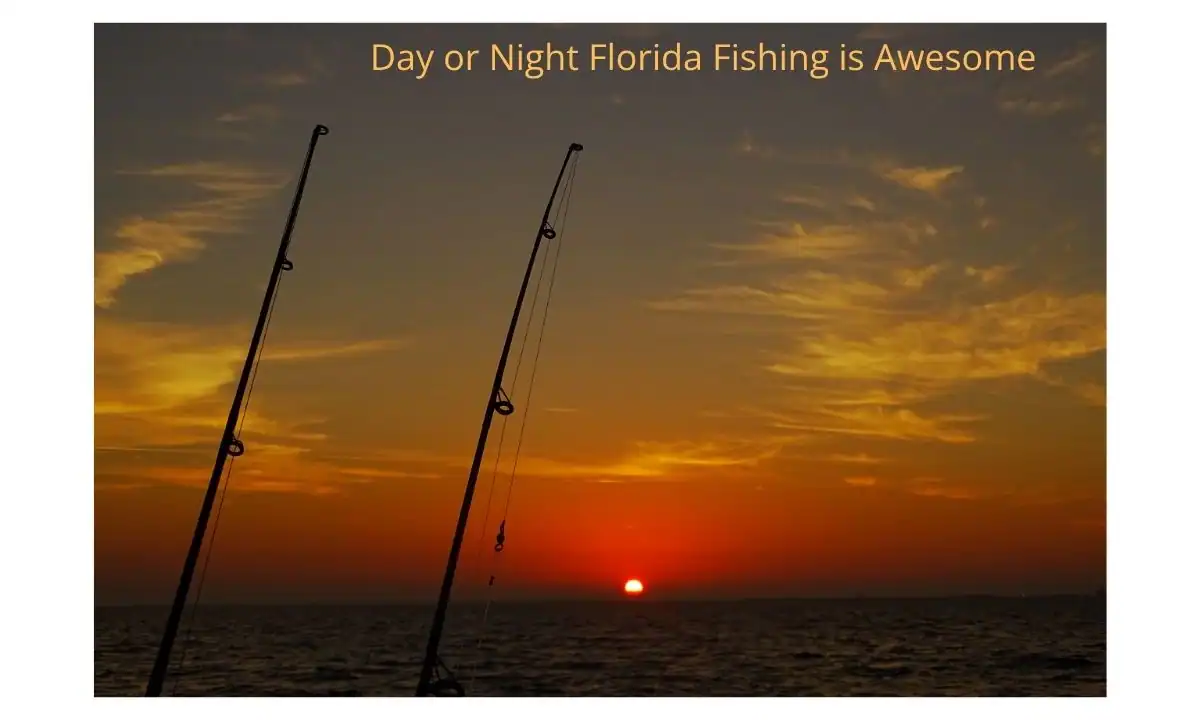
    Additionally:

    • Practice catch and release when appropriate
    • Protect seagrass habitats
    • Follow boating safety guidelines

    🏆 Pro Tips for May Fishing Success

    • Fish early morning or late evening
    • Target baitfish activity
    • Focus on moving tides
    • Adjust bait based on water clarity
    • Stay mobile if fish aren’t biting

    ❓ What is the best fish to catch in Florida in May?

    Tarpon, snook, and redfish are among the top species due to peak feeding and migration patterns.

    ❓ Is May a good month for fishing in Florida?

    Yes, May is one of the BEST months thanks to warm water, active fish, and abundant bait.

    ❓ What bait works best in May?

    Live bait such as shrimp, pilchards, and crabs are most effective.

    ❓ Where is the best place to fish in Florida in May?

    Top areas include Tampa Bay, the Florida Keys, and Lake Okeechobee.

    🌴 Final Thoughts: Why May Fishing in Florida Is Unmatched

    May represents the peak transition into Florida’s summer fishing season. Not only are fish more aggressive, but anglers also benefit from longer days, calmer seas, and incredible diversity.

    From tarpon along the beaches of Anna Maria Island to bass in Lake Okeechobee and snapper in the Florida Keys, opportunities are endless.

    👉 If you want action, variety, and the chance to catch a trophy fish—May is one of the best months to fish Florida.

    https://images.openai.com/static-rsc-4/qvZAIwS5mVl2GCog0QqoP-m4u1cMiPGqWOyADQa9J9ZFSoHkLDPsGusq-dVFSdUa_A7iDRRnutDN9scEGVVnOHXg7C6Rxe4lsJ4HEqZVIv1LNE2volckvEroeyNXbmTilXKbNBeeHeJPey26bvSBkVjQ8uqrt9NIRtFqnug15Yg-N42MD4YwCDaxK6pXq2x0?purpose=fullsize
    https://images.openai.com/static-rsc-4/1vwDjUfWWxiDhoc_OnYRRi4dQmBXsbhgqJfzxd9i4cBHUBbKgQwsgB68iqIQN83kdGtJD2HB2IuzZdOMKxMlKXW2cEoDtcq3pp2m0ZICXoTr3yexOpmOc6N8g0IAuwKz3Em4psFuwEeamG1aqrGfUiwxgjP1zRJQKOJSfrT9t45383Z35cbTG6tLvkkkFQPJ?purpose=fullsize
    https://images.openai.com/static-rsc-4/Ov5koIxkhFgRpts5ocg8HYqJSqtDEOqVt6itMQJVeVGZTwxzw2hGHji_ZBrpjo6i1ozTpKary1haAkUTyIf866Wh1Z482GGJnuG2ErZ2EdTLSAFZmICFZaRQM48LC50ZpoZR_zyHuDvMWxffF25HsH4TGhCjXaIP1BPdJgyjmLcMbjpHNqRJ-Oz8ydpInCvZ?purpose=fullsize
  • 🎣 Florida April Fishing Report 2026: Best Fish to Catch, Where to Go & Proven Techniques

    🎣 Florida April Fishing Report 2026: Best Fish to Catch, Where to Go & Proven Techniques

    https://images.openai.com/static-rsc-4/WCIHql2-TdxAsNI9Ufgvo3JDjlFTnbUWxisbXyAgFA6soDJLG9neTVsYpHGNlsyoNLD9JeOtPYzbVEvPUUrD07lII9jiaIIlHA7ViX82uzpMBs-GTJkPbcHjhYZ5SdSsEHoE77NjWbpf567DyudGVl14Io7gMqNVTIvoWyo_ltTv1D-wDbXUq65umDwC-FEE?purpose=fullsize
    https://images.openai.com/static-rsc-4/ZB0fBCuY1045lrQ1GLQDws8tebRDarKn7LzxKp1ixQJp9lGDPqaXO16K3zG-3bwHTSQYRAVzj67jh-mGUJ0wqC1EvQmyLQRahcEEWhddeYUInmLu5rcOCWl8RwtZt4wAM4EXLS7X7vefECbxOq0mRSWQ4fg3_Cr0JpXvifQ331Q5gKOQvraPlLTGSBRT_oIx?purpose=fullsize
    https://images.openai.com/static-rsc-4/Bmyxq2NRt8IOmPEzV8r8g5GxawKNw7Znm_NyXV1ZTnxyeGU-2CtdkEmpzEko-lfH-qVBncD5dDP7sUmdXCGrri08_spy7kyI4gUI8NS41whg-aV26vJOmzzvVHd7ly7sT_FUYeLW314x2nkaLhcguQyxiXtK7Cax6h0blFCKqHfnLmID0wOO5MhawHORe6gQ?purpose=fullsize

    🌴 Introduction: Why April Is Peak Fishing Season in Florida

    April is one of the most productive fishing months across Florida. As water temperatures stabilize between the upper 60s and mid-70s, fish become more active, aggressive, and predictable. As a result, anglers—from beginners to seasoned pros—experience some of the best action of the year.

    Moreover, April sits at the perfect transition between spring and early summer. Baitfish populations explode, tides become more consistent, and major species begin seasonal migrations. Therefore, whether you are fishing freshwater lakes, inshore flats, offshore reefs, or the open ocean, April provides incredible opportunities statewide.

    In this complete guide, you will learn:

    • What fish are biting in April
    • The best places to fish across Florida
    • Proven techniques, rods, reels, and bait
    • Essential gear and preparation tips
    • Insider strategies to maximize your success

    Check out the Florida Year Round Fishing Guide.

    The Spring Florida Fishing Report.

    🐟 What Fish Are Biting in Florida in April

    🌊 Saltwater Fishing in April

    April delivers some of the most diverse saltwater fishing in the country. Because baitfish are abundant, predator fish feed aggressively and move into shallower waters.

    Always check with FWC for licenses and current regulations.

    🎯 Top Saltwater Species:

    • Snook
    • Redfish
    • Speckled Trout
    • Spanish Mackerel
    • King Mackerel
    • Cobia
    • Pompano
    • Tarpon (early migration)
    • Snapper (mangrove & yellowtail)
    • Grouper (offshore)

    🧠 Key Insight:

    As water warms, species like snook and redfish push into shallow flats, while mackerel and cobia follow bait schools along beaches and nearshore waters.

    🐠 Freshwater Fishing in April

    April is arguably the BEST month for freshwater fishing in Florida. Not only are fish active, but spawning behavior also increases catch rates significantly.

    🎯 Top Freshwater Species:

    • Largemouth Bass (spawn & post-spawn)
    • Crappie (Speckled Perch)
    • Bluegill & Shellcracker
    • Catfish

    🧠 Key Insight:

    Because bass are protecting beds or feeding after spawning, they strike aggressively—making April one of the easiest times to catch trophy bass.

    📍 Best Places to Fish in Florida in April (Region-by-Region Guide)


    🟦 Florida Panhandle (Destin, Pensacola, Panama City)

    https://images.openai.com/static-rsc-4/3poYXATP4_tDGtQWs5kibi_1ZdNxKbo70mb2i0OJxrC9RjObVJQzQk6hcSPfqHlJTRDi67KxwNmIcMAb8xrzWBKn2PROnK0odjcY7JWb9J96bsAKVJC1mp9iDY7zTrnU7vmybLIiXmdDXJYoBT9AOpGXJ1FeWB2WxfktLLYDpcoqFy9XKAi3-Xq_WuA_bcec?purpose=fullsize
    https://images.openai.com/static-rsc-4/ppMJ9U_VWXTb1E_uWB7iYBjH-94NbaKhYpHZlj7djtfYbwHzJp3Rf3AEICUe98gL666Hvh6Cw9s4haA0rL5qsvVyeyfQs3e5iEaQlrEibq_kaTn2XT2mUePFr61dISOyWNSP0SmcE0dtP4QDnvZWnZ9CJOqzHTrsWNvUw2sAUbkK-n3a3kjDzcBxs9VRPjj3?purpose=fullsize
    https://images.openai.com/static-rsc-4/qzhoQWjQIbAKeGiOkqQIGXEXILLq6nFvBn-Bj6A0Bi-iQo6A8QkWpu0FeBJMo44NXHMmEXg-rH3RJDwatx47ybu_1vH_ya3x_EqnujDkKbkape3tzhe06pje0juzZnqmLcMGPtuwla_2vkpDJfy_cdDELhjgpRwogvNvijYU1EocqVcQStvRQWljjgOjC63v?purpose=fullsize

    6

    🎣 What’s Biting:

    • King Mackerel
    • Spanish Mackerel
    • Red Snapper (season dependent)
    • Triggerfish
    • Pompano

    ⚙️ Best Techniques:

    • Trolling live bait for kings
    • Bottom fishing with squid or cut bait
    • Surf fishing with sand fleas for pompano

    📍 Top Spots:

    • Destin Pass
    • Pensacola Bay
    • Panama City reefs

    🟩 Northeast Florida (Jacksonville & St. Johns River)

    🎣 What’s Biting:

    • Redfish
    • Trout
    • Flounder
    • Largemouth Bass

    ⚙️ Techniques:

    • Live shrimp under popping cork
    • Soft plastics on jig heads
    • Topwater early morning

    📍 Top Spots:

    • St. Johns River
    • Jacksonville Beach
    • Intracoastal Waterway

    🟨 Central West Florida (Tampa, Sarasota, Bradenton)

    https://images.openai.com/static-rsc-4/R4JpLpUfvTgJxGn2NEoDRHWxm41GaHPBbBVysojMZEbfZHrZaLFL_zia7F3uu7Ese2JbU0DiHxZLdCzEL2zUGQSmBxyiFIc0e7xRIk0L_1BWygid5YuG5s0DFgLCFAgC4upLA0wf9MSmwgBhOaYxiQGhENluQbEGj5n36BoRwLcdDJzC3oyF6ExRr2SIw7Ac?purpose=fullsize
    https://images.openai.com/static-rsc-4/rzncn2InXzMC_4S3mAZ-tPMNmrW9AwLHvPvVw8Pskw_wAodijo1ZmpcaKKDv69MqcZHdIHP5pJmS4jInw4iMy3E6BVUvrJLL6cUECkRCObL-uJcCT_Mf0XIfCdpCeoGS2xdMAIf77stOPULlMMlXZNqCB9ynO375OyYnIeVl8GrpasvHXzR30kbs9NlJkYHB?purpose=fullsize
    https://images.openai.com/static-rsc-4/uEKuo0WgLKiYYlo-EhUyGIxx3uM7Nwi4L9cFWDV0QHwiV92nNXTROmYUoIDylogwg-2zUJLa-f4Er-CRYYdi9fAAeronTRNLoVVLRmfBS-yUzsJK8t0VcgYpUU1ULyar5PCVL1zWsehGkblTC_mDjL294uXNOgdfz9d-bKqzDnpqayFXipibzS41A-hBOeh1?purpose=fullsize

    6

    🎣 What’s Biting:

    • Snook
    • Redfish
    • Speckled Trout
    • Spanish Mackerel
    • Cobia

    ⚙️ Techniques:

    • Live shrimp and pilchards
    • Artificial jerkbaits
    • Sight fishing on flats

    📍 Top Spots:

    • Tampa Bay
    • Sarasota Bay
    • Anna Maria Island

    🟧 Southwest Florida (Naples & Fort Myers)

    🎣 What’s Biting:

    • Snook (very active)
    • Tarpon (early arrivals)
    • Redfish
    • Pompano

    ⚙️ Techniques:

    • Live bait (pinfish, shrimp)
    • Fly fishing for tarpon
    • Beach fishing setups

    📍 Top Spots:

    • Naples Pier
    • Estero Bay
    • Backcountry mangroves

    🟪 Florida Keys

    https://images.openai.com/static-rsc-4/_BMZ2xtt3we_0fdZvMH0qmL_NJZFM-5tkdeU_78nNbuBg3A5d3qHLYQAx1CLCLkgDNK9misH0kjv6rmDaJ7ohg3AlS5VfEyneX_7aaTDAzFM8qdBLo2TWIXMzKSgtA8BC9mBTQbd4Vj5EGNDuYCy-SNVrFxpUSdtp5nzlknCNCo5OprYk_Z52DwLz05B9Yfw?purpose=fullsize
    https://images.openai.com/static-rsc-4/735T0jqkepplWIg0P4RJxLJyP662cSsWcI-Q6V8ySyWpgeEpH1QAoF76SJe9g4j4x3vuCr_yw96CHas6YB2QzKtzTnvV0RKoPX5PB4Y4hQp64mCmCcgunfUgh9J8X9mr4_89R9dH3jaxMdp9hTeYZV401mw1kJVXYspyTMAlLbfXJwW9diFfWwCzCNAwdlGB?purpose=fullsize
    https://images.openai.com/static-rsc-4/sPa09hjm03hE2IhfmpRgS-7Q5zGvcoR_ncUxevY3x4JiswrCUz1bdP_GiF1MAvmYnZQ9n1dd3N1tUfLciFF-BzFFsLEg-hFu2HpmNtWH6tzU2sE3ZUNqHu3MPPWSi9VS48dSPxKti8l6G34QJjvigxlGC6VHx-b_tVye5cUk8LXdt_NiKW2UpkWn3xWuuW8t?purpose=fullsize

    7

    🎣 What’s Biting:

    • Tarpon
    • Bonefish
    • Permit
    • Snapper
    • Barracuda

    ⚙️ Techniques:

    • Sight fishing on flats
    • Live bait drifting
    • Reef fishing with chum

    📍 Top Spots:

    • Islamorada
    • Key West
    • Marathon backcountry

    🎯 Best Fishing Techniques for April

    🪝 Inshore Fishing

    • Live shrimp under popping cork
    • Soft plastics (paddle tails, jerk baits)
    • Topwater plugs at sunrise

    🚤 Offshore Fishing

    • Bottom fishing with squid or cut bait
    • Trolling live bait for mackerel
    • Chumming for snapper

    🐟 Freshwater Fishing

    • Texas-rigged soft plastics
    • Spinnerbaits in stained water
    • Topwater frogs near vegetation

    🎣 Best Rods, Reels & Gear Setup

    🟦 Inshore Setup:

    • 7’ Medium spinning rod
    • 2500–4000 reel
    • 10–20 lb braided line

    🟥 Offshore Setup:

    • Heavy rod (6’6”–7’)
    • 6000–8000 reel
    • 30–65 lb braid

    🟩 Freshwater Setup:

    • Medium rod (6’6”–7’)
    • 2000–3000 reel
    • 8–15 lb line

    💡 Pro Tip: Upgrade leader strength (40–80 lb) when targeting tarpon or snook near structure

    🧰 Best Bait for April Fishing

    🐟 Live Bait (Top Performers)

    • Shrimp (best overall)
    • Pilchards / Greenbacks
    • Pinfish
    • Mullet

    🎣 Artificial Lures

    • Soft plastics
    • Topwater plugs
    • Jigs
    • Spoons

    👉 Transitioning between live and artificial bait based on water clarity can dramatically improve success.

    🧭 What to Bring: Florida Fishing Checklist

    🎒 Essentials:

    • Florida fishing license
    • Sunscreen (SPF 30+)
    • Polarized sunglasses
    • Hat & UV shirt

    🎣 Gear:

    • Extra hooks, leaders, weights
    • Variety of lures
    • Cast net

    🚤 Extras:

    • Cooler with ice
    • GPS/fish finder
    • Plenty of water

    🌊 Freshwater Hotspots You Should Not Miss

    https://images.openai.com/static-rsc-4/e9uopEcVbvQDXESEMGXL5EmdcjdYbyN4DXeExQNTaNaT_Q9UzD6i2rgNtmpObbCTurVBBu2pZ6f6UZUbun90xz23sTreIT82vdSLP1oFPZ7_RBImWQvhvN2Jz1GRQJB5nlXM0ZPWuOpepqdy3h4O3BE8qANPBswW_9W-xIoH0qz7iAtLJfksdstudUrxiHc1?purpose=fullsize
    https://images.openai.com/static-rsc-4/U1PZVDtashonAVnKfs-5qYPpGWKHl0ayVk8E82ZFhLfkjxUAEqNG9BXLZWlgHs49_7OyDVRm64YNAPBXWA6Y_Nd91BsRjoyCXgmH2kUtAk-eT02za_OZWpDG4pL2sVsDrPZe27q0talhBB-hUn18iFZklzMANC-QT8YtzroK_MVx8ZCa_jG20vRU05eQd1wE?purpose=fullsize
    https://images.openai.com/static-rsc-4/sxaootn8UASHTj0srxqbk677jlQF_N4eYzYelryN7XTafa1XRkBKoVHBbvTfGPjM32MZj-mGaNDnJcISOKnZp4dLNVqKIaMLzHFN0q4ac8QIRVWm14dGGCDkvGsQSGyjFEBb_SFLd_-GXL_rUKsHtxJnxXDYTqljhP4QNG3HBMrTA93EoTMgeoJEgT7cA7JL?purpose=fullsize

    6

    📍 Top Lakes:

    • Lake Okeechobee
    • St. Johns River
    • Harris Chain of Lakes
    • Lake Istokpoga

    These locations consistently produce trophy bass during April.

    ⚠️ Fishing Regulations & Seasonal Tips

    Fishing regulations in Florida can change throughout the year. Therefore, always check current size limits, bag limits, and seasonal closures before heading out.
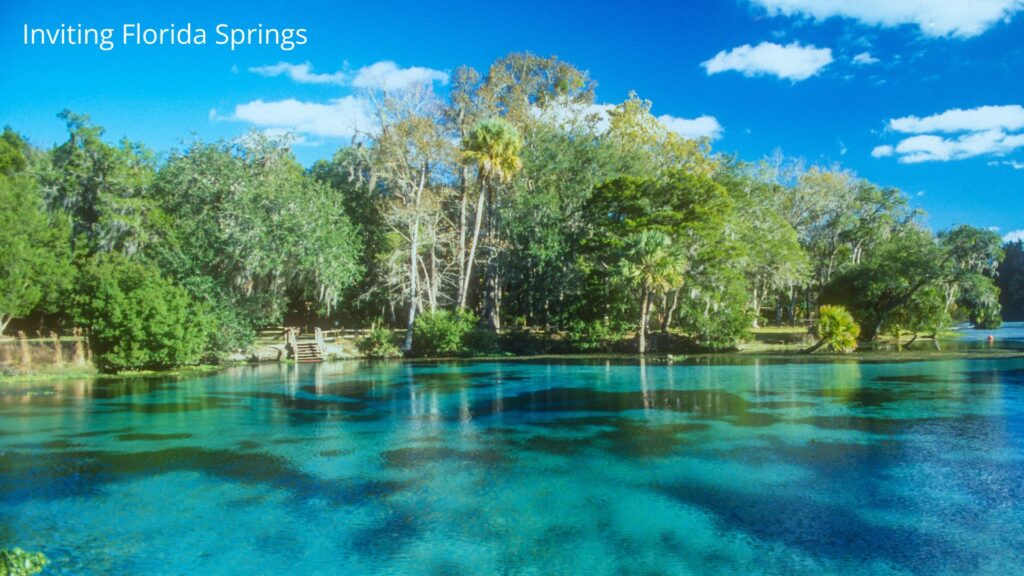
    Additionally:

    • Respect catch-and-release practices
    • Protect seagrass and habitats
    • Follow local boating rules

    🏆 Pro Tips to Maximize Your Catch

    • Fish during moving tides (incoming/outgoing)
    • Target baitfish schools
    • Fish early morning or late afternoon
    • Match bait to local forage
    • Stay mobile if fish are not biting

    🌴 Final Thoughts: Why April Fishing in Florida Is Unmatched

    April is when Florida truly comes alive for anglers. Not only do you have access to both freshwater and saltwater species, but you also experience peak feeding behavior, migration patterns, and ideal weather conditions.

    From the Panhandle to the Florida Keys, opportunities are everywhere. Whether you are chasing trophy bass, stalking redfish on the flats, or preparing for tarpon season, April delivers unforgettable fishing experiences.

    👉 If you want to dominate Florida fishing, April is your month.

  • Florida Spring Fishing Report 2026

    Florida Spring Fishing Report 2026

    Your Ultimate Spring-to-Summer Fishing Guide for April May and June Across the Sunshine State

    Florida fishing report 2026 because Florida is one of the best fishing destinations in the world, and as spring transitions into summer, the action heats up across both freshwater and saltwater environments. Whether you’re casting from a quiet lake, drifting the flats, or heading offshore, April, May, and June offer some of the most productive fishing opportunities of the year.

    As temperatures rise, fish become more active. Additionally, baitfish populations increase, which attracts larger predators. Because of this seasonal shift:

    • Inshore fishing becomes explosive
    • Offshore pelagics migrate closer to shore
    • Freshwater species enter peak spawning and feeding cycles

    Therefore, anglers of all skill levels can enjoy consistent action during this quarter.

    🎣 Florida Fishing by Region

    Gulf Coast (Tampa, Sarasota, Bradenton, Naples)

    This region offers calm waters, grass flats, and productive estuaries. As a result, it’s ideal for inshore anglers.

    For all Florida Fishing Licenses, rules and regulations click here.

    Top Species:

    • Snook
    • Redfish
    • Spotted Seatrout
    • Tarpon (late May into June)

    Hot Spots:

    • Tampa Bay
    Sunshine Skyway Fishi

    Atlantic Coast (Jacksonville to Miami)

    On the Atlantic side, stronger currents and deeper waters provide excellent offshore and surf fishing.

    Top Species:

    • Kingfish
    • Mahi-Mahi
    • Sailfish
    • Snapper

    Hot Spots:

    • Ponce Inlet
    • Cape Canaveral
    • Palm Beach reefs
    • Miami offshore waters

    Florida Keys

    Florida Fishing in the Keys from APril to June

    The Keys are world-famous for a reason. During this quarter, both reef and offshore fishing peak.

    Top Species:

    • Tarpon
    • Bonefish
    • Permit
    • Grouper
    • Tuna

    Freshwater (Lakes & Rivers)

    Meanwhile, inland fishing remains strong, especially for bass and panfish.

    Top Species:

    • Largemouth Bass
    • Crappie (early April)
    • Bluegill
    • Catfish

    April 2026 Fishing Report

    April marks the transition into warmer water temperatures. Consequently, fish begin feeding aggressively.

    Inshore Fishing (April)

    Snook and redfish are highly active. Additionally, trout fishing is excellent in grassy flats.

    Best Techniques:

    • Live shrimp under popping corks
    • Soft plastics (paddle tails)
    • Topwater plugs early morning

    Pro Tip: Focus on moving tides. Fish are more active when water is flowing.


    Offshore Fishing (April)

    Kingfish and cobia start showing up more frequently. Furthermore, snapper fishing improves.

    Best Baits:

    • Live pilchards
    • Cut bait
    • Vertical jigs

    Freshwater Fishing (April)

    Bass are either spawning or post-spawn. Therefore, they are aggressive but selective.

    Best Lures:

    • Senko worms
    • Spinnerbaits
    • Topwater frogs (late April)

    May 2026 Fishing Report

    As May arrives, fishing becomes even more exciting. Not only do more species migrate in, but water clarity improves as well.

    Inshore Fishing (May)

    Snook season heats up dramatically. Additionally, redfish schools become easier to locate.

    Key Patterns:

    • Fish mangrove shorelines at high tide
    • Target docks and bridges at night

    Best Baits:

    • Live pilchards
    • Threadfin herring
    • Artificial jerkbaits

    Tarpon Season Begins

    May is when tarpon fishing truly takes off, especially along the Gulf Coast and Keys.

    Where to Go:

    • Boca Grande Pass
    • Anna Maria Island
    • Islamorada

    Best Techniques:

    • Drift live crabs
    • Use large swimbaits
    • Sight fish in clear water

    Offshore Fishing (May)

    Mahi-mahi begin to appear offshore. Moreover, grouper season opens in many areas.

    Best Strategies:

    • Troll near weed lines
    • Bottom fish reefs and ledges

    Freshwater Fishing (May)

    Bass transition into summer patterns. As a result, early morning and late evening bites are best.

    Best Approach:

    • Fish deeper structure during midday
    • Use crankbaits and soft plastics

    June 2026 Fishing Report

    June brings summer conditions. Consequently, fishing shifts slightly, but opportunities remain outstanding.

    Inshore Fishing (June)

    Early mornings and late evenings are most productive due to heat.

    Top Targets:

    • Snook (peak season)
    • Tarpon
    • Trout (deeper grass flats)

    Best Techniques:

    • Topwater at sunrise
    • Live bait during midday

    Offshore Fishing (June)

    June is one of the best months for offshore fishing.

    Top Species:

    • Mahi-Mahi
    • Blackfin Tuna
    • Wahoo
    • Snapper

    Hot Tip: Look for floating debris or weed lines—these attract mahi.


    Freshwater Fishing (June)

    Fishing slows slightly during midday heat. However, it remains productive with the right strategy.

    Best Times:

    • Dawn
    • Dusk

    Best Lures:

    • Topwater frogs
    • Deep-diving crankbaits
    • Texas-rigged worms

    🐟 Species Breakdown (What’s Biting When)

    Snook

    • April: Active
    • May: Very active
    • June: Peak season

    Redfish

    • April–June: Consistent
    • Best in shallow flats

    Tarpon

    • May–June: Prime time
    • Especially strong in coastal passes

    Mahi-Mahi

    • May–June: Offshore peak

    Largemouth Bass

    • April: Spawn/post-spawn
    • May–June: Summer pattern

    🎯 Best Fishing Techniques for Spring–Summer

    Because conditions change rapidly, adaptability is key.

    Using a guide like the Florida fishing report 2026 can be a great help on fishing Florida waters.

    1. Match the Hatch

    Always use bait that resembles local forage. For example:

    • Pilchards on the Gulf Coast
    • Ballyhoo offshore

    2. Fish the Tides

    Tidal movement triggers feeding. Therefore:

    • Incoming tide = fish moving in
    • Outgoing tide = fish exiting

    3. Adjust for Heat

    As temperatures rise:

    • Fish deeper water midday
    • Focus on shade and structure

    4. Use Live Bait When Possible

    While artificial lures work well, live bait often produces more consistent results. Such as pinfish and shrimp.


    🧰 Recommended Gear for April–June

    Inshore Setup

    • 7’ medium spinning rod
    • 2500–4000 size reel
    • 10–20 lb braided line

    Offshore Setup

    • Heavy spinning or conventional rods
    • 30–80 lb line

    Freshwater Setup

    • Medium-heavy rod
    • 10–15 lb line

    🌦️ Weather and Water Conditions in the Florida fishing report 2026

    Panama City Florida is part of the Florida Quarterly fishing report

    Spring weather in Florida can change quickly. However, stable patterns dominate by May and June.

    Typical Conditions:

    • April: Mild, occasional fronts
    • May: Warm, stable
    • June: Hot, afternoon storms

    Because of this, always check forecasts before heading out.
    🗺️ Top Fishing Destinations

    Gulf Coast Highlights

    • Tampa Bay flats
    • Sarasota grass flats
    • Naples mangroves

    Atlantic Highlights

    • Jacksonville jetties
    • Palm Beach reefs
    • Miami offshore waters

    Keys Highlights

    • Islamorada flats
    • Key West offshore

    Freshwater Highlights

    • Lake Okeechobee
    • St. Johns River
    • Lake Tohopekaliga

    📊 Monthly Quick Reference Table

    MonthBest SpeciesBest TimeKey Tip
    AprilTrout, Redfish, BassMorningFocus on spawning areas
    MaySnook, Tarpon, MahiMorning/EveningFish bait-rich zones
    JuneTarpon, Snapper, TunaEarly/LateAvoid midday heat

    ⚠️ Regulations and Conservation

    Fishing regulations change frequently. Therefore, always check:

    • Size limits
    • Bag limits
    • Seasonal closures

    For Rules and licenses click here

    Additionally, practice catch and release when appropriate. This helps preserve Florida’s fisheries for future generations.

    The Florida Fishing report 2026

    🧭 Pro Tips for 2026 Success

    1. Follow bait schools – predators are never far behind
    2. Use polarized sunglasses – spot fish more easily
    3. Stay flexible – conditions change daily
    4. Network locally – bait shops provide real-time updates

    🎉 Final Thoughts: Make the Most of Florida Fishing This Season

    In conclusion, The Florida Fishing report 2026 for April, May, and June offer incredible fishing opportunities across Florida. Not only do multiple species peak during this time, but anglers also benefit from favorable weather and abundant bait.

    Whether you’re targeting trophy tarpon along the coast, chasing mahi offshore, or landing bass in freshwater lakes, this quarter delivers excitement at every turn. Therefore, with the right strategy, gear, and timing, you can experience some of the best fishing Florida has to offer.

    So grab your rods, plan your trips, and get ready—because the 2026 Florida fishing season is shaping up to be one of the best yet. 🎣

    • Florida September Fishing Guide 2026

      September can be one of the most exciting months on Florida’s fishing calendar. Summer is still very much alive, but subtle seasonal changes begin showing up throughout the state. Warm water keeps many tropical and warm-water species active while shorter days gradually begin the transition toward fall. From largemouth bass hiding around Florida’s freshwater vegetation…

    Get the latest stories, exclusive insights, and special offers delivered straight to your inbox.