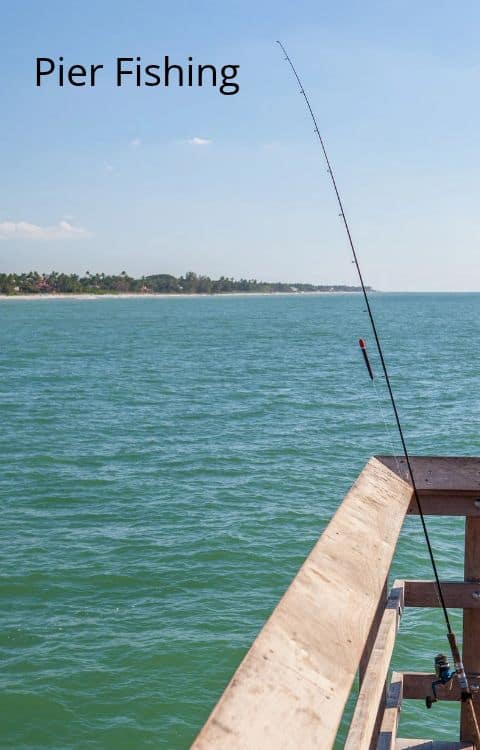
Tag: Florida Offshore Fishing

  • Florida Fall Fishing Report 2026: October–December Guide

    Florida Fall Fishing Report 2026: October–December Guide

    Florida fishing changes dramatically during October, November, and December. Summer heat begins to fade, water temperatures gradually decline, baitfish migrations accelerate, cold fronts begin crossing the state, and many of Florida’s most popular freshwater and saltwater species change where and how they feed.

    That makes the final quarter of the year one of the most exciting periods on Florida’s fishing calendar.

    This Florida Fall Fishing Quarterly Report 2026 covers fishing throughout the Sunshine State—from Pensacola and Destin in the Panhandle to Key West in the Florida Keys, and from Jacksonville and St. Augustine on the Atlantic Coast to Sarasota, Fort Myers, and Naples along the Gulf Coast.

    We’ll cover freshwater, river, inshore, nearshore, beach, pier, reef, wreck, and offshore fishing, including the best species to target, productive live baits and artificial lures, seasonal techniques, tides, moon phases, weather patterns, and rod-and-reel combinations.

    Whether you’re casting from a public pier, walking a beach with a surf rod, fishing Florida’s freshwater lakes, drifting an inlet, exploring mangrove shorelines, or running offshore, the October-through-December transition creates opportunities for virtually every kind of Florida angler.

    For the most up to date fishing regulations.

    For the ultimate Florida fishing guide.

    Why October, November and December Are Special for Florida Fishing
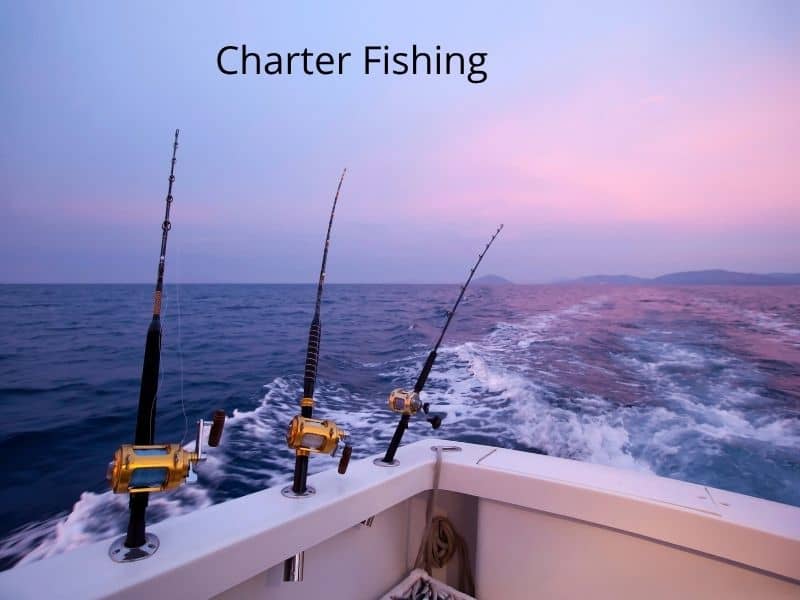
    Charter Fishing in Florida is fun

    The biggest story of Florida fishing during the fourth quarter is change.

    October can still feel like summer, especially in South Florida and the Florida Keys.

    By November, cold fronts become more influential.

    December brings true winter fishing patterns to North and Central Florida while South Florida may continue experiencing relatively warm conditions.

    That temperature difference is important because Florida stretches hundreds of miles from north to south.

    A fishing technique that works in Jacksonville during December may be completely different from what works in Miami or Key West.

    Find out more about regions in Florida.

    October: The Fall Transition

    October is one of Florida’s great transition months.

    Cooling nights gradually lower water temperatures while enormous numbers of baitfish migrate along Florida’s coastline.

    Predatory fish take advantage.

    Depending on the region, anglers may encounter:

    • Redfish
    • Snook
    • Spotted seatrout
    • Flounder
    • Spanish mackerel
    • King mackerel
    • Mangrove snapper
    • Black drum
    • Tarpon
    • Pompano
    • Largemouth bass
    • Crappie

    October is an excellent month to search for feeding birds, schooling bait and active current.

    November: Cooling Water Changes the Game
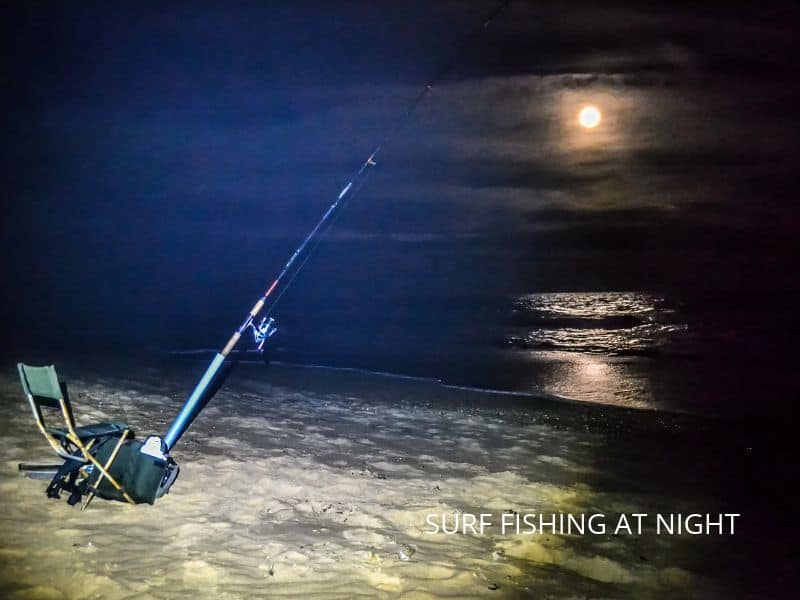
    Florida fall fishing

    November typically brings more frequent cold fronts.

    Fish begin shifting from summer feeding locations toward deeper channels, rivers, protected bays, bridges and other areas offering stable temperatures.

    The cooling water can improve fishing for species such as:

    • Sheepshead
    • Black drum
    • Redfish
    • Spotted seatrout
    • Pompano
    • Flounder
    • Crappie
    • Largemouth bass

    Offshore anglers can continue targeting numerous reef and pelagic species depending on location, conditions and current regulations.

    December: Florida’s Winter Fishing Begins
    CORTEZ FISHING VILLAGE

    By December, the difference between North and South Florida becomes particularly important.

    In northern Florida, anglers may encounter substantially cooler water and need to slow their presentations.

    South Florida and the Florida Keys can remain considerably warmer, keeping many tropical and subtropical fisheries active.

    December can be particularly productive for:

    • Sheepshead
    • Black drum
    • Redfish
    • Spotted seatrout
    • Pompano
    • Crappie
    • Largemouth bass
    • Snapper
    • Sailfish in Southeast Florida

    The key is understanding how fish react to cold fronts.

    Best Time of Day to Fish During the Fall

    Unlike July and August, when sunrise fishing is usually critical because of extreme heat, the best time of day gradually shifts later as Florida cools.

    October

    Try:

    Sunrise through approximately 10 a.m.

    and

    Late afternoon through sunset.

    Moving tides remain extremely important for saltwater anglers.

    November

    Morning fishing remains productive, but don’t automatically leave when the sun gets higher.

    After a cold night, shallow flats can warm during late morning and early afternoon.

    That slight temperature increase can trigger feeding.

    December

    On cold mornings, the middle of the day can sometimes outperform sunrise.

    Sunlight warms:

    • Dark mud bottoms
    • Oyster bars
    • Shallow grass
    • Protected canals
    • Residential docks
    • Backcountry bays

    Even a small increase in water temperature can make fish more active.

    Fishing Before and After Florida Cold Fronts
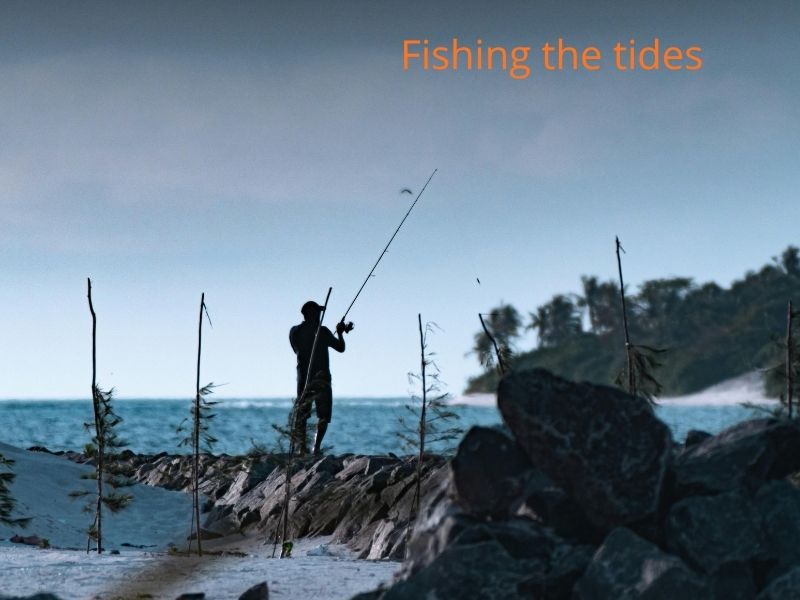
    Florida fishing guide using the tides

    Cold fronts become one of the most important variables during November and December.

    Before a Front

    Falling barometric pressure, increasing clouds and approaching weather can coincide with aggressive feeding.

    This can be an excellent opportunity to target:

    • Redfish
    • Trout
    • Snook
    • Bass
    • Black drum

    Safety still comes first. Never remain on the water when severe weather or dangerous winds approach.

    Immediately After a Front

    Fishing can become difficult.

    Strong north winds, rapidly falling temperatures and high pressure may make fish less aggressive.

    Slow down your presentation.

    Try:

    • Live shrimp
    • Slowly worked soft plastics
    • Jig-and-shrimp combinations
    • Suspended baits
    • Smaller presentations

    Several Sunny Days After a Front

    Conditions frequently improve as water temperatures stabilize.

    Protected shorelines and dark-bottom areas can warm first.

    Protected shorelines and dark-bottom areas can warm first.


    Fishing Florida’s Fall Tides

    Tides remain one of the most important factors in Florida saltwater fishing.

    Incoming Tide

    Rising water allows predators to move onto:

    • Grass flats
    • Oyster bars
    • Mangrove shorelines
    • Marsh edges
    • Shallow bays

    Try casting ahead of fish rather than directly at them.

    Live shrimp, pilchards, finger mullet, paddle tails and spoons can all be effective.

    High Tide

    At high water, redfish and snook can move tight against mangrove roots and flooded shorelines.

    Work:

    • Mangrove points
    • Shoreline indentations
    • Oyster bars
    • Dock edges

    Outgoing Tide

    Falling water pulls bait out of:

    • Tidal creeks
    • Marshes
    • Mangroves
    • Backcountry bays

    Predators often position near creek mouths and channel edges waiting for food.

    Low Tide

    Low water can concentrate fish.

    Look for:

    • Deep holes
    • Channels
    • Bridge pilings
    • Creek mouths
    • Drop-offs
    • Deep grass edges

    The most important principle remains simple:

    Moving water generally creates more feeding opportunities than completely slack water.

    Northeast Florida Fishing: Jacksonville, Amelia Island and St. Augustine
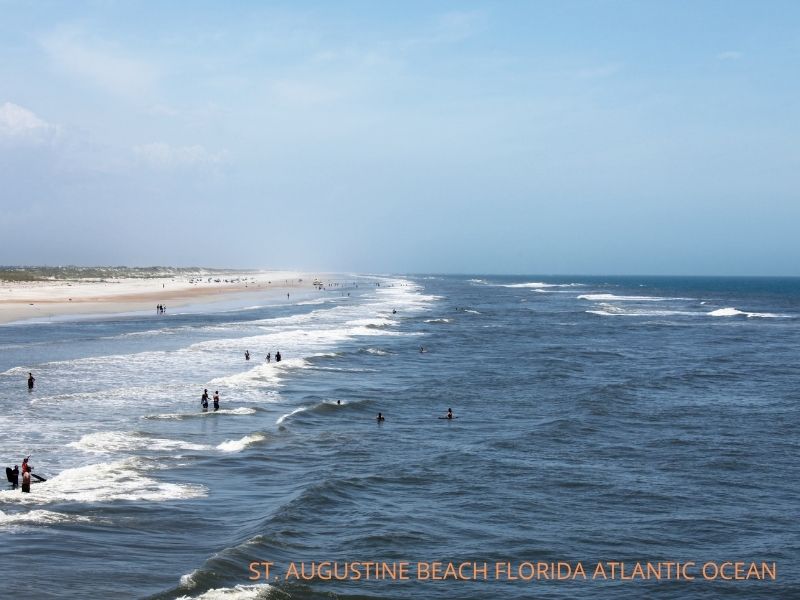
    Part of the Northeast Region in Florida is St. Augustine beachon the Atlantic Ocean

    Northeast Florida can offer outstanding fall fishing because the region combines tidal rivers, marshes, beaches, jetties, inlets and offshore reefs.

    October through December brings changing opportunities as water temperatures decline.

    Best Northeast Florida Fishing Areas

    Look at:

    • Amelia Island
    • Nassau Sound
    • St. Johns River
    • Mayport
    • Mayport Jetties
    • Jacksonville Beach
    • Intracoastal Waterway
    • Guana River
    • St. Augustine
    • Matanzas Inlet

    October Fishing in Northeast Florida

    October is an excellent month for anglers who enjoy active fishing.

    Bait movement can attract predators around beaches, inlets, jetties and the Intracoastal Waterway.

    Fish to Target

    • Redfish
    • Spotted seatrout
    • Flounder
    • Black drum
    • Snook
    • Spanish mackerel
    • King mackerel
    • Mangrove snapper

    Best Techniques

    Around marshes and creeks, fish outgoing water where bait is being swept toward deeper channels.

    Try:

    • 3- to 4-inch paddle tails
    • Live shrimp
    • Finger mullet
    • Mud minnows
    • Gold spoons
    • Topwater plugs at dawn

    Around the jetties, increase leader strength because barnacles, rocks and current can quickly cut light tackle.

    November Fishing in Northeast Florida

    Cooling water can improve redfish, trout, black drum and sheepshead opportunities.

    Look around:

    • Oyster bars
    • Dock pilings
    • Bridge structure
    • Deep creek bends
    • Jetties

    Live shrimp becomes particularly useful as temperatures decline.

    A popping cork with shrimp can cover shallow water, while a jighead tipped with shrimp works well around deeper structure.

    December Fishing in Northeast Florida
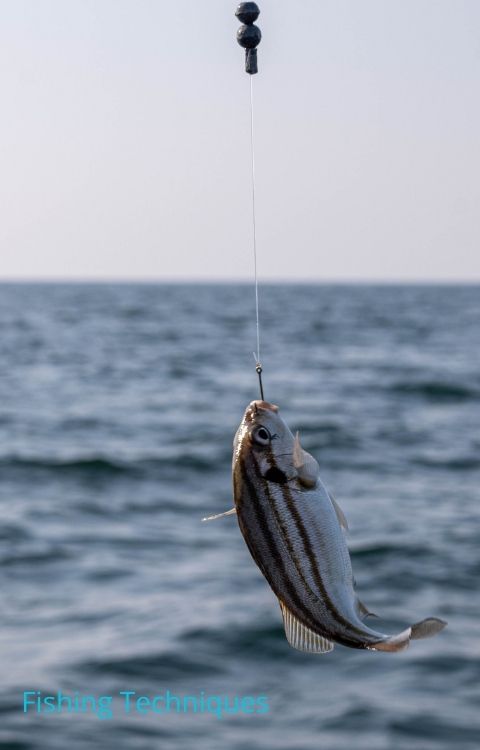
    Florida fishing guide techniques

    December brings a much stronger winter pattern to Northeast Florida.

    Fish may concentrate in deeper holes and protected areas following cold fronts.

    Top December Targets

    • Redfish
    • Black drum
    • Sheepshead
    • Spotted seatrout
    • Flounder

    Slow your presentation.

    A lure that was retrieved quickly during October may need to be crawled slowly along the bottom in December.

    Northeast Florida Rod and Reel Setup

    General Inshore

    Rod: 7-foot Medium Fast

    Reel: 3000–4000 spinning reel

    Main Line: 15–20 lb braid

    Leader: 20–30 lb fluorocarbon

    This combination works well for redfish, trout, flounder and smaller black drum.

    Jetties and Heavy Structure

    Rod: 7’6″ Medium Heavy

    Reel: 4000–5000 spinning reel

    Main Line: 20–30 lb braid

    Leader: 30–40+ lb fluorocarbon depending on target species and structure.

    Central East Florida Fishing: Daytona Beach to Sebastian Inlet

    Central East Florida offers an entirely different fishing environment.

    Major destinations include:

    • Daytona Beach
    • New Smyrna Beach
    • Ponce Inlet
    • Mosquito Lagoon
    • Titusville
    • Indian River Lagoon
    • Cocoa Beach
    • Port Canaveral
    • Sebastian Inlet

    The combination of lagoons, inlets, beaches and offshore waters provides enormous variety.

    October Fishing on Florida’s Central East Coast

    October can produce outstanding fishing around inlets and beaches as migrating bait attracts predators.

    Target:

    • Snook
    • Redfish
    • Tarpon
    • Jack crevalle
    • Spotted seatrout
    • Flounder
    • Spanish mackerel

    Sebastian Inlet and Ponce Inlet can become particularly exciting when bait is concentrated by strong tidal current.

    Technique

    Cast up-current and allow your bait or lure to move naturally with the flow.

    Live mullet can be extremely effective around inlets during the fall bait migration.

    Artificial options include:

    • Paddle tails
    • Bucktail jigs
    • Diving plugs
    • Twitch baits
    • Topwater plugs

    November Fishing on the Central East Coast

    As temperatures moderate, redfish and trout remain important inshore targets.

    Look for fish around:

    • Grass flats
    • Deeper lagoon channels
    • Mangrove shorelines
    • Docks
    • Creek mouths

    Pompano may become increasingly important as cooler conditions arrive.

    Beach anglers should watch for:

    • Sandbars
    • Troughs
    • Cuts
    • Rip channels

    These areas concentrate food and provide travel lanes for fish.

    December Fishing on the Central East Coast
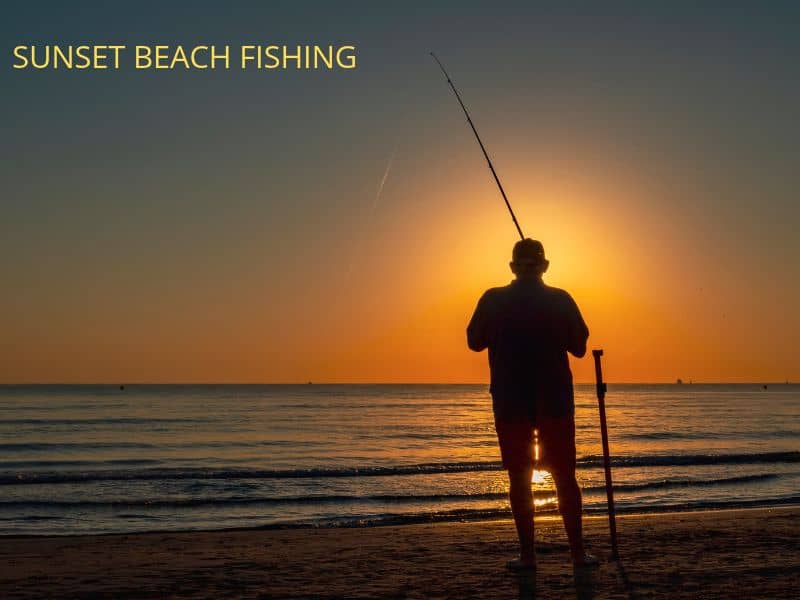
    Sunset beach fishing

    December can provide a mixture of winter and warm-water fishing opportunities.

    Cold fronts may push inshore fish toward deeper protected areas.

    Between fronts, sunny afternoons can warm shallow flats and encourage redfish and trout to feed.

    Offshore and inlet opportunities continue, but conditions should always determine whether a trip is safe.


    Central East Rod and Reel Recommendations

    Lagoon Fishing

    Rod: 7-foot Medium Fast

    Reel: 2500–3000 spinning reel

    Line: 10–15 lb braid

    Leader: 15–25 lb fluorocarbon

    Inlet Fishing

    Rod: 7’6″ Medium Heavy

    Reel: 4000–5000 spinning reel

    Line: 20–30 lb braid

    Leader: 30–50 lb fluorocarbon depending on structure and species.

    Surf Fishing

    Rod: 9–11-foot Medium Heavy surf rod

    Reel: 5000–6000 spinning reel

    Line: 20–30 lb braid

    Use pompano rigs, fish-finder rigs or similar presentations appropriate for your target species and surf conditions.

    Important 2026 Fishing Regulation Note

    Florida fishing regulations vary by species, coast, management region and whether you’re fishing state or federal waters. Never assume that a species mentioned in this guide can legally be harvested everywhere it can be caught.

    For example, Florida’s snook regulations are divided into multiple management regions with different seasonal closures. Several Gulf regions close recreational snook harvest beginning December 1, while Northeast Florida, the Indian River Lagoon and Southeast Florida have a December 15 winter closure. Charlotte Harbor and Southwest Florida reopen October 1 after their summer closures. Always verify the exact management region before keeping a fish.

    Florida also has special 2026 reef-fish seasons. Red snapper opportunities, in particular, vary substantially between the Gulf and Atlantic, so anglers should check current FWC rules before every trip.

    Catch-and-release fishing may still be possible when harvest is closed, subject to applicable regulations and proper fish-handling requirements.

    Florida’s southern fishing regions offer some of the most diverse October, November, and December fishing opportunities in the United States.

    While North Florida begins experiencing significant winter conditions, South Florida and the Florida Keys generally remain warm enough to support active inshore, reef, offshore, and freshwater fisheries.

    Meanwhile, Florida’s Southwest and Central West coasts transition from fall bait migrations toward winter patterns dominated by redfish, snook, spotted seatrout, sheepshead, black drum, pompano, snapper, and other seasonal targets.

    Understanding this transition is one of the keys to successful late-year Florida fishing.

    Southeast Florida Fishing: Palm Beach, Fort Lauderdale and Miami

    Southeast Florida offers anglers something unique: extremely deep Atlantic water relatively close to shore.

    The region provides opportunities for:

    • Beach fishing
    • Pier fishing
    • Inshore fishing
    • Intracoastal fishing
    • Bridge fishing
    • Reef fishing
    • Wreck fishing
    • Offshore trolling
    • Drift fishing

    Major fishing areas include:

    • Palm Beach
    • Lake Worth
    • Boca Raton
    • Deerfield Beach
    • Fort Lauderdale
    • Hillsboro Inlet
    • Dania Beach
    • Hollywood
    • Haulover Inlet
    • Biscayne Bay
    • Miami
    • Government Cut

    October Fishing in Southeast Florida

    To learn more about all of Florida.

    October is an exciting transition month.

    Warm water remains, but fall bait migrations can attract large predators along beaches and through inlets.

    Top October Targets

    • Snook
    • Tarpon
    • Jack crevalle
    • Mangrove snapper
    • Mutton snapper
    • Yellowtail snapper
    • King mackerel
    • Blackfin tuna
    • Mahi-mahi
    • Barracuda
    • Sharks

    Beach and Inlet Fishing

    Watch for schools of bait moving down the coastline.

    Signs of feeding activity include:

    • Diving birds
    • Bait spraying from the surface
    • Dark patches of baitfish
    • Tarpon rolling
    • Jacks crashing bait
    • Pelicans repeatedly diving in one area

    When predators are actively feeding, matching the size of the bait can be extremely effective.

    Try:

    • Live mullet
    • Pilchards
    • Sardines
    • Paddle-tail swimbaits
    • Bucktail jigs
    • Casting spoons
    • Diving plugs

    November Fishing in Southeast Florida

    November begins the transition toward South Florida’s winter fishing season.

    Cold fronts moving across the state can create changing wind and sea conditions, but they can also trigger seasonal fish movements.

    November Targets

    • Sailfish
    • King mackerel
    • Blackfin tuna
    • Mahi-mahi
    • Wahoo
    • Mutton snapper
    • Yellowtail snapper
    • Snook
    • Tarpon
    • Jack crevalle
    • Pompano

    Offshore anglers should watch current edges, color changes, floating debris and concentrations of bait.

    December Fishing in Southeast Florida

    December is one of the months when Southeast Florida demonstrates why anglers travel south for winter fishing.

    Cold fronts can push pelagic species southward while reef and wreck fisheries continue providing opportunities.

    Top December Targets

    • Sailfish
    • King mackerel
    • Wahoo
    • Blackfin tuna
    • Mutton snapper
    • Yellowtail snapper
    • Pompano
    • Tarpon
    • Jack crevalle

    Always check current seasons before harvesting reef species.

    Southeast Florida Rod and Reel Setups

    Inshore

    Rod: 7-foot Medium Heavy

    Reel: 3000–4000 spinning reel

    Line: 15–20 lb braid

    Leader: 25–40 lb fluorocarbon

    Tarpon and Heavy Inlet Fishing

    Rod: 7’6″ Heavy

    Reel: 6000–8000 spinning reel

    Line: 50–65 lb braid

    Leader: 60–80 lb fluorocarbon

    Offshore

    Rod: 7-foot Medium Heavy to Heavy

    Reel: 6000–8000 spinning reel or appropriate conventional outfit

    Line: 40–65 lb braid

    Match leader strength and terminal tackle to the target species and technique.

    Florida Keys Fishing: Key Largo to Key West

    The Florida Keys offer one of the most diverse fisheries in Florida.

    Within a relatively short distance, anglers can fish:

    • Mangrove shorelines
    • Shallow flats
    • Bridges
    • Channels
    • Patch reefs
    • Coral reefs
    • Wrecks
    • Deep offshore water

    Major fishing destinations include:

    • Key Largo
    • Islamorada
    • Tavernier
    • Marathon
    • Seven Mile Bridge
    • Bahia Honda
    • Big Pine Key
    • Key West
    • Dry Tortugas

    October Fishing in the Florida Keys

    October provides a transition between the summer and winter fisheries.

    Warm water can keep many summer species active while the first seasonal changes begin.

    Flats and Backcountry Targets

    • Bonefish
    • Permit
    • Tarpon
    • Mangrove snapper
    • Barracuda
    • Sharks

    Reef and Wreck Targets

    Depending on regulations:

    • Yellowtail snapper
    • Mutton snapper
    • Mangrove snapper
    • Grouper
    • Amberjack

    Offshore Targets

    • Mahi-mahi
    • Blackfin tuna
    • Wahoo
    • King mackerel

    Best Techniques

    For flats fishing, stealth is critical.

    Use long casts and lighter tackle.

    For reef fishing, establish a chum line where appropriate and present baits naturally within it.

    Offshore anglers can troll, drift live bait or work areas where current concentrates bait.

    November Fishing in the Florida Keys

    November can be an excellent month because temperatures become more comfortable while the water remains relatively warm.

    Top Targets

    • Bonefish
    • Permit
    • Tarpon
    • Yellowtail snapper
    • Mutton snapper
    • Mangrove snapper
    • Blackfin tuna
    • Wahoo
    • King mackerel
    • Sailfish

    Watch for changes in current, water color and bait concentrations.

    December Fishing in the Florida Keys

    December offers Florida anglers something very different from fishing farther north.

    While North Florida anglers may be working slow-moving shrimp along deep creek channels, Keys anglers can still pursue tropical flats species, reef fish and offshore pelagics.

    December Opportunities

    Flats: Bonefish and permit.

    Bridges: Snapper, barracuda and other structure-oriented species.

    Reefs: Yellowtail, mangrove and mutton snapper.

    Offshore: Sailfish, wahoo, blackfin tuna and king mackerel.

    Conditions can change quickly when winter fronts reach the Keys, so wind forecasts become especially important for boaters.

    Florida Keys Rod and Reel Setups

    Flats

    Rod: 7-foot Medium Fast

    Reel: 2500–3000 spinning reel

    Line: 10–15 lb braid

    Leader: 15–25 lb fluorocarbon

    Reef Fishing

    Rod: 7-foot Medium Heavy

    Reel: 4000–6000 spinning reel

    Line: 20–30 lb braid

    Leader: 30–50 lb fluorocarbon

    Offshore

    Use heavier spinning or conventional tackle matched to trolling, live-baiting, jigging or the species being targeted.

    Southwest Florida Fishing: Charlotte Harbor to Naples

    Southwest Florida offers an incredible mixture of estuaries, passes, mangrove islands, beaches, artificial reefs and offshore structure.

    Major destinations include:

    • Charlotte Harbor
    • Pine Island Sound
    • Matlacha
    • Boca Grande
    • Fort Myers
    • Sanibel
    • Captiva
    • Estero Bay
    • Naples
    • Gordon Pass
    • Marco Island
    • Ten Thousand Islands

    October through December transforms Southwest Florida fishing.

    October Fishing in Southwest Florida

    October can be one of the most exciting months of the year.

    Cooling temperatures and abundant bait can create excellent inshore fishing.

    Top October Targets

    • Snook
    • Redfish
    • Spotted seatrout
    • Tarpon
    • Mangrove snapper
    • Jack crevalle
    • Spanish mackerel
    • Black drum

    Redfish

    October can produce excellent redfish action around:

    • Mangrove shorelines
    • Oyster bars
    • Grass flats
    • Creek mouths
    • Passes

    Live shrimp, pilchards, finger mullet, paddle tails and spoons can all produce fish.

    Snook

    Snook begin transitioning from beaches and passes toward bays, rivers and backcountry wintering areas.

    Look around:

    • Mangrove points
    • Creek mouths
    • Docks
    • Passes
    • River entrances

    November Fishing in Southwest Florida

    November brings increasingly noticeable temperature changes.

    Redfish and trout can remain active while sheepshead and black drum become increasingly important.

    Top November Fish

    • Snook
    • Redfish
    • Spotted seatrout
    • Sheepshead
    • Black drum
    • Mangrove snapper
    • Pompano
    • Spanish mackerel

    After cold fronts, search deeper water.

    During warming periods, fish may move back onto shallower flats.

    December Fishing in Southwest Florida

    December fishing increasingly revolves around temperature.

    Cold mornings can push fish into:

    • Deep canals
    • Rivers
    • Residential docks
    • Channels
    • Protected bays

    After several sunny days, shallow water can warm and fish may return to flats and mangrove shorelines.

    December Targets

    • Redfish
    • Spotted seatrout
    • Sheepshead
    • Black drum
    • Pompano
    • Mangrove snapper
    • Snook

    Snook harvest regulations vary by management region and season, so check current FWC rules before keeping fish.

    Southwest Florida Rod and Reel Setup
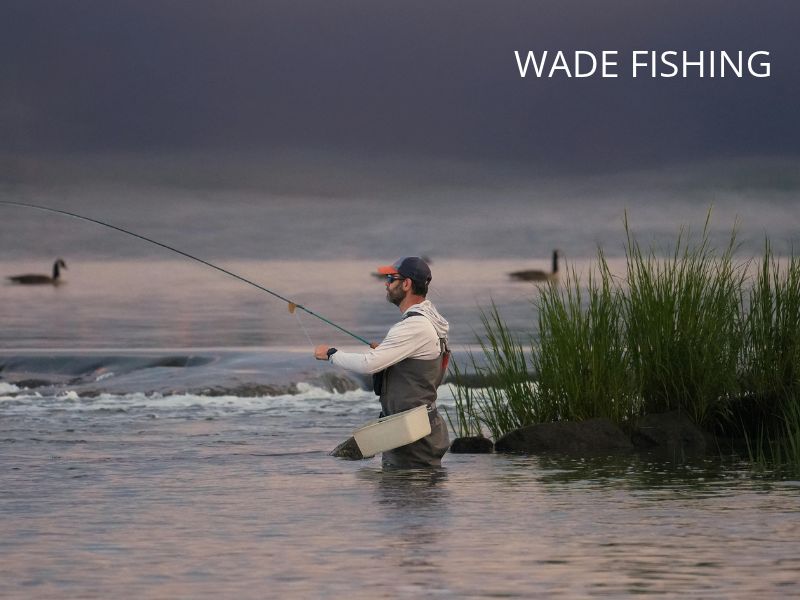
    WADE FISHING

    All-Around Inshore

    Rod: 7-foot Medium Fast

    Reel: 3000–4000 spinning reel

    Line: 15–20 lb braid

    Leader: 20–30 lb fluorocarbon

    This outfit can handle most trout, redfish and general backcountry fishing.

    Snook Around Structure

    Rod: 7’6″ Medium Heavy

    Reel: 4000–5000

    Line: 20–30 lb braid

    Leader: 30–50 lb fluorocarbon

    Increase leader strength around docks, bridges and heavy mangrove structure.

    Central West Florida Fishing: Sarasota, Bradenton, Tampa Bay and Clearwater

    Central West Florida offers one of the most diverse combinations of accessible fishing environments on Florida’s Gulf Coast.

    Major fishing destinations include:

    • Sarasota Bay
    • Venice
    • Longboat Key
    • Anna Maria Island
    • Longboat Pass
    • Tampa Bay
    • Sunshine Skyway
    • Egmont Key
    • Fort De Soto
    • St. Petersburg
    • Clearwater
    • Gulf beaches and artificial reefs

    October through December is an especially interesting period because the fishery transitions from warm-water summer patterns into Florida’s Gulf Coast winter season.

    October Fishing in Central West Florida

    October can be outstanding.

    Summer heat begins easing while large concentrations of bait remain available.
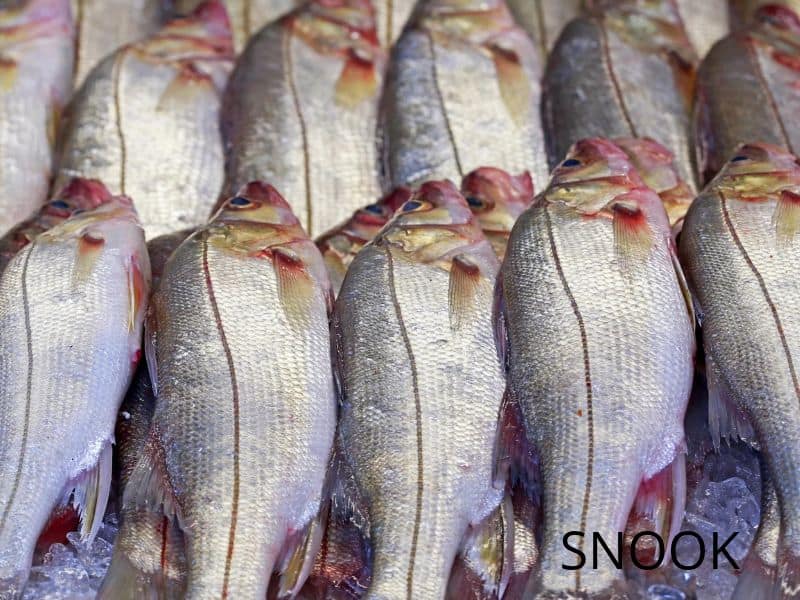
    SNOOK

    Top October Fish

    • Snook
    • Redfish
    • Spotted seatrout
    • Tarpon
    • Mangrove snapper
    • Spanish mackerel
    • King mackerel
    • Black drum
    • Jack crevalle

    ampa Bay and Sarasota Bay

    Search for bait around:

    • Grass flats
    • Passes
    • Bridge structure
    • Channel edges
    • Mangrove shorelines

    Early morning topwater fishing can still be productive.

    As the sun rises, switch to:

    • Paddle tails
    • Jerkbaits
    • Live pilchards
    • Shrimp
    • Finger mullet

    October Pier and Bridge Fishing

    The Sunshine Skyway fishing area and other accessible Gulf Coast structures can provide opportunities for:

    • Spanish mackerel
    • Mangrove snapper
    • Sheepshead
    • Snook
    • Cobia
    • Sharks
    • Jack crevalle
    • Other seasonal species

    Match your tackle to the size of fish and the amount of structure.

    Bridge fishing often requires heavier leader than open-flat fishing because fish can quickly reach pilings.


    November Fishing in Central West Florida

    November begins changing the character of the Gulf Coast fishery.

    Cooling water can improve:

    • Redfish
    • Spotted seatrout
    • Sheepshead
    • Black drum
    • Pompano

    Spanish mackerel and kingfish opportunities can continue when water temperatures, bait and weather conditions cooperate.

    Best November Strategy

    Follow the bait.

    If birds are diving over baitfish, predators may be nearby.

    If the flats appear empty following a cold front, move toward:

    Protected canals

    Deeper channels

    Bridges

    Docks

    Passes

    December Fishing in Central West Florida

    December introduces more consistent winter patterns.

    Sheepshead becomes an increasingly important target.

    Look around:

    • Bridge pilings
    • Docks
    • Seawalls
    • Rock piles
    • Artificial reefs

    Best Sheepshead Baits

    • Shrimp
    • Fiddler crabs
    • Small crabs
    • Barnacle-type natural presentations where legal and appropriate

    Use enough weight to keep the bait close to structure.

    Sheepshead bites can be subtle, so maintain contact with the bait.


    December Trout Fishing

    Spotted seatrout can remain productive through winter.

    Look for:

    • Deep grass
    • Channels adjacent to flats
    • Potholes
    • Protected bays

    On cold mornings, start deeper.

    As sunlight warms the flats, move shallower.


    December Redfish

    Redfish remain one of the most dependable Gulf Coast targets.

    Search around:

    • Oyster bars
    • Mangroves
    • Creek mouths
    • Docks
    • Warm shallow flats

    Live shrimp can become especially effective during cooler conditions.

    Central West Florida Rod and Reel Setups

    Flats Fishing

    Rod: 7-foot Medium Fast

    Reel: 3000

    Line: 15 lb braid

    Leader: 20–25 lb fluorocarbon

    Snook and Redfish Around Structure

    Rod: 7’6″ Medium Heavy

    Reel: 4000–5000

    Line: 20–30 lb braid

    Leader: 30–50 lb fluorocarbon

    Pier Fishing

    Rod: 8–10-foot Medium Heavy

    Reel: 5000–6000 spinning reel

    Line: 20–30 lb braid

    Leader strength depends on target species.

    King Mackerel

    Use a longer medium-heavy rod with a suitable spinning or conventional reel and wire or specialized leader when necessary because king mackerel have extremely sharp teeth.

    Best Fall Baits for Southern Florida

    One advantage of October through December fishing is the variety of natural bait available.

    Live Baits

    Excellent options include:

    • Shrimp
    • Pilchards
    • Finger mullet
    • Threadfin herring
    • Pinfish
    • Ballyhoo
    • Crabs

    As winter progresses, live shrimp becomes one of the most universally useful Florida baits.

    Best Artificial Lures

    Keep several lure styles available:

    Paddle-Tail Swimbaits

    Excellent for:

    • Snook
    • Redfish
    • Trout
    • Jacks

    Topwater Plugs

    Best during warmer October mornings and calm conditions.

    Gold Spoons

    Excellent for covering large grass flats and finding redfish.

    Soft Jerkbaits

    Useful around:

    • Mangroves
    • Grass flats
    • Docks
    • Oyster bars

    Bucktail Jigs

    Highly versatile around beaches, bridges, passes and inlets.

    How the Fall Transition Changes Your Fishing Strategy

    One of the biggest mistakes Florida anglers make is fishing December exactly as they fished October.

    October is often about movement and bait.

    November is about transition.

    December increasingly becomes about temperature and structure.

    October

    Cover water.

    Find bait.

    Fish moving tides.

    Use faster presentations when fish are aggressive.

    November

    Pay closer attention to cold fronts.

    Alternate between shallow and deeper water depending on temperature.

    December

    Slow down.

    Fish deeper immediately after cold fronts.

    Look for warmer water during sunny afternoons.

    Use shrimp and slower-moving artificial lures.

    Understanding that progression can dramatically improve your fishing success during the final three months of the year.

    Florida Big Bend, Panhandle and Statewide Freshwater Fishing

    Florida’s northern Gulf Coast and freshwater fisheries offer outstanding opportunities during the final three months of the year. As summer heat disappears, baitfish migrate, water temperatures decline, and many species begin feeding more actively before winter.

    The Florida Big Bend and Panhandle feature extensive grass flats, tidal creeks, oyster bars, coastal marshes, artificial reefs, beaches, fishing piers, and productive offshore waters.

    Meanwhile, Florida’s freshwater lakes and rivers enter an important seasonal transition. Largemouth bass become increasingly active in many locations, crappie fishing improves as temperatures decline, and catfish remain available throughout the year.

    1. Florida Big Bend Fishing Guide

    The Florida Big Bend stretches along the northeastern Gulf Coast, roughly from the Cedar Key area toward Apalachee Bay and the eastern Panhandle.

    Its shallow grass flats, oyster bars, tidal creeks, river mouths, and extensive coastal marshes create some of Florida’s most productive inshore fishing environments.

    Unlike portions of Southwest Florida, where deep passes and extensive mangrove shorelines dominate, Big Bend anglers frequently fish enormous shallow grass flats and tidal creeks.

    Best Big Bend Fishing Destinations

    Cedar Key: Grass flats, oyster bars, tidal creeks, redfish, spotted seatrout, and seasonal Spanish mackerel.

    Horseshoe Beach: Shallow flats, creek mouths, oyster bars, and excellent opportunities for redfish and trout.

    Steinhatchee: Extensive seagrass habitat, nearshore structure, redfish, trout, flounder, and seasonal pelagic fishing.

    Keaton Beach: Shallow flats, tidal creeks, spotted seatrout, redfish, and nearshore fishing.

    St. Marks: The St. Marks River, coastal marshes, oyster bars, and Apalachee Bay provide diverse fishing opportunities.

    Carrabelle: River mouths, bays, beaches, nearshore reefs, and access to deeper Gulf waters.

    Apalachicola: An extensive estuary offering redfish, trout, black drum, sheepshead, and seasonal offshore opportunities

    October Fishing in the Florida Big Bend

    October is an excellent transition month for Big Bend anglers.

    As water temperatures gradually decline, redfish and spotted seatrout can become more active across the region’s extensive grass flats.

    Migrating baitfish may attract Spanish mackerel and other predators near channels, passes, and nearshore structure.

    Best Fish to Catch in October

    • Redfish
    • Spotted seatrout
    • Flounder
    • Black drum
    • Spanish mackerel
    • Mangrove snapper
    • Sheepshead
    • Tripletail

    Best October Fishing Locations

    Begin your morning on shallow grass flats adjacent to deeper channels.

    As the tide rises, explore flooded oyster bars and grass edges.

    During outgoing tides, concentrate on creek mouths and channels where shrimp and baitfish are carried toward deeper water.

    Look for nervous baitfish, diving birds, and active feeding.

    Best October Baits

    Live bait:

    • Live shrimp
    • Finger mullet
    • Pilchards where available
    • Pinfish

    Artificial lures:

    • Gold spoons
    • Paddle-tail swimbaits
    • Topwater walking plugs
    • Soft-plastic jerkbaits
    • Shrimp imitations

    October Fishing Technique

    Begin with a topwater plug during calm mornings.

    Work shallow grass flats using a steady walking action, pausing occasionally.

    As sunlight increases, switch to a paddle-tail swimbait or gold spoon.

    When fishing deeper grass, suspend live shrimp or an artificial shrimp beneath a popping cork.

    November Fishing in the Florida Big Bend

    November brings cooler conditions and increasingly frequent cold fronts.

    Redfish and trout remain important targets, but their locations can change considerably as water temperatures fluctuate.

    Best November Species

    • Redfish
    • Spotted seatrout
    • Flounder
    • Black drum
    • Sheepshead
    • Spanish mackerel when conditions permit

    Where to Fish

    Concentrate on:

    • Deep grass edges
    • Creek mouths
    • Oyster bars
    • River entrances
    • Protected bays
    • Channels adjacent to shallow flats

    After a cold front, fish may move toward deeper water where temperatures remain more stable.

    Following several sunny days, shallow flats can warm enough to attract feeding fish again.

    November Technique

    Use a 3- to 4-inch paddle-tail swimbait on a lightweight jighead.

    Retrieve slowly while maintaining occasional contact with the bottom.

    When fish become less aggressive, try live shrimp beneath a popping cork or fish shrimp near deeper structure.

    December Fishing in the Florida Big Bend

    December introduces winter fishing patterns throughout much of the Big Bend.

    Cold fronts can substantially lower water temperatures, particularly across shallow coastal flats.

    Successful anglers often concentrate on deeper water, river systems, protected creeks, and areas that warm during sunny afternoons.

    Best December Targets

    • Redfish
    • Spotted seatrout
    • Sheepshead
    • Black drum
    • Flounder, where present

    Best December Locations

    • Deeper river channels
    • Protected creek bends
    • Oyster bars adjacent to deeper water
    • Bridge pilings
    • Docks
    • Deeper grass flats

    December Fishing Techniques

    Fish slowly.

    Live shrimp, small soft plastics, and lightly weighted jigs can be particularly effective.

    Allow your bait to remain near the bottom, especially following a significant cold front.

    On warmer afternoons, explore shallow flats that receive direct sunlight.

    Recommended Big Bend Rod and Reel Setups

    Fishing situationRodReelLine
    Grass flats7′ medium fast3000 spinning15 lb braid
    Redfish near oyster bars7′ medium-heavy4000 spinning20 lb braid
    Trout fishing7′ medium-light or medium2500–300010–15 lb braid
    Sheepshead7′ medium3000–400015–20 lb braid
    Nearshore reefs7′ medium-heavy5000–600030–40 lb braid

    Use approximately 20–30 lb fluorocarbon leader for general inshore fishing, adjusting for structure and water clarity.

    Florida’s Panhandle offers extensive beaches, bays, tidal rivers, artificial reefs, wrecks, offshore fishing grounds, and productive freshwater environments.

    The region stretches from Pensacola and Perdido Key eastward through Destin, Panama City, Mexico Beach, Port St. Joe, and Apalachicola.

    During October, November, and December, Panhandle fishing changes considerably as cold fronts arrive and water temperatures decline.

    Best Florida Panhandle Fishing Destinations

    Pensacola: Pensacola Bay, Pensacola Pass, surrounding beaches, nearshore reefs, and offshore fishing grounds.

    Navarre: Santa Rosa Sound, Navarre Beach, coastal fishing, and nearshore structure.

    Destin: East Pass, Choctawhatchee Bay, artificial reefs, wrecks, and offshore fishing.

    Panama City Beach: St. Andrews Bay, St. Andrews Pass, beaches, piers, and artificial reefs.

    Mexico Beach: Beaches, coastal fishing, artificial reefs, and offshore opportunities.

    Port St. Joe: St. Joseph Bay, Cape San Blas, grass flats, beaches, and coastal fishing.

    Apalachicola: Apalachicola Bay, tidal rivers, barrier islands, and access to offshore fishing

    October Fishing in the Florida Panhandle

    October can produce excellent fishing as seasonal baitfish migrations attract predators.

    The combination of cooling water and abundant bait can create exciting opportunities from beaches, fishing piers, bays, and offshore boats.

    Best October Fish

    • Redfish
    • Spotted seatrout
    • Flounder
    • Spanish mackerel
    • King mackerel
    • Pompano
    • Black drum
    • Mangrove snapper
    • Vermilion snapper

    Additional reef-fish opportunities depend on current regulations.

    Best October Fishing Locations

    Pensacola Pass: Target moving water, baitfish concentrations, and channel edges.

    Destin East Pass: Fish current breaks, deeper channels, and surrounding structure.

    St. Andrews Bay: Explore grass flats, oyster bars, channels, and bridge structure.

    Cape San Blas: Search beach troughs and sandbars for pompano and other surf species.

    October Surf Fishing

    October can offer excellent opportunities for surf anglers.

    Look for:

    • Sandbars
    • Troughs
    • Cuts through sandbars
    • Areas where waves expose sand fleas
    • Feeding birds

    Use fresh shrimp, sand fleas, or appropriate artificial baits.

    A two-hook pompano rig is a versatile choice when conditions permit.

    Recommended Surf Setup

    • Rod: 10–11-foot medium-heavy surf rod
    • Reel: 5000–6000 spinning reel
    • Main line: 20–30 lb braid
    • Leader: Appropriate abrasion-resistant leader
    • Sinker: Match the weight and style to surf conditions

    Avoid using more weight than necessary.

    November Fishing in the Florida Panhandle

    November brings increasingly noticeable temperature changes.

    Spanish mackerel and king mackerel may remain available during favorable conditions, although seasonal movements depend on water temperature and bait availability.

    Inshore anglers can enjoy productive redfish, trout, flounder, and black drum fishing.

    Best November Fish

    • Redfish
    • Spotted seatrout
    • Flounder
    • Pompano
    • Black drum
    • Sheepshead
    • Spanish mackerel when present
    • Vermilion snapper, subject to regulations

    November Inshore Techniques

    Target grass flats early in the month.

    As temperatures decline, search deeper channels, creek mouths, and protected bays.

    Live shrimp becomes increasingly useful.

    Artificial lures should generally be retrieved more slowly following cold fronts.

    November Beach Fishing

    Pompano fishing can improve as water temperatures become favorable.

    Search for clear water and productive sandbars.

    Fresh shrimp and sand fleas are excellent starting baits.

    Fish during periods of moving water whenever practical.

    December Fishing in the Florida Panhandle

    December introduces genuine winter fishing conditions.

    Northern Gulf Coast water temperatures can decline considerably during strong cold fronts.

    Successful anglers should concentrate on protected locations, deeper water, and species that tolerate cooler conditions.

    Best December Targets

    • Redfish
    • Spotted seatrout
    • Sheepshead
    • Black drum
    • Pompano
    • Flounder where present

    Offshore anglers may encounter additional species, depending on weather, location, and applicable fishing seasons.

    Best December Fishing Locations

    • Deep bay channels
    • Protected tidal creeks
    • Bridge pilings
    • Docks
    • Oyster bars
    • River entrances
    • Beach troughs

    December Sheepshead Fishing

    Sheepshead become an increasingly attractive target as coastal waters cool.

    Look around:

    • Bridge pilings
    • Rock piles
    • Docks
    • Artificial reefs
    • Other hard structure

    Use small, strong hooks with shrimp or appropriate crab baits.

    Keep the bait close to structure.

    Sheepshead often produce subtle bites, so maintain contact with your rig.

    Recommended Panhandle Rod and Reel Setups

    Fishing situationRodReelLine
    Bay fishing7′ medium300015 lb braid
    Redfish7′ medium-heavy400020 lb braid
    Surf fishing10–11′ medium-heavy5000–600020–30 lb braid
    Pier fishing8–10′ medium-heavy5000–600020–30 lb braid
    Nearshore reefs7′ medium-heavy600040 lb braid
    Offshore bottom fishing6’6″–7′ heavyConventional50–65 lb braid

    Match terminal tackle and leader strength to the fish, structure, current, and fishing method

    Florida Freshwater Fishing: October, November and December

    Florida’s freshwater fishing opportunities are available throughout the year.

    However, the final quarter introduces important changes in fish behavior.

    As temperatures decline, largemouth bass can become more active in many locations, crappie begin transitioning toward winter patterns, and catfish remain dependable targets.

    Florida’s diverse freshwater environments include:

    • Natural lakes
    • Reservoirs
    • Rivers
    • Canals
    • Springs
    • Marshes
    • Flooded vegetation
    • Urban ponds

    Best Florida Freshwater Fishing Destinations

    Lake Okeechobee

    One of Florida’s most famous bass-fishing destinations.

    Anglers can target largemouth bass around vegetation, canals, grass edges, and other productive structure.

    Lake Kissimmee

    Known for largemouth bass and extensive aquatic vegetation.

    Fishing opportunities include grass edges, vegetation pockets, and deeper channels.

    Lake Tohopekaliga

    A major Central Florida bass-fishing destination offering extensive shallow-water habitat.

    Harris Chain of Lakes

    The Harris Chain offers largemouth bass, crappie, bluegill, and other freshwater species.

    Rodman Reservoir

    A productive bass-fishing destination with submerged timber, vegetation, and varied structure.

    Lake George

    Located along the St. Johns River system, Lake George offers bass, crappie, catfish, and other

    St. Johns River

    One of Florida’s most important freshwater systems.

    Its extensive network of lakes, channels, tributaries, and wetlands creates opportunities for numerous species.

    Suwannee River

    The Suwannee offers bass, catfish, sunfish, and river fishing across North Florida

    4. October Freshwater Fishing

    October is an important transition month for freshwater anglers.

    Summer heat gradually declines, allowing anglers to spend more time fishing comfortably throughout the day.

    In many lakes, largemouth bass become increasingly active around vegetation, baitfish schools, and shallow feeding areas.

    Best October Freshwater Fish

    • Largemouth bass
    • Peacock bass in South Florida
    • Bluegill
    • Shellcracker
    • Catfish
    • Crappie

    October Bass Fishing

    During warmer October mornings, begin with topwater presentations.

    Excellent choices include:

    • Hollow-body frogs
    • Walking plugs
    • Buzzbaits
    • Popper-style lures

    Target:

    • Lily pads
    • Grass edges
    • Vegetation openings
    • Shallow points
    • Canal entrances

    As the sun rises, switch to:

    • Texas-rigged worms
    • Swimming jigs
    • Spinnerbaits
    • Chatterbaits
    • Soft-plastic stick worms

    Best October Bass Rod and Reel

    Rod: 7-foot medium-heavy baitcasting rod

    Reel: 7:1 baitcasting reel

    Line: 30–50 lb braid for heavy vegetation or 12–17 lb fluorocarbon for open-water techniques.

    A medium spinning outfit is also useful for finesse presentations.

    5. November Freshwater Fishing

    November can be an excellent month for Florida bass anglers.

    Cooling water often encourages fish to feed more actively during favorable weather.

    However, strong cold fronts can temporarily reduce activity.

    Best November Freshwater Targets

    • Largemouth bass
    • Crappie
    • Bluegill
    • Catfish
    • Peacock bass in warmer South Florida waters

    November Bass Fishing Techniques

    Start by locating baitfish.

    Fish may concentrate around:

    • Vegetation edges
    • Creek channels
    • Submerged timber
    • Drop-offs
    • Points
    • Canal intersections

    Effective lures include:

    • Spinnerbaits
    • Chatterbaits
    • Lipless crankbaits
    • Soft-plastic worms
    • Jigs

    During colder conditions, slow your retrieve and fish deeper structure.

    November Crappie Fishing

    Crappie fishing can improve as water temperatures decline.

    Search around:

    • Submerged timber
    • Brush piles
    • Channel edges
    • Bridge pilings
    • Deeper vegetation

    Small minnows and crappie jigs are excellent choices.

    Use light tackle to detect subtle bites.

    6. December Freshwater Fishing

    December is an important month for anglers targeting largemouth bass and crappie.

    Florida’s relatively mild winter climate creates fishing opportunities that differ significantly from those in northern states.

    Water temperatures, cold fronts, and regional differences determine where fish concentrate.

    Best December Freshwater Fish

    • Largemouth bass
    • Crappie
    • Bluegill
    • Catfish
    • Peacock bass in suitable South Florida waters

    December Largemouth Bass Fishing

    Bass behavior varies considerably across Florida.

    In northern lakes, cold fronts may encourage fish to concentrate near deeper structure.

    In South Florida, warmer conditions can support continued shallow-water activity.

    Depending on weather and location, bass may begin moving toward areas associated with the approaching spawning season.

    December Bass Techniques

    Try:

    • Texas-rigged worms
    • Soft-plastic stick worms
    • Spinnerbaits
    • Lipless crankbaits
    • Jigs
    • Suspending jerkbaits

    Following a cold front, slow your presentation.

    During several consecutive warm days, explore shallow vegetation and protected areas.

    December Crappie Fishing

    December can provide excellent crappie opportunities.

    Many anglers target crappie using small jigs and live minnows.

    Productive areas include:

    • Brush piles
    • Submerged timber
    • Channel edges
    • Bridge pilings
    • Deeper vegetation

    Experiment with different depths until you locate active fish.

    7. Best Freshwater Rod and Reel Setups

    SpeciesRodReelRecommended line
    Largemouth bass7′ medium-heavyBaitcasting12–17 lb fluorocarbon
    Bass in heavy vegetation7’3″ heavyBaitcasting40–65 lb braid
    Finesse bass7′ medium spinning250010 lb braid
    Crappie6’6″ light1000–20004–6 lb mono
    Bluegill6′ ultralight10004 lb mono
    Catfish7′ medium-heavy4000–500020–30 lb braid
    Peacock bass7′ medium-heavy3000–400015–20 lb braid

    For finesse bass fishing, add a fluorocarbon leader appropriate to water clarity and cover.

    8. Florida River Fishing During October, November and December

    Florida’s rivers provide excellent freshwater fishing opportunities.

    Major systems include:

    • St. Johns River
    • Suwannee River
    • Withlacoochee River
    • Peace River
    • Caloosahatchee River
    • Santa Fe River
    • Choctawhatchee River
    • Apalachicola River

    River fishing requires anglers to understand current, water levels, structure, and seasonal temperature changes.

    October River Fishing

    During October, search for fish around:

    • River bends
    • Submerged timber
    • Creek intersections
    • Vegetation edges
    • Deep holes

    Bass may remain active during early morning and evening periods.

    November River Fishing

    Cooling temperatures can encourage fish to concentrate around deeper structure.

    Try fishing:

    • Channel edges
    • Bridge pilings
    • Fallen trees
    • Creek mouths
    • Deep bends

    December River Fishing

    During colder periods, deeper river sections may provide more stable temperatures.

    Fish slowly and concentrate on structure.

    Following several sunny days, explore shallow areas that warm during the afternoon.

    9. Best Freshwater Baits for Fall and Early Winter

    Live Baits

    Wild shiners: Excellent for largemouth bass.

    Live minnows: Particularly effective for crappie.

    Nightcrawlers: Useful for catfish, bluegill, and numerous other freshwater species.

    Crickets: Excellent for bluegill and other panfish.

    Artificial Lures

    Plastic worms: Versatile throughout the entire quarter.

    Spinnerbaits: Excellent when bass are actively feeding.

    Chatterbaits: Useful around vegetation and stained water.

    Crankbaits: Effective for covering water and locating active fish.

    Jigs: Excellent around deeper structure and vegetation.

    Topwater frogs: Productive during favorable warm conditions.

    10. Best Times to Fish Florida’s Freshwater Lakes

    MonthProductive fishing periodsMain consideration
    OctoberSunrise and late afternoonBaitfish movement and cooling temperatures
    NovemberMorning through early afternoonWater temperature and cold fronts
    DecemberLate morning through afternoon after cold nightsSunlight and warming water

    These are general seasonal guidelines. Actual feeding periods vary by region, species, weather, and local conditions.

    11. October–December Fishing Quick Reference

    MonthBig BendPanhandleFreshwater
    OctoberRedfish, trout, Spanish mackerelRedfish, pompano, mackerelBass, bluegill, catfish
    NovemberRedfish, trout, black drumRedfish, flounder, pompanoBass, crappie
    DecemberRedfish, sheepshead, black drumSheepshead, redfish, pompanoCrappie, bass, catfish

    Important: This table identifies seasonal fishing opportunities, not legal harvest seasons. Before keeping any fish, check current Florida Fish and Wildlife Conservation Commission regulations, including regional closures, size limits, bag limits, and any applicable federal rules.

    Moon Phases, Tides, Seasonal Techniques, Fishing Equipment and Complete Fall Fishing Strategy

    Florida’s final three months of the year provide anglers with an extraordinary variety of fishing opportunities. October delivers the fall baitfish migration, November introduces more frequent cold fronts, and December brings winter fishing patterns to much of the state.

    Throughout this transition, understanding moon phases, tidal movement, changing water temperatures, and seasonal fish behavior can make a substantial difference in fishing success.

    Whether you’re fishing for redfish around Tampa Bay, pompano along the Atlantic beaches, sailfish offshore from Miami, snapper in the Florida Keys, or largemouth bass in Lake Okeechobee, adapting your fishing strategy to the conditions is essential.

    This final section of our Florida Fall Fishing Quarterly Report brings together the information anglers need to plan successful October, November, and December fishing adventures.

    1. Florida Moon Phase Fishing Guide: October–December 2026

    The moon influences ocean tides, which can affect current strength, baitfish movement, and predator feeding opportunities.

    However, moon phases alone cannot predict whether fishing will be productive. Weather, water temperature, water clarity, local tidal geography, and bait availability are equally important.

    October 2026 Moon Phases

    Moon phaseDate
    Last quarterOctober 3
    New moonOctober 10
    First quarterOctober 18
    Full moonOctober 26

    October’s new moon and full moon are useful planning dates for anglers targeting fish around passes, inlets, bridges, and tidal creeks.

    Around the new and full moons, larger tidal ranges may create stronger currents in some coastal locations.

    October is also an important month for migrating baitfish.

    Combining moving water with concentrations of bait can create excellent fishing opportunities.

    Recommended October Moon Fishing Strategy

    During the new moon, explore productive tidal locations during daylight and consider fishing after sunset.

    During the full moon, investigate nighttime fishing around bridges, dock lights, beaches, and passes.

    For redfish, target flooded grass flats and oyster bars during favorable incoming tides.

    For snook, search around current breaks and structures that concentrate baitfish.

    For Spanish mackerel and other schooling predators, watch for feeding birds and baitfish activity.

    November 2026 Moon Phases

    Moon phaseDate
    Last quarterNovember 1
    New moonNovember 9
    First quarterNovember 17
    Full moonNovember 24

    November’s changing weather makes flexibility particularly important.

    Cold fronts can temporarily change fish behavior, even when tidal conditions appear favorable.

    Recommended November Strategy

    Before a cold front, look for actively feeding fish along grass edges, oyster bars, and deeper channels.

    Following a cold front, search protected water and use slower presentations.

    During strong tidal movement, concentrate on creek mouths, bridges, passes, and channel intersections.

    For offshore fishing, prioritize favorable marine forecasts over moon-phase predictions

    December 2026 Moon Phases

    Moon phaseDate
    Last quarterDecember 1
    New moonDecember 8
    First quarterDecember 17
    Full moonDecember 23
    Last quarterDecember 30

    December requires a different approach in northern and southern Florida.

    In North Florida, cold fronts can significantly reduce shallow-water temperatures.

    In South Florida and the Florida Keys, warmer conditions may support continued flats, reef, and offshore fishing.

    Recommended December Moon Fishing Strategy

    Combine favorable tidal movement with warming weather.

    After several cold days, consider fishing shallow flats during sunny afternoons.

    Target deeper structure when temperatures fall sharply.

    For freshwater fishing, prioritize water temperature, habitat, and feeding activity rather than relying exclusively on moon phases.

    2. High Tide, Low Tide and Moving Water

    One of the most important lessons in Florida saltwater fishing is understanding how tides influence fish movement.

    The best tide depends on your fishing location, target species, water depth, and available structure.

    Incoming Tide Fishing

    An incoming tide brings rising water into coastal bays, marshes, creeks, and grass flats.

    Predatory fish may follow baitfish and crustaceans into newly accessible feeding areas.

    Best Incoming Tide Locations

    • Mangrove shorelines
    • Oyster bars
    • Grass flats
    • Marsh edges
    • Shallow creek entrances
    • Protected bays

    Recommended Species

    Redfish, snook, spotted seatrout, black drum, and mangrove snapper.

    Best Techniques

    Cast ahead of moving fish.

    Use live shrimp, pilchards, finger mullet, or appropriately sized artificial lures.

    Work your bait naturally with the current whenever possible.

    High Tide Fishing

    High tide can provide access to shallow habitat that becomes inaccessible during lower water.

    Redfish may feed around flooded oyster bars, while snook can move close to mangrove roots and shoreline structure.

    Focus on locations with moving water rather than assuming the exact moment of high tide will produce the strongest feeding.

    Outgoing Tide Fishing

    Outgoing tides pull water and bait from shallow areas into deeper channels.

    This can concentrate predators around:

    • Creek mouths
    • Drainage channels
    • Passes
    • Bridge pilings
    • Oyster bar edges
    • Channel drop-offs

    Position your bait so the current carries it naturally toward feeding fish.

    Low Tide Fishing

    Low tide can reveal productive fishing structure.

    Look for deeper holes, submerged channels, exposed oyster bars, and areas where fish become concentrated.

    Low water also provides an opportunity to identify locations worth fishing during the next incoming tide.

    Slack Tide

    Slack tide occurs when tidal current becomes weak during a change in tidal direction.

    Feeding may slow in some current-oriented fisheries.

    Use the opportunity to reposition, change tackle, locate bait, or investigate deeper structure.

    However, slack tide does not automatically mean fishing will be unproductive.

    3. Best Times to Fish in October, November and December

    Florida’s best fishing times change throughout the final quarter.

    The transition from summer heat to cooler weather means anglers should adjust their schedules.

    MonthRecommended starting timesSeasonal strategy
    OctoberSunrise and late afternoonFollow migrating bait and moving tides
    NovemberMorning through afternoonAdjust around cold fronts
    DecemberLate morning and sunny afternoons after cold nightsTarget stable or warming water

    These are starting points rather than guaranteed feeding periods.

    October Fishing Schedule

    During October, begin by targeting sunrise.

    Look for baitfish schools, feeding birds, and active predators.

    On warm days, early morning and evening can be particularly productive.

    Saltwater anglers should coordinate fishing trips with favorable tidal movement.

    November Fishing Schedule

    November requires greater flexibility.

    Following a warm night, sunrise fishing may remain productive.

    After a strong cold front, waiting until late morning can produce better results.

    As sunlight warms shallow flats, redfish and trout may become increasingly active.

    December Fishing Schedule

    December often rewards patience.

    After a cold night, consider starting later.

    Explore deeper channels first, then investigate warmer shallow water during the afternoon.

    In South Florida, fishing schedules may remain closer to fall patterns when temperatures stay relatively warm.

    4. How to Fish Before and After Florida Cold Fronts

    Cold fronts become increasingly important during November and December.

    They influence wind, water temperature, water clarity, and fish movement.

    Before a Cold Front

    Fish may feed actively before changing weather arrives.

    Target:

    • Grass flats
    • Oyster bars
    • Creek mouths
    • Inlets
    • Protected bays

    Try paddle-tail swimbaits, shrimp, finger mullet, and other presentations that imitate available prey.

    Never continue fishing when approaching weather creates dangerous conditions.

    Immediately After a Cold Front

    Fish may become less aggressive when water temperatures decline rapidly.

    Slow down your presentation.

    Try smaller baits, lighter jigheads, and deeper fishing locations.

    Protected canals, rivers, and deeper channels can become productive.

    During a Warming Trend

    After several sunny days, shallow water may warm enough to attract feeding fish.

    Explore dark-bottom flats, protected shorelines, oyster bars, and areas adjacent to deeper water.

    For freshwater bass, search vegetation edges and shallow feeding areas during favorable warming conditions.

    5. Best Florida Fall Fishing Techniques by Location

    Pier Fishing

    Florida’s public fishing piers provide access to species that might otherwise require a boat.

    Depending on the location and season, anglers can target:

    • Spanish mackerel
    • Pompano
    • Sheepshead
    • Mangrove snapper
    • Redfish
    • Snook
    • King mackerel

    Recommended Pier Setup

    Rod: 8–10-foot medium-heavy spinning rod

    Reel: 5000–6000 spinning reel

    Line: 20–30 lb braid

    Leader: Match the species, structure, and fishing conditions.

    Bring a suitable landing net where permitted.

    Check individual pier rules and operating conditions before traveling.

    Beach and Surf Fishing

    Fall and early winter can provide excellent beach fishing opportunities.

    Search for sandbars, troughs, cuts, and feeding birds.

    Potential targets include pompano, whiting, redfish, Spanish mackerel, and other seasonal coastal species.

    Recommended Surf Setup

    Rod: 10–12-foot medium-heavy surf rod

    Reel: 5000–6000 spinning reel

    Line: 20–30 lb braid

    Baits: Fresh shrimp, sand fleas, and other appropriate natural baits.

    Choose sinkers that hold bottom without unnecessarily increasing tackle weight.

    Bridge Fishing

    Bridges can provide excellent fishing opportunities because pilings and current breaks concentrate baitfish.

    Depending on the region, anglers may encounter snook, sheepshead, mangrove snapper, black drum, and redfish.

    Use heavier leader when fishing around barnacle-covered pilings.

    Allow your bait to drift naturally along current breaks.

    Kayak Fishing

    Kayaks provide access to shallow grass flats, mangrove shorelines, tidal creeks, and protected bays.

    A versatile setup includes a 7-foot medium spinning rod and a 3000-size reel with 15 lb braided line.

    Always check wind forecasts, tidal current, and weather conditions.

    Cold-water immersion, offshore winds, and strong tidal currents can create serious hazards.

    Offshore Fishing

    Florida’s offshore opportunities vary considerably by coast and season.

    Possible targets include sailfish, wahoo, king mackerel, blackfin tuna, snapper, and other reef species.

    Recommended Offshore Equipment

    For general offshore spinning:

    Rod: 7-foot medium-heavy or heavy

    Reel: 6000–8000 spinning reel

    Line: 40–65 lb braid

    For heavy bottom fishing, use a suitable conventional outfit.

    Select tackle according to the target species, depth, current, and structure.

    Check fishing seasons before targeting reef species for harvest.

    6. Statewide Fall Fishing Equipment Reference

    Fishing styleRodReelMain line
    Freshwater bass7′ medium-heavyBaitcasting12–17 lb fluorocarbon
    Crappie6’6″ light1000–20004–6 lb mono
    General inshore7′ medium3000–400015–20 lb braid
    Heavy inshore7’6″ medium-heavy4000–500020–30 lb braid
    Pier fishing8–10′ medium-heavy5000–600020–30 lb braid
    Surf fishing10–12′ medium-heavy5000–600020–30 lb braid
    Offshore spinning7′ medium-heavy/heavy6000–800040–65 lb braid
    Offshore bottom6’6″–7′ heavyConventional50–65 lb braid

    These recommendations provide starting points. Individual species, structure, fishing techniques, and local conditions may require different equipment.

    7. Florida Fishing Safety During Fall and Winter

    October remains within Atlantic hurricane season, which continues through November.

    Monitor tropical weather and marine forecasts throughout both months.

    By November and December, strong cold fronts can create hazardous conditions, particularly for offshore anglers.

    Before fishing:

    • Review the marine weather forecast.
    • Check local tide predictions.
    • Monitor wind speed and direction.
    • Carry appropriate safety equipment.
    • Wear a properly fitted life jacket when boating.
    • Carry a reliable communication device.
    • Tell someone your fishing plans.
    • Confirm that public fishing access is open.

    Never assume that pleasant conditions at the boat ramp mean offshore conditions will remain safe throughout the day.

    8. Florida Fishing Regulations and Conservation

    Fishing regulations vary by species, region, management area, and whether anglers are fishing state or federal waters.

    A fish may be present and actively feeding even when recreational harvest is prohibited.

    Before every trip, verify:

    • Fishing license requirements
    • Seasonal closures
    • Minimum and maximum size limits
    • Daily bag limits
    • Special management areas
    • Reef-fish requirements
    • Gear restrictions
    • Catch-and-release regulations

    Practice responsible fishing by minimizing handling time, using appropriate tackle, and releasing unwanted fish carefully.

    When fishing deeper reefs, follow applicable descending-device and venting-tool requirements.

    Avoid damaging seagrass, coral reefs, mangroves, and other important fish habitats.

    9. Frequently Asked Questions

    What is the best month for fall fishing in Florida?

    October, November, and December all provide excellent opportunities, but the best month depends on your target species and location.

    October is particularly attractive for anglers following migrating baitfish.

    November provides a mixture of fall and early winter fishing.

    December can offer productive winter inshore fishing and excellent opportunities in South Florida.

    What fish are biting in Florida during October?

    Common seasonal targets include redfish, snook, spotted seatrout, flounder, Spanish mackerel, king mackerel, pompano, and largemouth bass.

    Availability varies by region and conditions.

    What fish should anglers target in November?

    Redfish, trout, black drum, sheepshead, pompano, flounder, bass, and crappie are useful starting targets.

    Offshore opportunities vary by region, weather, and applicable fishing regulations.

    What are the best fish to catch in Florida during December?

    Redfish, sheepshead, black drum, spotted seatrout, pompano, largemouth bass, and crappie are important seasonal targets.

    South Florida also offers opportunities for tropical and offshore species.

    Does the full moon improve fishing in Florida?

    The full moon can produce larger tidal ranges in some coastal areas, potentially creating favorable current and bait movement.

    However, fishing success also depends on weather, water temperature, location, and fish behavior.

    Is the new moon good for fishing?

    The new moon can create favorable tidal conditions in some locations.

    Anglers should combine moon-phase information with local tide predictions and observations of baitfish activity.

    What is the best tide for Florida saltwater fishing?

    Incoming and outgoing tides can both produce excellent fishing.

    The most productive tide depends on the location, target species, structure, and available bait.

    Moving water is often especially useful around passes, inlets, bridges, and creek mouths.

    What is the best all-around Florida inshore rod and reel?

    A 7-foot medium spinning rod paired with a 3000–4000 spinning reel, 15–20 lb braided line, and an appropriate fluorocarbon leader is a versatile combination.

    Is December good for freshwater fishing in Florida?

    Yes. December can provide excellent opportunities for largemouth bass and crappie.

    Water temperature, weather patterns, vegetation, and available bait determine the most productive locations.

    Where are the best places to fish in Florida during fall?

    Florida offers productive fall fishing throughout the state.

    Popular destinations include Jacksonville, St. Augustine, Sebastian Inlet, Miami, the Florida Keys, Naples, Charlotte Harbor, Sarasota Bay, Tampa Bay, Cedar Key, Destin, and Pensacola.

    Freshwater anglers can explore Lake Okeechobee, Lake Kissimmee, the Harris Chain, Rodman Reservoir, and the St. Johns River.

    Conclusion: Plan Your October, November and December Florida Fishing Adventures

    Florida’s fall and early winter fishing season provides an exceptional range of opportunities for beginners, experienced anglers, families, and visiting fishing enthusiasts.

    October offers exciting baitfish migrations and active predators.

    November introduces changing temperatures and opportunities to explore different fishing techniques.

    December brings winter fishing patterns to much of the state while South Florida and the Florida Keys continue offering diverse saltwater opportunities.

    From Jacksonville to Key West and Pensacola to Naples, understanding local conditions is essential.

    The most successful fishing trips begin with good planning.

    Research your destination, study the tides, understand the seasonal movements of your target species, select appropriate equipment, and monitor the weather.

    Above all, respect Florida’s fisheries and coastal environments.

    Whether you’re casting from a public pier, exploring a quiet freshwater lake, fishing the grass flats, or heading offshore, Florida offers remarkable fishing experiences throughout the final quarter of the year.

    Explore more fishing destinations, seasonal reports, and outdoor adventures with Florida’s Fun.
  • Florida July Fishing Report 2026

    Florida July Fishing Report 2026

    Florida comes alive in July as warm water temperatures, abundant baitfish, and long summer days create outstanding fishing opportunities across the state. Whether you’re casting from the beaches of Jacksonville, exploring the grass flats of Tampa Bay, fishing the mangroves around Naples, or heading offshore from Destin or the Florida Keys, July offers excellent action for anglers of every skill level.

    This Florida July Fishing Report covers the entire Sunshine State—from the Florida Panhandle to the Florida Keys and Jacksonville to Naples—highlighting where to fish, what species are biting, the best live bait and artificial lures, recommended rod-and-reel combinations, and proven techniques for freshwater, inshore, and offshore fishing.

    Whether you enjoy bass fishing on legendary lakes, stalking redfish on shallow flats, chasing tarpon through coastal passes, or trolling offshore for mahi-mahi and king mackerel, July provides countless opportunities to enjoy Florida’s world-class fisheries

    Bass Fishing in Orange county Florida is a great thing to do

    Florida Fishing Conditions in July

    July is one of Florida’s hottest months, with daytime air temperatures often reaching the upper 80s and 90s. Surface water temperatures commonly range from 82°F to 89°F, depending on location.

    While the heat influences fish behavior, it doesn’t mean fishing slows down. Successful anglers simply adjust their approach by fishing during cooler periods and focusing on moving water.

    Best Times to Fish in July

    • One hour before sunrise until 10:00 a.m.
    • Late afternoon through sunset
    • Night fishing around bridges and docks
    • During incoming or outgoing tides
    • Before approaching thunderstorms (while always keeping safety first)

    During the middle of the day, many fish move into deeper water, shaded structure, grass edges, or channels where temperatures are slightly cooler and oxygen levels are higher.

    Full Moon vs. New Moon Fishing in July

    Moon phases can influence fish activity because they affect tides, current strength, and feeding behavior.

    Read the Florida Ultimate Fishing Guide.

    Read the Florida Summer Fishing Guide.

    Full Moon

    During a full moon, many game fish feed throughout the night. As a result, the early morning bite may be slower than usual because fish have already been actively feeding after dark.

    However, stronger tidal movement associated with the full moon can improve fishing around:

    • Ocean inlets
    • Passes
    • Bridges
    • Oyster bars
    • Mangrove shorelines
    • Coastal points

    Night fishing for snook, tarpon, mangrove snapper, and trout can be especially productive around lighted docks and bridges during the full moon.

    New Moon

    Many experienced Florida anglers consider the new moon one of the best periods for consistent fishing.

    The darker nights often encourage fish to feed more aggressively during daylight hours, especially during moving tides.

    New moon periods are excellent for targeting:

    • Redfish
    • Snook
    • Tarpon
    • Grouper
    • Snapper
    • Largemouth bass
    • Catfish

    Rather than fishing solely by the moon phase, combine moon information with weather conditions, tides, and baitfish activity for the best results.

    Understanding Florida’s Summer Tides

    Tides are one of the most important factors in saltwater fishing.

    Incoming Tide

    An incoming tide pushes clean, oxygen-rich water into bays, estuaries, and mangrove shorelines, bringing shrimp, baitfish, and crabs with it.

    This is often the best time to target:

    • Snook
    • Redfish
    • Spotted seatrout
    • Tarpon
    • Mangrove snapper

    Outgoing Tide

    Outgoing tides flush bait from creeks and marshes, concentrating fish near:

    • Creek mouths
    • Bridges
    • Passes
    • Inlets
    • Channel edges

    Predatory fish often position themselves where current delivers an easy meal.

    Slack Tide

    Fishing usually slows when current stops moving. If possible, schedule your trip to coincide with periods of moving water rather than slack tide.

    Northeast Florida (Jacksonville, Amelia Island & St. Augustine)

    Northeast Florida offers some of the state’s most diverse fishing opportunities, combining tidal rivers, marshes, beaches, offshore reefs, and productive estuaries.

    Florida fishing guide techniques

    Best Fish to Target in July

    Inshore

    • Redfish
    • Spotted seatrout
    • Flounder
    • Black drum
    • Tarpon
    • Mangrove snapper

    Offshore

    • King mackerel
    • Mahi-mahi
    • Red snapper (when in season)
    • Vermilion snapper
    • Grouper
    • Amberjack
    • Cobia

    Top Fishing Locations

    • St. Johns River
    • Mayport Jetties
    • Nassau Sound
    • Matanzas Inlet
    • Intracoastal Waterway
    • St. Augustine Inlet
    • Offshore reefs east of Jacksonville

    Best Live Baits

    • Live shrimp
    • Finger mullet
    • Menhaden
    • Pinfish
    • Mud minnows

    Best Artificial Lures

    • Gold spoons
    • Paddle-tail swimbaits
    • Topwater walking plugs
    • Suspending twitch baits
    • Soft jerkbaits

    Recommended Tackle

    For most inshore species:

    • Rod: 7-foot medium-fast spinning rod
    • Reel: 3000–4000 size spinning reel
    • Line: 15–20 lb braided line
    • Leader: 20–30 lb fluorocarbon

    For offshore fishing:

    • Rod: 7-foot medium-heavy conventional or spinning rod
    • Reel: 6000–8000 size
    • Line: 40–65 lb braid
    • Leader: 50–80 lb fluorocarbon

    Central East Florida (Daytona Beach, New Smyrna Beach, Cocoa Beach & Sebastian)

    The Atlantic coast from Daytona Beach to Sebastian Inlet is famous for productive lagoons, grass flats, beaches, and nearshore reefs.

    The Indian River Lagoon and Mosquito Lagoon continue to produce excellent catches of redfish, trout, and snook throughout July, while offshore anglers can target mahi-mahi, king mackerel, blackfin tuna, and snapper around reefs and weed lines.

    Focus on fishing early in the morning or during the last few hours of daylight. Around Sebastian Inlet and Ponce Inlet, moving tides often trigger aggressive feeding activity for snook, tarpon, and jack crevalle.

    Use live pilchards, shrimp, threadfin herring, or paddle-tail soft plastics around grass flats, docks, and mangrove shorelines for the best results.

    Southeast Florida (West Palm Beach, Boca Raton, Fort Lauderdale & Miami)

    Southeast Florida offers some of the most exciting July fishing anywhere in the state. The Atlantic Ocean drops into deep water just a few miles offshore, giving anglers quick access to reef fish and pelagic species while also providing outstanding inshore fishing in bays, canals, mangrove shorelines, and the Intracoastal Waterway.

    July is an excellent month to target both resident fish and migratory species. Large schools of baitfish gather around reefs, inlets, and beaches, attracting predators throughout the region.

    Best Fish to Catch

    Inshore

    • Snook
    • Tarpon
    • Bonefish
    • Permit
    • Mangrove Snapper
    • Jack Crevalle
    • Barracuda
    • Redfish
    • Spotted Seatrout

    Offshore

    • Mahi-Mahi
    • Blackfin Tuna
    • King Mackerel
    • Sailfish (occasional)
    • Wahoo
    • Cobia
    • Yellowtail Snapper
    • Mutton Snapper
    • Grouper

    Best Fishing Locations

    • Biscayne Bay
    • Government Cut
    • Haulover Inlet
    • Hillsboro Inlet
    • Lake Worth Inlet
    • Miami Beach Artificial Reefs
    • Palm Beach Reefs
    • Fort Lauderdale Offshore Reefs

    Best Live Baits

    • Pilchards
    • Ballyhoo
    • Threadfin Herring
    • Pinfish
    • Live Shrimp
    • Goggle-Eyes

    Best Artificial Lures

    • Paddle-tail swimbaits
    • Topwater walking plugs
    • Bucktail jigs
    • Twitch baits
    • Vertical speed jigs
    • Diving plugs

    Rod and Reel Setup

    Inshore

    Rod:

    • 7-foot Medium Heavy Fast Action

    Reel:

    • 4000 spinning reel

    Line:

    • 20-pound braid

    Leader:

    • 30-pound fluorocarbon

    Offshore

    Rod:

    • 7-foot Medium Heavy

    Reel:

    • 6000–8000 spinning reel

    Line:

    • 40–65-pound braid

    Leader:

    • 60-pound fluorocarbon

    July Fishing Tips

    Florida fishing guide using the tides

    Fish bridges, passes, and inlets during moving tides. Early mornings and evenings generally produce the best action. Snook often feed aggressively around dock lights after sunset, while offshore anglers should watch for floating weed lines that frequently hold mahi-mahi and blackfin tuna.

    Florida Keys

    The Florida Keys remain one of the world’s premier fishing destinations during July. From Key Largo to Key West, anglers can target everything from bonefish on the flats to mahi-mahi in the Gulf Stream.

    The combination of coral reefs, shallow flats, channels, bridges, and blue water creates year-round fishing opportunities, and July is one of the best months for offshore action.

    Read the Florida Regions Guide.

    Best Fish

    Flats

    • Bonefish
    • Permit
    • Tarpon

    Reef

    • Yellowtail Snapper
    • Mangrove Snapper
    • Mutton Snapper
    • Grouper
    • Hogfish

    Offshore

    • Mahi-Mahi
    • Blackfin Tuna
    • Wahoo
    • Blue Marlin
    • White Marlin
    • Sailfish (occasional)
    • King Mackerel

    Top Fishing Areas

    • Key Largo
    • Islamorada
    • Marathon
    • Seven Mile Bridge
    • Bahia Honda
    • Dry Tortugas
    • Key West

    Best Live Baits

    • Ballyhoo
    • Pilchards
    • Live Shrimp
    • Pinfish
    • Blue Crabs
    • Threadfin Herring

    Artificial Lures

    • Bucktail jigs
    • Vertical jigs
    • Soft plastics
    • Topwater plugs
    • Diving plugs

    Recommended Equipment

    Flats Fishing

    Rod:

    • 7-foot Medium

    Reel:

    • 3000 spinning reel

    Line:

    • 10–15-pound braid

    Leader:

    • 20-pound fluorocarbon

    Reef Fishing

    Rod:

    • 7-foot Medium Heavy

    Reel:

    • 5000 spinning reel

    Line:

    • 30-pound braid

    Leader:

    • 40-pound fluorocarbon

    Offshore

    Rod:

    • Heavy trolling rod

    Reel:

    • Conventional reel

    Line:

    • 50–80-pound line

    Southwest Florida (Fort Myers, Sanibel, Captiva, Pine Island & Naples)

    Southwest Florida’s mangrove estuaries, grass flats, oyster bars, and beaches create one of the state’s best inshore fisheries. July is prime time for anglers targeting snook, tarpon, and redfish.

    Large schools of baitfish move along beaches and through passes, attracting predators throughout the region.

    Best Fish

    Inshore

    • Snook
    • Redfish
    • Tarpon
    • Spotted Seatrout
    • Mangrove Snapper
    • Black Drum
    • Sheepshead
    • Jack Crevalle

    Offshore

    • Red Grouper
    • Gag Grouper
    • Mangrove Snapper
    • King Mackerel
    • Mahi-Mahi
    • Amberjack
    • Cobia

    Best Locations

    • Charlotte Harbor
    • Pine Island Sound
    • Matlacha Pass
    • Sanibel Causeway
    • Naples Bay
    • Gordon Pass
    • Marco Island
    • Ten Thousand Islands

    Live Baits

    • Whitebait
    • Live Shrimp
    • Threadfin Herring
    • Finger Mullet
    • Pinfish

    Artificial Lures

    • Gold spoons
    • Paddle-tail swimbaits
    • Weedless soft plastics
    • Topwater plugs
    • Shrimp imitations

    Rod and Reel Setup

    Inshore

    Rod:

    • 7-foot Medium Fast

    Reel:

    • 3000 spinning reel

    Line:

    • 15-pound braid

    Leader:

    • 25-pound fluorocarbon

    Offshore

    Rod:

    • 7-foot Medium Heavy

    Reel:

    • 6000 spinning reel

    Line:

    • 40-pound braid

    Leader:

    • 50-pound fluorocarbon

    July Fishing Strategy

    Fish mangrove shorelines during incoming tides, especially around sunrise. Tarpon often patrol beaches, passes, and bridges where baitfish are concentrated. Offshore, reefs and wrecks continue to produce quality grouper and snapper when weather conditions permit.

    Central West Florida (Tampa Bay, Clearwater, St. Petersburg, Bradenton, Anna Maria Island, Sarasota & Venice)

    The central Gulf Coast is one of Florida’s most productive summer fishing regions. Extensive grass flats, mangrove islands, oyster bars, artificial reefs, and deep passes provide excellent habitat for a wide variety of fish.

    July is particularly known for outstanding tarpon fishing, productive grass-flat trout action, and excellent mangrove snapper fishing around bridges and docks.

    Best Fish

    Inshore

    • Snook
    • Redfish
    • Spotted Seatrout
    • Tarpon
    • Mangrove Snapper
    • Spanish Mackerel
    • Flounder

    Offshore

    • Red Grouper
    • Gag Grouper
    • Mangrove Snapper
    • King Mackerel
    • Amberjack
    • Mahi-Mahi
    • Cobia

    Best Fishing Locations

    • Tampa Bay
    • Fort De Soto
    • Egmont Key
    • Sunshine Skyway Fishing Pier
    • Anna Maria Island
    • Longboat Pass
    • Sarasota Bay
    • Venice Inlet
    • Artificial Reefs off Sarasota and Manatee County

    Best Live Baits

    • Whitebait (scaled sardines)
    • Live Shrimp
    • Finger Mullet
    • Pinfish
    • Threadfin Herring

    Best Artificial Lures

    • Topwater plugs
    • Paddle-tail swimbaits
    • Gold spoons
    • Soft jerkbaits
    • Shrimp-style soft plastics

    Recommended Rod and Reel

    Flats Fishing

    Rod:

    • 7-foot Medium

    Reel:

    • 3000 spinning reel

    Line:

    • 15-pound braid

    Leader:

    • 20-pound fluorocarbon

    Tarpon

    Rod:

    • 7’6″ Heavy

    Reel:

    • 6000–8000 spinning reel

    Line:

    • 50-pound braid

    Leader:

    • 60–80-pound fluorocarbon

    Offshore Bottom Fishing

    Rod:

    • 7-foot Medium Heavy

    Reel:

    • 6000 spinning reel or conventional reel

    Line:

    • 40–65-pound braid

    Leader:

    • 60-pound fluorocarbon

    July anglers should take advantage of the first and last few hours of daylight, when snook, redfish, and trout move onto the grass flats to feed. During the afternoon, target bridges, docks, deeper channels, or nearshore reefs where fish find cooler water and stronger currents. Offshore, keep an eye on weather forecasts, as afternoon thunderstorms can develop quickly during Florida’s summer pattern.

    Florida Big Bend

    Florida’s Big Bend is one of the state’s most overlooked fishing destinations, stretching from Cedar Key north to Apalachicola. Unlike much of Florida’s coastline, the Big Bend features miles of shallow grass flats, oyster bars, tidal creeks, and natural shorelines that support healthy populations of game fish throughout July.

    Although summer temperatures are high, early morning and evening fishing can be exceptional. Incoming tides push baitfish across the expansive grass flats, while deeper channels and creek mouths provide cooler water during the afternoon.

    Best Fish to Catch

    Inshore

    • Redfish
    • Spotted Seatrout
    • Flounder
    • Black Drum
    • Tripletail
    • Spanish Mackerel
    • Sheepshead
    • Jack Crevalle

    Nearshore & Offshore

    • Red Grouper
    • Gag Grouper
    • Mangrove Snapper
    • King Mackerel
    • Amberjack
    • Cobia

    Best Fishing Destinations

    • Cedar Key
    • Horseshoe Beach
    • Steinhatchee
    • Keaton Beach
    • St. Marks
    • Carrabelle
    • Apalachicola Bay

    Best Live Baits

    • Live Shrimp
    • Pinfish
    • Finger Mullet
    • Mud Minnows
    • Threadfin Herring

    Best Artificial Lures

    • Gold Spoons
    • Paddle-Tail Swimbaits
    • Soft Jerkbaits
    • Topwater Walking Plugs
    • Weedless Shrimp Imitations

    Recommended Rod & Reel

    Grass Flats

    Rod

    • 7-foot Medium Fast

    Reel

    • 3000 Spinning Reel

    Line

    • 15-pound Braided Line

    Leader

    • 20-pound Fluorocarbon

    Nearshore

    Rod

    • 7-foot Medium Heavy

    Reel

    • 5000–6000 Spinning Reel

    Line

    • 30-pound Braid

    Leader

    • 40-pound Fluorocarbon

    Fishing grass flats during the first two hours after sunrise is often the most productive strategy in July before water temperatures climb.

    Florida Panhandle

    From Pensacola to Apalachicola, the Florida Panhandle offers exceptional fishing opportunities throughout July. Emerald-green Gulf waters, productive bays, passes, artificial reefs, and offshore structures provide anglers with endless options.

    Calm mornings often allow boats to reach offshore reefs before afternoon thunderstorms develop, making early departures the safest and most productive approach.

    Best Inshore Fish

    • Speckled Trout
    • Redfish
    • Flounder
    • Black Drum
    • Mangrove Snapper
    • Spanish Mackerel
    • Bluefish
    • Ladyfish

    Best Offshore Fish

    • Red Snapper (during open seasons)
    • Vermilion Snapper
    • Gag Grouper
    • Scamp Grouper
    • Amberjack
    • Triggerfish
    • King Mackerel
    • Mahi-Mahi
    • Blackfin Tuna

    Top Fishing Locations

    Pensacola

    • Pensacola Bay
    • Pensacola Pass
    • Gulf Fishing Pier

    Destin

    • East Pass
    • Choctawhatchee Bay
    • Artificial Reefs

    Panama City Beach

    • St. Andrews Bay
    • Mexico Beach
    • Offshore Wrecks

    Port St. Joe

    • St. Joseph Bay
    • Cape San Blas
    • Offshore Reefs

    Apalachicola

    • Apalachicola Bay
    • East Bay
    • Barrier Islands

    Best Live Baits

    • Live Shrimp
    • Menhaden
    • Finger Mullet
    • Pinfish
    • Cigar Minnows
    • Squid

    Best Artificial Lures

    • Paddle-Tail Swimbaits
    • Bucktail Jigs
    • Vertical Jigs
    • Diamond Jigs
    • Gold Spoons
    • Deep Diving Plugs

    Rod & Reel Recommendations

    Bay Fishing

    Rod

    • 7-foot Medium

    Reel

    • 3000 Spinning Reel

    Line

    • 15-pound Braid

    Leader

    • 20-pound Fluorocarbon

    Offshore Bottom Fishing

    Rod

    • 7-foot Heavy Conventional

    Reel

    • Conventional Reel

    Line

    • 50-pound Braid

    Leader

    • 60–80-pound Fluorocarbon

    Florida Freshwater Fishing in July

    Although Florida is famous for saltwater fishing, July also offers excellent freshwater opportunities throughout the state. Warm water temperatures encourage fish to seek deeper water, shaded vegetation, submerged timber, docks, and flowing water.

    The key is fishing early in the morning, late in the evening, or after passing summer rain showers once conditions are safe.

    Best Freshwater Species

    • Largemouth Bass
    • Peacock Bass (South Florida)
    • Bluegill
    • Shellcracker
    • Black Crappie
    • Channel Catfish
    • Bullhead Catfish
    • Bowfin

    Best Lakes

    • Lake Okeechobee
    • Harris Chain of Lakes
    • Kissimmee Chain
    • Rodman Reservoir
    • Lake Tohopekaliga
    • Lake Istokpoga
    • Orange Lake
    • St. Johns River

    July Bass Fishing

    Bass often hold in:

    • Hydrilla
    • Lily Pads
    • Boat Docks
    • Fallen Timber
    • Canal Edges
    • Drop-Offs
    • Deep Grass Lines

    Morning

    • Hollow Body Frogs
    • Walking Topwater Baits
    • Buzzbaits

    Midday

    • Texas-Rigged Worms
    • Carolina Rigs
    • Punch Rigs
    • Deep Diving Crankbaits

    Evening

    • Spinnerbaits
    • Swim Jigs
    • Soft Plastic Stick Worms

    Bluegill & Shellcracker

    These popular panfish provide excellent action for families during the summer.

    Best Baits

    • Red Worms
    • Crickets
    • Wax Worms
    • Beetle Spins

    Rod

    • 6-foot Ultra-Light Spinning Rod

    Line

    • 4–6-pound Monofilament

    Catfish

    Catfish become especially active after sunset.

    Best Baits

    • Chicken Liver
    • Cut Bait
    • Shrimp
    • Night Crawlers
    • Prepared Catfish Bait

    Rod

    • Medium Heavy Spinning Outfit

    Line

    • 20-pound Braided Line

    Best Rod and Reel Combinations

    Fishing StyleRodReelLine
    Bass7′ Medium Heavy2500–300015–20 lb Braid
    Panfish6’6″ Light10004–6 lb Mono
    Inshore Saltwater7′ Medium3000–400015–20 lb Braid
    Snook & Redfish7′ Medium Heavy400020 lb Braid
    Tarpon7’6″ Heavy6000–800050–65 lb Braid
    Reef Fishing7′ Medium Heavy5000–600030–40 lb Braid
    Offshore Bottom Fishing7′ HeavyConventional50–65 lb Braid
    King Mackerel7′ Medium HeavyConventional30 lb Mono
    Mahi-Mahi7′ Medium Heavy600040 lb Braid

    Fishing the Summer Heat

    July’s high temperatures require anglers to adjust their approach.

    The most productive periods are usually:

    • Sunrise until mid-morning
    • Late afternoon until sunset
    • Night fishing around bridges, docks, passes, and lighted seawalls

    During the hottest part of the day, focus on:

    • Deeper channels
    • Bridge pilings
    • Mangrove shade
    • Offshore reefs
    • Deep freshwater structure
    • Areas with moving current

    Fish naturally seek cooler, oxygen-rich water, making these locations consistently productive throughout July.

    Fishing the Moon Phases in July

    Many Florida anglers plan their fishing trips around the moon because it influences tidal movement, current strength, baitfish activity, and feeding periods. While weather, tides, and water conditions often have a greater impact than the moon alone, understanding moon phases can help improve success.

    Full Moon Fishing

    The full moon creates stronger tidal swings and increased nighttime light.

    Advantages

    • Stronger incoming and outgoing tides
    • Increased water movement around passes and inlets
    • Excellent night fishing
    • Active tarpon around bridges
    • Outstanding snook fishing around dock lights
    • Productive offshore trolling during early morning

    Challenges

    Because many fish feed throughout the night during a full moon, the first few hours after sunrise can sometimes be slower than during darker moon phases.

    Best strategy:

    • Fish before sunrise.
    • Target moving tides.
    • Concentrate on bridges, passes, beaches, and inlets.
    • Fish after sunset around lighted structures.

    New Moon Fishing

    Many experienced Florida anglers consider the new moon one of the best periods of the month.

    With darker nights, many game fish feed more aggressively during daylight hours.

    Excellent species include:

    • Snook
    • Redfish
    • Tarpon
    • Trout
    • Mangrove Snapper
    • Bass
    • Catfish

    Incoming tides during a new moon often create some of the strongest feeding windows of the month.

    Understanding Florida’s Summer Tides

    For saltwater anglers, tides are often more important than the weather.

    Incoming Tide

    An incoming tide brings cooler, oxygen-rich water into:

    • Grass flats
    • Mangrove shorelines
    • Oyster bars
    • Creeks
    • Bays

    Fish commonly feeding include:

    • Snook
    • Redfish
    • Trout
    • Tarpon
    • Mangrove Snapper

    Outgoing Tide

    An outgoing tide pulls shrimp, baitfish, and crabs toward deeper water.

    Prime locations include:

    • Creek mouths
    • Passes
    • Bridges
    • Channels
    • Inlets

    Predators often wait in these areas for an easy meal.

    Slack Tide

    Fishing generally slows when the current stops moving.

    Whenever possible, schedule your trip to fish the two hours before and after tide changes, when current is strongest and baitfish are most active.

    Fishing During Florida’s Summer Heat

    July is one of Florida’s hottest months, but excellent fishing is still available with the right approach.

    Early Morning

    Usually the best bite of the day.

    Target:

    • Grass flats
    • Beaches
    • Oyster bars
    • Shorelines
    • Weed lines

    Afternoon

    As temperatures climb:

    • Fish deeper channels.
    • Work bridge pilings.
    • Target docks and mangrove shade.
    • Move offshore to reefs and wrecks.
    • Fish areas with strong current.

    Evening

    As water temperatures begin to cool:

    • Snook move onto flats.
    • Redfish leave deeper water.
    • Trout feed aggressively.
    • Tarpon continue chasing bait around passes.

    Night Fishing

    Some of Florida’s best July fishing occurs after sunset.

    Excellent locations include:

    • Bridges
    • Dock lights
    • Lighted canals
    • Passes
    • Beaches during tarpon season

    Target species:

    • Snook
    • Tarpon
    • Mangrove Snapper
    • Trout
    • Catfish

    Summer Weather Tips

    Florida’s summer weather pattern is predictable but requires careful planning.

    Before Leaving

    • Check marine forecasts.
    • Review radar.
    • Verify wind conditions.
    • Monitor lightning forecasts.

    Afternoon Thunderstorms

    Storms commonly develop between 2:00 and 6:00 p.m.

    If thunder is heard:

    • Return to shore immediately.
    • Do not remain on open water.
    • Secure fishing equipment.
    • Wait until storms have completely passed before returning.

    Safety should always take priority over fishing.

    Best Live Baits for July

    Saltwater

    • Live Shrimp
    • Whitebait (Scaled Sardines)
    • Threadfin Herring
    • Pilchards
    • Finger Mullet
    • Pinfish
    • Ballyhoo
    • Croakers
    • Mud Minnows

    Freshwater

    • Wild Shiners
    • Live Minnows
    • Night Crawlers
    • Crickets
    • Red Worms

    Best Artificial Lures

    Saltwater

    • Paddle-Tail Swimbaits
    • Gold Spoons
    • Topwater Walking Plugs
    • Soft Jerkbaits
    • Twitch Baits
    • Bucktail Jigs
    • Vertical Jigs
    • Shrimp Imitations

    Freshwater

    • Plastic Worms
    • Creature Baits
    • Spinnerbaits
    • Chatterbaits
    • Lipless Crankbaits
    • Hollow Body Frogs
    • Swim Jigs
    • Deep Diving Crankbaits

    July 2026 Moon Cycle & Fishing Forecast

    Planning your fishing trips around the moon can improve your chances of success, especially when combined with favorable tides, weather conditions, and active baitfish. While the moon is only one factor, many experienced Florida anglers schedule trips around the new moon and full moon because these phases often produce stronger tidal movement and increased feeding activity.

    Moon PhaseDate (2026)Fishing Outlook
    First QuarterJuly 22Good fishing as tidal movement begins to increase. Excellent for inshore species during moving water.
    Full MoonJuly 29Excellent for night fishing, tarpon, snook, mangrove snapper, and offshore species. Expect stronger tides and increased current around passes, bridges, and inlets. Morning fishing may be slower if fish have fed heavily overnight.
    Last QuarterJuly 6Good fishing, especially during early morning and evening. Moderate tidal movement creates consistent opportunities for redfish, trout, and bass.
    New MoonJuly 14One of the best fishing periods of the month. Strong tidal flow and darker nights often lead to aggressive daytime feeding from snook, redfish, tarpon, trout, mangrove snapper, and largemouth bass.

    Best Fishing Days in July 2026

    Many anglers consider these windows among the most productive:

    • July 12–16 (centered on the New Moon) – Excellent for inshore fishing, offshore trips, and freshwater bass fishing.
    • July 27–31 (centered on the Full Moon) – Outstanding for tarpon, snook, mangrove snapper, king mackerel, and night fishing around bridges, docks, and passes.
    CORTEZ FISHING VILLAGE

    Moon Phase Strategy

    • New Moon: Focus on daylight fishing during moving tides. Fish grass flats, mangrove shorelines, oyster bars, and creek mouths where baitfish are concentrated.
    • Full Moon: Take advantage of stronger tidal currents and excellent nighttime fishing. Dock lights, bridges, inlets, beaches, and passes are prime locations for snook, tarpon, trout, and mangrove snapper.
    • Quarter Moons: Although tidal movement is less dramatic, these periods can provide steady fishing pressure with fewer anglers on the water, making them ideal for targeting redfish, spotted seatrout, bass, and panfish.

    Remember that moon phases work best when combined with favorable weather, clean water, moving tides, and active baitfish. Always check the local tide tables and marine forecast before planning your trip.

    Frequently Asked Questions

    What are the best fish to catch in Florida during July?

    July offers outstanding opportunities for snook, redfish, tarpon, spotted seatrout, mangrove snapper, grouper, king mackerel, mahi-mahi, largemouth bass, bluegill, and catfish.


    What time of day is best for fishing?

    The best fishing generally occurs:

    • Before sunrise
    • Sunrise until 10:00 a.m.
    • Late afternoon
    • After sunset
    • During moving tides

    Is July too hot for fishing?

    No. Fish adapt by moving into deeper water, shaded structure, or areas with stronger current. Anglers who fish early, late, or at night often enjoy excellent success.


    What bait works best?

    Live shrimp, whitebait, finger mullet, pinfish, threadfin herring, and wild shiners consistently produce excellent catches. Artificial lures such as paddle-tail swimbaits, topwater plugs, and soft jerkbaits are also highly effective.

    What rod and reel should beginners use?

    A 7-foot medium spinning rod paired with a 3000–4000 size spinning reel spooled with 15–20-pound braided line is one of the most versatile setups for Florida inshore fishing. Freshwater anglers targeting bass can use a 7-foot medium-heavy rod with 15–20-pound braid.

    Final Thoughts

    July is one of the most exciting months to fish in Florida. From the emerald waters of the Panhandle to the coral reefs of the Florida Keys, and from the St. Johns River near Jacksonville to the mangrove-lined shores of Naples, anglers can enjoy exceptional freshwater and saltwater fishing throughout the state.

    Success comes from adapting to summer conditions. Fish during cooler parts of the day, pay close attention to tides and weather, match your bait and tackle to the species you’re targeting, and always check current regulations before heading onto the water.

    Whether you’re casting from a neighborhood pond, fishing a public pier, paddling a kayak through a quiet estuary, or running offshore in search of trophy fish, Florida offers unforgettable fishing adventures every July.

    Tight lines, stay safe on the water, and enjoy another incredible month of fishing with Florida’s Fun.Final Thoughts

    July is one of the most exciting months to fish in Florida. From the emerald waters of the Panhandle to the coral reefs of the Florida Keys, and from the St. Johns River near Jacksonville to the mangrove-lined shores of Naples, anglers can enjoy exceptional freshwater and saltwater fishing throughout the state.

    Success comes from adapting to summer conditions. Fish during cooler parts of the day, pay close attention to tides and weather, match your bait and tackle to the species you’re targeting, and always check current regulations before heading onto the water.

    Whether you’re casting from a neighborhood pond, fishing a public pier, paddling a kayak through a quiet estuary, or running offshore in search of trophy fish, Florida offers unforgettable fishing adventures every July.

    Tight lines, stay safe on the water, and enjoy another incredible month of fishing with Florida’s Fun.

    For Florida License and regulations click here.

    For more info visit Florida.

  • Florida Fishing Quarterly Report July August September 2026

    Florida Fishing Quarterly Report July August September 2026

    Summer is one of the most exciting times to experience fishing across the Sunshine State. Whether you enjoy casting from a quiet freshwater lake, stalking redfish through shallow grass flats, chasing tarpon along the beaches, or heading 50 miles offshore for mahi-mahi and tuna, Florida offers world-class opportunities every day of the season.

    This Florida Fishing Quarterly Report covers July, August, and September throughout the state—from Jacksonville to Naples, the Florida Panhandle to the Florida Keys—with expert recommendations on what fish are biting, where to find them, which baits and lures work best, and the ideal rod-and-reel combinations for every fishing style.

    Whether you’re a beginner planning your first Florida fishing vacation or a lifelong angler looking for seasonal updates, this guide will help you maximize every trip on the water.

    Read the Ultimate Guide to Florida Fishing.

    Read the Guide to Florida’s Regions.

    Read the July Fishing report.

    Why July Through September Is Prime Florida Fishing

    Although summer brings high temperatures, it also creates some of Florida’s best fishing conditions. Warm water increases baitfish activity, while afternoon thunderstorms oxygenate many freshwater systems. Offshore, the Gulf and Atlantic are filled with pelagic species feeding on schools of baitfish. Along the coast, snook, tarpon, redfish, trout, and mangrove snapper remain active during early mornings, evenings, and tidal changes.

    Summer Fishing Advantages

    • Outstanding offshore opportunities
    • Peak tarpon season continues in many regions
    • Excellent inshore snook fishing
    • Productive redfish action around oyster bars and mangroves
    • Strong freshwater bass bite at dawn and dusk
    • Excellent opportunities for kayak and pier anglers
    • Consistent action around bridges, jetties, reefs, and passes

    The key to successful summer fishing is timing. Early mornings before sunrise, the last few hours before sunset, nighttime trips, and moving tides generally provide the best action.

    Florida Summer Water Temperatures

    Average water temperatures influence fish behavior throughout the state.

    RegionJulyAugustSeptember
    Northeast Atlantic82–85°F84–86°F82–85°F
    Central Atlantic83–86°F84–87°F83–85°F
    Southeast Florida84–87°F85–88°F84–86°F
    Florida Keys84–88°F85–89°F84–87°F
    Gulf Coast84–88°F85–89°F83–87°F
    Freshwater Lakes82–90°F84–91°F82–88°F

    During hotter periods, fish often move deeper or become more active during low-light conditions.

    Florida fishing guide summer beaches early in the morning

    Northeast Florida (Jacksonville, St. Augustine, Fernandina Beach)

    Stretching from the Georgia border through Jacksonville and St. Augustine, Northeast Florida offers exceptional inshore, offshore, river, and freshwater fishing. The region includes tidal marshes, productive inlets, miles of beaches, and access to the Atlantic Ocean.

    Best Saltwater Fish

    • Redfish
    • Spotted Seatrout
    • Flounder
    • Tarpon
    • Black Drum
    • Mangrove Snapper
    • King Mackerel
    • Spanish Mackerel
    • Cobia
    • Sharks

    Best Inshore Locations

    • St. Johns River
    • Mayport Jetties
    • Nassau Sound
    • Intracoastal Waterway
    • Matanzas Inlet
    • Guana River
    • Palm Valley flats
    • Oyster bars around Jacksonville

    Best Offshore Species

    During calm weather, anglers regularly catch:

    • Mahi-Mahi
    • Kingfish
    • Vermilion Snapper
    • Red Snapper (during open seasons)
    • Amberjack
    • Black Sea Bass
    • Grouper
    • Wahoo

    Many offshore boats also encounter schools of bonito and false albacore that provide exciting action.

    Best Live Baits

    • Live shrimp
    • Finger mullet
    • Mud minnows
    • Menhaden
    • Pinfish
    • Croakers

    Best Artificial Lures

    • Paddle-tail soft plastics
    • Gold spoons
    • Topwater walking plugs
    • Suspending jerkbaits
    • Bucktail jigs
    • Soft jerk shads

    Natural bait colors generally excel in clear water, while brighter colors become effective after summer storms reduce water clarity.

    Best Rod and Reel Combo

    Inshore Setup

    Rod:

    • 7-foot Medium Fast Action

    Reel:

    • 3000–4000 size spinning reel

    Line:

    • 15–20 lb braided line

    Leader:

    • 20–30 lb fluorocarbon

    Hooks:

    • 2/0–4/0 circle hooks

    This versatile setup handles nearly every popular inshore species found along Florida’s northeast coast.

    Offshore Setup

    Rod:

    • 6’6″ to 7-foot Medium Heavy

    Reel:

    • 6000–8000 spinning reel or conventional reel

    Line:

    • 40–65 lb braid

    Leader:

    • 50–80 lb fluorocarbon

    Perfect for kingfish, mahi-mahi, snapper, cobia, and reef fishing.

    Freshwater Fishing Near Jacksonville

    Excellent freshwater destinations include:

    • St. Johns River
    • Rodman Reservoir
    • Crescent Lake
    • Doctors Lake
    • Dunns Creek

    Best Freshwater Species

    • Largemouth Bass
    • Bluegill
    • Shellcracker
    • Black Crappie
    • Bowfin
    • Catfish
    • Gar

    Summer Bass Techniques

    Because surface temperatures become very warm during the day, largemouth bass often move into hydrilla, lily pads, docks, fallen timber, and deeper drop-offs.

    Top techniques include:

    • Texas-rigged worms
    • Wacky-rigged stick worms
    • Frogs over vegetation
    • Deep-diving crankbaits
    • Carolina rigs
    • Punch rigs for heavy cover

    Central East Florida (Daytona Beach, New Smyrna Beach, Titusville, Cocoa Beach, Melbourne, Sebastian)

    Central East Florida is known for some of the best redfish and spotted seatrout fishing in North America thanks to the Indian River Lagoon and Mosquito Lagoon. Offshore waters also produce excellent pelagic fishing during the summer months.

    Top Inshore Fish

    • Redfish
    • Spotted Seatrout
    • Snook
    • Tarpon
    • Jack Crevalle
    • Mangrove Snapper
    • Black Drum
    • Sheepshead

    Large schools of baitfish often attract predators to shallow grass flats during sunrise and sunset.

    Best Fishing Areas

    • Mosquito Lagoon
    • Indian River Lagoon
    • Sebastian Inlet
    • Banana River
    • Ponce Inlet
    • Port Canaveral
    • Cocoa Beach Flats
    • Merritt Island National Wildlife Refuge

    Sight fishing is especially popular in these clear, shallow waters where anglers can often spot redfish and black drum cruising the flats before making a cast.

    Offshore Fishing

    Summer offshore trips regularly produce:

    • Mahi-Mahi
    • Sailfish
    • Kingfish
    • Wahoo
    • Blackfin Tuna
    • Grouper
    • Snapper
    • Cobia

    Floating weed lines in deeper Atlantic waters frequently hold schools of mahi-mahi, making them prime targets for anglers trolling or casting live bait.

    Best Live Baits

    • Pilchards
    • Pinfish
    • Threadfin Herring
    • Live Shrimp
    • Mullet
    • Croakers

    Best Artificial Lures

    • White paddle tails
    • Shrimp imitations
    • MirrOlure-style twitch baits
    • Soft jerk baits
    • Topwater plugs
    • Gold spoons
    • Bucktail jigs

    Best Rod and Reel Setup

    Lagoon Fishing

    Rod:

    • 7-foot Medium Light or Medium

    Reel:

    • 2500–3000 spinning reel

    Line:

    • 10–15 lb braided line

    Leader:

    • 15–20 lb fluorocarbon

    This lightweight setup provides excellent casting distance and sensitivity for redfish and trout feeding over shallow grass flats.

    Tarpon Setup

    Rod:

    • 7’6″ Heavy Action

    Reel:

    • 6000–8000 spinning reel

    Line:

    • 50–65 lb braid

    Leader:

    • 60–80 lb fluorocarbon

    Circle hooks paired with live mullet, crabs, or large threadfin herring are highly effective during the summer tarpon migration.

    Summer Fishing Tips

    During July and August, fish become less active during the hottest part of the afternoon. Focus on:

    • Sunrise until 10 a.m.
    • Evening from 6 p.m. until dark
    • Incoming tides
    • Moving water around inlets
    • Bridges after sunset
    • Dock lights at night for snook and trout

    Many experienced anglers consider nighttime fishing one of the most productive strategies during Florida’s hottest months because predators feed aggressively under lights where baitfish congregate.

    Southeast Florida (West Palm Beach, Boca Raton, Fort Lauderdale and Miami)

    Southeast Florida offers some of the most diverse fishing opportunities in the world. The Atlantic Ocean drops off quickly just offshore, allowing anglers to target pelagic species only a few miles from the beach. At the same time, Biscayne Bay, the Intracoastal Waterway, bridges, and mangrove shorelines provide outstanding inshore action throughout July, August, and September.

    During the summer, warm water temperatures concentrate baitfish around reefs, wrecks, and offshore weed lines. Early mornings, late evenings, and nighttime trips generally produce the most consistent catches.


    Best Inshore Fish

    • Snook
    • Tarpon
    • Bonefish
    • Permit
    • Redfish
    • Mangrove Snapper
    • Jack Crevalle
    • Barracuda
    • Spotted Seatrout

    Best Offshore Fish

    Grouper

    Mahi-Mahi

    Blackfin Tuna

    Sailfish

    King Mackerel

    Wahoo

    Cobia

    Yellowtail Snapper

    Mutton Snapper

    Top Fishing Locations

    • Biscayne Bay
    • Government Cut
    • Haulover Inlet
    • Hillsboro Inlet
    • Lake Worth Inlet
    • Port Everglades
    • Miami Beach Artificial Reefs
    • Palm Beach Reefs

    Best Live Baits

    • Pilchards
    • Ballyhoo
    • Threadfin Herring
    • Live Shrimp
    • Pinfish
    • Speedos
    • Goggle-Eyes

    Best Artificial Lures

    • Topwater walking baits
    • Paddle-tail soft plastics
    • Twitch baits
    • Bucktail jigs
    • Vertical speed jigs
    • Diving plugs
    • Soft jerk shads

    Recommended Rod and Reel

    Inshore

    • 7-foot Medium Heavy Fast Action rod
    • 4000-size spinning reel
    • 20-pound braided line
    • 30-pound fluorocarbon leader

    Offshore

    • 7-foot Medium Heavy conventional or spinning rod
    • 6000–8000 spinning reel
    • 40–65-pound braid
    • 60-pound fluorocarbon leader

    Summer Techniques

    Snook often hold beneath docks, seawalls, mangroves, and bridges during the day before moving onto flats after sunset. Live pilchards drifted naturally with the tide are among the most productive presentations.

    Offshore anglers should watch for floating weed lines, diving birds, and current breaks that often hold mahi-mahi and blackfin tuna.

    Florida Keys

    The Florida Keys remain one of the premier fishing destinations in North America. From Key Largo to Key West, anglers have access to shallow flats, coral reefs, wrecks, bridges, channels, and the deep blue waters of the Gulf Stream.

    Summer provides excellent opportunities for both novice and experienced anglers.

    Best Fish During July–September

    Flats Fishing

    • Bonefish
    • Permit
    • Tarpon

    Reef Fishing

    • Yellowtail Snapper
    • Mutton Snapper
    • Mangrove Snapper
    • Grouper
    • Hogfish

    Offshore Fishing

    • Mahi-Mahi
    • Blackfin Tuna
    • Wahoo
    • Sailfish (occasional)
    • Marlin (deep offshore)
    • Kingfish

    Bridge Fishing

    • Tarpon
    • Snapper
    • Barracuda
    • Jack Crevalle
    • Sharks

    Best Fishing Areas

    • Islamorada
    • Marathon
    • Bahia Honda
    • Seven Mile Bridge
    • Key Largo Reefs
    • Dry Tortugas
    • Key West

    Live Baits

    Threadfin herring

    Live shrimp

    Ballyhoo

    Pilchards

    Crabs

    Pinfish

    Artificial Lures

    • Bucktail jigs
    • Soft plastics
    • Topwater plugs
    • Vertical jigs
    • Twitch baits

    Recommended Equipment

    Flats Fishing

    • 7-foot Medium spinning rod
    • 3000 spinning reel
    • 10–15-pound braid
    • 20-pound fluorocarbon leader

    Reef Fishing

    • 7-foot Medium Heavy rod
    • 5000 spinning reel
    • 30-pound braid
    • 40-pound fluorocarbon leader

    Bluewater Fishing

    • Heavy trolling rod
    • Conventional reel with 50–80-pound line
    • Wire leaders for kingfish when appropriate

    Summer Fishing Tips

    Fish the early morning incoming tide for bonefish and permit on shallow flats. Around bridges, fish moving tides at dawn, dusk, or after dark for tarpon and snapper

    Southwest Florida (Fort Myers, Sanibel, Captiva, Pine Island and Naples)

    Southwest Florida is famous for its extensive mangrove shorelines, grass flats, oyster bars, and backcountry estuaries. These productive habitats make the region one of Florida’s best destinations for inshore anglers during the third quarter.

    Top Inshore Species

    • Snook
    • Redfish
    • Spotted Seatrout
    • Tarpon
    • Mangrove Snapper
    • Sheepshead
    • Black Drum
    • Jack Crevalle

    Offshore Species

    Amberjack

    Red Grouper

    Gag Grouper

    Red Snapper (during open seasons)

    Mangrove Snapper

    Lane Snapper

    Kingfish

    Mahi-Mahi

    Best Fishing Areas

    • Charlotte Harbor
    • Pine Island Sound
    • Matlacha Pass
    • Sanibel Causeway
    • Naples Bay
    • Ten Thousand Islands
    • Gordon Pass
    • Marco Island

    Best Live Baits

    • Live shrimp
    • Whitebait
    • Threadfin herring
    • Pinfish
    • Finger mullet

    Productive Artificial Lures

    • Gold spoons
    • Paddle-tail swimbaits
    • Weedless soft plastics
    • Topwater plugs
    • Shrimp imitations
    • Suspending twitch baits

    Rod and Reel Recommendations

    Inshore

    • 7-foot Medium Fast rod
    • 3000 spinning reel
    • 15-pound braid
    • 25-pound fluorocarbon leader

    Nearshore and Offshore

    • 7-foot Medium Heavy rod
    • 6000 spinning reel
    • 40-pound braid
    • 50-pound leader

    Summer Strategy

    Target mangrove shorelines on moving tides during the first few hours after sunrise. Tarpon often stage around passes and beaches where schools of baitfish are abundant. Offshore, bottom fishing around reefs and wrecks can produce excellent catches of grouper and snapper.

    Central West Florida (Tampa Bay, Clearwater, St. Petersburg, Bradenton, Anna Maria Island, Sarasota and Venice)

    Florida fishing guide using the tides

    Florida’s central Gulf Coast combines expansive grass flats, oyster bars, mangrove islands, artificial reefs, beaches, and productive offshore ledges. Summer is one of the best seasons for anglers targeting a wide variety of species.

    Best Inshore Fish

    • Snook
    • Redfish
    • Spotted Seatrout
    • Tarpon
    • Mangrove Snapper
    • Spanish Mackerel
    • Flounder

    Best Offshore Fish

    • Red Grouper
    • Gag Grouper
    • Mangrove Snapper
    • Red Snapper (when open)
    • Amberjack
    • King Mackerel
    • Mahi-Mahi
    • Cobia

    Top Fishing Locations

    • Tampa Bay
    • Egmont Key
    • Fort De Soto
    • Skyway Fishing Pier
    • Anna Maria Island
    • Longboat Pass
    • Sarasota Bay
    • Venice Inlet
    • Artificial reefs off Sarasota and Bradenton

    Best Live Baits

    • Scaled sardines (whitebait)
    • Live shrimp
    • Pinfish
    • Finger mullet
    • Threadfin herring

    Best Artificial Lures

    • Topwater walking plugs
    • Paddle-tail swimbaits
    • Soft jerkbaits
    • Gold spoons
    • Shrimp-style soft plastics
    • Suspending twitch baits

    Rod and Reel Combinations

    Grass Flats

    • 7-foot Medium spinning rod
    • 3000 spinning reel
    • 15-pound braid
    • 20-pound fluorocarbon leader

    Tarpon

    • 7’6″ Heavy spinning rod
    • 6000–8000 spinning reel
    • 50-pound braid
    • 60–80-pound fluorocarbon leader

    Offshore Bottom Fishing

    • 7-foot Medium Heavy rod
    • Conventional or 6000–8000 spinning reel
    • 40–65-pound braid
    • 60-pound leader

    Local Summer Techniques

    Florida fishing guide techniques

    Early morning topwater fishing along grass flats can produce explosive strikes from trout and snook. Around Anna Maria Island, Longboat Pass, and Venice Inlet, moving tides often trigger feeding activity for tarpon, Spanish mackerel, and mangrove snapper. Offshore anglers should focus on reefs, ledges, and artificial structures where grouper and snapper hold throughout the summer.

    By late September, the first hints of cooler weather often increase baitfish movement and improve feeding activity, setting the stage for an outstanding fall fishing season across Florida’s Gulf Coast.

    Florida Big Bend Region

    Stretching from Cedar Key to Apalachicola, Florida’s Big Bend is one of the state’s most productive yet least crowded fishing destinations. Vast seagrass flats, oyster bars, tidal creeks, and shallow Gulf waters create ideal habitat for both recreational and tournament anglers.

    During July, August, and September, warm Gulf waters support excellent populations of redfish, spotted seatrout, flounder, black drum, and tripletail. As September approaches and water temperatures begin to moderate, fishing often improves even further.

    Best Inshore Fish

    • Redfish
    • Spotted Seatrout
    • Flounder
    • Black Drum
    • Tripletail
    • Spanish Mackerel
    • Sheepshead
    • Jack Crevalle

    Best Offshore Fish

    • Red Grouper
    • Gag Grouper
    • Mangrove Snapper
    • Red Snapper (during open seasons)
    • King Mackerel
    • Amberjack
    • Cobia

    Best Fishing Destinations

    • Cedar Key
    • Horseshoe Beach
    • Steinhatchee
    • Keaton Beach
    • St. Marks
    • Carrabelle
    • Apalachicola Bay

    These shallow flats are especially productive on moving tides, when baitfish are pushed across grass beds and oyster bars.

    Best Live Baits

    • Live shrimp
    • Pinfish
    • Finger mullet
    • Mud minnows
    • Threadfin herring

    Best Artificial Lures

    • Gold spoons
    • Paddle-tail swimbaits
    • Soft jerkbaits
    • Topwater plugs
    • Weedless shrimp imitations
    • Suspending twitch baits

    Recommended Rod and Reel

    Grass Flats

    Rod:

    • 7-foot Medium Fast Action

    Reel:

    • 3000 spinning reel

    Line:

    • 15-pound braided line

    Leader:

    • 20-pound fluorocarbon

    Nearshore Reefs

    Rod:

    • 7-foot Medium Heavy

    Reel:

    • 5000–6000 spinning reel

    Line:

    • 30-pound braid

    Leader:

    • 40-pound fluorocarbon

    Florida Panhandle

    The Florida Panhandle offers incredible fishing opportunities along both shallow bays and deep Gulf waters. Pensacola, Destin, Panama City Beach, Port St. Joe, and Apalachicola consistently rank among Florida’s top fishing destinations.

    Summer brings excellent action both inshore and offshore. Emerald-green water, artificial reefs, bridges, passes, and natural ledges all hold large numbers of game fish.

    Best Inshore Fish

    • Speckled Trout
    • Redfish
    • Flounder
    • Black Drum
    • Mangrove Snapper
    • Spanish Mackerel
    • Bluefish
    • Ladyfish

    Best Offshore Fish

    • Red Snapper
    • Vermilion Snapper
    • Gag Grouper
    • Scamp Grouper
    • Amberjack
    • Triggerfish
    • King Mackerel
    • Mahi-Mahi
    • Blackfin Tuna

    Best Fishing Areas

    Pensacola

    • Pensacola Bay
    • Pensacola Pass
    • Gulf Pier

    Destin

    • East Pass
    • Choctawhatchee Bay
    • Artificial reefs

    Panama City

    • St. Andrews Bay
    • Mexico Beach
    • Offshore wrecks

    Port St. Joe

    • St. Joseph Bay
    • Cape San Blas
    • Offshore reefs

    Apalachicola

    • Apalachicola Bay
    • East Bay
    • Barrier islands

    Best Live Baits

    • Live shrimp
    • Menhaden
    • Finger mullet
    • Pinfish
    • Cigar minnows
    • Squid for reef fishing

    Best Artificial Lures

    • Paddle-tail swimbaits
    • Gold spoons
    • Bucktail jigs
    • Vertical jigs
    • Diamond jigs
    • Topwater walking baits
    • Deep-diving plugs

    Recommended Rod and Reel

    Grass Flats

    Rod:

    • 7-foot Medium Fast Action

    Reel:

    • 3000 spinning reel

    Line:

    • 15-pound braided line

    Leader:

    • 20-pound fluorocarbon

    Nearshore Reefs

    Rod:

    • 7-foot Medium Heavy

    Reel:

    • 5000–6000 spinning reel

    Line:

    • 30-pound braid

    Leader:

    • 40-pound fluorocarbon

    Florida Panhandle

    The Florida Panhandle offers incredible fishing opportunities along both shallow bays and deep Gulf waters. Pensacola, Destin, Panama City Beach, Port St. Joe, and Apalachicola consistently rank among Florida’s top fishing destinations.

    Summer brings excellent action both inshore and offshore. Emerald-green water, artificial reefs, bridges, passes, and natural ledges all hold large numbers of game fish.

    Best Inshore Fish

    • Speckled Trout
    • Redfish
    • Flounder
    • Black Drum
    • Mangrove Snapper
    • Spanish Mackerel
    • Bluefish
    • Ladyfish

    Best Offshore Fish

    • Red Snapper
    • Vermilion Snapper
    • Gag Grouper
    • Scamp Grouper
    • Amberjack
    • Triggerfish
    • King Mackerel
    • Mahi-Mahi
    • Blackfin Tuna

    Best Fishing Areas

    Pensacola

    • Pensacola Bay
    • Pensacola Pass
    • Gulf Pier

    Destin

    • East Pass
    • Choctawhatchee Bay
    • Artificial reefs

    Panama City

    • St. Andrews Bay
    • Mexico Beach
    • Offshore wrecks

    Port St. Joe

    • St. Joseph Bay
    • Cape San Blas
    • Offshore reefs

    Apalachicola

    Barrier islands

    Apalachicola Bay

    East Bay

    Best Live Baits

    • Live shrimp
    • Menhaden
    • Finger mullet
    • Pinfish
    • Cigar minnows
    • Squid for reef fishing

    Best Artificial Lures

    • Paddle-tail swimbaits
    • Gold spoons
    • Bucktail jigs
    • Vertical jigs
    • Diamond jigs
    • Topwater walking baits
    • Deep-diving plugs

    Rod and Reel Recommendations

    Bay Fishing

    • 7-foot Medium spinning rod
    • 3000 spinning reel
    • 15-pound braid
    • 20-pound fluorocarbon leader

    Offshore Bottom Fishing

    • 7-foot Heavy conventional rod
    • Conventional reel
    • 50-pound braid
    • 60–80-pound fluorocarbon leader

    Kingfish Trolling

    • Medium Heavy trolling rod
    • Conventional reel
    • 30-pound monofilament main line
    • Wire leader
    • Live cigar minnows or ribbonfish

    Florida Freshwater Fishing

    Florida’s freshwater lakes and rivers remain productive throughout the third quarter. While the hottest part of the day can slow activity, early mornings, evenings, and overcast days provide excellent fishing.

    Best Freshwater Species

    Largemouth Bass

    Florida is famous for producing trophy bass.

    Best Locations

    • Lake Okeechobee
    • Harris Chain of Lakes
    • Kissimmee Chain
    • Rodman Reservoir
    • Lake Tohopekaliga
    • St. Johns River
    • Lake Istokpoga
    • Orange Lake

    Best Bass Techniques

    Morning

    • Topwater frogs
    • Buzzbaits
    • Walking baits

    Midday

    • Texas-rigged worms
    • Carolina rigs
    • Punch rigs
    • Deep crankbaits

    Evening

    • Spinnerbaits
    • Swim jigs
    • Soft plastics

    Crappie

    Although spring is traditionally best, anglers still catch quality crappie around deeper brush piles, docks, and bridge pilings.

    Best Baits

    • Live minnows
    • Small tube jigs
    • Marabou jigs

    Rod

    • 6–7-foot Light Action spinning rod

    Bluegill and Shellcracker

    Excellent family fishing opportunities continue throughout summer.

    Best Baits

    • Red worms
    • Crickets
    • Wax worms
    • Small beetle spins

    Rod

    • Ultra-light spinning outfit
    • 4–6-pound monofilament

    Catfish

    Catfish feed aggressively during warm weather and are especially active at night.

    Best Baits

    • Cut bait
    • Chicken liver
    • Night crawlers
    • Shrimp
    • Stink bait

    Rod

    • Medium Heavy spinning outfit
    • 20-pound braided line

    Best Rod and Reel Combos by Fishing Style

    Fishing StyleRodReelLine
    Bass7′ Medium Heavy2500–300015–20 lb braid
    Panfish6’6″ Light10004–6 lb mono
    Inshore Saltwater7′ Medium3000–400015–20 lb braid
    Snook & Redfish7′ Medium Heavy400020 lb braid
    Tarpon7’6″ Heavy6000–800050–65 lb braid
    Reef Fishing7′ Medium Heavy5000–600030–40 lb braid
    Offshore Bottom Fishing7′ HeavyConventional50–65 lb braid
    Kingfish7′ Medium HeavyConventional30 lb mono
    Mahi-Mahi7′ Medium Heavy600040 lb braid


    Best Live Baits for Summer

    Live bait often produces the most consistent action during Florida’s warmest months.

    Saltwater

    • Live shrimp
    • Whitebait
    • Pilchards
    • Finger mullet
    • Threadfin herring
    • Pinfish
    • Ballyhoo
    • Croakers
    • Mud minnows

    Freshwater

    • Wild shiners
    • Live minnows
    • Night crawlers
    • Crickets
    • Red worms

    Best Artificial Lures

    Saltwater

    • Paddle-tail swimbaits
    • Soft jerkbaits
    • Topwater walking plugs
    • Gold spoons
    • Bucktail jigs
    • Twitch baits
    • Vertical jigs
    • Shrimp imitations

    Freshwater

    • Plastic worms
    • Creature baits
    • Spinnerbaits
    • Chatterbaits
    • Lipless crankbaits
    • Frogs
    • Swim jigs
    • Deep-diving crankbaits

    Summer Fishing Success Tips

    Fishing during Florida’s hottest months requires anglers to adjust their strategies.

    Fish Early

    The first few hours after sunrise are typically the most productive.

    Fish Late

    Evening bites often improve as water temperatures begin to cool.

    Don’t Ignore Night Fishing

    Snook, tarpon, bass, catfish, and mangrove snapper often feed aggressively after dark around bridges, docks, lights, and channels.

    Follow the Tide

    For saltwater fishing, moving water is usually more important than the exact tide stage. Incoming and outgoing tides concentrate baitfish and trigger feeding activity.

    Watch the Weather

    Afternoon thunderstorms are common during July, August, and September. Check marine forecasts before launching, wear a life jacket, and return to shore if lightning approaches.

    By adapting your techniques to the season, using the right tackle, and focusing on periods of active fish behavior, anglers can enjoy outstanding freshwater and saltwater fishing across Florida throughout the third quarter.

    July Fishing Outlook

    July is one of Florida’s hottest months, but it can also produce outstanding fishing when anglers adjust their schedules. The best action typically occurs from first light until about 10:00 a.m. and again during the last two hours before sunset. Night fishing around bridges, docks, and lighted seawalls is also extremely productive.

    Best Saltwater Fish in July

    • Tarpon
    • Snook
    • Redfish
    • Spotted Seatrout
    • Mangrove Snapper
    • Spanish Mackerel
    • King Mackerel
    • Mahi-Mahi
    • Grouper
    • Red Snapper (during open seasons)

    Best Freshwater Fish in July

    • Largemouth Bass
    • Bluegill
    • Shellcracker
    • Catfish
    • Bowfin

    Best Techniques

    • Fish moving tides.
    • Target shaded docks and mangrove shorelines.
    • Work topwater lures early in the morning.
    • Switch to soft plastics or live bait as the sun rises.
    • Fish deeper offshore ledges during the middle of the day.

    August Fishing Outlook

    August often brings Florida’s warmest water temperatures, making timing even more important. Many species feed aggressively during low-light periods before seeking deeper or shaded water during the afternoon.

    Despite the heat, offshore fishing can be excellent for anglers targeting reef fish and pelagic species around weed lines and temperature breaks.

    Best Saltwater Fish in August

    • Snook
    • Tarpon
    • Redfish
    • Mangrove Snapper
    • Grouper
    • King Mackerel
    • Mahi-Mahi
    • Blackfin Tuna
    • Amberjack

    Best Saltwater Fish in August

    • Snook
    • Tarpon
    • Redfish
    • Mangrove Snapper
    • Grouper
    • King Mackerel
    • Mahi-Mahi
    • Blackfin Tuna
    • Amberjack

    September Fishing Outlook

    September signals the beginning of Florida’s transition toward fall. Slightly cooler nights and shorter days often improve fishing across both freshwater and saltwater environments.

    Baitfish become more active, predators feed more aggressively, and anglers frequently experience some of the year’s best fishing.

    Best Saltwater Fish

    • Redfish
    • Snook
    • Speckled Seatrout
    • Flounder
    • Tarpon
    • Mangrove Snapper
    • King Mackerel
    • Cobia

    Best Freshwater Fish

    • Largemouth Bass
    • Crappie
    • Bluegill
    • Catfish

    Best Techniques

    • Fish grass flats during early mornings.
    • Work oyster bars on incoming tides.
    • Cast around creek mouths after rainfall.
    • Target schooling baitfish with topwater plugs.
    • Continue offshore bottom fishing for grouper and snapper where regulations allow.

    Best Times of Day to Fish

    TimeFishing ActivityBest Species
    Sunrise–10 a.m.ExcellentSnook, Redfish, Trout, Bass, Tarpon
    10 a.m.–4 p.m.FairOffshore Grouper, Snapper, Catfish
    4 p.m.–SunsetExcellentRedfish, Snook, Trout, Tarpon
    After DarkOutstandingSnook, Tarpon, Mangrove Snapper, Catfish

    Best Tides for Summer Fishing

    Incoming Tide

    Usually the most productive for:

    • Snook
    • Redfish
    • Tarpon
    • Seatrout
    • Mangrove Snapper

    Outgoing Tide

    Excellent around:

    • Creek mouths
    • Bridges
    • Inlets
    • Passes
    • Oyster bars

    Slack Tide

    Fishing often slows during periods with little current. When possible, plan trips around moving water for the best action.

    Regional Quick Reference

    RegionTop Fish
    Northeast FloridaRedfish, Trout, Tarpon
    Central EastRedfish, Snook, Tarpon
    Southeast FloridaMahi-Mahi, Sailfish, Snapper
    Florida KeysBonefish, Permit, Tarpon, Snapers
    Southwest FloridaSnook, Redfish, Tarpon
    Central WestSnook, Grouper, Trout
    Big BendTrout, Redfish, Tripletail
    PanhandleRed Snapper, Grouper, Speckled Trout

    Essential Summer Safety Tips

    Florida’s summer weather can change quickly. Before every trip:

    • Check marine and weather forecasts.
    • Wear a properly fitted life jacket.
    • Carry extra drinking water.
    • Apply sunscreen frequently.
    • Watch for lightning and leave the water immediately if storms approach.
    • Let someone know where you plan to fish and when you expect to return.
    • Ensure navigation lights and safety equipment are working before night trips.

    Safety should always come first, whether you’re fishing from shore, a kayak, a pier, or a boat.

    Practice Responsible Fishing

    Help preserve Florida’s outstanding fisheries by following these best practices:

    • Check current size and bag limits before every trip.
    • Handle fish carefully and release them quickly when required.
    • Use circle hooks when fishing natural bait for reef species and many catch-and-release situations where appropriate.
    • Dispose of fishing line and hooks responsibly.
    • Respect seagrass beds, oyster reefs, and sensitive habitats.
    • Leave public fishing areas cleaner than you found them.

    Responsible anglers help ensure excellent fishing opportunities for future generations.

    Frequently Asked Questions

    What are the best fish to catch in Florida during July?

    Snook, tarpon, redfish, spotted seatrout, mangrove snapper, mahi-mahi, grouper, and largemouth bass are among the top summer targets.

    Is August too hot for fishing?

    No. Fish during the early morning, late evening, or after sunset, and concentrate on moving water or deeper structure during the hottest part of the day.

    What is the best bait during summer?

    Live shrimp, pilchards, threadfin herring, finger mullet, pinfish, and wild shiners consistently produce excellent results. Artificial lures such as paddle-tail swimbaits, topwater plugs, and soft jerkbaits are also productive.

    What rod and reel should most anglers bring?

    A 7-foot medium or medium-heavy spinning rod paired with a 3000–4000 size reel spooled with 15–20-pound braided line is versatile enough for many inshore saltwater species. For freshwater bass, a medium-heavy rod with 15–20-pound braid is an excellent all-around choice.

    Is offshore fishing productive during summer?

    Yes. Reef fishing for grouper and snapper, along with trolling for mahi-mahi, king mackerel, and blackfin tuna, can be outstanding when weather conditions are favorable.

    Final Thoughts

    Florida offers some of the finest warm-weather fishing in North America, and the third quarter is packed with opportunities for every type of angler. From the tidal marshes near Jacksonville to the clear waters of the Florida Keys, from the grass flats of the Big Bend to the productive reefs of the Panhandle and the freshwater lakes scattered across the state, there is always a species in season.

    Success during July, August, and September comes from adapting to summer conditions. Fish during cooler parts of the day, pay attention to tides and weather, match your tackle to the species you’re targeting, and always review current fishing regulations before heading out.

    Click here for Florida Fish and Wildlife.

    Visit Florida for additional Fishing tips.

    Whether you’re casting from a neighborhood pond, walking onto a public pier, paddling a kayak through a quiet estuary, or running offshore in search of trophy fish, Florida’s waters offer unforgettable adventures throughout the summer.

    Tight lines, safe travels, and enjoy your next fishing trip with Florida’s Fun!