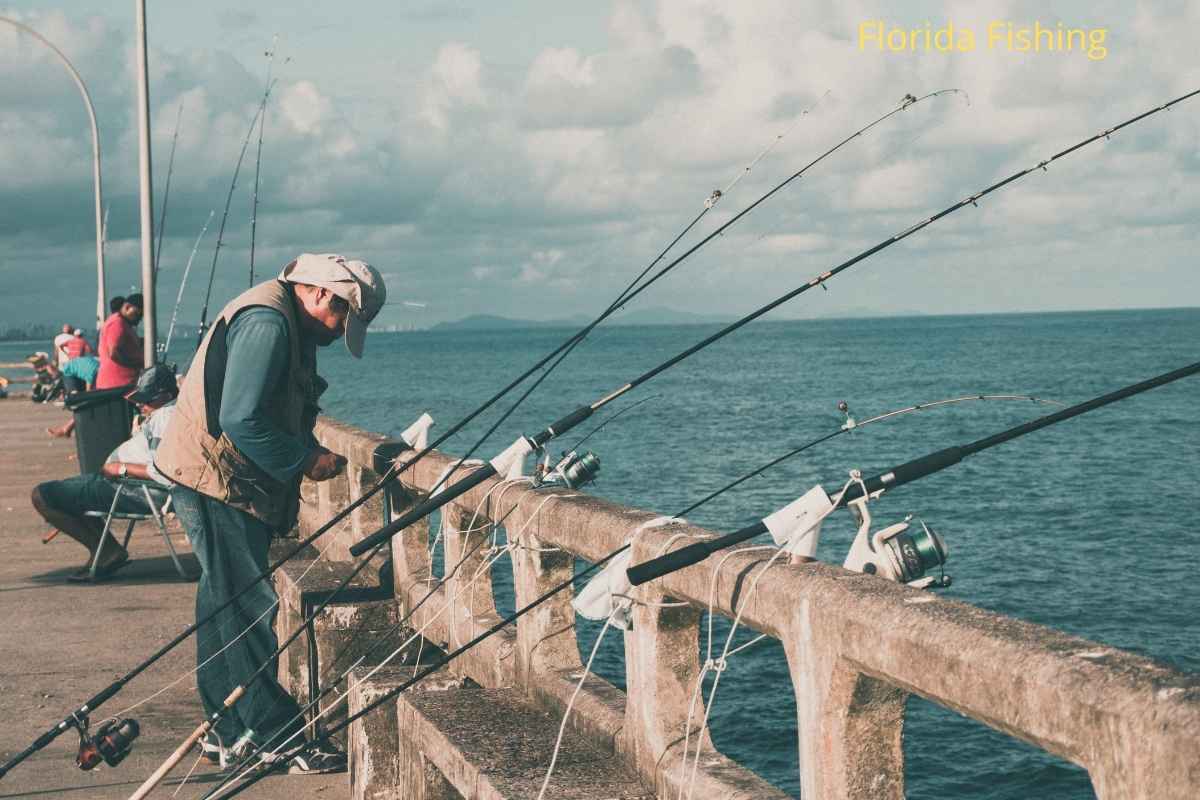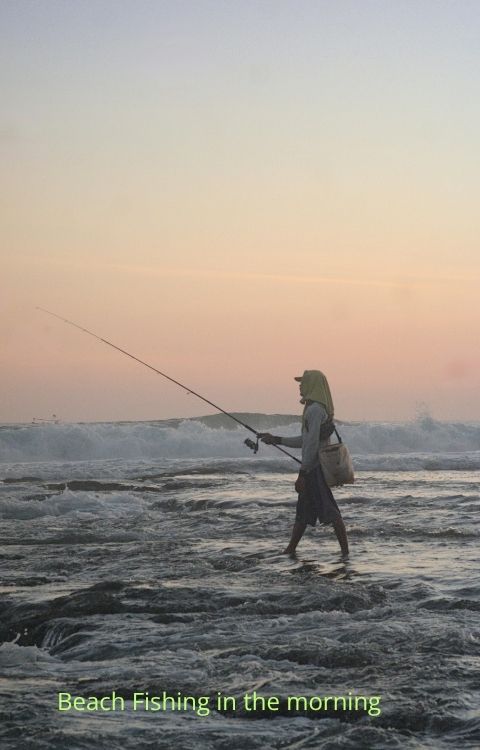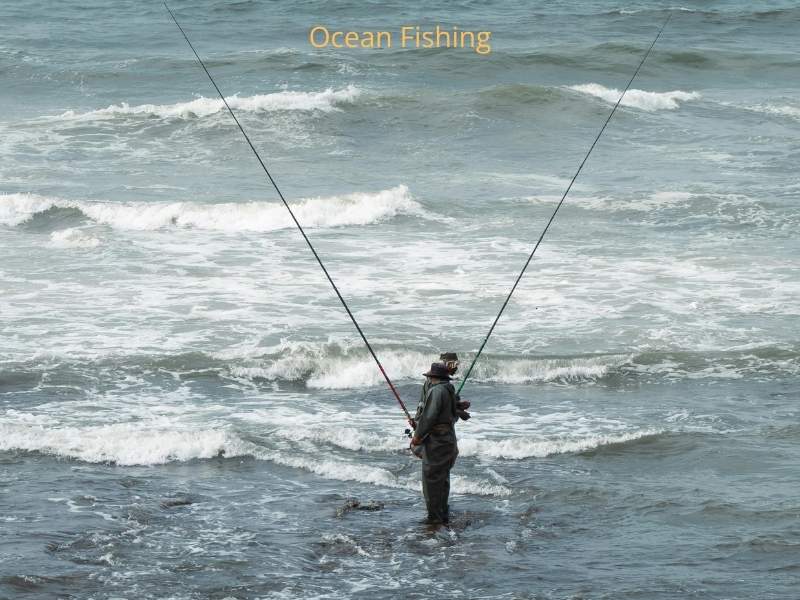
Florida comes alive in July as warm water temperatures, abundant baitfish, and long summer days create outstanding fishing opportunities across the state. Whether you’re casting from the beaches of Jacksonville, exploring the grass flats of Tampa Bay, fishing the mangroves around Naples, or heading offshore from Destin or the Florida Keys, July offers excellent action for anglers of every skill level.
This Florida July Fishing Report covers the entire Sunshine State—from the Florida Panhandle to the Florida Keys and Jacksonville to Naples—highlighting where to fish, what species are biting, the best live bait and artificial lures, recommended rod-and-reel combinations, and proven techniques for freshwater, inshore, and offshore fishing.
Whether you enjoy bass fishing on legendary lakes, stalking redfish on shallow flats, chasing tarpon through coastal passes, or trolling offshore for mahi-mahi and king mackerel, July provides countless opportunities to enjoy Florida’s world-class fisheries
Florida Fishing Conditions in July
July is one of Florida’s hottest months, with daytime air temperatures often reaching the upper 80s and 90s. Surface water temperatures commonly range from 82°F to 89°F, depending on location.
While the heat influences fish behavior, it doesn’t mean fishing slows down. Successful anglers simply adjust their approach by fishing during cooler periods and focusing on moving water.
Best Times to Fish in July
- One hour before sunrise until 10:00 a.m.
- Late afternoon through sunset
- Night fishing around bridges and docks
- During incoming or outgoing tides
- Before approaching thunderstorms (while always keeping safety first)
During the middle of the day, many fish move into deeper water, shaded structure, grass edges, or channels where temperatures are slightly cooler and oxygen levels are higher.
Full Moon vs. New Moon Fishing in July
Moon phases can influence fish activity because they affect tides, current strength, and feeding behavior.
Read the Florida Ultimate Fishing Guide.
Read the Florida Summer Fishing Guide.
Full Moon
During a full moon, many game fish feed throughout the night. As a result, the early morning bite may be slower than usual because fish have already been actively feeding after dark.
However, stronger tidal movement associated with the full moon can improve fishing around:
- Ocean inlets
- Passes
- Bridges
- Oyster bars
- Mangrove shorelines
- Coastal points
Night fishing for snook, tarpon, mangrove snapper, and trout can be especially productive around lighted docks and bridges during the full moon.
New Moon
Many experienced Florida anglers consider the new moon one of the best periods for consistent fishing.
The darker nights often encourage fish to feed more aggressively during daylight hours, especially during moving tides.
New moon periods are excellent for targeting:
- Redfish
- Snook
- Tarpon
- Grouper
- Snapper
- Largemouth bass
- Catfish
Rather than fishing solely by the moon phase, combine moon information with weather conditions, tides, and baitfish activity for the best results.
Understanding Florida’s Summer Tides
Tides are one of the most important factors in saltwater fishing.
Incoming Tide
An incoming tide pushes clean, oxygen-rich water into bays, estuaries, and mangrove shorelines, bringing shrimp, baitfish, and crabs with it.
This is often the best time to target:
- Snook
- Redfish
- Spotted seatrout
- Tarpon
- Mangrove snapper
Outgoing Tide
Outgoing tides flush bait from creeks and marshes, concentrating fish near:
- Creek mouths
- Bridges
- Passes
- Inlets
- Channel edges
Predatory fish often position themselves where current delivers an easy meal.
Slack Tide
Fishing usually slows when current stops moving. If possible, schedule your trip to coincide with periods of moving water rather than slack tide.
Northeast Florida (Jacksonville, Amelia Island & St. Augustine)
Northeast Florida offers some of the state’s most diverse fishing opportunities, combining tidal rivers, marshes, beaches, offshore reefs, and productive estuaries.
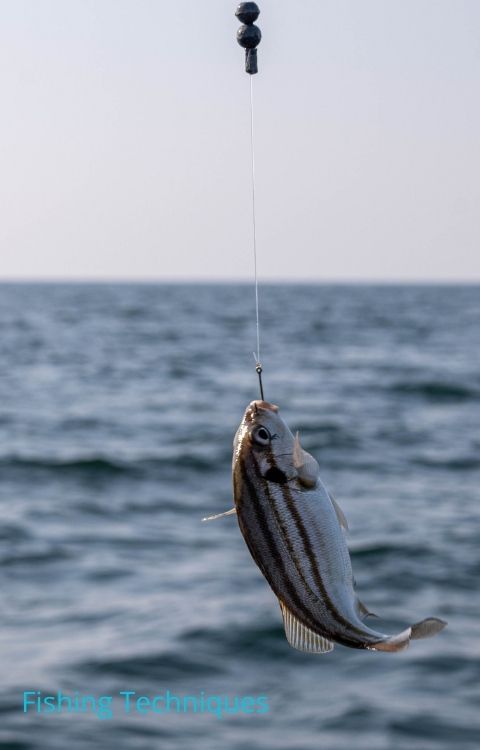
Best Fish to Target in July
Inshore
- Redfish
- Spotted seatrout
- Flounder
- Black drum
- Tarpon
- Mangrove snapper
Offshore
- King mackerel
- Mahi-mahi
- Red snapper (when in season)
- Vermilion snapper
- Grouper
- Amberjack
- Cobia
Top Fishing Locations
- St. Johns River
- Mayport Jetties
- Nassau Sound
- Matanzas Inlet
- Intracoastal Waterway
- St. Augustine Inlet
- Offshore reefs east of Jacksonville
Best Live Baits
- Live shrimp
- Finger mullet
- Menhaden
- Pinfish
- Mud minnows
Best Artificial Lures
- Gold spoons
- Paddle-tail swimbaits
- Topwater walking plugs
- Suspending twitch baits
- Soft jerkbaits
Recommended Tackle
For most inshore species:
- Rod: 7-foot medium-fast spinning rod
- Reel: 3000–4000 size spinning reel
- Line: 15–20 lb braided line
- Leader: 20–30 lb fluorocarbon
For offshore fishing:
- Rod: 7-foot medium-heavy conventional or spinning rod
- Reel: 6000–8000 size
- Line: 40–65 lb braid
- Leader: 50–80 lb fluorocarbon
Central East Florida (Daytona Beach, New Smyrna Beach, Cocoa Beach & Sebastian)
The Atlantic coast from Daytona Beach to Sebastian Inlet is famous for productive lagoons, grass flats, beaches, and nearshore reefs.
The Indian River Lagoon and Mosquito Lagoon continue to produce excellent catches of redfish, trout, and snook throughout July, while offshore anglers can target mahi-mahi, king mackerel, blackfin tuna, and snapper around reefs and weed lines.
Focus on fishing early in the morning or during the last few hours of daylight. Around Sebastian Inlet and Ponce Inlet, moving tides often trigger aggressive feeding activity for snook, tarpon, and jack crevalle.
Use live pilchards, shrimp, threadfin herring, or paddle-tail soft plastics around grass flats, docks, and mangrove shorelines for the best results.
Southeast Florida (West Palm Beach, Boca Raton, Fort Lauderdale & Miami)
Southeast Florida offers some of the most exciting July fishing anywhere in the state. The Atlantic Ocean drops into deep water just a few miles offshore, giving anglers quick access to reef fish and pelagic species while also providing outstanding inshore fishing in bays, canals, mangrove shorelines, and the Intracoastal Waterway.
July is an excellent month to target both resident fish and migratory species. Large schools of baitfish gather around reefs, inlets, and beaches, attracting predators throughout the region.
Best Fish to Catch
Inshore
- Snook
- Tarpon
- Bonefish
- Permit
- Mangrove Snapper
- Jack Crevalle
- Barracuda
- Redfish
- Spotted Seatrout
Offshore
- Mahi-Mahi
- Blackfin Tuna
- King Mackerel
- Sailfish (occasional)
- Wahoo
- Cobia
- Yellowtail Snapper
- Mutton Snapper
- Grouper
Best Fishing Locations
- Biscayne Bay
- Government Cut
- Haulover Inlet
- Hillsboro Inlet
- Lake Worth Inlet
- Miami Beach Artificial Reefs
- Palm Beach Reefs
- Fort Lauderdale Offshore Reefs
Best Live Baits
- Pilchards
- Ballyhoo
- Threadfin Herring
- Pinfish
- Live Shrimp
- Goggle-Eyes
Best Artificial Lures
- Paddle-tail swimbaits
- Topwater walking plugs
- Bucktail jigs
- Twitch baits
- Vertical speed jigs
- Diving plugs
Rod and Reel Setup
Inshore
Rod:
- 7-foot Medium Heavy Fast Action
Reel:
- 4000 spinning reel
Line:
- 20-pound braid
Leader:
- 30-pound fluorocarbon
Offshore
Rod:
- 7-foot Medium Heavy
Reel:
- 6000–8000 spinning reel
Line:
- 40–65-pound braid
Leader:
- 60-pound fluorocarbon
July Fishing Tips
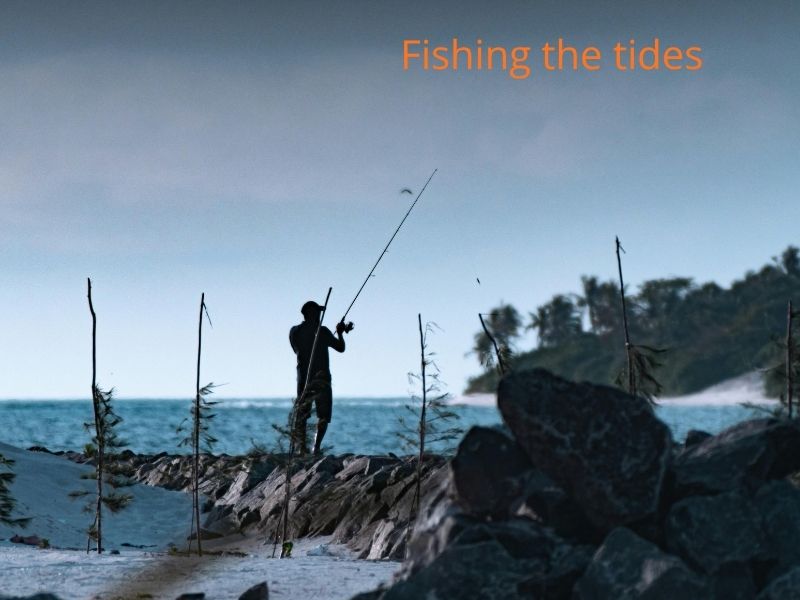
Fish bridges, passes, and inlets during moving tides. Early mornings and evenings generally produce the best action. Snook often feed aggressively around dock lights after sunset, while offshore anglers should watch for floating weed lines that frequently hold mahi-mahi and blackfin tuna.
Florida Keys
The Florida Keys remain one of the world’s premier fishing destinations during July. From Key Largo to Key West, anglers can target everything from bonefish on the flats to mahi-mahi in the Gulf Stream.
The combination of coral reefs, shallow flats, channels, bridges, and blue water creates year-round fishing opportunities, and July is one of the best months for offshore action.
Read the Florida Regions Guide.
Best Fish
Flats
- Bonefish
- Permit
- Tarpon
Reef
- Yellowtail Snapper
- Mangrove Snapper
- Mutton Snapper
- Grouper
- Hogfish
Offshore
- Mahi-Mahi
- Blackfin Tuna
- Wahoo
- Blue Marlin
- White Marlin
- Sailfish (occasional)
- King Mackerel
Top Fishing Areas
- Key Largo
- Islamorada
- Marathon
- Seven Mile Bridge
- Bahia Honda
- Dry Tortugas
- Key West
Best Live Baits
- Ballyhoo
- Pilchards
- Live Shrimp
- Pinfish
- Blue Crabs
- Threadfin Herring
Artificial Lures
- Bucktail jigs
- Vertical jigs
- Soft plastics
- Topwater plugs
- Diving plugs
Recommended Equipment
Flats Fishing
Rod:
- 7-foot Medium
Reel:
- 3000 spinning reel
Line:
- 10–15-pound braid
Leader:
- 20-pound fluorocarbon
Reef Fishing
Rod:
- 7-foot Medium Heavy
Reel:
- 5000 spinning reel
Line:
- 30-pound braid
Leader:
- 40-pound fluorocarbon
Offshore
Rod:
- Heavy trolling rod
Reel:
- Conventional reel
Line:
- 50–80-pound line
Southwest Florida (Fort Myers, Sanibel, Captiva, Pine Island & Naples)
Southwest Florida’s mangrove estuaries, grass flats, oyster bars, and beaches create one of the state’s best inshore fisheries. July is prime time for anglers targeting snook, tarpon, and redfish.
Large schools of baitfish move along beaches and through passes, attracting predators throughout the region.
Best Fish
Inshore
- Snook
- Redfish
- Tarpon
- Spotted Seatrout
- Mangrove Snapper
- Black Drum
- Sheepshead
- Jack Crevalle
Offshore
- Red Grouper
- Gag Grouper
- Mangrove Snapper
- King Mackerel
- Mahi-Mahi
- Amberjack
- Cobia
Best Locations
- Charlotte Harbor
- Pine Island Sound
- Matlacha Pass
- Sanibel Causeway
- Naples Bay
- Gordon Pass
- Marco Island
- Ten Thousand Islands
Live Baits
- Whitebait
- Live Shrimp
- Threadfin Herring
- Finger Mullet
- Pinfish
Artificial Lures
- Gold spoons
- Paddle-tail swimbaits
- Weedless soft plastics
- Topwater plugs
- Shrimp imitations
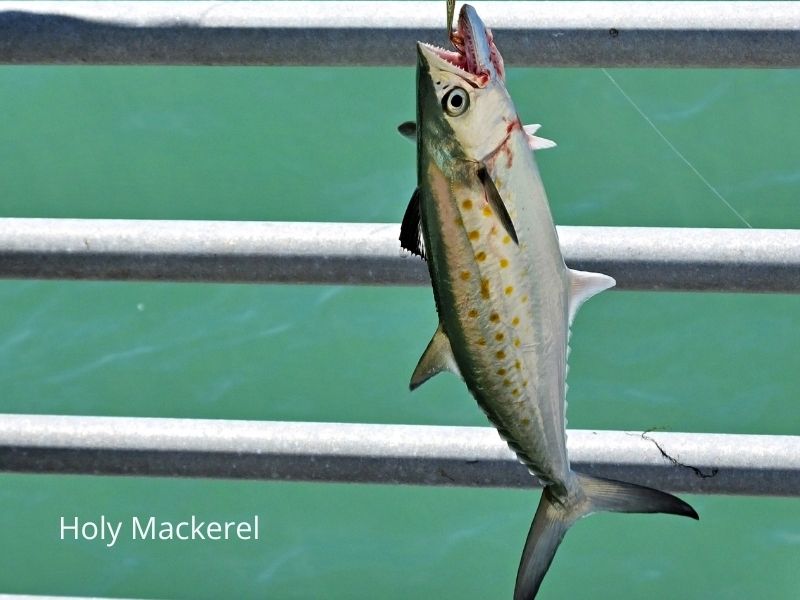
Rod and Reel Setup
Inshore
Rod:
- 7-foot Medium Fast
Reel:
- 3000 spinning reel
Line:
- 15-pound braid
Leader:
- 25-pound fluorocarbon
Offshore
Rod:
- 7-foot Medium Heavy
Reel:
- 6000 spinning reel
Line:
- 40-pound braid
Leader:
- 50-pound fluorocarbon
July Fishing Strategy
Fish mangrove shorelines during incoming tides, especially around sunrise. Tarpon often patrol beaches, passes, and bridges where baitfish are concentrated. Offshore, reefs and wrecks continue to produce quality grouper and snapper when weather conditions permit.
Central West Florida (Tampa Bay, Clearwater, St. Petersburg, Bradenton, Anna Maria Island, Sarasota & Venice)
The central Gulf Coast is one of Florida’s most productive summer fishing regions. Extensive grass flats, mangrove islands, oyster bars, artificial reefs, and deep passes provide excellent habitat for a wide variety of fish.
July is particularly known for outstanding tarpon fishing, productive grass-flat trout action, and excellent mangrove snapper fishing around bridges and docks.
Best Fish
Inshore
- Snook
- Redfish
- Spotted Seatrout
- Tarpon
- Mangrove Snapper
- Spanish Mackerel
- Flounder
Offshore
- Red Grouper
- Gag Grouper
- Mangrove Snapper
- King Mackerel
- Amberjack
- Mahi-Mahi
- Cobia
Best Fishing Locations
- Tampa Bay
- Fort De Soto
- Egmont Key
- Sunshine Skyway Fishing Pier
- Anna Maria Island
- Longboat Pass
- Sarasota Bay
- Venice Inlet
- Artificial Reefs off Sarasota and Manatee County
Best Live Baits
- Whitebait (scaled sardines)
- Live Shrimp
- Finger Mullet
- Pinfish
- Threadfin Herring
Best Artificial Lures
- Topwater plugs
- Paddle-tail swimbaits
- Gold spoons
- Soft jerkbaits
- Shrimp-style soft plastics
Recommended Rod and Reel
Flats Fishing
Rod:
- 7-foot Medium
Reel:
- 3000 spinning reel
Line:
- 15-pound braid
Leader:
- 20-pound fluorocarbon
Tarpon
Rod:
- 7’6″ Heavy
Reel:
- 6000–8000 spinning reel
Line:
- 50-pound braid
Leader:
- 60–80-pound fluorocarbon
Offshore Bottom Fishing
Rod:
- 7-foot Medium Heavy
Reel:
- 6000 spinning reel or conventional reel
Line:
- 40–65-pound braid
Leader:
- 60-pound fluorocarbon
July anglers should take advantage of the first and last few hours of daylight, when snook, redfish, and trout move onto the grass flats to feed. During the afternoon, target bridges, docks, deeper channels, or nearshore reefs where fish find cooler water and stronger currents. Offshore, keep an eye on weather forecasts, as afternoon thunderstorms can develop quickly during Florida’s summer pattern.
Florida Big Bend
Florida’s Big Bend is one of the state’s most overlooked fishing destinations, stretching from Cedar Key north to Apalachicola. Unlike much of Florida’s coastline, the Big Bend features miles of shallow grass flats, oyster bars, tidal creeks, and natural shorelines that support healthy populations of game fish throughout July.
Although summer temperatures are high, early morning and evening fishing can be exceptional. Incoming tides push baitfish across the expansive grass flats, while deeper channels and creek mouths provide cooler water during the afternoon.
Best Fish to Catch
Inshore
- Redfish
- Spotted Seatrout
- Flounder
- Black Drum
- Tripletail
- Spanish Mackerel
- Sheepshead
- Jack Crevalle
Nearshore & Offshore
- Red Grouper
- Gag Grouper
- Mangrove Snapper
- King Mackerel
- Amberjack
- Cobia
Best Fishing Destinations
- Cedar Key
- Horseshoe Beach
- Steinhatchee
- Keaton Beach
- St. Marks
- Carrabelle
- Apalachicola Bay
Best Live Baits
- Live Shrimp
- Pinfish
- Finger Mullet
- Mud Minnows
- Threadfin Herring
Best Artificial Lures
- Gold Spoons
- Paddle-Tail Swimbaits
- Soft Jerkbaits
- Topwater Walking Plugs
- Weedless Shrimp Imitations
Recommended Rod & Reel
Grass Flats
Rod
- 7-foot Medium Fast
Reel
- 3000 Spinning Reel
Line
- 15-pound Braided Line
Leader
- 20-pound Fluorocarbon
Nearshore
Rod
- 7-foot Medium Heavy
Reel
- 5000–6000 Spinning Reel
Line
- 30-pound Braid
Leader
- 40-pound Fluorocarbon
Fishing grass flats during the first two hours after sunrise is often the most productive strategy in July before water temperatures climb.
Florida Panhandle
From Pensacola to Apalachicola, the Florida Panhandle offers exceptional fishing opportunities throughout July. Emerald-green Gulf waters, productive bays, passes, artificial reefs, and offshore structures provide anglers with endless options.
Calm mornings often allow boats to reach offshore reefs before afternoon thunderstorms develop, making early departures the safest and most productive approach.
Best Inshore Fish
- Speckled Trout
- Redfish
- Flounder
- Black Drum
- Mangrove Snapper
- Spanish Mackerel
- Bluefish
- Ladyfish
Best Offshore Fish
- Red Snapper (during open seasons)
- Vermilion Snapper
- Gag Grouper
- Scamp Grouper
- Amberjack
- Triggerfish
- King Mackerel
- Mahi-Mahi
- Blackfin Tuna
Top Fishing Locations
Pensacola
- Pensacola Bay
- Pensacola Pass
- Gulf Fishing Pier
Destin
- East Pass
- Choctawhatchee Bay
- Artificial Reefs
Panama City Beach
- St. Andrews Bay
- Mexico Beach
- Offshore Wrecks
Port St. Joe
- St. Joseph Bay
- Cape San Blas
- Offshore Reefs
Apalachicola
- Apalachicola Bay
- East Bay
- Barrier Islands
Best Live Baits
- Live Shrimp
- Menhaden
- Finger Mullet
- Pinfish
- Cigar Minnows
- Squid
Best Artificial Lures
- Paddle-Tail Swimbaits
- Bucktail Jigs
- Vertical Jigs
- Diamond Jigs
- Gold Spoons
- Deep Diving Plugs
Rod & Reel Recommendations
Bay Fishing
Rod
- 7-foot Medium
Reel
- 3000 Spinning Reel
Line
- 15-pound Braid
Leader
- 20-pound Fluorocarbon
Offshore Bottom Fishing
Rod
- 7-foot Heavy Conventional
Reel
- Conventional Reel
Line
- 50-pound Braid
Leader
- 60–80-pound Fluorocarbon
Florida Freshwater Fishing in July
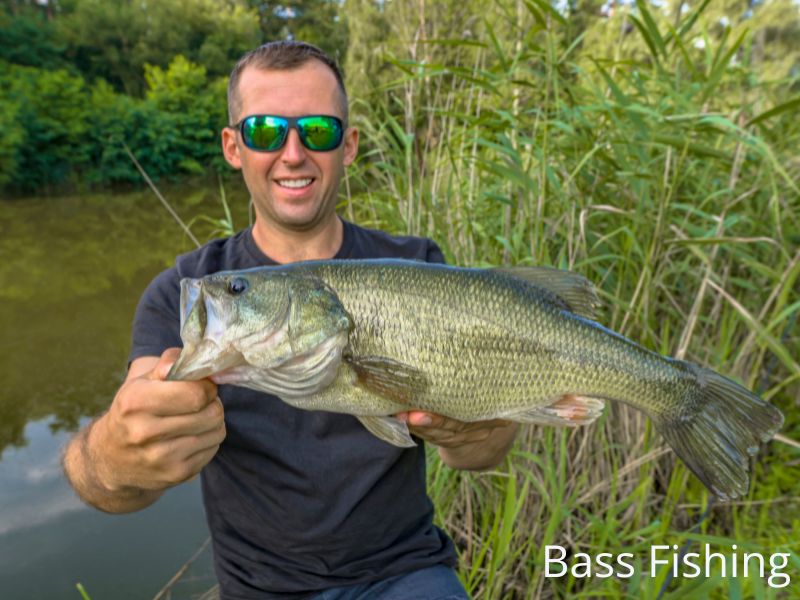
Although Florida is famous for saltwater fishing, July also offers excellent freshwater opportunities throughout the state. Warm water temperatures encourage fish to seek deeper water, shaded vegetation, submerged timber, docks, and flowing water.
The key is fishing early in the morning, late in the evening, or after passing summer rain showers once conditions are safe.
Best Freshwater Species
- Largemouth Bass
- Peacock Bass (South Florida)
- Bluegill
- Shellcracker
- Black Crappie
- Channel Catfish
- Bullhead Catfish
- Bowfin
Best Lakes
- Lake Okeechobee
- Harris Chain of Lakes
- Kissimmee Chain
- Rodman Reservoir
- Lake Tohopekaliga
- Lake Istokpoga
- Orange Lake
- St. Johns River
July Bass Fishing
Bass often hold in:
- Hydrilla
- Lily Pads
- Boat Docks
- Fallen Timber
- Canal Edges
- Drop-Offs
- Deep Grass Lines
Morning
- Hollow Body Frogs
- Walking Topwater Baits
- Buzzbaits
Midday
- Texas-Rigged Worms
- Carolina Rigs
- Punch Rigs
- Deep Diving Crankbaits
Evening
- Spinnerbaits
- Swim Jigs
- Soft Plastic Stick Worms
Bluegill & Shellcracker
These popular panfish provide excellent action for families during the summer.
Best Baits
- Red Worms
- Crickets
- Wax Worms
- Beetle Spins
Rod
- 6-foot Ultra-Light Spinning Rod
Line
- 4–6-pound Monofilament
Catfish
Catfish become especially active after sunset.
Best Baits
- Chicken Liver
- Cut Bait
- Shrimp
- Night Crawlers
- Prepared Catfish Bait
Rod
- Medium Heavy Spinning Outfit
Line
- 20-pound Braided Line
Best Rod and Reel Combinations
| Fishing Style | Rod | Reel | Line |
|---|---|---|---|
| Bass | 7′ Medium Heavy | 2500–3000 | 15–20 lb Braid |
| Panfish | 6’6″ Light | 1000 | 4–6 lb Mono |
| Inshore Saltwater | 7′ Medium | 3000–4000 | 15–20 lb Braid |
| Snook & Redfish | 7′ Medium Heavy | 4000 | 20 lb Braid |
| Tarpon | 7’6″ Heavy | 6000–8000 | 50–65 lb Braid |
| Reef Fishing | 7′ Medium Heavy | 5000–6000 | 30–40 lb Braid |
| Offshore Bottom Fishing | 7′ Heavy | Conventional | 50–65 lb Braid |
| King Mackerel | 7′ Medium Heavy | Conventional | 30 lb Mono |
| Mahi-Mahi | 7′ Medium Heavy | 6000 | 40 lb Braid |
Fishing the Summer Heat
July’s high temperatures require anglers to adjust their approach.
The most productive periods are usually:
- Sunrise until mid-morning
- Late afternoon until sunset
- Night fishing around bridges, docks, passes, and lighted seawalls
During the hottest part of the day, focus on:
- Deeper channels
- Bridge pilings
- Mangrove shade
- Offshore reefs
- Deep freshwater structure
- Areas with moving current
Fish naturally seek cooler, oxygen-rich water, making these locations consistently productive throughout July.
Fishing the Moon Phases in July
Many Florida anglers plan their fishing trips around the moon because it influences tidal movement, current strength, baitfish activity, and feeding periods. While weather, tides, and water conditions often have a greater impact than the moon alone, understanding moon phases can help improve success.
Full Moon Fishing
The full moon creates stronger tidal swings and increased nighttime light.
Advantages
- Stronger incoming and outgoing tides
- Increased water movement around passes and inlets
- Excellent night fishing
- Active tarpon around bridges
- Outstanding snook fishing around dock lights
- Productive offshore trolling during early morning
Challenges
Because many fish feed throughout the night during a full moon, the first few hours after sunrise can sometimes be slower than during darker moon phases.
Best strategy:
- Fish before sunrise.
- Target moving tides.
- Concentrate on bridges, passes, beaches, and inlets.
- Fish after sunset around lighted structures.
New Moon Fishing
Many experienced Florida anglers consider the new moon one of the best periods of the month.
With darker nights, many game fish feed more aggressively during daylight hours.
Excellent species include:
- Snook
- Redfish
- Tarpon
- Trout
- Mangrove Snapper
- Bass
- Catfish
Incoming tides during a new moon often create some of the strongest feeding windows of the month.
Understanding Florida’s Summer Tides
For saltwater anglers, tides are often more important than the weather.
Incoming Tide
An incoming tide brings cooler, oxygen-rich water into:
- Grass flats
- Mangrove shorelines
- Oyster bars
- Creeks
- Bays
Fish commonly feeding include:
- Snook
- Redfish
- Trout
- Tarpon
- Mangrove Snapper
Outgoing Tide
An outgoing tide pulls shrimp, baitfish, and crabs toward deeper water.
Prime locations include:
- Creek mouths
- Passes
- Bridges
- Channels
- Inlets
Predators often wait in these areas for an easy meal.
Slack Tide
Fishing generally slows when the current stops moving.
Whenever possible, schedule your trip to fish the two hours before and after tide changes, when current is strongest and baitfish are most active.
Fishing During Florida’s Summer Heat
July is one of Florida’s hottest months, but excellent fishing is still available with the right approach.
Early Morning
Usually the best bite of the day.
Target:
- Grass flats
- Beaches
- Oyster bars
- Shorelines
- Weed lines
Afternoon
As temperatures climb:
- Fish deeper channels.
- Work bridge pilings.
- Target docks and mangrove shade.
- Move offshore to reefs and wrecks.
- Fish areas with strong current.
Evening
As water temperatures begin to cool:
- Snook move onto flats.
- Redfish leave deeper water.
- Trout feed aggressively.
- Tarpon continue chasing bait around passes.
Night Fishing
Some of Florida’s best July fishing occurs after sunset.
Excellent locations include:
- Bridges
- Dock lights
- Lighted canals
- Passes
- Beaches during tarpon season
Target species:
- Snook
- Tarpon
- Mangrove Snapper
- Trout
- Catfish
Summer Weather Tips
Florida’s summer weather pattern is predictable but requires careful planning.
Before Leaving
- Check marine forecasts.
- Review radar.
- Verify wind conditions.
- Monitor lightning forecasts.
Afternoon Thunderstorms
Storms commonly develop between 2:00 and 6:00 p.m.
If thunder is heard:
- Return to shore immediately.
- Do not remain on open water.
- Secure fishing equipment.
- Wait until storms have completely passed before returning.
Safety should always take priority over fishing.
Best Live Baits for July
Saltwater
- Live Shrimp
- Whitebait (Scaled Sardines)
- Threadfin Herring
- Pilchards
- Finger Mullet
- Pinfish
- Ballyhoo
- Croakers
- Mud Minnows
Freshwater
- Wild Shiners
- Live Minnows
- Night Crawlers
- Crickets
- Red Worms
Best Artificial Lures
Saltwater
- Paddle-Tail Swimbaits
- Gold Spoons
- Topwater Walking Plugs
- Soft Jerkbaits
- Twitch Baits
- Bucktail Jigs
- Vertical Jigs
- Shrimp Imitations
Freshwater
- Plastic Worms
- Creature Baits
- Spinnerbaits
- Chatterbaits
- Lipless Crankbaits
- Hollow Body Frogs
- Swim Jigs
- Deep Diving Crankbaits
July 2026 Moon Cycle & Fishing Forecast
Planning your fishing trips around the moon can improve your chances of success, especially when combined with favorable tides, weather conditions, and active baitfish. While the moon is only one factor, many experienced Florida anglers schedule trips around the new moon and full moon because these phases often produce stronger tidal movement and increased feeding activity.
| Moon Phase | Date (2026) | Fishing Outlook |
|---|---|---|
| First Quarter | July 22 | Good fishing as tidal movement begins to increase. Excellent for inshore species during moving water. |
| Full Moon | July 29 | Excellent for night fishing, tarpon, snook, mangrove snapper, and offshore species. Expect stronger tides and increased current around passes, bridges, and inlets. Morning fishing may be slower if fish have fed heavily overnight. |
| Last Quarter | July 6 | Good fishing, especially during early morning and evening. Moderate tidal movement creates consistent opportunities for redfish, trout, and bass. |
| New Moon | July 14 | One of the best fishing periods of the month. Strong tidal flow and darker nights often lead to aggressive daytime feeding from snook, redfish, tarpon, trout, mangrove snapper, and largemouth bass. |
Best Fishing Days in July 2026
Many anglers consider these windows among the most productive:
- July 12–16 (centered on the New Moon) – Excellent for inshore fishing, offshore trips, and freshwater bass fishing.
- July 27–31 (centered on the Full Moon) – Outstanding for tarpon, snook, mangrove snapper, king mackerel, and night fishing around bridges, docks, and passes.
Moon Phase Strategy
- New Moon: Focus on daylight fishing during moving tides. Fish grass flats, mangrove shorelines, oyster bars, and creek mouths where baitfish are concentrated.
- Full Moon: Take advantage of stronger tidal currents and excellent nighttime fishing. Dock lights, bridges, inlets, beaches, and passes are prime locations for snook, tarpon, trout, and mangrove snapper.
- Quarter Moons: Although tidal movement is less dramatic, these periods can provide steady fishing pressure with fewer anglers on the water, making them ideal for targeting redfish, spotted seatrout, bass, and panfish.
Remember that moon phases work best when combined with favorable weather, clean water, moving tides, and active baitfish. Always check the local tide tables and marine forecast before planning your trip.
Frequently Asked Questions
What are the best fish to catch in Florida during July?
July offers outstanding opportunities for snook, redfish, tarpon, spotted seatrout, mangrove snapper, grouper, king mackerel, mahi-mahi, largemouth bass, bluegill, and catfish.
What time of day is best for fishing?
The best fishing generally occurs:
- Before sunrise
- Sunrise until 10:00 a.m.
- Late afternoon
- After sunset
- During moving tides
Is July too hot for fishing?
No. Fish adapt by moving into deeper water, shaded structure, or areas with stronger current. Anglers who fish early, late, or at night often enjoy excellent success.
What bait works best?
Live shrimp, whitebait, finger mullet, pinfish, threadfin herring, and wild shiners consistently produce excellent catches. Artificial lures such as paddle-tail swimbaits, topwater plugs, and soft jerkbaits are also highly effective.
What rod and reel should beginners use?
A 7-foot medium spinning rod paired with a 3000–4000 size spinning reel spooled with 15–20-pound braided line is one of the most versatile setups for Florida inshore fishing. Freshwater anglers targeting bass can use a 7-foot medium-heavy rod with 15–20-pound braid.
Final Thoughts
July is one of the most exciting months to fish in Florida. From the emerald waters of the Panhandle to the coral reefs of the Florida Keys, and from the St. Johns River near Jacksonville to the mangrove-lined shores of Naples, anglers can enjoy exceptional freshwater and saltwater fishing throughout the state.
Success comes from adapting to summer conditions. Fish during cooler parts of the day, pay close attention to tides and weather, match your bait and tackle to the species you’re targeting, and always check current regulations before heading onto the water.
Whether you’re casting from a neighborhood pond, fishing a public pier, paddling a kayak through a quiet estuary, or running offshore in search of trophy fish, Florida offers unforgettable fishing adventures every July.
Tight lines, stay safe on the water, and enjoy another incredible month of fishing with Florida’s Fun.Final Thoughts
July is one of the most exciting months to fish in Florida. From the emerald waters of the Panhandle to the coral reefs of the Florida Keys, and from the St. Johns River near Jacksonville to the mangrove-lined shores of Naples, anglers can enjoy exceptional freshwater and saltwater fishing throughout the state.
Success comes from adapting to summer conditions. Fish during cooler parts of the day, pay close attention to tides and weather, match your bait and tackle to the species you’re targeting, and always check current regulations before heading onto the water.
Whether you’re casting from a neighborhood pond, fishing a public pier, paddling a kayak through a quiet estuary, or running offshore in search of trophy fish, Florida offers unforgettable fishing adventures every July.
Tight lines, stay safe on the water, and enjoy another incredible month of fishing with Florida’s Fun.