September can be one of the most exciting months on Florida’s fishing calendar. Summer is still very much alive, but subtle seasonal changes begin showing up throughout the state. Warm water keeps many tropical and warm-water species active while shorter days gradually begin the transition toward fall.
From largemouth bass hiding around Florida’s freshwater vegetation to snook feeding along Gulf Coast passes, redfish cruising shallow flats, snapper holding around reefs, and pelagic fish traveling Atlantic waters, September gives anglers an enormous variety of possibilities.
Florida has more than 8,000 lakes, ponds and reservoirs and roughly 12,000 miles of fishable rivers, streams and canals, according to the Florida Fish and Wildlife Conservation Commission (FWC).
This September 2026 Florida Fishing Guide covers fishing from the Panhandle to the Florida Keys and Jacksonville to Naples, including freshwater lakes and rivers, Gulf and Atlantic beaches, bridges, fishing piers, bays, inlets, flats and offshore waters.
We’ll also look at the September 2026 moon cycle, fishing the tides, rods and reels, live and artificial bait, boat types, thunderstorms and hurricane safety.
Quick Answer: Is September a Good Month to Fish in Florida?
Yes. September can be an excellent month for Florida fishing, particularly for anglers willing to fish early and late in the day and adjust to changing weather.
Good September targets can include:
- Snook
- Redfish
- Spotted seatrout
- Tarpon
- Mangrove snapper
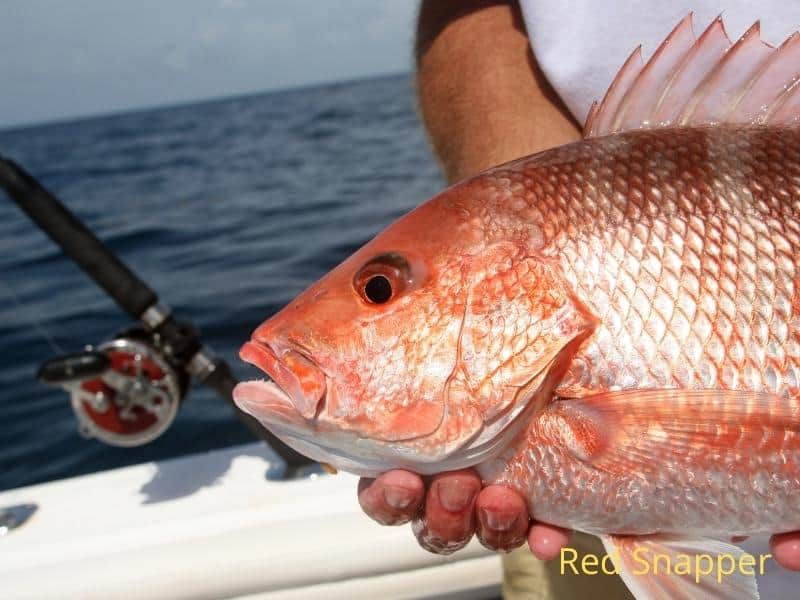
- Red snapper where legally open
- Gag grouper where legally open
- King mackerel
- Spanish mackerel
- Mahi-mahi
- Sharks
- Largemouth bass
- Bluegill
- Catfish
- Crappie
September is also a month when anglers should pay particularly close attention to heat, thunderstorms, tropical systems, tides and rapidly changing marine conditions.
September 2026 Moon Phases and Florida Fishing
The moon doesn’t magically make fish bite, but its gravitational relationship with Earth contributes to tides. For saltwater anglers, the combination of moon phase, tide, current, sunrise, sunset and weather can help identify potentially productive fishing windows.
The U.S. Naval Observatory lists these September 2026 primary lunar phases in Universal Time:
| Moon Phase | September 2026 |
|---|---|
| Third Quarter | September 4 |
| 🌑 New Moon | September 11 |
| First Quarter | September 18 |
| 🌕 Full Harvest Moon | September 26 |
New Moon — September 11
Around a new moon, the combined gravitational influence of the sun and moon tends to produce larger tidal ranges, commonly called spring tides.
That can mean stronger moving water in passes, bridges, inlets and channels.
Try fishing:
- Pass mouths
- Bridge pilings
- Creek mouths
- Mangrove points
- Oyster bars
- Inlets
Snook, redfish, tarpon and snapper often position themselves where moving water carries bait past structure.
Full Harvest Moon — September 26
September’s full moon is the Harvest Moon in 2026.
Again, anglers can encounter stronger tidal movement around the full moon.
Don’t assume the exact moment of the full moon is automatically the month’s best fishing. Local tide, wind, barometric pressure, water clarity, bait concentrations and temperature can matter just as much or more.
Instead, use the moon as one part of your fishing plan.
How to Fish Florida’s Tides in September
Understanding moving water is one of the most important saltwater fishing skills you can develop.
Incoming Tide
An incoming tide pushes Gulf or Atlantic water toward shore and into bays, estuaries and tidal creeks.
Try:
- Grass-flat edges
- Mangrove shorelines
- Oyster bars
- Passes
- Beaches
- Creek mouths
Predators may move shallower as water rises.
High Tide
High water can allow fish to reach areas unavailable at lower stages.
Look around:
- Flooded mangrove edges
- Grass
- Docks
- Seawalls
- Deep shoreline structure
This can be particularly productive for snook and redfish.
Outgoing Tide
The outgoing tide drains water from bays, flats and creeks.
This can create excellent ambush situations.
Position your lure or bait near:
- Creek mouths
- Cuts
- Passes
- Drainage points
- Channel edges
- Bridge pilings
The goal is to imitate prey being carried naturally with the current.
Low Tide
When the water gets shallow, fish often concentrate in:
- Deeper holes
- Channels
- Passes
- Drop-offs
- Bridge channels
Instead of fishing the entire flat, identify the remaining deeper water.
Florida Panhandle Fishing in September
The Panhandle provides everything from freshwater bass fishing to protected bays and offshore Gulf reefs.
Good areas include:
Pensacola
Destin
Choctawhatchee Bay
Panama City
St. George Island
Apalachicola
September targets
Look for:
- Redfish
- Speckled trout
- Spanish mackerel
- King mackerel
- Flounder
- Snapper
- Grouper
- Largemouth bass
- Catfish
- Bream
Inshore
Fish grass beds, oyster bars, docks and bay structure.
A 7-foot medium-light or medium spinning rod with 10–15-pound braid makes a versatile setup.
Try:
- Live shrimp
- Finger mullet
- Pinfish
- Soft-plastic paddletails
- Shrimp imitations
- Topwater plugs early
Offshore
Destin and Panama City provide access to productive Gulf structure.
September 2026 is particularly noteworthy because Florida’s Gulf recreational red snapper fall season is open daily September 1 through October 4 for eligible recreational anglers covered by the announced season. FWC lists a 16-inch total-length minimum and two-fish daily limit for the applicable Gulf recreational fishery. Check exactly which rules apply to your vessel before fishing.
Big Bend Fishing
Florida’s Big Bend offers a different experience from heavily developed portions of the peninsula.
Think:
- Seagrass
- Oyster bars
- Tidal creeks
- Rivers
- Rocky bottom
- Shallow flats
Look around:
- Steinhatchee
- Keaton Beach
- Cedar Key
- Crystal River
- Homosassa
September targets include redfish, trout, mangrove snapper and other warm-water species.
A shallow-draft bay boat, skiff or kayak can be extremely useful here because some areas become exceptionally shallow.
Watch the tide carefully.
Tampa Bay and Central Gulf Coast
Tampa Bay provides nearly every style of inshore saltwater fishing.
Fish:
- Skyway area
- Fort De Soto
- Tampa Bay flats
- Mangrove shorelines
- Bridges
- Passes
- Channels
- Beaches
September possibilities include:
Snook
Redfish
Spotted seatrout
Mangrove snapper
Tarpon
Spanish mackerel
Sharks
Live bait choices include shrimp, pilchards, pinfish and mullet.
Artificial options include:
- Paddletails
- Jerk shads
- Topwater plugs
- Suspending plugs
- Spoons
Sarasota and Manatee County Fishing
For Florida’s Fun readers, Sarasota and Manatee Counties deserve particular attention because this region offers remarkable fishing diversity.
Fish:
- Sarasota Bay
- Palma Sola Bay
- Anna Maria Island
- Longboat Key
- Bradenton Beach
- Venice
- Local passes
- Bridges
- Grass flats
- Mangrove shorelines
September Snook
September brings an important regulatory change.
FWC says recreational snook harvest reopens September 1 in the Panhandle, Big Bend, Tampa Bay and Sarasota Bay management regions. However, the Charlotte Harbor and Southwest management regions do not reopen until October 1. Regulations are regional, so verify your exact fishing location and current size/bag rules before harvesting a fish.
Fishing techniques include live pilchards near structure, shrimp around docks, or artificial paddletails and plugs around moving water.
Southwest Florida: Charlotte Harbor to Naples
Continue south through:
- Charlotte Harbor
- Pine Island
- Fort Myers
- Sanibel area
- Estero Bay
- Naples
- Ten Thousand Islands
September can produce excellent inshore fishing, but remember that snook harvest remains closed during September in the Charlotte Harbor and Southwest management regions, even though catch-and-release fishing may still provide action.
Look for:
- Snook
- Redfish
- Trout
- Tarpon
- Mangrove snapper
- Sharks
Mangrove shorelines and tidal creeks become particularly interesting as bait moves with the tide.
Florida Keys Fishing in September
Few destinations offer the diversity of the Florida Keys.
Anglers can fish:
Florida Bay
Mangrove islands
Bridges
Flats
Atlantic reefs
Wrecks
Deep offshore water
Possible targets include:
- Tarpon
- Bonefish
- Permit
- Snapper
- Grouper
- Barracuda
- Sharks
- Mahi-mahi
- Tuna
Flats
Use lighter spinning equipment or fly tackle for bonefish and permit.
Stealth becomes extremely important in clear shallow water.
Bridges
The Keys’ bridges create current and structure.
Live bait drifting naturally with current can be productive for snapper and other predators.
Reef fishing
Use heavier tackle for snapper and grouper around reefs and wrecks.
Miami, Fort Lauderdale and Southeast Florida
Florida’s Atlantic coast becomes deep relatively close to shore in many areas, creating opportunities for both nearshore and offshore fishing.
September targets may include:
- Mahi-mahi
- King mackerel
- Wahoo
- Tuna
- Sailfish
- Snapper
- Snook
- Tarpon
Mahi Fishing
Search for:
- Weed lines
- Floating debris
- Current edges
- Diving birds
- Baitfish
Rather than trolling aimlessly, look for signs of life.
When one mahi is hooked, other fish sometimes remain near the boat.
Palm Beach, Treasure Coast and Space Coast
Moving north, productive fishing stretches through:
- Palm Beach
- Jupiter
- Stuart
- Fort Pierce
- Sebastian
- Melbourne
- Cocoa Beach
- Cape Canaveral
Inlets can become fishing highways.
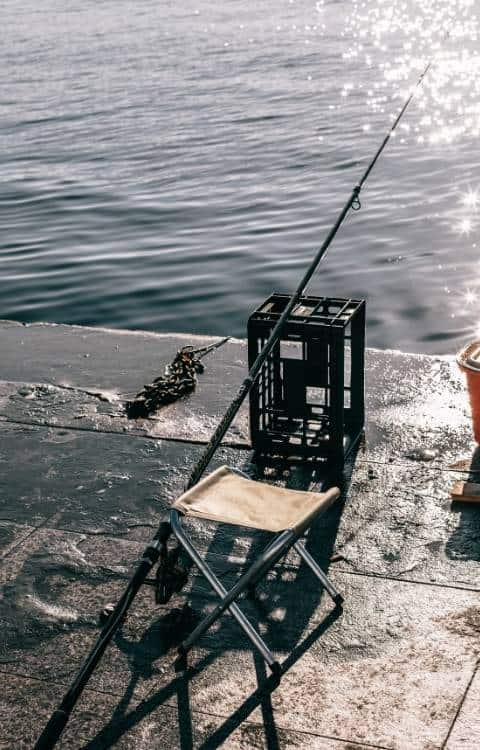
Fish around:
- Jetties
- Inlets
- Bridges
- Beaches
- Nearshore reefs
- Offshore structure
Strong currents demand heavier weights and careful boat positioning.
Jacksonville and Northeast Florida
Northeast Florida offers rivers, estuaries, inlets, beaches and Atlantic offshore fishing.
Important areas include:
- St. Johns River
- Jacksonville Beach
- Mayport
- Nassau Sound
- Amelia Island
- St. Augustine
Redfish can be an important inshore target.
Look around:
- Creek mouths
- Oyster bars
- Docks
- Deep bends
- Bridge structure
Try shrimp, mullet or crab depending on the target species and location.
Jacksonville and Northeast Florida
Northeast Florida offers rivers, estuaries, inlets, beaches and Atlantic offshore fishing.
Important areas include:
- St. Johns River
- Jacksonville Beach
- Mayport
- Nassau Sound
- Amelia Island
- St. Augustine
Redfish can be an important inshore target.
Look around:
- Creek mouths
- Oyster bars
- Docks
- Deep bends
- Bridge structure
Try shrimp, mullet or crab depending on the target species and location.
Lake Okeechobee
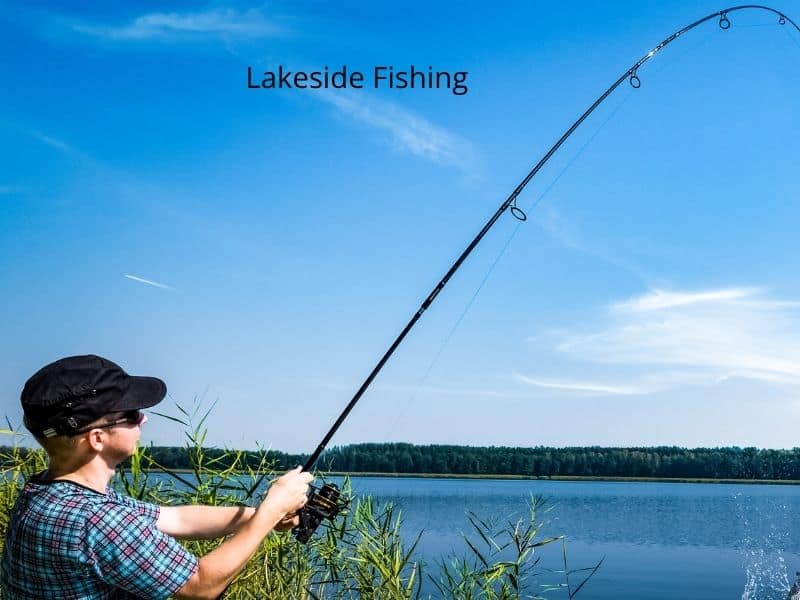
Lake Okeechobee is one of Florida’s iconic largemouth bass destinations.
September heat often makes timing critical.
Early morning
Try:
- Topwater frogs
- Walking baits
- Spinnerbaits
Later
Move toward:
- Vegetation
- Drop-offs
- Shaded cover
- Deeper water
Use:
- Texas-rigged worms
- Creature baits
- Jigs
- Weedless soft plastics
A 7-foot medium-heavy baitcasting rod paired with strong braided line is useful around heavy vegetation.
Kissimmee Chain of Lakes
The Kissimmee Chain provides extensive bass habitat.
Look for:
- Hydrilla
- Lily pads
- Kissimmee grass
- Canal entrances
- Drop-offs
Fish early before September heat becomes intense.
FWC also identifies the Kissimmee Chain among Florida’s well-known crappie waters.
St. Johns River
The St. Johns River provides an entirely different freshwater experience.
Target:
- Bass
- Crappie
- Bream
- Catfish
Fish bends, vegetation, creek entrances and structure.
FWC identifies the St. Johns among the state’s renowned crappie fisheries.
Lake Talquin and Northwest Florida
Near Tallahassee, Lake Talquin offers bass, crappie, bream and catfish opportunities.
FWC specifically identifies the Ochlockonee River/Lake Talquin system as one of its notable fisheries and notes Lake Talquin’s reputation for black crappie.
South Florida Canals
South Florida’s canal systems provide one of the state’s most unusual freshwater fisheries.
In addition to largemouth bass, anglers can encounter peacock bass in suitable southern waters.
For peacock bass, try:
- Small jerkbaits
- Live shiners
- Small swimbaits
- Topwater lures
Their aggressive strikes make them excellent light-tackle sportfish.
Crappie Fishing in September
September isn’t peak Florida crappie season, but that doesn’t mean you should ignore them.
FWC says crappie spend considerable time offshore and anglers often locate schools by drifting deeper water with small minnows or freshwater grass shrimp. Night fishing can also be productive year-round.
Try:
- 1/16-ounce jigs
- 1/8-ounce jigs
- Small minnows
- Light-wire hooks
Use an ultralight or light spinning rod.
Florida Pier Fishing in September
You don’t need a boat to enjoy Florida fishing.
Piers provide access to deeper water and structure.
Depending on location, pier anglers can encounter:
- Spanish mackerel
- Sheepshead
- Snapper
- Snook
- Pompano
- Whiting
- Sharks
- Jack crevalle
Bring multiple rigs.
A good combination is:
7-foot medium spinning rod for general fishing
and
8–10-foot medium-heavy rod for larger fish and longer casts.
September Beach and Surf Fishing
Florida has hundreds of miles of fishable shoreline.
Look for:
- Troughs
- Sandbars
- Cuts
- Points
- Bait schools
- Birds
Don’t automatically cast as far as possible.
Fish often travel through the first trough relatively close to shore.
Surf setup
Try:
Rod: 9–12 feet
Reel: 4000–6000 spinning reel
Line: 15–30-pound braid
Leader: Fluorocarbon or monofilament appropriate for target species
Baits:
- Shrimp
- Sand fleas
- Cut bait
- Mullet
- Fish bites/scented baits where appropriate
Inshore Rod and Reel Setup
For someone who wants one highly versatile Florida inshore outfit:
Rod: 7–7½-foot medium or medium-heavy fast-action spinning rod
Reel: 3000–4000
Main line: 10–20-pound braid
Leader: roughly 20–40-pound fluorocarbon depending on water clarity, structure and target species
This can handle a tremendous amount of Florida fishing.
Offshore Rods and Tackle
Offshore tackle depends heavily upon what you’re targeting.
Reef fishing
Use heavier conventional or spinning equipment capable of controlling fish around structure.
Trolling
Conventional trolling equipment works for kingfish, mahi and other pelagic species.
Vertical jigging
Use purpose-built jigging rods and metal jigs.
Bottom fishing
Use enough weight to maintain contact with the bottom without using unnecessary weight.
Current, depth and wind determine sinker size.
What Type of Boat Is Best?
There isn’t one perfect Florida fishing boat.
Flats boat
Best for:
- Shallow grass
- Redfish
- Snook
- Trout
Bay boat
One of Florida’s most versatile options.
Good for:
- Bays
- Inshore
- Passes
- Nearshore water
Center-console
Excellent for:
- Nearshore
- Offshore
- Reefs
- Trolling
- Bottom fishing
Kayak
Excellent for:
- Mangrove creeks
- Protected bays
- Flats
- Freshwater lakes
But September weather makes careful planning particularly important.
Pontoon
Good for family freshwater fishing and protected-water outings, but it isn’t a substitute for an offshore-capable boat.
The farther offshore you intend to travel, the more important hull design, fuel range, communications equipment, safety gear and weather planning become.
September 2026 Gulf Grouper Opportunity
September brings another important opportunity.
FWC has announced that the 2026 recreational gag grouper season runs September 1–30 in Gulf state waters, excluding Monroe County state waters, and FWC says this aligns with the adjacent federal-water season. Current FWC information lists a 24-inch total-length minimum and two fish per person within the four-grouper aggregate for the applicable Gulf fishery.
This makes September potentially important for Gulf offshore anglers.
Look around:
- Hard bottom
- Ledges
- Reefs
- Wrecks
Use:
- Live pinfish
- Cut bait
- Large jigs
- Heavy bottom rigs
Remember that reef-fish requirements apply, and anglers targeting certain reef species from private recreational vessels need the State Reef Fish Angler designation.
Fishing During Florida’s September Storm Season
This section is extremely important.
September falls within Atlantic hurricane season and remains a month when thunderstorms can develop quickly.
Before leaving:
Check the National Weather Service forecast.
Check marine forecasts.
Look at radar.
Check wind speed and direction.
Check wave height.
Check tropical-weather forecasts.
Check tides.
And continue monitoring conditions while fishing.
Lightning
If you hear thunder, you are already close enough to lightning to be at risk.
NOAA/National Weather Service guidance is to seek safe shelter immediately and remain there for at least 30 minutes after the last thunder. For boaters or swimmers, the recommendation is to get to land and safe shelter as quickly as possible.
Don’t try to squeeze in “five more casts.”
Hurricane and Tropical Storm Fishing Safety
A hurricane doesn’t have to make landfall at your fishing location to create dangerous conditions.
A distant tropical system can influence:
- Swells
- Rip currents
- Wind
- Rain
- Water levels
- Tides
- Inlet conditions
Offshore anglers should be especially conservative.
If tropical weather is approaching Florida, fishing isn’t worth gambling your boat or your life.
After a storm, conditions can also change dramatically.
Debris, damaged docks, altered channels, polluted runoff and submerged hazards may be present.
September Fishing Strategy: Early Morning
One of the easiest September adjustments is simply fishing earlier.
Try:
30–60 minutes before sunrise
through
two or three hours after sunrise.
Cooler temperatures can make fishing more comfortable and fish may feed more aggressively in shallower water.
This is an excellent time for:
- Topwater bass
- Snook
- Trout
- Redfish
- Tarpon
Late Afternoon and Evening
Evening can also be productive as temperatures begin falling.
However, September afternoon thunderstorms make weather awareness essential.
Never stay on exposed water because the bite is good when thunderstorms are approaching.
Matching the Hatch
One of Florida’s most reliable fishing principles is simple:
Find the bait and you’ll often find predators.
Look for:
- Mullet schools
- Pilchards
- Glass minnows
- Shrimp
- Crabs
- Flying fish offshore
- Freshwater minnows
Then choose a lure approximately matching the prey’s size and profile.
September Artificial Lure Box
A versatile Florida tackle box might contain:
Saltwater
- 3–5-inch paddletails
- Jerk shads
- Shrimp imitations
- Topwater plugs
- Suspending twitchbaits
- Spoons
- Bucktail jigs
- Metal jigs
Freshwater
- Plastic worms
- Creature baits
- Frogs
- Spinnerbaits
- Crankbaits
- Jerkbaits
- Topwater walking baits
- Small crappie jigs
You don’t need 100 lure styles.
Learn how to fish a small number extremely well.
Best September Fishing Strategy by Water Type
| Water | Primary Targets | Technique |
|---|---|---|
| Freshwater lakes | Bass, bluegill, crappie | Vegetation, structure, deeper water |
| Rivers | Bass, catfish, panfish | Current breaks and bends |
| Mangroves | Snook, redfish, snapper | Cast tight to structure |
| Grass flats | Trout, redfish | Drift and cover water |
| Passes | Snook, tarpon, snapper | Fish moving tides |
| Beaches | Snook, whiting, mackerel, sharks | Troughs and bait schools |
| Piers | Mackerel, snapper, snook | Structure and moving water |
| Nearshore | Mackerel, snapper | Reefs and bait |
| Offshore Gulf | Snapper, grouper, pelagics | Reefs, wrecks and hard bottom |
| Offshore Atlantic | Mahi, tuna, wahoo, kingfish | Troll current edges and structure |
Florida’s Fun September Fishing Game Plan
If you’re planning a September Florida fishing trip, don’t choose a location based solely on a famous name.
Start with the experience you want.
Freshwater bass: Central and South Florida lakes
Crappie: Talquin, Kissimmee Chain, St. Johns and other productive systems
Inshore redfish: Panhandle, Big Bend, Gulf Coast and Northeast Florida estuaries
Snook: Gulf and Atlantic inshore waters where present
Reef fishing: Keys, Gulf and Atlantic reef systems
Mahi: Southeast Florida and Keys offshore waters
Pier fishing: Coastal communities throughout Florida
Surf fishing: Gulf and Atlantic beaches
Then check:
Weather → tide → moon → regulations → bait → tackle → location.
That’s a much better strategy than simply picking a day and hoping the fish cooperate.
September 2026 Florida Fishing FAQ
What fish are biting in Florida in September?
Depending on region and conditions, September opportunities can include snook, redfish, spotted seatrout, tarpon, mangrove snapper, grouper, mackerel, mahi-mahi, sharks, largemouth bass, bluegill, catfish and crappie.
Is September a good month for Florida bass fishing?
Yes. Bass remain active, but warm water often makes early morning, evening, deeper water and shaded vegetation especially important.
What is the best bait for Florida fishing in September?
Saltwater choices include shrimp, pilchards, mullet and pinfish. Freshwater choices include shiners, worms and small minnows, while artificial paddletails, jigs, topwaters and soft plastics can also be effective.
What moon phases occur in September 2026?
The primary phases are third quarter September 4, new moon September 11, first quarter September 18 and full Harvest Moon September 26, based on U.S. Naval Observatory data.
Is Gulf red snapper open in September 2026?
For the applicable Florida Gulf recreational fishery, FWC lists the 2026 fall red snapper season as open daily September 1 through October 4, followed by additional selected fall and winter dates. Always verify current rules before fishing.
Is gag grouper open in September 2026?
FWC announced a September 1–30, 2026 recreational season for gag grouper in applicable Gulf waters, excluding Monroe County state waters. Check current FWC regulations before your trip.
Is snook season open in September?
It depends on the management region. FWC says harvest reopens September 1 in the Panhandle, Big Bend, Tampa Bay and Sarasota Bay regions, while Charlotte Harbor and Southwest remain closed to recreational harvest until October 1.
What’s the best tide for fishing?
There isn’t one universal best tide. Moving water is frequently more important than whether the tide is simply labeled high or low. Fish current breaks, passes, creek mouths, points and structure where predators can intercept prey.
Is fishing safe during a Florida thunderstorm?
No outdoor location is safe from lightning. If thunder is audible, seek safe shelter immediately and wait at least 30 minutes after the final thunder before returning outside.
Final Thoughts: September Fishing in Florida
September represents a fascinating transition in Florida.
Summer heat remains, afternoon thunderstorms are still an important consideration, and tropical weather requires careful monitoring. At the same time, anglers can begin seeing signs of fall patterns.
From bass fishing Lake Okeechobee to chasing redfish along the Panhandle, fishing snook around Sarasota Bay, dropping baits over Gulf reefs, casting from Atlantic beaches, working Jacksonville’s St. Johns River or heading offshore from the Florida Keys, September offers almost every style of fishing imaginable.
The secret isn’t finding one magic bait or one perfect moon phase.
Successful Florida fishing comes from putting the pieces together:
Location + season + water temperature + weather + tide + current + bait + presentation + persistence.
Learn those variables, and Florida’s thousands of lakes, rivers, bays, beaches, bridges, piers, reefs and offshore waters can provide an entirely different fishing adventure every month of the year.
Florida’s Fun Tip: Bookmark this guide and check back throughout September as we update Florida fishing information, seasonal opportunities and regional fishing resources.
For regulations and season changes, check the FWC Recreational Saltwater Fishing Regulations before heading out.
Leave a Reply