Tag: Tarpon Fishing

  • Florida July Fishing Report 2026

    Florida July Fishing Report 2026

    Florida comes alive in July as warm water temperatures, abundant baitfish, and long summer days create outstanding fishing opportunities across the state. Whether you’re casting from the beaches of Jacksonville, exploring the grass flats of Tampa Bay, fishing the mangroves around Naples, or heading offshore from Destin or the Florida Keys, July offers excellent action for anglers of every skill level.

    This Florida July Fishing Report covers the entire Sunshine State—from the Florida Panhandle to the Florida Keys and Jacksonville to Naples—highlighting where to fish, what species are biting, the best live bait and artificial lures, recommended rod-and-reel combinations, and proven techniques for freshwater, inshore, and offshore fishing.

    Whether you enjoy bass fishing on legendary lakes, stalking redfish on shallow flats, chasing tarpon through coastal passes, or trolling offshore for mahi-mahi and king mackerel, July provides countless opportunities to enjoy Florida’s world-class fisheries
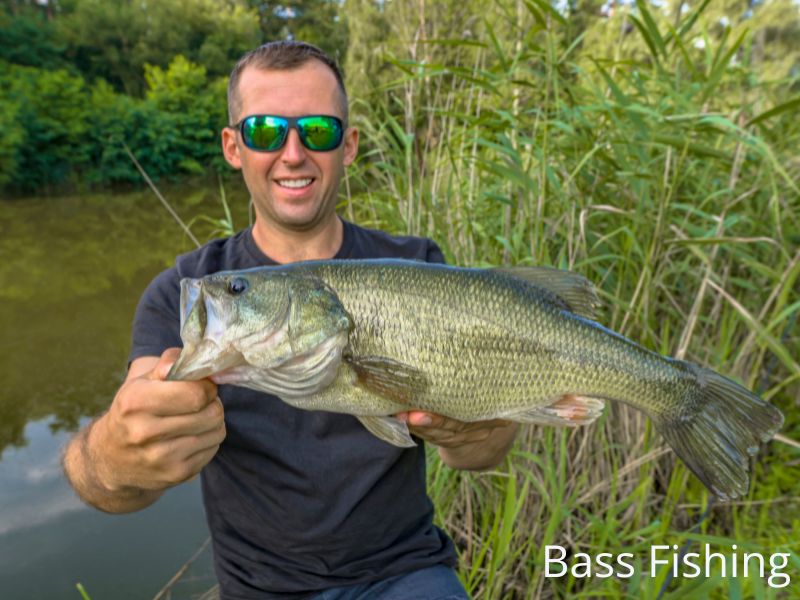
    Bass Fishing in Orange county Florida is a great thing to do

    Florida Fishing Conditions in July

    July is one of Florida’s hottest months, with daytime air temperatures often reaching the upper 80s and 90s. Surface water temperatures commonly range from 82°F to 89°F, depending on location.

    While the heat influences fish behavior, it doesn’t mean fishing slows down. Successful anglers simply adjust their approach by fishing during cooler periods and focusing on moving water.

    Best Times to Fish in July

    • One hour before sunrise until 10:00 a.m.
    • Late afternoon through sunset
    • Night fishing around bridges and docks
    • During incoming or outgoing tides
    • Before approaching thunderstorms (while always keeping safety first)

    During the middle of the day, many fish move into deeper water, shaded structure, grass edges, or channels where temperatures are slightly cooler and oxygen levels are higher.

    Full Moon vs. New Moon Fishing in July

    Moon phases can influence fish activity because they affect tides, current strength, and feeding behavior.

    Read the Florida Ultimate Fishing Guide.

    Read the Florida Summer Fishing Guide.

    Full Moon

    During a full moon, many game fish feed throughout the night. As a result, the early morning bite may be slower than usual because fish have already been actively feeding after dark.

    However, stronger tidal movement associated with the full moon can improve fishing around:

    • Ocean inlets
    • Passes
    • Bridges
    • Oyster bars
    • Mangrove shorelines
    • Coastal points

    Night fishing for snook, tarpon, mangrove snapper, and trout can be especially productive around lighted docks and bridges during the full moon.

    New Moon

    Many experienced Florida anglers consider the new moon one of the best periods for consistent fishing.

    The darker nights often encourage fish to feed more aggressively during daylight hours, especially during moving tides.

    New moon periods are excellent for targeting:

    • Redfish
    • Snook
    • Tarpon
    • Grouper
    • Snapper
    • Largemouth bass
    • Catfish

    Rather than fishing solely by the moon phase, combine moon information with weather conditions, tides, and baitfish activity for the best results.

    Understanding Florida’s Summer Tides

    Tides are one of the most important factors in saltwater fishing.

    Incoming Tide

    An incoming tide pushes clean, oxygen-rich water into bays, estuaries, and mangrove shorelines, bringing shrimp, baitfish, and crabs with it.

    This is often the best time to target:

    • Snook
    • Redfish
    • Spotted seatrout
    • Tarpon
    • Mangrove snapper

    Outgoing Tide

    Outgoing tides flush bait from creeks and marshes, concentrating fish near:

    • Creek mouths
    • Bridges
    • Passes
    • Inlets
    • Channel edges

    Predatory fish often position themselves where current delivers an easy meal.

    Slack Tide

    Fishing usually slows when current stops moving. If possible, schedule your trip to coincide with periods of moving water rather than slack tide.

    Northeast Florida (Jacksonville, Amelia Island & St. Augustine)

    Northeast Florida offers some of the state’s most diverse fishing opportunities, combining tidal rivers, marshes, beaches, offshore reefs, and productive estuaries.
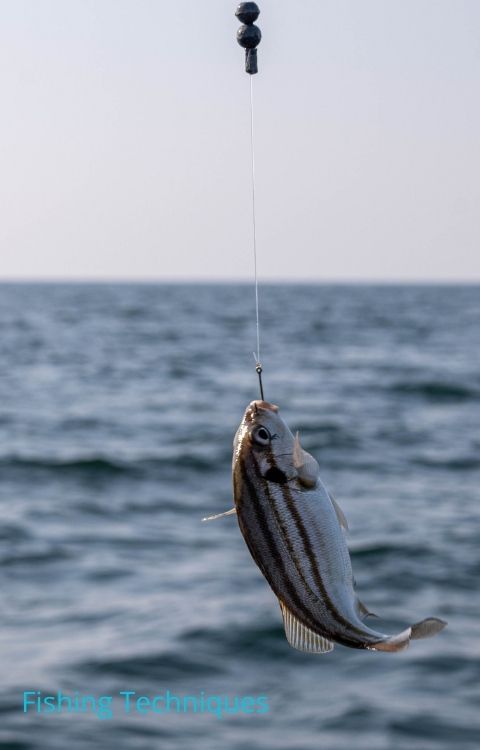
    Florida fishing guide techniques

    Best Fish to Target in July

    Inshore

    • Redfish
    • Spotted seatrout
    • Flounder
    • Black drum
    • Tarpon
    • Mangrove snapper

    Offshore

    • King mackerel
    • Mahi-mahi
    • Red snapper (when in season)
    • Vermilion snapper
    • Grouper
    • Amberjack
    • Cobia

    Top Fishing Locations

    • St. Johns River
    • Mayport Jetties
    • Nassau Sound
    • Matanzas Inlet
    • Intracoastal Waterway
    • St. Augustine Inlet
    • Offshore reefs east of Jacksonville

    Best Live Baits

    • Live shrimp
    • Finger mullet
    • Menhaden
    • Pinfish
    • Mud minnows

    Best Artificial Lures

    • Gold spoons
    • Paddle-tail swimbaits
    • Topwater walking plugs
    • Suspending twitch baits
    • Soft jerkbaits

    Recommended Tackle

    For most inshore species:

    • Rod: 7-foot medium-fast spinning rod
    • Reel: 3000–4000 size spinning reel
    • Line: 15–20 lb braided line
    • Leader: 20–30 lb fluorocarbon

    For offshore fishing:

    • Rod: 7-foot medium-heavy conventional or spinning rod
    • Reel: 6000–8000 size
    • Line: 40–65 lb braid
    • Leader: 50–80 lb fluorocarbon

    Central East Florida (Daytona Beach, New Smyrna Beach, Cocoa Beach & Sebastian)

    The Atlantic coast from Daytona Beach to Sebastian Inlet is famous for productive lagoons, grass flats, beaches, and nearshore reefs.

    The Indian River Lagoon and Mosquito Lagoon continue to produce excellent catches of redfish, trout, and snook throughout July, while offshore anglers can target mahi-mahi, king mackerel, blackfin tuna, and snapper around reefs and weed lines.

    Focus on fishing early in the morning or during the last few hours of daylight. Around Sebastian Inlet and Ponce Inlet, moving tides often trigger aggressive feeding activity for snook, tarpon, and jack crevalle.

    Use live pilchards, shrimp, threadfin herring, or paddle-tail soft plastics around grass flats, docks, and mangrove shorelines for the best results.

    Southeast Florida (West Palm Beach, Boca Raton, Fort Lauderdale & Miami)

    Southeast Florida offers some of the most exciting July fishing anywhere in the state. The Atlantic Ocean drops into deep water just a few miles offshore, giving anglers quick access to reef fish and pelagic species while also providing outstanding inshore fishing in bays, canals, mangrove shorelines, and the Intracoastal Waterway.

    July is an excellent month to target both resident fish and migratory species. Large schools of baitfish gather around reefs, inlets, and beaches, attracting predators throughout the region.

    Best Fish to Catch

    Inshore

    • Snook
    • Tarpon
    • Bonefish
    • Permit
    • Mangrove Snapper
    • Jack Crevalle
    • Barracuda
    • Redfish
    • Spotted Seatrout

    Offshore

    • Mahi-Mahi
    • Blackfin Tuna
    • King Mackerel
    • Sailfish (occasional)
    • Wahoo
    • Cobia
    • Yellowtail Snapper
    • Mutton Snapper
    • Grouper

    Best Fishing Locations

    • Biscayne Bay
    • Government Cut
    • Haulover Inlet
    • Hillsboro Inlet
    • Lake Worth Inlet
    • Miami Beach Artificial Reefs
    • Palm Beach Reefs
    • Fort Lauderdale Offshore Reefs

    Best Live Baits

    • Pilchards
    • Ballyhoo
    • Threadfin Herring
    • Pinfish
    • Live Shrimp
    • Goggle-Eyes

    Best Artificial Lures

    • Paddle-tail swimbaits
    • Topwater walking plugs
    • Bucktail jigs
    • Twitch baits
    • Vertical speed jigs
    • Diving plugs

    Rod and Reel Setup

    Inshore

    Rod:

    • 7-foot Medium Heavy Fast Action

    Reel:

    • 4000 spinning reel

    Line:

    • 20-pound braid

    Leader:

    • 30-pound fluorocarbon

    Offshore

    Rod:

    • 7-foot Medium Heavy

    Reel:

    • 6000–8000 spinning reel

    Line:

    • 40–65-pound braid

    Leader:

    • 60-pound fluorocarbon

    July Fishing Tips
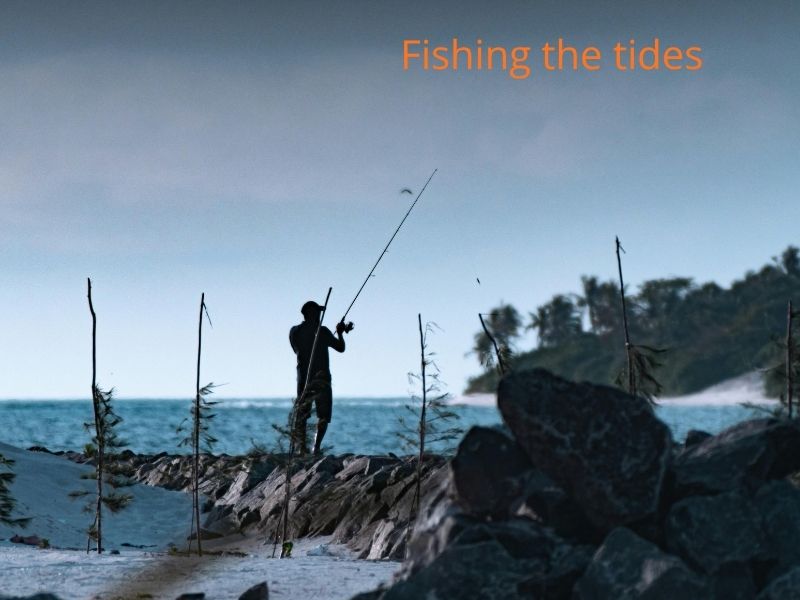
    Florida fishing guide using the tides

    Fish bridges, passes, and inlets during moving tides. Early mornings and evenings generally produce the best action. Snook often feed aggressively around dock lights after sunset, while offshore anglers should watch for floating weed lines that frequently hold mahi-mahi and blackfin tuna.

    Florida Keys

    The Florida Keys remain one of the world’s premier fishing destinations during July. From Key Largo to Key West, anglers can target everything from bonefish on the flats to mahi-mahi in the Gulf Stream.

    The combination of coral reefs, shallow flats, channels, bridges, and blue water creates year-round fishing opportunities, and July is one of the best months for offshore action.

    Read the Florida Regions Guide.

    Best Fish

    Flats

    • Bonefish
    • Permit
    • Tarpon

    Reef

    • Yellowtail Snapper
    • Mangrove Snapper
    • Mutton Snapper
    • Grouper
    • Hogfish

    Offshore

    • Mahi-Mahi
    • Blackfin Tuna
    • Wahoo
    • Blue Marlin
    • White Marlin
    • Sailfish (occasional)
    • King Mackerel

    Top Fishing Areas

    • Key Largo
    • Islamorada
    • Marathon
    • Seven Mile Bridge
    • Bahia Honda
    • Dry Tortugas
    • Key West

    Best Live Baits

    • Ballyhoo
    • Pilchards
    • Live Shrimp
    • Pinfish
    • Blue Crabs
    • Threadfin Herring

    Artificial Lures

    • Bucktail jigs
    • Vertical jigs
    • Soft plastics
    • Topwater plugs
    • Diving plugs

    Recommended Equipment

    Flats Fishing

    Rod:

    • 7-foot Medium

    Reel:

    • 3000 spinning reel

    Line:

    • 10–15-pound braid

    Leader:

    • 20-pound fluorocarbon

    Reef Fishing

    Rod:

    • 7-foot Medium Heavy

    Reel:

    • 5000 spinning reel

    Line:

    • 30-pound braid

    Leader:

    • 40-pound fluorocarbon

    Offshore

    Rod:

    • Heavy trolling rod

    Reel:

    • Conventional reel

    Line:

    • 50–80-pound line

    Southwest Florida (Fort Myers, Sanibel, Captiva, Pine Island & Naples)

    Southwest Florida’s mangrove estuaries, grass flats, oyster bars, and beaches create one of the state’s best inshore fisheries. July is prime time for anglers targeting snook, tarpon, and redfish.

    Large schools of baitfish move along beaches and through passes, attracting predators throughout the region.

    Best Fish

    Inshore

    • Snook
    • Redfish
    • Tarpon
    • Spotted Seatrout
    • Mangrove Snapper
    • Black Drum
    • Sheepshead
    • Jack Crevalle

    Offshore

    • Red Grouper
    • Gag Grouper
    • Mangrove Snapper
    • King Mackerel
    • Mahi-Mahi
    • Amberjack
    • Cobia

    Best Locations

    • Charlotte Harbor
    • Pine Island Sound
    • Matlacha Pass
    • Sanibel Causeway
    • Naples Bay
    • Gordon Pass
    • Marco Island
    • Ten Thousand Islands

    Live Baits

    • Whitebait
    • Live Shrimp
    • Threadfin Herring
    • Finger Mullet
    • Pinfish

    Artificial Lures

    • Gold spoons
    • Paddle-tail swimbaits
    • Weedless soft plastics
    • Topwater plugs
    • Shrimp imitations

    Rod and Reel Setup

    Inshore

    Rod:

    • 7-foot Medium Fast

    Reel:

    • 3000 spinning reel

    Line:

    • 15-pound braid

    Leader:

    • 25-pound fluorocarbon

    Offshore

    Rod:

    • 7-foot Medium Heavy

    Reel:

    • 6000 spinning reel

    Line:

    • 40-pound braid

    Leader:

    • 50-pound fluorocarbon

    July Fishing Strategy

    Fish mangrove shorelines during incoming tides, especially around sunrise. Tarpon often patrol beaches, passes, and bridges where baitfish are concentrated. Offshore, reefs and wrecks continue to produce quality grouper and snapper when weather conditions permit.

    Central West Florida (Tampa Bay, Clearwater, St. Petersburg, Bradenton, Anna Maria Island, Sarasota & Venice)

    The central Gulf Coast is one of Florida’s most productive summer fishing regions. Extensive grass flats, mangrove islands, oyster bars, artificial reefs, and deep passes provide excellent habitat for a wide variety of fish.

    July is particularly known for outstanding tarpon fishing, productive grass-flat trout action, and excellent mangrove snapper fishing around bridges and docks.

    Best Fish

    Inshore

    • Snook
    • Redfish
    • Spotted Seatrout
    • Tarpon
    • Mangrove Snapper
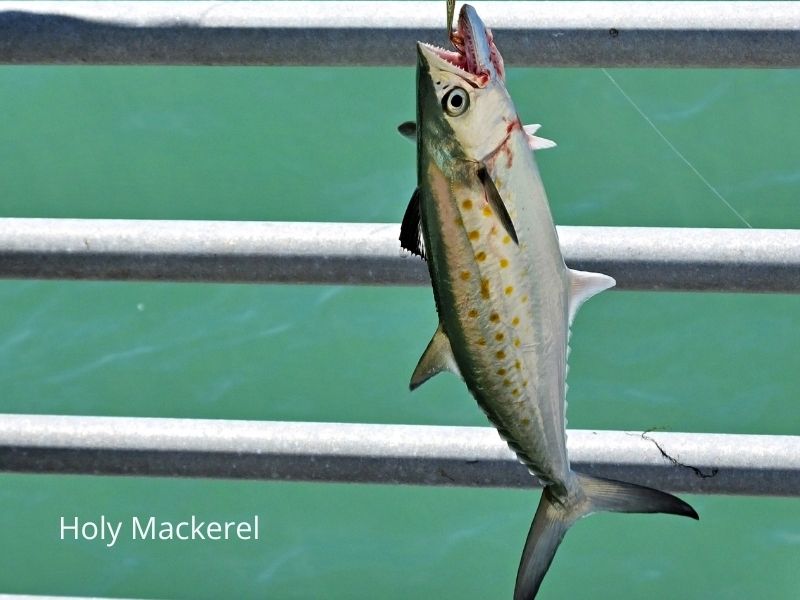
    • Spanish Mackerel
    • Flounder

    Offshore

    • Red Grouper
    • Gag Grouper
    • Mangrove Snapper
    • King Mackerel
    • Amberjack
    • Mahi-Mahi
    • Cobia

    Best Fishing Locations

    • Tampa Bay
    • Fort De Soto
    • Egmont Key
    • Sunshine Skyway Fishing Pier
    • Anna Maria Island
    • Longboat Pass
    • Sarasota Bay
    • Venice Inlet
    • Artificial Reefs off Sarasota and Manatee County

    Best Live Baits

    • Whitebait (scaled sardines)
    • Live Shrimp
    • Finger Mullet
    • Pinfish
    • Threadfin Herring

    Best Artificial Lures

    • Topwater plugs
    • Paddle-tail swimbaits
    • Gold spoons
    • Soft jerkbaits
    • Shrimp-style soft plastics

    Recommended Rod and Reel

    Flats Fishing

    Rod:

    • 7-foot Medium

    Reel:

    • 3000 spinning reel

    Line:

    • 15-pound braid

    Leader:

    • 20-pound fluorocarbon

    Tarpon

    Rod:

    • 7’6″ Heavy

    Reel:

    • 6000–8000 spinning reel

    Line:

    • 50-pound braid

    Leader:

    • 60–80-pound fluorocarbon

    Offshore Bottom Fishing

    Rod:

    • 7-foot Medium Heavy

    Reel:

    • 6000 spinning reel or conventional reel

    Line:

    • 40–65-pound braid

    Leader:

    • 60-pound fluorocarbon

    July anglers should take advantage of the first and last few hours of daylight, when snook, redfish, and trout move onto the grass flats to feed. During the afternoon, target bridges, docks, deeper channels, or nearshore reefs where fish find cooler water and stronger currents. Offshore, keep an eye on weather forecasts, as afternoon thunderstorms can develop quickly during Florida’s summer pattern.

    Florida Big Bend

    Florida’s Big Bend is one of the state’s most overlooked fishing destinations, stretching from Cedar Key north to Apalachicola. Unlike much of Florida’s coastline, the Big Bend features miles of shallow grass flats, oyster bars, tidal creeks, and natural shorelines that support healthy populations of game fish throughout July.

    Although summer temperatures are high, early morning and evening fishing can be exceptional. Incoming tides push baitfish across the expansive grass flats, while deeper channels and creek mouths provide cooler water during the afternoon.

    Best Fish to Catch

    Inshore

    • Redfish
    • Spotted Seatrout
    • Flounder
    • Black Drum
    • Tripletail
    • Spanish Mackerel
    • Sheepshead
    • Jack Crevalle

    Nearshore & Offshore

    • Red Grouper
    • Gag Grouper
    • Mangrove Snapper
    • King Mackerel
    • Amberjack
    • Cobia

    Best Fishing Destinations

    • Cedar Key
    • Horseshoe Beach
    • Steinhatchee
    • Keaton Beach
    • St. Marks
    • Carrabelle
    • Apalachicola Bay

    Best Live Baits

    • Live Shrimp
    • Pinfish
    • Finger Mullet
    • Mud Minnows
    • Threadfin Herring

    Best Artificial Lures

    • Gold Spoons
    • Paddle-Tail Swimbaits
    • Soft Jerkbaits
    • Topwater Walking Plugs
    • Weedless Shrimp Imitations

    Recommended Rod & Reel

    Grass Flats

    Rod

    • 7-foot Medium Fast

    Reel

    • 3000 Spinning Reel

    Line

    • 15-pound Braided Line

    Leader

    • 20-pound Fluorocarbon

    Nearshore

    Rod

    • 7-foot Medium Heavy

    Reel

    • 5000–6000 Spinning Reel

    Line

    • 30-pound Braid

    Leader

    • 40-pound Fluorocarbon

    Fishing grass flats during the first two hours after sunrise is often the most productive strategy in July before water temperatures climb.

    Florida Panhandle

    From Pensacola to Apalachicola, the Florida Panhandle offers exceptional fishing opportunities throughout July. Emerald-green Gulf waters, productive bays, passes, artificial reefs, and offshore structures provide anglers with endless options.

    Calm mornings often allow boats to reach offshore reefs before afternoon thunderstorms develop, making early departures the safest and most productive approach.

    Best Inshore Fish

    • Speckled Trout
    • Redfish
    • Flounder
    • Black Drum
    • Mangrove Snapper
    • Spanish Mackerel
    • Bluefish
    • Ladyfish

    Best Offshore Fish

    • Red Snapper (during open seasons)
    • Vermilion Snapper
    • Gag Grouper
    • Scamp Grouper
    • Amberjack
    • Triggerfish
    • King Mackerel
    • Mahi-Mahi
    • Blackfin Tuna

    Top Fishing Locations

    Pensacola

    • Pensacola Bay
    • Pensacola Pass
    • Gulf Fishing Pier

    Destin

    • East Pass
    • Choctawhatchee Bay
    • Artificial Reefs

    Panama City Beach

    • St. Andrews Bay
    • Mexico Beach
    • Offshore Wrecks

    Port St. Joe

    • St. Joseph Bay
    • Cape San Blas
    • Offshore Reefs

    Apalachicola

    • Apalachicola Bay
    • East Bay
    • Barrier Islands

    Best Live Baits

    • Live Shrimp
    • Menhaden
    • Finger Mullet
    • Pinfish
    • Cigar Minnows
    • Squid

    Best Artificial Lures

    • Paddle-Tail Swimbaits
    • Bucktail Jigs
    • Vertical Jigs
    • Diamond Jigs
    • Gold Spoons
    • Deep Diving Plugs

    Rod & Reel Recommendations

    Bay Fishing

    Rod

    • 7-foot Medium

    Reel

    • 3000 Spinning Reel

    Line

    • 15-pound Braid

    Leader

    • 20-pound Fluorocarbon

    Offshore Bottom Fishing

    Rod

    • 7-foot Heavy Conventional

    Reel

    • Conventional Reel

    Line

    • 50-pound Braid

    Leader

    • 60–80-pound Fluorocarbon

    Florida Freshwater Fishing in July

    Although Florida is famous for saltwater fishing, July also offers excellent freshwater opportunities throughout the state. Warm water temperatures encourage fish to seek deeper water, shaded vegetation, submerged timber, docks, and flowing water.

    The key is fishing early in the morning, late in the evening, or after passing summer rain showers once conditions are safe.

    Best Freshwater Species

    • Largemouth Bass
    • Peacock Bass (South Florida)
    • Bluegill
    • Shellcracker
    • Black Crappie
    • Channel Catfish
    • Bullhead Catfish
    • Bowfin

    Best Lakes

    • Lake Okeechobee
    • Harris Chain of Lakes
    • Kissimmee Chain
    • Rodman Reservoir
    • Lake Tohopekaliga
    • Lake Istokpoga
    • Orange Lake
    • St. Johns River

    July Bass Fishing

    Bass often hold in:

    • Hydrilla
    • Lily Pads
    • Boat Docks
    • Fallen Timber
    • Canal Edges
    • Drop-Offs
    • Deep Grass Lines

    Morning

    • Hollow Body Frogs
    • Walking Topwater Baits
    • Buzzbaits

    Midday

    • Texas-Rigged Worms
    • Carolina Rigs
    • Punch Rigs
    • Deep Diving Crankbaits

    Evening

    • Spinnerbaits
    • Swim Jigs
    • Soft Plastic Stick Worms

    Bluegill & Shellcracker

    These popular panfish provide excellent action for families during the summer.

    Best Baits

    • Red Worms
    • Crickets
    • Wax Worms
    • Beetle Spins

    Rod

    • 6-foot Ultra-Light Spinning Rod

    Line

    • 4–6-pound Monofilament

    Catfish

    Catfish become especially active after sunset.

    Best Baits

    • Chicken Liver
    • Cut Bait
    • Shrimp
    • Night Crawlers
    • Prepared Catfish Bait

    Rod

    • Medium Heavy Spinning Outfit

    Line

    • 20-pound Braided Line

    Best Rod and Reel Combinations

    Fishing StyleRodReelLine
    Bass7′ Medium Heavy2500–300015–20 lb Braid
    Panfish6’6″ Light10004–6 lb Mono
    Inshore Saltwater7′ Medium3000–400015–20 lb Braid
    Snook & Redfish7′ Medium Heavy400020 lb Braid
    Tarpon7’6″ Heavy6000–800050–65 lb Braid
    Reef Fishing7′ Medium Heavy5000–600030–40 lb Braid
    Offshore Bottom Fishing7′ HeavyConventional50–65 lb Braid
    King Mackerel7′ Medium HeavyConventional30 lb Mono
    Mahi-Mahi7′ Medium Heavy600040 lb Braid

    Fishing the Summer Heat

    July’s high temperatures require anglers to adjust their approach.

    The most productive periods are usually:

    • Sunrise until mid-morning
    • Late afternoon until sunset
    • Night fishing around bridges, docks, passes, and lighted seawalls

    During the hottest part of the day, focus on:

    • Deeper channels
    • Bridge pilings
    • Mangrove shade
    • Offshore reefs
    • Deep freshwater structure
    • Areas with moving current

    Fish naturally seek cooler, oxygen-rich water, making these locations consistently productive throughout July.

    Fishing the Moon Phases in July

    Many Florida anglers plan their fishing trips around the moon because it influences tidal movement, current strength, baitfish activity, and feeding periods. While weather, tides, and water conditions often have a greater impact than the moon alone, understanding moon phases can help improve success.

    Full Moon Fishing

    The full moon creates stronger tidal swings and increased nighttime light.

    Advantages

    • Stronger incoming and outgoing tides
    • Increased water movement around passes and inlets
    • Excellent night fishing
    • Active tarpon around bridges
    • Outstanding snook fishing around dock lights
    • Productive offshore trolling during early morning

    Challenges

    Because many fish feed throughout the night during a full moon, the first few hours after sunrise can sometimes be slower than during darker moon phases.

    Best strategy:

    • Fish before sunrise.
    • Target moving tides.
    • Concentrate on bridges, passes, beaches, and inlets.
    • Fish after sunset around lighted structures.

    New Moon Fishing

    Many experienced Florida anglers consider the new moon one of the best periods of the month.

    With darker nights, many game fish feed more aggressively during daylight hours.

    Excellent species include:

    • Snook
    • Redfish
    • Tarpon
    • Trout
    • Mangrove Snapper
    • Bass
    • Catfish

    Incoming tides during a new moon often create some of the strongest feeding windows of the month.

    Understanding Florida’s Summer Tides

    For saltwater anglers, tides are often more important than the weather.

    Incoming Tide

    An incoming tide brings cooler, oxygen-rich water into:

    • Grass flats
    • Mangrove shorelines
    • Oyster bars
    • Creeks
    • Bays

    Fish commonly feeding include:

    • Snook
    • Redfish
    • Trout
    • Tarpon
    • Mangrove Snapper

    Outgoing Tide

    An outgoing tide pulls shrimp, baitfish, and crabs toward deeper water.

    Prime locations include:

    • Creek mouths
    • Passes
    • Bridges
    • Channels
    • Inlets

    Predators often wait in these areas for an easy meal.

    Slack Tide

    Fishing generally slows when the current stops moving.

    Whenever possible, schedule your trip to fish the two hours before and after tide changes, when current is strongest and baitfish are most active.

    Fishing During Florida’s Summer Heat

    July is one of Florida’s hottest months, but excellent fishing is still available with the right approach.

    Early Morning

    Usually the best bite of the day.

    Target:

    • Grass flats
    • Beaches
    • Oyster bars
    • Shorelines
    • Weed lines

    Afternoon

    As temperatures climb:

    • Fish deeper channels.
    • Work bridge pilings.
    • Target docks and mangrove shade.
    • Move offshore to reefs and wrecks.
    • Fish areas with strong current.

    Evening

    As water temperatures begin to cool:

    • Snook move onto flats.
    • Redfish leave deeper water.
    • Trout feed aggressively.
    • Tarpon continue chasing bait around passes.

    Night Fishing

    Some of Florida’s best July fishing occurs after sunset.

    Excellent locations include:

    • Bridges
    • Dock lights
    • Lighted canals
    • Passes
    • Beaches during tarpon season

    Target species:

    • Snook
    • Tarpon
    • Mangrove Snapper
    • Trout
    • Catfish

    Summer Weather Tips

    Florida’s summer weather pattern is predictable but requires careful planning.

    Before Leaving

    • Check marine forecasts.
    • Review radar.
    • Verify wind conditions.
    • Monitor lightning forecasts.

    Afternoon Thunderstorms

    Storms commonly develop between 2:00 and 6:00 p.m.

    If thunder is heard:

    • Return to shore immediately.
    • Do not remain on open water.
    • Secure fishing equipment.
    • Wait until storms have completely passed before returning.

    Safety should always take priority over fishing.

    Best Live Baits for July

    Saltwater

    • Live Shrimp
    • Whitebait (Scaled Sardines)
    • Threadfin Herring
    • Pilchards
    • Finger Mullet
    • Pinfish
    • Ballyhoo
    • Croakers
    • Mud Minnows

    Freshwater

    • Wild Shiners
    • Live Minnows
    • Night Crawlers
    • Crickets
    • Red Worms

    Best Artificial Lures

    Saltwater

    • Paddle-Tail Swimbaits
    • Gold Spoons
    • Topwater Walking Plugs
    • Soft Jerkbaits
    • Twitch Baits
    • Bucktail Jigs
    • Vertical Jigs
    • Shrimp Imitations

    Freshwater

    • Plastic Worms
    • Creature Baits
    • Spinnerbaits
    • Chatterbaits
    • Lipless Crankbaits
    • Hollow Body Frogs
    • Swim Jigs
    • Deep Diving Crankbaits

    July 2026 Moon Cycle & Fishing Forecast

    Planning your fishing trips around the moon can improve your chances of success, especially when combined with favorable tides, weather conditions, and active baitfish. While the moon is only one factor, many experienced Florida anglers schedule trips around the new moon and full moon because these phases often produce stronger tidal movement and increased feeding activity.

    Moon PhaseDate (2026)Fishing Outlook
    First QuarterJuly 22Good fishing as tidal movement begins to increase. Excellent for inshore species during moving water.
    Full MoonJuly 29Excellent for night fishing, tarpon, snook, mangrove snapper, and offshore species. Expect stronger tides and increased current around passes, bridges, and inlets. Morning fishing may be slower if fish have fed heavily overnight.
    Last QuarterJuly 6Good fishing, especially during early morning and evening. Moderate tidal movement creates consistent opportunities for redfish, trout, and bass.
    New MoonJuly 14One of the best fishing periods of the month. Strong tidal flow and darker nights often lead to aggressive daytime feeding from snook, redfish, tarpon, trout, mangrove snapper, and largemouth bass.

    Best Fishing Days in July 2026

    Many anglers consider these windows among the most productive:

    • July 12–16 (centered on the New Moon) – Excellent for inshore fishing, offshore trips, and freshwater bass fishing.
    • July 27–31 (centered on the Full Moon) – Outstanding for tarpon, snook, mangrove snapper, king mackerel, and night fishing around bridges, docks, and passes.
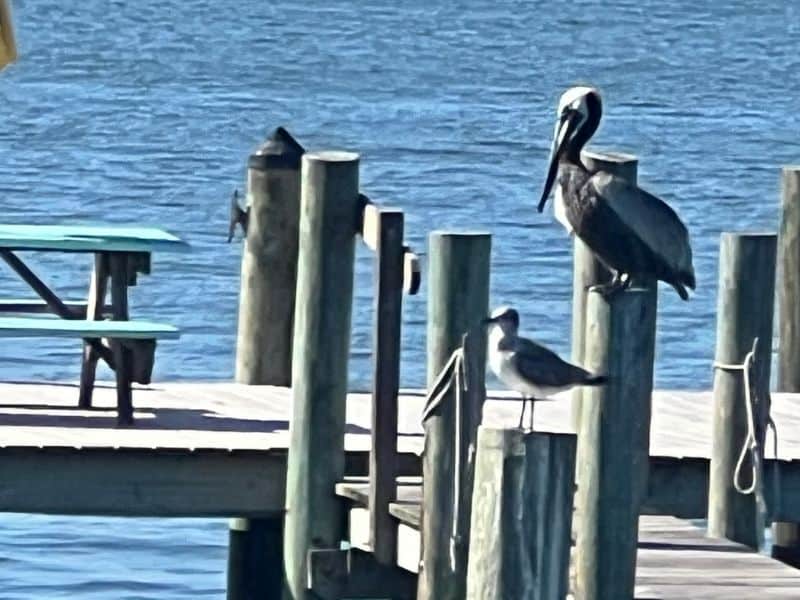
    CORTEZ FISHING VILLAGE

    Moon Phase Strategy

    • New Moon: Focus on daylight fishing during moving tides. Fish grass flats, mangrove shorelines, oyster bars, and creek mouths where baitfish are concentrated.
    • Full Moon: Take advantage of stronger tidal currents and excellent nighttime fishing. Dock lights, bridges, inlets, beaches, and passes are prime locations for snook, tarpon, trout, and mangrove snapper.
    • Quarter Moons: Although tidal movement is less dramatic, these periods can provide steady fishing pressure with fewer anglers on the water, making them ideal for targeting redfish, spotted seatrout, bass, and panfish.

    Remember that moon phases work best when combined with favorable weather, clean water, moving tides, and active baitfish. Always check the local tide tables and marine forecast before planning your trip.

    Frequently Asked Questions

    What are the best fish to catch in Florida during July?

    July offers outstanding opportunities for snook, redfish, tarpon, spotted seatrout, mangrove snapper, grouper, king mackerel, mahi-mahi, largemouth bass, bluegill, and catfish.


    What time of day is best for fishing?

    The best fishing generally occurs:

    • Before sunrise
    • Sunrise until 10:00 a.m.
    • Late afternoon
    • After sunset
    • During moving tides

    Is July too hot for fishing?

    No. Fish adapt by moving into deeper water, shaded structure, or areas with stronger current. Anglers who fish early, late, or at night often enjoy excellent success.


    What bait works best?

    Live shrimp, whitebait, finger mullet, pinfish, threadfin herring, and wild shiners consistently produce excellent catches. Artificial lures such as paddle-tail swimbaits, topwater plugs, and soft jerkbaits are also highly effective.

    What rod and reel should beginners use?

    A 7-foot medium spinning rod paired with a 3000–4000 size spinning reel spooled with 15–20-pound braided line is one of the most versatile setups for Florida inshore fishing. Freshwater anglers targeting bass can use a 7-foot medium-heavy rod with 15–20-pound braid.

    Final Thoughts

    July is one of the most exciting months to fish in Florida. From the emerald waters of the Panhandle to the coral reefs of the Florida Keys, and from the St. Johns River near Jacksonville to the mangrove-lined shores of Naples, anglers can enjoy exceptional freshwater and saltwater fishing throughout the state.

    Success comes from adapting to summer conditions. Fish during cooler parts of the day, pay close attention to tides and weather, match your bait and tackle to the species you’re targeting, and always check current regulations before heading onto the water.

    Whether you’re casting from a neighborhood pond, fishing a public pier, paddling a kayak through a quiet estuary, or running offshore in search of trophy fish, Florida offers unforgettable fishing adventures every July.

    Tight lines, stay safe on the water, and enjoy another incredible month of fishing with Florida’s Fun.Final Thoughts

    July is one of the most exciting months to fish in Florida. From the emerald waters of the Panhandle to the coral reefs of the Florida Keys, and from the St. Johns River near Jacksonville to the mangrove-lined shores of Naples, anglers can enjoy exceptional freshwater and saltwater fishing throughout the state.

    Success comes from adapting to summer conditions. Fish during cooler parts of the day, pay close attention to tides and weather, match your bait and tackle to the species you’re targeting, and always check current regulations before heading onto the water.

    Whether you’re casting from a neighborhood pond, fishing a public pier, paddling a kayak through a quiet estuary, or running offshore in search of trophy fish, Florida offers unforgettable fishing adventures every July.

    Tight lines, stay safe on the water, and enjoy another incredible month of fishing with Florida’s Fun.
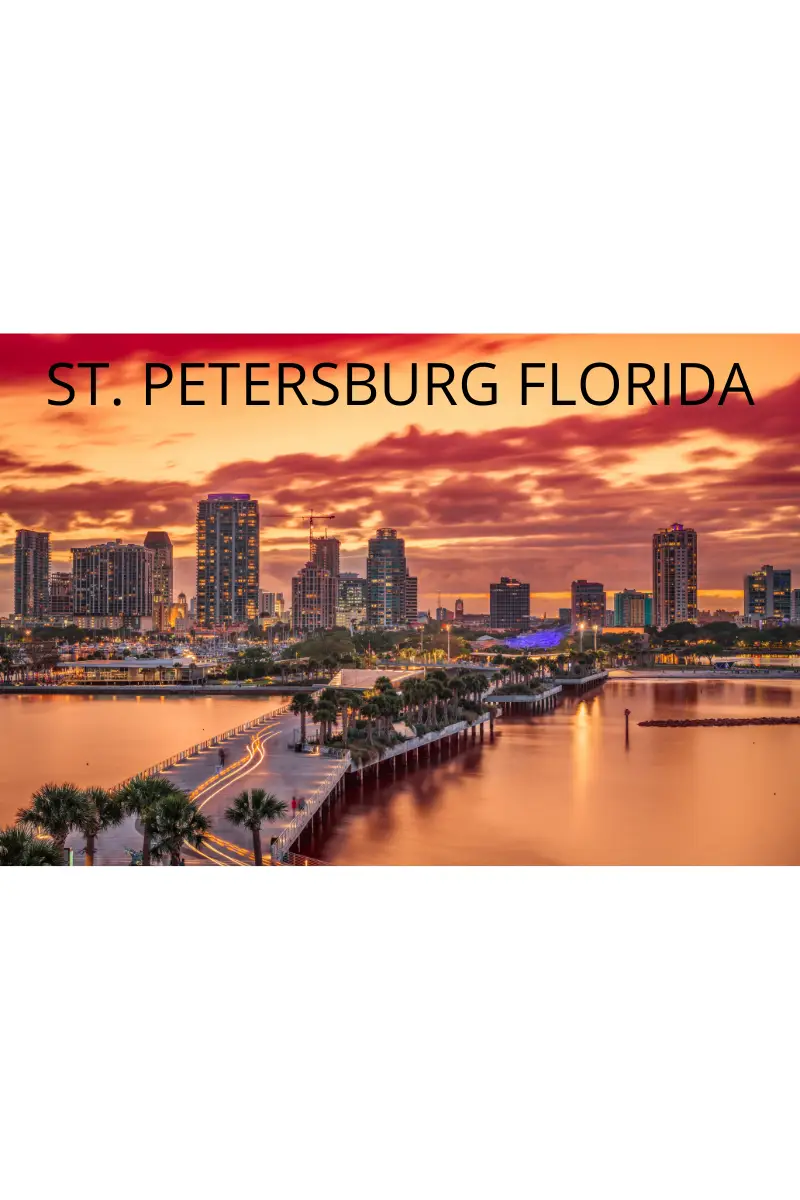
    For Florida License and regulations click here.

    For more info visit Florida.

  • Things to Do in St. Petersburg, Florida: The Ultimate Pinellas County Guide (2026)

    Things to Do in St. Petersburg, Florida: The Ultimate Pinellas County Guide (2026)

    Your complete guide of things to do in St Petersburg Florida wuth your ultimate guide to Pinellas county with history, beaches, fishing, golf, restaurants, festivals, and the best times to visit Florida’s Sun Coast paradise.

    What Is Pinellas County, Florida?

    Pinellas County is a sun-drenched peninsula on Florida’s Gulf Coast, nestled between the Gulf of Mexico to the west and Tampa Bay to the east. Stretching 38 miles long and 15 miles at its widest point, this 280-square-mile coastal gem packs more beaches, culture, dining, and outdoor adventure per square mile than almost anywhere else in the Sunshine State. With 588 miles of coastline, 361 average days of sunshine per year, and more than 35 miles of award-winning white sand beaches, it’s no wonder Pinellas County consistently ranks among America’s top vacation destinations.

    A guide to Manatee County.

    A Rich History: From the Tocobaga to the 21st Century

    The story of Pinellas County begins thousands of years before European contact. Archaeological evidence from Weedon Island reveals human habitation dating to the Middle Archaic Period (5000–3000 BCE). When Spanish explorer Pánfilo de Narváez arrived in 1528 — 36 years after Columbus reached the Caribbean — the Pinellas peninsula was home to the Tocobaga people of the Safety Harbor culture, who built large ceremonial mound complexes overlooking the bay.

    The name “Pinellas” itself is derived from the Spanish words Punta Pinal, meaning “point of pines” — an apt description of the heavily forested peninsula that greeted early explorers. For three centuries the region remained lightly settled, with Tarpon Springs becoming the first incorporated city in Pinellas in 1887.

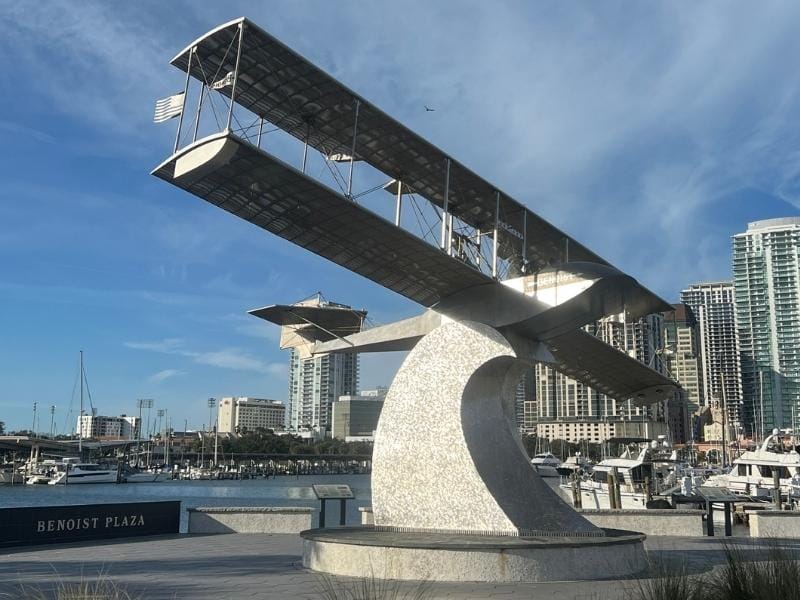
    The guild to Pinellas county Florida has in it St. Pete Pier commemorates first commercial flight
    The airplane commemorates first commercial flight at St. Pete Pier

    Pinellas County officially separated from Hillsborough County on January 1, 1912, becoming Florida’s 48th county. Just two years later, aviation history was made when pilot Tony Jannus completed the world’s first scheduled commercial airline flight on January 1, 1914, traveling from St. Petersburg to Tampa — a flight immortalized by the beloved St. Petersburg concert venue Jannus Live.

    The 1920s land boom brought rapid growth, new roads, and bridges. The Gandy Bridge opened in 1924, cutting travel time to Tampa in half and becoming the longest car toll bridge in the world at that time. Post-World War II, the county exploded with new residents. By 1957, Clearwater was ranked America’s fastest-growing city. The original Sunshine Skyway Bridge opened in 1954, and the replacement bridge that opened in 1987 has since been recognized as one of the top 10 bridges in the world by the Travel Channel.

    Today, Pinellas County is home to nearly 976,934 residents, making it Florida’s 7th most populous county and its most densely populated — with approximately 3,491 people per square mile, more than double the density of Broward County.

    Cities and Towns of Pinellas County

    Pinellas County encompasses 24 municipalities, each with its own distinct character:

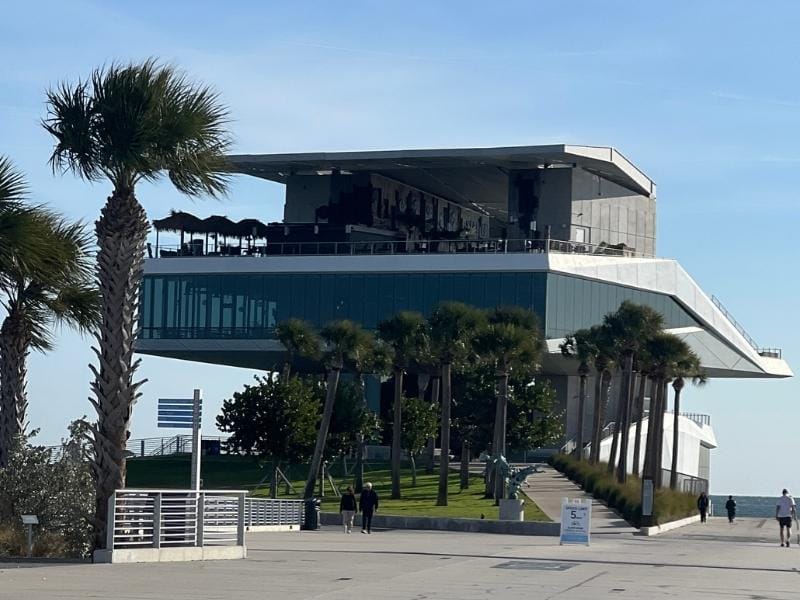
    The Guide to Pinellas County Florida includes the St. Pete Pier
    St. Pete Pier in St. Petersburg Florida

    St. Petersburg (pop. ~258,000) is the county’s largest city and the largest city in Florida that is not a county seat. There are a lot of things to do in St. Petersburg. Known as “Sunshine City,” it’s a cultural hub boasting the Salvador Dalí Museum, vibrant arts districts, waterfront parks, and a world-class food scene.

    Clearwater (pop. ~107,000) serves as the county seat and is home to one of America’s most celebrated beaches. The Clearwater Marine Aquarium — famous for Winter the dolphin — draws families from around the world.

    Largo (pop. ~84,500) is the county’s third-largest city, home to Heritage Village, a 21-acre living history museum, and the gorgeous Florida Botanical Gardens.

    Tarpon Springs (pop. ~26,000) is internationally famous as the “Sponge Capital of the World” with a rich Greek-American heritage. Its sponge docks, Greek Orthodox churches, and authentic Greek restaurants create an atmosphere unlike anywhere else in Florida.

    Dunedin (pop. ~35,000) is a charming waterfront town with Scottish roots, a thriving craft brewery scene, and the gateway to Honeymoon Island State Park.

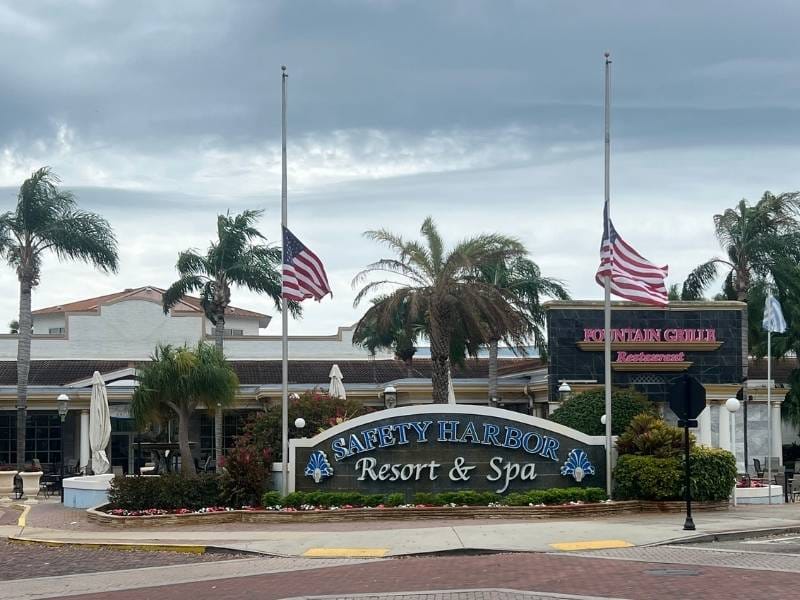
    Safety Harbor sits at the head of Old Tampa Bay and offers a quaint, walkable downtown with the beloved Safety Harbor Resort and Spa.

    Safety Harbor Resort in Pinellas County Guide

    Other notable communities include Pinellas Park, St. Pete Beach, Madeira Beach, Treasure Island, Indian Rocks Beach, Redington Beach, Belleair, and Pass-a-Grille — each offering unique coastal charm.

    Pinellas County Weather: Month-by-Month Temperature Guide

    Pinellas County enjoys a subtropical climate with warm temperatures year-round. Here is what to expect each month:

    MonthAverage HighAverage LowConditions
    January70°F (21°C)52°F (11°C)Cool, dry, sunny
    February72°F (22°C)54°F (12°C)Mild, pleasant
    March76°F (24°C)58°F (14°C)Warm, ideal
    April81°F (27°C)63°F (17°C)Warm, low humidity
    May87°F (30°C)69°F (21°C)Hot, some humidity
    June91°F (33°C)74°F (23°C)Hot, afternoon storms
    July92°F (33°C)76°F (24°C)Peak heat, storms
    August92°F (33°C)76°F (24°C)Hottest month
    September90°F (32°C)74°F (23°C)Hot, hurricane season
    October84°F (29°C)67°F (19°C)Cooling, beautiful
    November77°F (25°C)59°F (15°C)Mild, dry
    December71°F (22°C)53°F (12°C)Cool, clear skies

    Hurricane season runs June through November, with September being the peak. Florida’s dry season (November–April) brings lower humidity and the region’s most comfortable outdoor conditions. When you are looking when and where to go whether it Madeira Beach or are looking for do things to do in St. Petersburg Florida the weather can make or break your plans sometimes. May and Nov/Dec are almost always the best times to visit Pinellas County.

    Best Beaches in Pinellas County

    Pinellas County’s 35 miles of Gulf Coast beaches consistently rank among the finest in the nation, with four making Florida’s top ten list.

    Clearwater Beach is the crown jewel — its powdery white quartz sand and crystal-clear turquoise water have earned it multiple “Best Beach in America” titles. Pier 60 hosts nightly sunset festivals with artisans, street performers, and live music. Family amenities, calm waters, and world-class resorts make this a perennial top choice.

    St. Pete Beach charms visitors with its emerald-green water, wide sandy expanse, and laid-back Old Florida character. The iconic Don CeSar Hotel — the “Pink Palace” — stands as a landmark of this barrier island community. Upham Beach is prized for shelling and fishing, while the southern end offers serene, uncrowded shoreline. USA Today named St. Pete Beach one of Florida’s best in 2025.

    Treasure Island Beach spans three distinct neighborhoods along its wide, flat shoreline. Its Sunset Beach section is one of the county’s best-kept secrets, favored by locals seeking a quieter Gulf Coast experience.

    Fort De Soto Park (Tierra Verde) spreads across 1,136 acres and five interconnected islands of mangroves, palm hammocks, and six miles of beach frontage. North Beach consistently ranks as one of America’s top family beaches. The park also offers a dog beach, kayaking, and one of Florida’s premier campgrounds.

    Honeymoon Island & Caladesi Island State Parks north of Clearwater offer Florida’s most pristine coastal environments. Honeymoon Island connects to the mainland by causeway and features four miles of beaches, a designated dog beach, and a three-mile hiking trail through one of the last remaining virgin slash pine forests. Caladesi Island — accessible only by private boat or ferry from Honeymoon Island — consistently earns a spot among America’s top beaches and is one of the least crowded shores in the county.

    Pass-a-Grille Beach at the southern tip of the barrier island chain is a timeless community largely unchanged for generations. Paradise Grille sits on the sand, and the rooftop bar at The Hurricane restaurant offers panoramic sunset views over both the Gulf and the bay.

    Madeira Beach and John’s Pass Village & Boardwalk blend beach life with lively shopping, dining, and the famous annual John’s Pass Seafood Festival.

    Best Resorts and Hotels in Pinellas County

    Clearwater Beach:

    • Sandpearl Resort — A AAA Four Diamond property with beachfront elegance, full spa, and Caretta on the Gulf restaurant
    • Opal Sands Resort — Modern luxury directly on the Gulf with floor-to-ceiling ocean views
    • Hilton Clearwater Beach Resort & Spa — Full-service beachfront resort with multiple pools and dining

    St. Pete Beach:

    • TradeWinds Island Grand Beach Resort — A massive family resort with water slides, floating loungers, multiple restaurants, and direct beachfront access
    • Don CeSar Hotel — The iconic “Pink Palace,” a historic 1928 luxury resort that is one of Florida’s most photographed buildings
    • Postcard Inn on the Beach — A retro-chic boutique property ideal for a stylish beach escape

    St. Petersburg:

    One of the things to do in St. Petersburg Florida is:

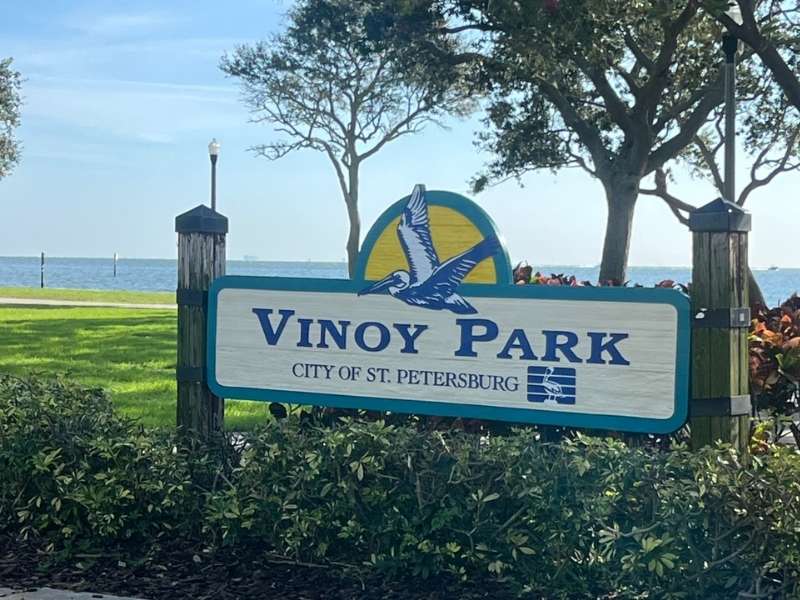
    • The Vinoy Resort & Golf Club — A stunning 1925 Renaissance-era property in downtown St. Pete with an on-site marina, spa, and golf course. One of Florida’s most historic luxury hotels.
    Vinoy Park is one of the places to go and things to do in St. Petersburg Florida

    Safety Harbor:

    • Safety Harbor Resort and Spa — Built on natural mineral springs and known for world-class spa treatments, tennis, and a relaxed waterfront setting

    Best Golf in Pinellas County

    Pinellas County’s year-round warm climate makes it a golfer’s paradise with an outstanding mix of public and private courses.

    Top Public Courses:

    • Mangrove Bay Golf Course (St. Petersburg) — An 18-hole municipal course with beautiful views of Old Tampa Bay; ideal for all skill levels and one of the best-value rounds in the county. You can play golf comfortably all 12 months of the year. One of the best things to do in St. Petersburg Florida is enjoy a round of golf.
    • The Mainlands Golf Course (Pinellas Park) — A popular, well-maintained public course with affordable green fees
    • Chi Chi Rodriguez Golf Club (Clearwater) — A fun, walkable public course with a rich heritage tied to the golf legend who helped found it
    • Dunedin Golf Club — A classic semi-private course with historic charm and challenging fairways
    • Bardmoor Golf & Tennis Club (Largo) — A well-regarded semi-private club open to public play

    Top Private Courses:

    • Belleair Country Club — One of Florida’s oldest and most prestigious clubs, with two championship courses. Donald Ross designed the West Course in 1925.
    • Isla del Sol Yacht & Country Club (St. Pete Beach) — A waterfront private club with an immaculate 18-hole course and deep history
    • Feather Sound Country Club (Clearwater) — A top-tier private club with an excellently maintained championship course

    Fishing in Pinellas County: What to Catch, When, and How

    Fishing can be one of fun things to do in St. Petersburg Florida. Pinellas County is surrounded by the Gulf of Mexico, Tampa Bay, and the Boca Ciega Bay Aquatic Preserve, creating some of the finest inshore and nearshore fishing in Florida. The Skyway Fishing Pier State Park — at 4.1 miles, the world’s longest fishing pier — is open 24 hours and offers depths between 6 and 20 feet.

    Florida Fishing guide.

    Month-by-Month Fishing Guide

    January – February (Cool, Dry Season)

    • Target species: Sheepshead, black drum, redfish, snook (in warm water refuges)
    • Techniques: Bottom fishing near structure; fiddler crabs and live shrimp are the top baits for sheepshead; cut mullet for black drum. Focus on the Skyway Pier, docks, and bridge pilings.

    March – April (Spring Transition)

    • Target species: Spanish mackerel, cobia, redfish, snook, trout
    • Techniques: Spanish mackerel move in with northward migrations — use silver spoons or live greenbacks (threadfin herring) under a chum slick. Cobia follow stingrays in shallow flats; sight-fish them with live eel or blue crab. Snook begin feeding aggressively along beaches and passes.

    May – June (Pre-Summer, Prime Tarpon Season)

    • Target species: Tarpon (“Silver King”), snook, redfish, kingfish
    • Techniques: May and June are legendary for trophy tarpon in Tampa Bay. Live mullet, blue crabs, and pass crabs drifted through Boca Ciega Bay and under the Sunshine Skyway are the top presentations. Snook crush live pilchards along beaches at night. Tarpon in the 100–200 lb class are common.

    July – August (Summer Peak)

    • Target species: Snook, mangrove snapper, flounder, redfish, grouper (nearshore)
    • Techniques: Summer heat pushes fish to deeper water and nighttime activity. Night fish the passes for snook using live shrimp or pinfish under a popping cork. Nearshore reefs and artificial structures hold mangrove snapper — use small hooks with live shrimp or cut sardines. Freediving and spearfishing for flounder around grass flats are popular.

    September – October (Fall Run Begins)

    • Target species: Redfish, trout, flounder, pompano
    • Techniques: Fall is arguably the best time for inshore fishing. Redfish school up in huge numbers on flats — use gold spoons, topwater plugs at dawn, or weedless shrimp imitations. Spotted seatrout hit popping corks with live shrimp over grass beds. Pompano respond well to small jigs tipped with sand fleas (mole crabs) along beaches and passes.

    November – December (Cool Season Transition)

    • Target species: Sheepshead, flounder, redfish, spotted seatrout, black drum
    • Techniques: Cooler water concentrates fish around warm-water discharges, deep channels, and bridge structures. Live fiddler crabs are the gold-standard bait for sheepshead. Flounder stack up in passes and cuts — drift live mud minnows or finger mullet along the bottom. Trout fishing on deeper grass flats with slow-sinking lures is excellent.

    Best Fishing Spots: The Skyway Fishing Pier, Fort De Soto jetties, the passes at Johns Pass and Blind Pass, Tampa Bay flats, Weedon Island Preserve, and the nearshore reefs off Clearwater Beach.

    Baseball in Pinellas County

    Baseball in Pinellas County: Spring training baseball is alive and well Clearwater is the long term spring training home of the Philadelphia Phillies and minor league affiliate Clearwater Thrashers.

    Dunedin is the spring training home of the Toronto Blue Jays and their minor league team the Dunedin Blue Jays.

    St. Petersburg is the home of the major league baseball team the Tampa Bay Rays of the American League East. The Rays play their home games at Tropicana Field. Going to The Trop can be one of your fun things to do in St. Petersburg Florida. The Rays always have incredible young talent and the do well against most teams every season.

    Soccer in Pinellas County

    The Tampa Bat Rowdies of the USL play their home games at Al Lang Stadium in downtown St. Pete. Soccer both playing and going to Rowdies games is quickly growing as one of the most exciting things to do in St. Petersburg Florida.

    Best Restaurants in Pinellas County

    St. Petersburg:

    • The Mill — A modern American dining destination in downtown St. Pete known for inventive seasonal dishes and craft cocktails
    • Cassis American Brasserie — Waterfront dining in the Vinoy Renaissance neighborhood with classic French-American fare
    • Spinners Rooftop Revolving Bistro — A St. Pete landmark; Florida’s only revolving rooftop restaurant with panoramic bay views

    Enjoying a meal with friends can be one of the best things to do in St. Petersburg Florida.

    Clearwater / Clearwater Beach:

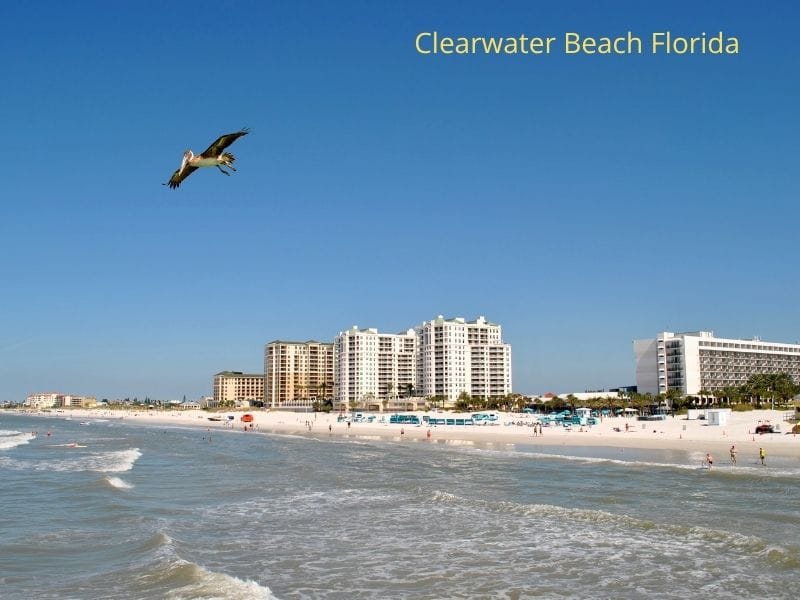
    Clearwater Beach Florida
    • Caretta on the Gulf (at Sandpearl Resort) — Fine waterfront dining with fresh Gulf seafood in an elegant setting
    • Frenchy’s Rockaway Grill — A Clearwater Beach institution since 1981; an authentic beach bar with legendary grouper sandwiches and cold beers

    Tarpon Springs:

    • Hellas Restaurant & Bakery — The gold standard of Greek cuisine on the Sponge Docks; try the lamb, moussaka, and fresh baklava
    • Mykonos Restaurant — Authentic Greek seafood, mezze platters, and a vibrant open-air atmosphere

    St. Pete Beach & Treasure Island:

    • Maritana Grille (Don CeSar Hotel) — Fine dining inside the Pink Palace; an unforgettable Florida seafood experience
    • Boca Sands Grille and Lounge (At the Dolphin Beach Resort) — A small-plates paradise with local ingredients and a sophisticated wine program
    • The Hurricane Restaurant — A Pass-a-Grille landmark with sunset views from the rooftop bar

    Dunedin:

    • Casa Tina — A beloved Mexican restaurant with a festive atmosphere and homemade margaritas
    • Fenway Hotel Restaurant — A trendy craft-cocktail-focused eatery in Dunedin’s historic waterfront hotel

    Month-by-Month Festivals and Celebrations

    Pinellas County’s event calendar is one of Florida’s richest. Here’s what to look forward to throughout the year:

    JanuaryTarpon Springs Epiphany Celebration: One of the largest Greek Orthodox Epiphany celebrations in America. Young men dive into Spring Bayou to retrieve a blessed cross — a tradition dating back more than 100 years and deeply moving to witness.

    FebruaryDunedin Celtic Music & Food Festival: Scottish and Irish heritage comes alive with kilts, pipes, dancing, and craft whisky tastings in charming downtown Dunedin.

    MarchSt. Pete Grand Prix (IndyCar): Downtown St. Petersburg hosts one of North America’s premier street circuit IndyCar races, drawing racing fans from around the world, everyone who loves cars needs to hear the roar of the engines for themselves. alongside a festival of music and entertainment. Spring Training Baseball also brings Grapefruit League games to the Tampa Bay area. March is a exciting month with so many things to do in St. Petersburg Florida.

    AprilMainsail Arts Festival (St. Petersburg): One of Florida’s premier juried outdoor art festivals, set against the downtown St. Pete waterfront with hundreds of fine artists and live entertainment. The art scene is vibrant one of the things to do in St. Petersburg Florida people love the most.

    MayClearwater Jazz Holiday Pre-Party / Fishing Tournaments: Inshore fishing tournaments ramp up, and the area’s many beach bars launch their summer concert series. Cinco de Mayo on the St. Pete Pier. Maifest Celebrations at German-American Society.

    JuneSt. Pete Annual Blue Crabs & R&B at Tropicana Field. Fathers Day celebrations and Juneteenth celebrations.

    JulyIndependence Day Celebrations: Fireworks light up the sky over Tampa Bay and the Gulf beaches, with Clearwater Beach and Pier 60 hosting some of the area’s largest celebrations.

    AugustSummer Beach Events / Sunset Concerts at Pier 60: The Nightly Sunset Celebration at Pier 60 in Clearwater Beach continues every evening, year-round, with rotating local artisans and street performers.

    SeptemberTarpon Springs Sponge Docks Seafood Festival: A beloved end-of-summer tradition celebrating the community’s maritime heritage with fresh seafood, live Greek music, and handcrafted goods.

    OctoberClearwater Jazz Holiday: A world-class, four-day outdoor jazz festival set on the Clearwater waterfront featuring nationally recognized jazz, funk, and blues artists. Also in October: St. Pete Mural Fest, where visiting artists transform downtown building walls into breathtaking large-scale murals. John’s Pass Seafood Festival in Madeira Beach draws enormous crowds to the boardwalk.

    NovemberDunedin Craft Distillers & Brewers Festival / Craft Beer Scene: The region’s craft brewery and distillery culture is on full display as cooler weather invites outdoor events. Art markets and holiday light events begin throughout the county.

    DecemberHoliday Boat Parades: St. Petersburg, Clearwater, and Tarpon Springs all host festive lighted holiday boat parades on their waterways. Downtown St. Pete’s holiday markets and the SHINE Mural Festival season wrap make December a dazzling time to visit.

    Things to Do Beyond the Beach

    • Salvador Dalí Museum (St. Petersburg): Houses the largest collection of Dalí’s works outside Spain — over 2,400 pieces — inside a stunning geodesic glass structure called “The Enigma.”
    • Clearwater Marine Aquarium: Home to rescued dolphins, sea turtles, and the legacy of Winter the dolphin from the Dolphin Tale films. My family enjoyed seeing Winter the dolphin om multiple occasions when Winter was alive it holds a special place in my kids memories.
    • Sunken Gardens (St. Petersburg): One of Florida’s oldest living museums, with lush tropical gardens and exotic birds. If you looking for a tranquil day one of the things to do in St. Petersburg Florida is go to Sunken Gardens. We loved walking the grounds and engaging with the birds they had a beautiful cockatoo that was very chatty.
    • Florida Botanical Gardens (Largo): 30 acres of themed outdoor gardens; free admission.
    • Weedon Island Preserve: A 3,190-acre natural area with kayak trails, fishing, and ancient Native American archaeology.
    • Tarpon Springs Sponge Docks: Shop for natural sea sponges, eat authentic Greek food, and take a sponge-diving boat tour.
    • Saturday Morning Market (St. Petersburg): One of the Southeast’s largest weekly markets, drawing thousands to Al Lang Field every Saturday from October through May. People come from all over to Saturday Morning Market it starts a busy day the beginning of many things to do in St. Petersburg Florida.
    • Pinellas Trail: A 38-mile paved multi-use trail running the length of the county — ideal for cycling, running, and skating.
    • Dolphin-Watching Cruises: Multiple operators in Clearwater and St. Pete Beach offer high-success dolphin sighting tours in the calm Gulf waters.

    Best Months to Visit Pinellas County

    Peak Season: January – April — This is the sweet spot. Temperatures range from the upper 60s to low 80s°F with low humidity, little rain, and virtually guaranteed sunshine. March is the single busiest month, fueled by Spring Break vacationers and Grapefruit League baseball fans. Book accommodations early.

    Shoulder Season: October – November — Arguably the best-kept secret. Summer crowds are gone, temperatures drop to a delightful 77–84°F, and the Gulf water remains warm from summer. October brings the Clearwater Jazz Holiday, the John’s Pass Seafood Festival, and the Mural Fest. Hotel rates dip significantly.

    Summer (June – August) — Hot and humid with frequent afternoon thunderstorms, but beach resorts offer value pricing, and the Gulf waters are at their warmest (85–87°F). Great for families who don’t mind the heat. Tarpon fishing is world-class.

    Avoid: Mid-August through September if you’re hurricane-averse. While the county is well-prepared and evacuations are managed efficiently, the Atlantic hurricane season peaks in September. When you are looking for things to do in St. Petersburg Florida you should always check the weather to see when it’s the best time for you to go places.

    Bottom Line: If you want perfect weather, go in March. If you want fewer crowds and great value, go in October or November. If you want the best fishing, plan around your target species using the monthly guide above.

    Quick Facts for Visitors

    • Closest Airports: Tampa International Airport (TPA) and St. Pete–Clearwater International Airport (PIE), located 9 miles north of downtown St. Petersburg
    • Getting Around: A car is recommended. Rideshare is readily available. The Suncoast Beach Trolley runs along Gulf Boulevard connecting beach communities from Clearwater Beach to Pass-a-Grille.
    • Sun Safety: Average UV Index is extreme in summer months. Sunscreen SPF 50+ is essential.
    • Fishing Licenses: A Florida fishing license is required for saltwater fishing from shore or vessel (ages 16–65). Available online at FWC.com.
    • Red Tide: Occasional red tide events can affect Gulf beaches, primarily in late summer/fall. Check the Florida Fish and Wildlife Conservation Commission website before visiting.

    Pinellas County, Florida is more than a beach destination — whether you are u in Clearwater or looking for things to do in St. Petersburg Florida it’s a full-spectrum coastal lifestyle. Whether you’re chasing tarpon in the shadow of the Sunshine Skyway, dining on fresh Greek seafood in Tarpon Springs, watching a masterpiece sunset from Clearwater’s Pier 60, or teeing off at a Donald Ross classic, this remarkable peninsula delivers one extraordinary experience after another. Plan your visit — and then plan to come back.