Florida comes alive in July as warm water temperatures, abundant baitfish, and long summer days create outstanding fishing opportunities across the state. Whether you’re casting from the beaches of Jacksonville, exploring the grass flats of Tampa Bay, fishing the mangroves around Naples, or heading offshore from Destin or the Florida Keys, July offers excellent action for anglers of every skill level.
This Florida July Fishing Report covers the entire Sunshine State—from the Florida Panhandle to the Florida Keys and Jacksonville to Naples—highlighting where to fish, what species are biting, the best live bait and artificial lures, recommended rod-and-reel combinations, and proven techniques for freshwater, inshore, and offshore fishing.
Whether you enjoy bass fishing on legendary lakes, stalking redfish on shallow flats, chasing tarpon through coastal passes, or trolling offshore for mahi-mahi and king mackerel, July provides countless opportunities to enjoy Florida’s world-class fisheries
Florida Fishing Conditions in July
July is one of Florida’s hottest months, with daytime air temperatures often reaching the upper 80s and 90s. Surface water temperatures commonly range from 82°F to 89°F, depending on location.
While the heat influences fish behavior, it doesn’t mean fishing slows down. Successful anglers simply adjust their approach by fishing during cooler periods and focusing on moving water.
Best Times to Fish in July
One hour before sunrise until 10:00 a.m.
Late afternoon through sunset
Night fishing around bridges and docks
During incoming or outgoing tides
Before approaching thunderstorms (while always keeping safety first)
During the middle of the day, many fish move into deeper water, shaded structure, grass edges, or channels where temperatures are slightly cooler and oxygen levels are higher.
Full Moon vs. New Moon Fishing in July
Moon phases can influence fish activity because they affect tides, current strength, and feeding behavior.
During a full moon, many game fish feed throughout the night. As a result, the early morning bite may be slower than usual because fish have already been actively feeding after dark.
However, stronger tidal movement associated with the full moon can improve fishing around:
Ocean inlets
Passes
Bridges
Oyster bars
Mangrove shorelines
Coastal points
Night fishing for snook, tarpon, mangrove snapper, and trout can be especially productive around lighted docks and bridges during the full moon.
New Moon
Many experienced Florida anglers consider the new moon one of the best periods for consistent fishing.
The darker nights often encourage fish to feed more aggressively during daylight hours, especially during moving tides.
New moon periods are excellent for targeting:
Redfish
Snook
Tarpon
Grouper
Snapper
Largemouth bass
Catfish
Rather than fishing solely by the moon phase, combine moon information with weather conditions, tides, and baitfish activity for the best results.
Understanding Florida’s Summer Tides
Tides are one of the most important factors in saltwater fishing.
Incoming Tide
An incoming tide pushes clean, oxygen-rich water into bays, estuaries, and mangrove shorelines, bringing shrimp, baitfish, and crabs with it.
This is often the best time to target:
Snook
Redfish
Spotted seatrout
Tarpon
Mangrove snapper
Outgoing Tide
Outgoing tides flush bait from creeks and marshes, concentrating fish near:
Creek mouths
Bridges
Passes
Inlets
Channel edges
Predatory fish often position themselves where current delivers an easy meal.
Slack Tide
Fishing usually slows when current stops moving. If possible, schedule your trip to coincide with periods of moving water rather than slack tide.
Northeast Florida (Jacksonville, Amelia Island & St. Augustine)
Northeast Florida offers some of the state’s most diverse fishing opportunities, combining tidal rivers, marshes, beaches, offshore reefs, and productive estuaries.
Best Fish to Target in July
Inshore
Redfish
Spotted seatrout
Flounder
Black drum
Tarpon
Mangrove snapper
Offshore
King mackerel
Mahi-mahi
Red snapper (when in season)
Vermilion snapper
Grouper
Amberjack
Cobia
Top Fishing Locations
St. Johns River
Mayport Jetties
Nassau Sound
Matanzas Inlet
Intracoastal Waterway
St. Augustine Inlet
Offshore reefs east of Jacksonville
Best Live Baits
Live shrimp
Finger mullet
Menhaden
Pinfish
Mud minnows
Best Artificial Lures
Gold spoons
Paddle-tail swimbaits
Topwater walking plugs
Suspending twitch baits
Soft jerkbaits
Recommended Tackle
For most inshore species:
Rod: 7-foot medium-fast spinning rod
Reel: 3000–4000 size spinning reel
Line: 15–20 lb braided line
Leader: 20–30 lb fluorocarbon
For offshore fishing:
Rod: 7-foot medium-heavy conventional or spinning rod
Reel: 6000–8000 size
Line: 40–65 lb braid
Leader: 50–80 lb fluorocarbon
Central East Florida (Daytona Beach, New Smyrna Beach, Cocoa Beach & Sebastian)
The Atlantic coast from Daytona Beach to Sebastian Inlet is famous for productive lagoons, grass flats, beaches, and nearshore reefs.
The Indian River Lagoon and Mosquito Lagoon continue to produce excellent catches of redfish, trout, and snook throughout July, while offshore anglers can target mahi-mahi, king mackerel, blackfin tuna, and snapper around reefs and weed lines.
Focus on fishing early in the morning or during the last few hours of daylight. Around Sebastian Inlet and Ponce Inlet, moving tides often trigger aggressive feeding activity for snook, tarpon, and jack crevalle.
Use live pilchards, shrimp, threadfin herring, or paddle-tail soft plastics around grass flats, docks, and mangrove shorelines for the best results.
Southeast Florida (West Palm Beach, Boca Raton, Fort Lauderdale & Miami)
Southeast Florida offers some of the most exciting July fishing anywhere in the state. The Atlantic Ocean drops into deep water just a few miles offshore, giving anglers quick access to reef fish and pelagic species while also providing outstanding inshore fishing in bays, canals, mangrove shorelines, and the Intracoastal Waterway.
July is an excellent month to target both resident fish and migratory species. Large schools of baitfish gather around reefs, inlets, and beaches, attracting predators throughout the region.
Best Fish to Catch
Inshore
Snook
Tarpon
Bonefish
Permit
Mangrove Snapper
Jack Crevalle
Barracuda
Redfish
Spotted Seatrout
Offshore
Mahi-Mahi
Blackfin Tuna
King Mackerel
Sailfish (occasional)
Wahoo
Cobia
Yellowtail Snapper
Mutton Snapper
Grouper
Best Fishing Locations
Biscayne Bay
Government Cut
Haulover Inlet
Hillsboro Inlet
Lake Worth Inlet
Miami Beach Artificial Reefs
Palm Beach Reefs
Fort Lauderdale Offshore Reefs
Best Live Baits
Pilchards
Ballyhoo
Threadfin Herring
Pinfish
Live Shrimp
Goggle-Eyes
Best Artificial Lures
Paddle-tail swimbaits
Topwater walking plugs
Bucktail jigs
Twitch baits
Vertical speed jigs
Diving plugs
Rod and Reel Setup
Inshore
Rod:
7-foot Medium Heavy Fast Action
Reel:
4000 spinning reel
Line:
20-pound braid
Leader:
30-pound fluorocarbon
Offshore
Rod:
7-foot Medium Heavy
Reel:
6000–8000 spinning reel
Line:
40–65-pound braid
Leader:
60-pound fluorocarbon
July Fishing Tips
Fish bridges, passes, and inlets during moving tides. Early mornings and evenings generally produce the best action. Snook often feed aggressively around dock lights after sunset, while offshore anglers should watch for floating weed lines that frequently hold mahi-mahi and blackfin tuna.
Florida Keys
The Florida Keys remain one of the world’s premier fishing destinations during July. From Key Largo to Key West, anglers can target everything from bonefish on the flats to mahi-mahi in the Gulf Stream.
The combination of coral reefs, shallow flats, channels, bridges, and blue water creates year-round fishing opportunities, and July is one of the best months for offshore action.
Southwest Florida (Fort Myers, Sanibel, Captiva, Pine Island & Naples)
Southwest Florida’s mangrove estuaries, grass flats, oyster bars, and beaches create one of the state’s best inshore fisheries. July is prime time for anglers targeting snook, tarpon, and redfish.
Large schools of baitfish move along beaches and through passes, attracting predators throughout the region.
Best Fish
Inshore
Snook
Redfish
Tarpon
Spotted Seatrout
Mangrove Snapper
Black Drum
Sheepshead
Jack Crevalle
Offshore
Red Grouper
Gag Grouper
Mangrove Snapper
King Mackerel
Mahi-Mahi
Amberjack
Cobia
Best Locations
Charlotte Harbor
Pine Island Sound
Matlacha Pass
Sanibel Causeway
Naples Bay
Gordon Pass
Marco Island
Ten Thousand Islands
Live Baits
Whitebait
Live Shrimp
Threadfin Herring
Finger Mullet
Pinfish
Artificial Lures
Gold spoons
Paddle-tail swimbaits
Weedless soft plastics
Topwater plugs
Shrimp imitations
Rod and Reel Setup
Inshore
Rod:
7-foot Medium Fast
Reel:
3000 spinning reel
Line:
15-pound braid
Leader:
25-pound fluorocarbon
Offshore
Rod:
7-foot Medium Heavy
Reel:
6000 spinning reel
Line:
40-pound braid
Leader:
50-pound fluorocarbon
July Fishing Strategy
Fish mangrove shorelines during incoming tides, especially around sunrise. Tarpon often patrol beaches, passes, and bridges where baitfish are concentrated. Offshore, reefs and wrecks continue to produce quality grouper and snapper when weather conditions permit.
Central West Florida (Tampa Bay, Clearwater, St. Petersburg, Bradenton, Anna Maria Island, Sarasota & Venice)
The central Gulf Coast is one of Florida’s most productive summer fishing regions. Extensive grass flats, mangrove islands, oyster bars, artificial reefs, and deep passes provide excellent habitat for a wide variety of fish.
July is particularly known for outstanding tarpon fishing, productive grass-flat trout action, and excellent mangrove snapper fishing around bridges and docks.
Best Fish
Inshore
Snook
Redfish
Spotted Seatrout
Tarpon
Mangrove Snapper
Spanish Mackerel
Flounder
Offshore
Red Grouper
Gag Grouper
Mangrove Snapper
King Mackerel
Amberjack
Mahi-Mahi
Cobia
Best Fishing Locations
Tampa Bay
Fort De Soto
Egmont Key
Sunshine Skyway Fishing Pier
Anna Maria Island
Longboat Pass
Sarasota Bay
Venice Inlet
Artificial Reefs off Sarasota and Manatee County
Best Live Baits
Whitebait (scaled sardines)
Live Shrimp
Finger Mullet
Pinfish
Threadfin Herring
Best Artificial Lures
Topwater plugs
Paddle-tail swimbaits
Gold spoons
Soft jerkbaits
Shrimp-style soft plastics
Recommended Rod and Reel
Flats Fishing
Rod:
7-foot Medium
Reel:
3000 spinning reel
Line:
15-pound braid
Leader:
20-pound fluorocarbon
Tarpon
Rod:
7’6″ Heavy
Reel:
6000–8000 spinning reel
Line:
50-pound braid
Leader:
60–80-pound fluorocarbon
Offshore Bottom Fishing
Rod:
7-foot Medium Heavy
Reel:
6000 spinning reel or conventional reel
Line:
40–65-pound braid
Leader:
60-pound fluorocarbon
July anglers should take advantage of the first and last few hours of daylight, when snook, redfish, and trout move onto the grass flats to feed. During the afternoon, target bridges, docks, deeper channels, or nearshore reefs where fish find cooler water and stronger currents. Offshore, keep an eye on weather forecasts, as afternoon thunderstorms can develop quickly during Florida’s summer pattern.
Florida Big Bend
Florida’s Big Bend is one of the state’s most overlooked fishing destinations, stretching from Cedar Key north to Apalachicola. Unlike much of Florida’s coastline, the Big Bend features miles of shallow grass flats, oyster bars, tidal creeks, and natural shorelines that support healthy populations of game fish throughout July.
Although summer temperatures are high, early morning and evening fishing can be exceptional. Incoming tides push baitfish across the expansive grass flats, while deeper channels and creek mouths provide cooler water during the afternoon.
Best Fish to Catch
Inshore
Redfish
Spotted Seatrout
Flounder
Black Drum
Tripletail
Spanish Mackerel
Sheepshead
Jack Crevalle
Nearshore & Offshore
Red Grouper
Gag Grouper
Mangrove Snapper
King Mackerel
Amberjack
Cobia
Best Fishing Destinations
Cedar Key
Horseshoe Beach
Steinhatchee
Keaton Beach
St. Marks
Carrabelle
Apalachicola Bay
Best Live Baits
Live Shrimp
Pinfish
Finger Mullet
Mud Minnows
Threadfin Herring
Best Artificial Lures
Gold Spoons
Paddle-Tail Swimbaits
Soft Jerkbaits
Topwater Walking Plugs
Weedless Shrimp Imitations
Recommended Rod & Reel
Grass Flats
Rod
7-foot Medium Fast
Reel
3000 Spinning Reel
Line
15-pound Braided Line
Leader
20-pound Fluorocarbon
Nearshore
Rod
7-foot Medium Heavy
Reel
5000–6000 Spinning Reel
Line
30-pound Braid
Leader
40-pound Fluorocarbon
Fishing grass flats during the first two hours after sunrise is often the most productive strategy in July before water temperatures climb.
Florida Panhandle
From Pensacola to Apalachicola, the Florida Panhandle offers exceptional fishing opportunities throughout July. Emerald-green Gulf waters, productive bays, passes, artificial reefs, and offshore structures provide anglers with endless options.
Calm mornings often allow boats to reach offshore reefs before afternoon thunderstorms develop, making early departures the safest and most productive approach.
Best Inshore Fish
Speckled Trout
Redfish
Flounder
Black Drum
Mangrove Snapper
Spanish Mackerel
Bluefish
Ladyfish
Best Offshore Fish
Red Snapper (during open seasons)
Vermilion Snapper
Gag Grouper
Scamp Grouper
Amberjack
Triggerfish
King Mackerel
Mahi-Mahi
Blackfin Tuna
Top Fishing Locations
Pensacola
Pensacola Bay
Pensacola Pass
Gulf Fishing Pier
Destin
East Pass
Choctawhatchee Bay
Artificial Reefs
Panama City Beach
St. Andrews Bay
Mexico Beach
Offshore Wrecks
Port St. Joe
St. Joseph Bay
Cape San Blas
Offshore Reefs
Apalachicola
Apalachicola Bay
East Bay
Barrier Islands
Best Live Baits
Live Shrimp
Menhaden
Finger Mullet
Pinfish
Cigar Minnows
Squid
Best Artificial Lures
Paddle-Tail Swimbaits
Bucktail Jigs
Vertical Jigs
Diamond Jigs
Gold Spoons
Deep Diving Plugs
Rod & Reel Recommendations
Bay Fishing
Rod
7-foot Medium
Reel
3000 Spinning Reel
Line
15-pound Braid
Leader
20-pound Fluorocarbon
Offshore Bottom Fishing
Rod
7-foot Heavy Conventional
Reel
Conventional Reel
Line
50-pound Braid
Leader
60–80-pound Fluorocarbon
Florida Freshwater Fishing in July
Although Florida is famous for saltwater fishing, July also offers excellent freshwater opportunities throughout the state. Warm water temperatures encourage fish to seek deeper water, shaded vegetation, submerged timber, docks, and flowing water.
The key is fishing early in the morning, late in the evening, or after passing summer rain showers once conditions are safe.
Best Freshwater Species
Largemouth Bass
Peacock Bass (South Florida)
Bluegill
Shellcracker
Black Crappie
Channel Catfish
Bullhead Catfish
Bowfin
Best Lakes
Lake Okeechobee
Harris Chain of Lakes
Kissimmee Chain
Rodman Reservoir
Lake Tohopekaliga
Lake Istokpoga
Orange Lake
St. Johns River
July Bass Fishing
Bass often hold in:
Hydrilla
Lily Pads
Boat Docks
Fallen Timber
Canal Edges
Drop-Offs
Deep Grass Lines
Morning
Hollow Body Frogs
Walking Topwater Baits
Buzzbaits
Midday
Texas-Rigged Worms
Carolina Rigs
Punch Rigs
Deep Diving Crankbaits
Evening
Spinnerbaits
Swim Jigs
Soft Plastic Stick Worms
Bluegill & Shellcracker
These popular panfish provide excellent action for families during the summer.
Best Baits
Red Worms
Crickets
Wax Worms
Beetle Spins
Rod
6-foot Ultra-Light Spinning Rod
Line
4–6-pound Monofilament
Catfish
Catfish become especially active after sunset.
Best Baits
Chicken Liver
Cut Bait
Shrimp
Night Crawlers
Prepared Catfish Bait
Rod
Medium Heavy Spinning Outfit
Line
20-pound Braided Line
Best Rod and Reel Combinations
Fishing Style
Rod
Reel
Line
Bass
7′ Medium Heavy
2500–3000
15–20 lb Braid
Panfish
6’6″ Light
1000
4–6 lb Mono
Inshore Saltwater
7′ Medium
3000–4000
15–20 lb Braid
Snook & Redfish
7′ Medium Heavy
4000
20 lb Braid
Tarpon
7’6″ Heavy
6000–8000
50–65 lb Braid
Reef Fishing
7′ Medium Heavy
5000–6000
30–40 lb Braid
Offshore Bottom Fishing
7′ Heavy
Conventional
50–65 lb Braid
King Mackerel
7′ Medium Heavy
Conventional
30 lb Mono
Mahi-Mahi
7′ Medium Heavy
6000
40 lb Braid
Fishing the Summer Heat
July’s high temperatures require anglers to adjust their approach.
The most productive periods are usually:
Sunrise until mid-morning
Late afternoon until sunset
Night fishing around bridges, docks, passes, and lighted seawalls
During the hottest part of the day, focus on:
Deeper channels
Bridge pilings
Mangrove shade
Offshore reefs
Deep freshwater structure
Areas with moving current
Fish naturally seek cooler, oxygen-rich water, making these locations consistently productive throughout July.
Fishing the Moon Phases in July
Many Florida anglers plan their fishing trips around the moon because it influences tidal movement, current strength, baitfish activity, and feeding periods. While weather, tides, and water conditions often have a greater impact than the moon alone, understanding moon phases can help improve success.
Full Moon Fishing
The full moon creates stronger tidal swings and increased nighttime light.
Advantages
Stronger incoming and outgoing tides
Increased water movement around passes and inlets
Excellent night fishing
Active tarpon around bridges
Outstanding snook fishing around dock lights
Productive offshore trolling during early morning
Challenges
Because many fish feed throughout the night during a full moon, the first few hours after sunrise can sometimes be slower than during darker moon phases.
Best strategy:
Fish before sunrise.
Target moving tides.
Concentrate on bridges, passes, beaches, and inlets.
Fish after sunset around lighted structures.
New Moon Fishing
Many experienced Florida anglers consider the new moon one of the best periods of the month.
With darker nights, many game fish feed more aggressively during daylight hours.
Excellent species include:
Snook
Redfish
Tarpon
Trout
Mangrove Snapper
Bass
Catfish
Incoming tides during a new moon often create some of the strongest feeding windows of the month.
Understanding Florida’s Summer Tides
For saltwater anglers, tides are often more important than the weather.
Incoming Tide
An incoming tide brings cooler, oxygen-rich water into:
Grass flats
Mangrove shorelines
Oyster bars
Creeks
Bays
Fish commonly feeding include:
Snook
Redfish
Trout
Tarpon
Mangrove Snapper
Outgoing Tide
An outgoing tide pulls shrimp, baitfish, and crabs toward deeper water.
Prime locations include:
Creek mouths
Passes
Bridges
Channels
Inlets
Predators often wait in these areas for an easy meal.
Slack Tide
Fishing generally slows when the current stops moving.
Whenever possible, schedule your trip to fish the two hours before and after tide changes, when current is strongest and baitfish are most active.
Fishing During Florida’s Summer Heat
July is one of Florida’s hottest months, but excellent fishing is still available with the right approach.
Early Morning
Usually the best bite of the day.
Target:
Grass flats
Beaches
Oyster bars
Shorelines
Weed lines
Afternoon
As temperatures climb:
Fish deeper channels.
Work bridge pilings.
Target docks and mangrove shade.
Move offshore to reefs and wrecks.
Fish areas with strong current.
Evening
As water temperatures begin to cool:
Snook move onto flats.
Redfish leave deeper water.
Trout feed aggressively.
Tarpon continue chasing bait around passes.
Night Fishing
Some of Florida’s best July fishing occurs after sunset.
Excellent locations include:
Bridges
Dock lights
Lighted canals
Passes
Beaches during tarpon season
Target species:
Snook
Tarpon
Mangrove Snapper
Trout
Catfish
Summer Weather Tips
Florida’s summer weather pattern is predictable but requires careful planning.
Before Leaving
Check marine forecasts.
Review radar.
Verify wind conditions.
Monitor lightning forecasts.
Afternoon Thunderstorms
Storms commonly develop between 2:00 and 6:00 p.m.
If thunder is heard:
Return to shore immediately.
Do not remain on open water.
Secure fishing equipment.
Wait until storms have completely passed before returning.
Safety should always take priority over fishing.
Best Live Baits for July
Saltwater
Live Shrimp
Whitebait (Scaled Sardines)
Threadfin Herring
Pilchards
Finger Mullet
Pinfish
Ballyhoo
Croakers
Mud Minnows
Freshwater
Wild Shiners
Live Minnows
Night Crawlers
Crickets
Red Worms
Best Artificial Lures
Saltwater
Paddle-Tail Swimbaits
Gold Spoons
Topwater Walking Plugs
Soft Jerkbaits
Twitch Baits
Bucktail Jigs
Vertical Jigs
Shrimp Imitations
Freshwater
Plastic Worms
Creature Baits
Spinnerbaits
Chatterbaits
Lipless Crankbaits
Hollow Body Frogs
Swim Jigs
Deep Diving Crankbaits
July 2026 Moon Cycle & Fishing Forecast
Planning your fishing trips around the moon can improve your chances of success, especially when combined with favorable tides, weather conditions, and active baitfish. While the moon is only one factor, many experienced Florida anglers schedule trips around the new moon and full moon because these phases often produce stronger tidal movement and increased feeding activity.
Moon Phase
Date (2026)
Fishing Outlook
First Quarter
July 22
Good fishing as tidal movement begins to increase. Excellent for inshore species during moving water.
Full Moon
July 29
Excellent for night fishing, tarpon, snook, mangrove snapper, and offshore species. Expect stronger tides and increased current around passes, bridges, and inlets. Morning fishing may be slower if fish have fed heavily overnight.
Last Quarter
July 6
Good fishing, especially during early morning and evening. Moderate tidal movement creates consistent opportunities for redfish, trout, and bass.
New Moon
July 14
One of the best fishing periods of the month. Strong tidal flow and darker nights often lead to aggressive daytime feeding from snook, redfish, tarpon, trout, mangrove snapper, and largemouth bass.
Best Fishing Days in July 2026
Many anglers consider these windows among the most productive:
July 12–16 (centered on the New Moon) – Excellent for inshore fishing, offshore trips, and freshwater bass fishing.
July 27–31 (centered on the Full Moon) – Outstanding for tarpon, snook, mangrove snapper, king mackerel, and night fishing around bridges, docks, and passes.
Moon Phase Strategy
New Moon: Focus on daylight fishing during moving tides. Fish grass flats, mangrove shorelines, oyster bars, and creek mouths where baitfish are concentrated.
Full Moon: Take advantage of stronger tidal currents and excellent nighttime fishing. Dock lights, bridges, inlets, beaches, and passes are prime locations for snook, tarpon, trout, and mangrove snapper.
Quarter Moons: Although tidal movement is less dramatic, these periods can provide steady fishing pressure with fewer anglers on the water, making them ideal for targeting redfish, spotted seatrout, bass, and panfish.
Remember that moon phases work best when combined with favorable weather, clean water, moving tides, and active baitfish. Always check the local tide tables and marine forecast before planning your trip.
Frequently Asked Questions
What are the best fish to catch in Florida during July?
July offers outstanding opportunities for snook, redfish, tarpon, spotted seatrout, mangrove snapper, grouper, king mackerel, mahi-mahi, largemouth bass, bluegill, and catfish.
What time of day is best for fishing?
The best fishing generally occurs:
Before sunrise
Sunrise until 10:00 a.m.
Late afternoon
After sunset
During moving tides
Is July too hot for fishing?
No. Fish adapt by moving into deeper water, shaded structure, or areas with stronger current. Anglers who fish early, late, or at night often enjoy excellent success.
What bait works best?
Live shrimp, whitebait, finger mullet, pinfish, threadfin herring, and wild shiners consistently produce excellent catches. Artificial lures such as paddle-tail swimbaits, topwater plugs, and soft jerkbaits are also highly effective.
What rod and reel should beginners use?
A 7-foot medium spinning rod paired with a 3000–4000 size spinning reel spooled with 15–20-pound braided line is one of the most versatile setups for Florida inshore fishing. Freshwater anglers targeting bass can use a 7-foot medium-heavy rod with 15–20-pound braid.
Final Thoughts
July is one of the most exciting months to fish in Florida. From the emerald waters of the Panhandle to the coral reefs of the Florida Keys, and from the St. Johns River near Jacksonville to the mangrove-lined shores of Naples, anglers can enjoy exceptional freshwater and saltwater fishing throughout the state.
Success comes from adapting to summer conditions. Fish during cooler parts of the day, pay close attention to tides and weather, match your bait and tackle to the species you’re targeting, and always check current regulations before heading onto the water.
Whether you’re casting from a neighborhood pond, fishing a public pier, paddling a kayak through a quiet estuary, or running offshore in search of trophy fish, Florida offers unforgettable fishing adventures every July.
Tight lines, stay safe on the water, and enjoy another incredible month of fishing with Florida’s Fun.Final Thoughts
July is one of the most exciting months to fish in Florida. From the emerald waters of the Panhandle to the coral reefs of the Florida Keys, and from the St. Johns River near Jacksonville to the mangrove-lined shores of Naples, anglers can enjoy exceptional freshwater and saltwater fishing throughout the state.
Success comes from adapting to summer conditions. Fish during cooler parts of the day, pay close attention to tides and weather, match your bait and tackle to the species you’re targeting, and always check current regulations before heading onto the water.
Whether you’re casting from a neighborhood pond, fishing a public pier, paddling a kayak through a quiet estuary, or running offshore in search of trophy fish, Florida offers unforgettable fishing adventures every July.
Tight lines, stay safe on the water, and enjoy another incredible month of fishing with Florida’s Fun.
Florida is one of the most diverse travel destinations in America. From the white sand beaches of the Panhandle to the tropical waters of the Florida Keys, every region of the Sunshine State offers a completely different experience. Some areas are known for luxury resorts and nightlife, while others are famous for fishing, golf, family vacations, natural springs, historic downtowns, boating, and hidden coastal towns.
This Ultimate Florida Travel Guide by Region for 2026 was created to help visitors understand Florida in a more organized and useful way.
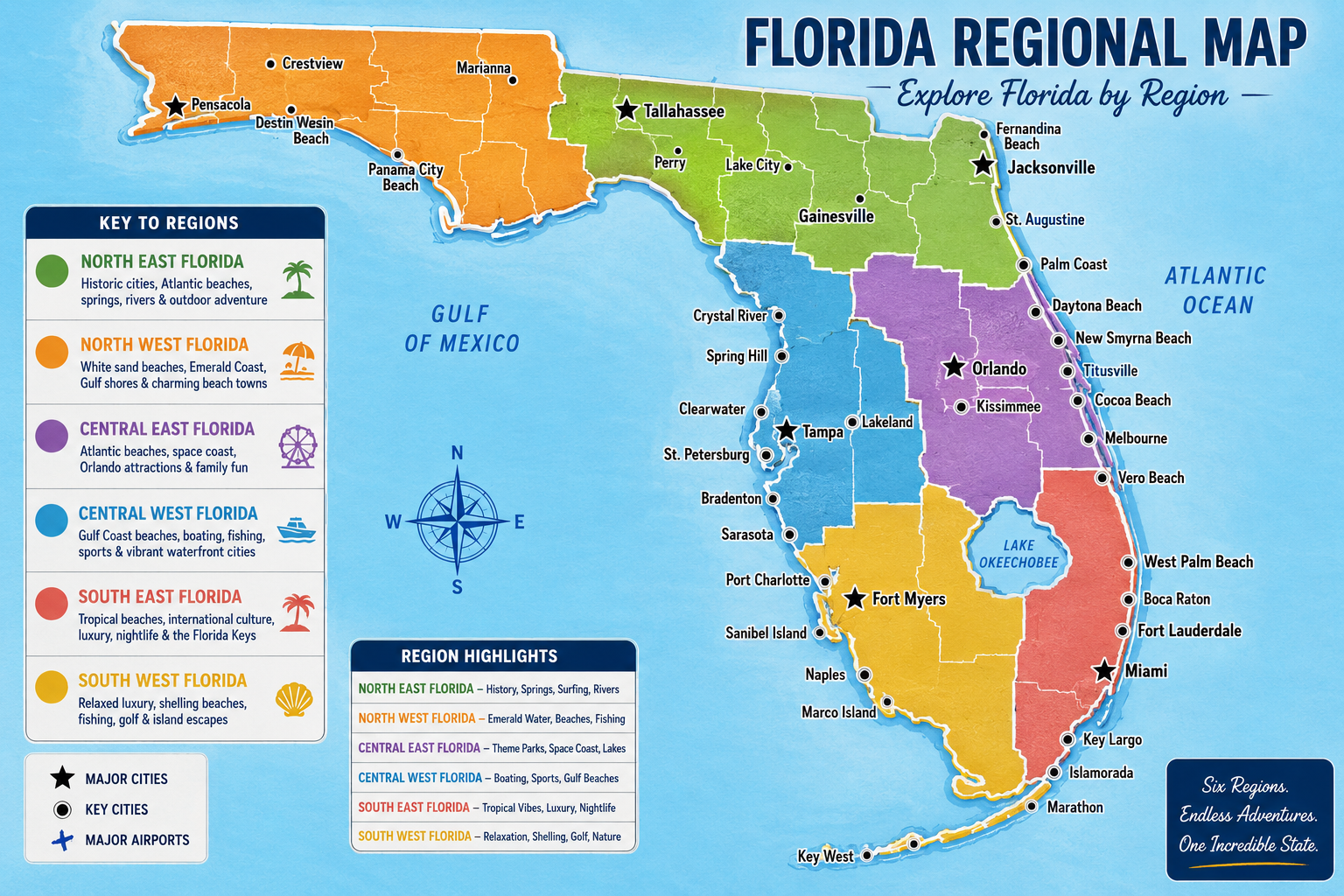
Instead of viewing Florida as one destination, this guide divides the state into six travel regions:
North East Florida
North West Florida
Central East Florida
Central West Florida
South East Florida
South West Florida
Each Florida region contains a unique collection of counties, cities, beaches, attractions, weather patterns, outdoor activities, and vacation experiences.
This statewide cornerstone guide also serves as the parent article for every county travel guide published across Florida’s Fun.
Florida by Region: Understanding the Sunshine State
Florida stretches roughly 447 miles north to south and more than 360 miles east to west. Because of its size and geography, weather, scenery, culture, and travel experiences vary dramatically across the state.
North East Florida is one of the most diverse and underrated regions in the Sunshine State. While many travelers immediately think of South Florida or the Gulf Coast, North East Florida offers something entirely different—historic cities, wide Atlantic beaches, freshwater springs, championship golf, world-class fishing, scenic rivers, and authentic Old Florida communities.
This North East Florida Travel Guide explores the counties, major cities, weather, beaches, outdoor activities, and unique character that make this region one of the best places to visit in Florida in 2026.
Located along Florida’s Atlantic Coast and extending inland through rolling countryside and freshwater springs, North East Florida combines coastal beauty with rich history and year-round outdoor recreation.
Counties in North East Florida include:
Nassau County
Duval County
Clay County
St. Johns County
Putnam County
Flagler County
Baker County
Union County
Bradford County
Alachua County
Columbia County
Suwannee County
Hamilton County
Lafayette County
Dixie County
Gilchrist County
This region includes some of Florida’s oldest communities, fastest-growing coastal destinations, and best freshwater ecosystems.
Why Visit North East Florida?
North East Florida appeals to travelers looking for a more relaxed and authentic side of Florida.
Unlike parts of South Florida known for high-rise development and nightlife, North East Florida focuses on natural beauty, coastal towns, history, outdoor recreation, and local culture.
Visitors choose North East Florida for:
Atlantic Ocean beaches
Historic destinations
Fishing and boating
Freshwater springs
Kayaking
Golf vacations
Wildlife viewing
Family attractions
Scenic road trips
Coastal dining
North East Florida also works exceptionally well for travelers combining beach vacations with inland adventures.
North East Florida Weather and Climate
North East Florida experiences a humid subtropical climate with four recognizable seasons.
Summer (June–September)
Average High: 88–93°F
Average Low: 72–76°F
Average Ocean Temperature: 78–84°F
Summer brings warm beach conditions and excellent boating and fishing.
Fall (October–November)
Average High: 74–84°F
Average Low: 58–68°F
Average Ocean Temperature: 72–80°F
Fall is often considered one of the best times to visit North East Florida.
Winter (December–February)
Average High: 63–71°F
Average Low: 45–54°F
Average Ocean Temperature: 60–68°F
Winter provides comfortable temperatures for golf and sightseeing.
Spring (March–May)
Average High: 72–84°F
Average Low: 55–67°F
Average Ocean Temperature: 67–76°F
Spring remains one of the busiest travel seasons.
Hurricane Season
North East Florida hurricane season runs June through November.
Peak season: August–October
Although this region experiences fewer direct hurricane impacts than South Florida, visitors should monitor forecasts during tropical season.
Beaches of North East Florida
North East Florida beaches differ from many Gulf Coast beaches.
Atlantic beaches generally feature:
Wider shorelines
Larger waves
Better surfing
Cooler winter water
More dramatic seasonal variation
Amelia Island
Located in Nassau County, Amelia Island combines luxury resorts with quiet beaches and a charming historic district.
Popular activities:
Shelling
Horseback riding
Golf
Fishing
Sunset cruises
Jacksonville Beach
Jacksonville Beach remains one of the most active beach destinations in North East Florida.
Visitors enjoy:
Surfing
Fishing piers
Restaurants
Nightlife
Waterfront recreation
Ponte Vedra Beach
Known internationally for golf and upscale resorts, Ponte Vedra combines Atlantic beauty with luxury travel.
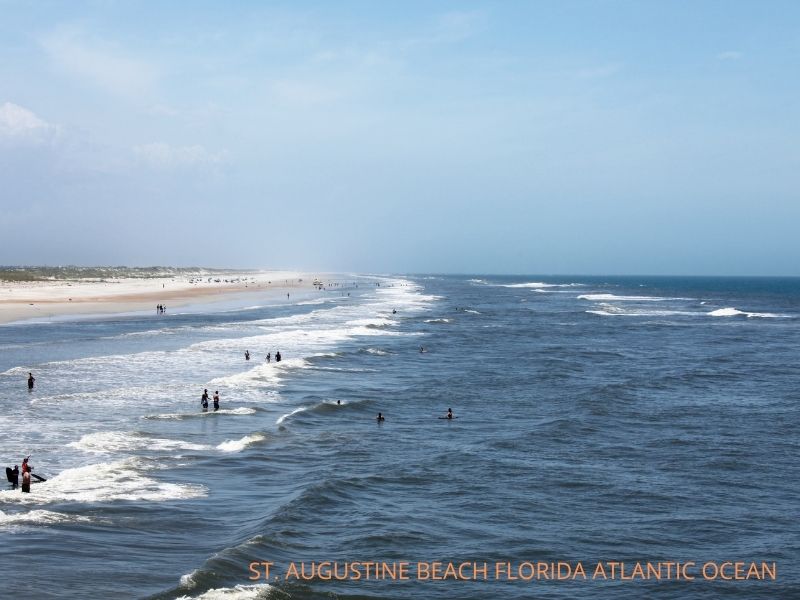
St. Augustine Beach
One of the most scenic beaches in Florida, St. Augustine Beach combines history with coastal recreation.
Flagler Beach
Flagler Beach preserves an Old Florida atmosphere and quieter shoreline experience.
Fishing in North East Florida
Fishing remains one of the strongest reasons travelers visit North East Florida.
Saltwater Fishing
Popular catches:
Redfish
Speckled Trout
Tarpon
Flounder
Cobia
Kingfish
Snapper
Top fishing areas:
St. Johns River
Amelia Island
Jacksonville
St. Augustine
Intracoastal Waterway
Freshwater Fishing
Popular species:
Largemouth Bass
Catfish
Crappie
Bluegill
Freshwater hotspots:
Lake George
Santa Fe River
Suwannee River
St. Johns River
Golf and Outdoor Recreation
North East Florida continues to attract golf travelers.
Top Golf Areas
Ponte Vedra
Jacksonville
Amelia Island
St. Augustine
Visitors can also enjoy:
Kayaking
Paddleboarding
Hiking
River cruises
Wildlife viewing
State parks
Popular kayaking destinations:
Ichetucknee Springs
Silver Springs
Guana Preserve
Matanzas River
Counties of North East Florida
Nassau County
Known for:
Amelia Island
Beaches
Resorts
Fishing
Historic Fernandina Beach
This county delivers one of Florida’s best luxury coastal experiences.
Duval County
Home to Jacksonville.
Highlights:
Urban beaches
Sports
Restaurants
Waterfront development
Fishing
Jacksonville serves as the largest metropolitan center in North East Florida.
Clay County
Clay County offers:
Riverfront living
Parks
Boating
Fishing
A quieter destination close to Jacksonville.
St. Johns County
Known for:
Historic St. Augustine
Luxury resorts
Golf
Beaches
One of Florida’s strongest tourism destinations.
Putnam County
Highlights:
Bass fishing
River recreation
Historic communities
Flagler County
Known for:
Coastal relaxation
Scenic drives
Surfing
Beach parks
Baker County
Known for:
Rural Florida
Outdoor recreation
Forest areas
Union County
A smaller inland county offering quiet countryside and outdoor recreation.
Bradford County
Known for:
Lakes
Small-town charm
Outdoor activities
Alachua County
Home to Gainesville.
Highlights:
University culture
Springs
Museums
Parks
Columbia County
Popular for:
River recreation
Camping
Outdoor exploration
Suwannee County
One of Florida’s best freshwater destinations.
Known for:
Springs
River tubing
Fishing
Hamilton County
Known for:
Agriculture
River systems
Scenic landscapes
Lafayette County
A quiet inland county offering Old Florida character.
How North East Florida Differs From Other Florida Regions
Compared to South Florida:
Less crowded
Cooler winters
More history
Compared to Central Florida:
More beaches
More fishing
Less theme park focus
Compared to Gulf Coast Florida:
Stronger surf
Larger Atlantic waves
Historic coastal character
North East Florida combines history, beaches, fishing, outdoor adventure, and authentic Florida culture into one unforgettable destination.
Whether you want Atlantic beaches, freshwater springs, golf, fishing, kayaking, or historic coastal cities, North East Florida remains one of the best Florida travel destinations in 2026 and serves as an essential part of the Ultimate Florida Travel Guide by Region.
North West Florida Travel Guide (2026): Beaches, Counties, Fishing, Gulf Coast Adventures & Best Places to Visit
Discover North West Florida
North West Florida the panhandle is one of the most scenic and distinctive regions in the Sunshine State. Known for its sugar-white sand beaches, emerald Gulf waters, outdoor recreation, fishing, coastal towns, and Southern heritage, North West Florida offers a completely different Florida experience compared with Central Florida and South Florida.
This North West Florida Travel Guide explores the counties, major cities, weather, beaches, fishing destinations, golf experiences, and outdoor adventures that make this region one of the best places to visit in Florida in 2026.
Stretching from the Alabama border eastward through the Florida Panhandle to the state capital region, North West Florida combines spectacular beaches, protected natural areas, historic communities, and authentic Gulf Coast culture.
Counties included in North West Florida:
Escambia County
Santa Rosa County
Okaloosa County
Walton County
Holmes County
Washington County
Bay County
Jackson County
Calhoun County
Gulf County
Franklin County
Liberty County
Gadsden County
Leon County
Wakulla County
Jefferson County
Madison County
Taylor County
North West Florida delivers a slower pace than much of the peninsula while still offering some of the most beautiful beaches and fishing opportunities anywhere in the state.
Why Visit North West Florida?
The Pensacola Beach ball
North West Florida attracts travelers looking for natural beauty, warm Gulf waters, outdoor recreation, and smaller coastal communities.
Visitors choose North West Florida for:
Emerald Coast beaches
Gulf of America beaches
Fishing charters
Golf resorts
Coastal highways
State parks
Scenic beach towns
Family vacations
Boating
Seafood dining
Waterfront resorts
North West Florida is also known for offering some of Florida’s clearest water and widest beaches.
North West Florida Weather and Climate
North West Florida experiences four distinct seasons while maintaining warm conditions for much of the year.
Summer (June–September)
Average High: 88–92°F
Average Low: 72–77°F
Average Gulf Water Temperature: 81–86°F
Summer is peak beach and boating season throughout North West Florida.
Fall (October–November)
Average High: 74–84°F
Average Low: 56–67°F
Average Water Temperature: 73–80°F
Fall often brings some of the best fishing conditions of the year.
Winter (December–February)
Average High: 60–69°F
Average Low: 42–52°F
Average Water Temperature: 58–66°F
Winter temperatures remain cooler than Central and South Florida.
Spring (March–May)
Average High: 70–84°F
Average Low: 52–66°F
Average Water Temperature: 65–75°F
Spring remains one of the best seasons to visit North West Florida.
Hurricane Season
Hurricane season runs from June through November.
Peak activity: August through October
Because North West Florida faces the Gulf, tropical systems occasionally affect the region, especially along beach communities.
Beaches of North West Florida
North West Florida contains some of the most famous beaches in America.
Unlike Atlantic beaches, North West Florida beaches generally feature:
Calmer water
Smaller surf
White quartz sand
Excellent swimming
Family-friendly conditions
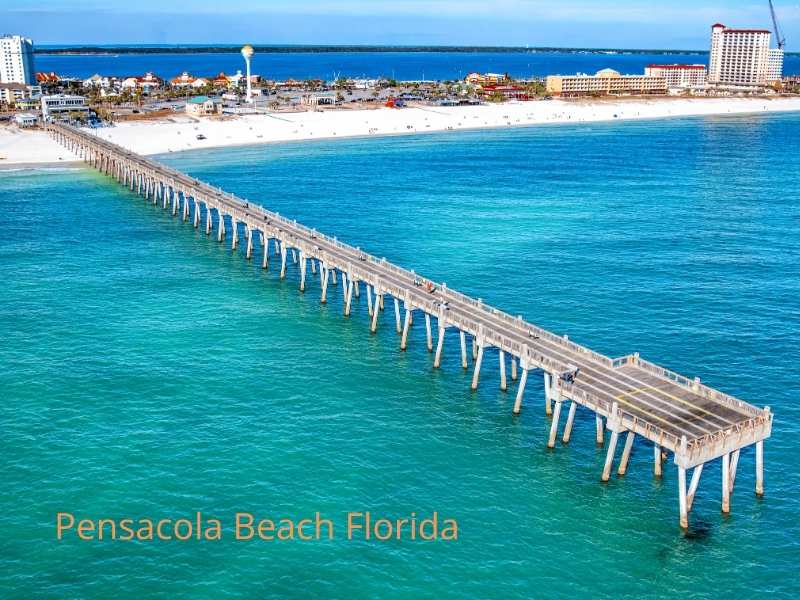
Pensacola Beach
Located in Escambia County.
Known for:
Sugar-white sand
Fishing
Restaurants
Gulf views
Water sports
Pensacola Beach remains one of the most iconic North West Florida destinations.
Navarre Beach
Located in Santa Rosa County.
Popular for:
Quiet atmosphere
Fishing pier
Snorkeling
Family vacations
Destin
Located in Okaloosa County.
Destin is known as: “The World’s Luckiest Fishing Village.”
Popular for:
Deep-sea fishing
Luxury resorts
Golf
Beaches
Scenic Highway 30A
Located in Walton County.
Includes communities such as:
Seaside
Rosemary Beach
Grayton Beach
Known for:
Coastal architecture
Luxury travel
Scenic cycling
Panama City Beach
Located in Bay County.
Popular for:
Family travel
Nightlife
Fishing
Water activities
Fishing in North West Florida
Fishing is one of the biggest reasons visitors travel to North West Florida.
Saltwater Fishing
Popular species:
Red Snapper
Grouper
Amberjack
Cobia
Spanish Mackerel
King Mackerel
Redfish
Speckled Trout
Top fishing areas:
Pensacola
Destin
Panama City
Port St. Joe
Apalachicola
Offshore fishing remains especially popular in summer.
Freshwater Fishing
Popular species:
Bass
Crappie
Catfish
Bluegill
Freshwater areas include:
Lake Talquin
Chipola River
Apalachicola River
Golf and Outdoor Recreation
North West Florida offers outstanding golf opportunities.
Top golf areas:
Destin
Sandestin
Panama City Beach
Pensacola
Visitors also enjoy:
Hiking
Wildlife viewing
Paddleboarding
Kayaking
Dolphin cruises
Shelling
Popular natural areas include:
St. Andrews State Park
Grayton Beach State Park
Wakulla Springs
Gulf Islands National Seashore
Counties of North West Florida
Escambia County
Home to Pensacola.
Known for:
Historic downtown
Beaches
Naval aviation history
Fishing
Santa Rosa County
Known for:
Navarre Beach
Boating
Outdoor recreation
Okaloosa County
Home to Destin and Fort Walton Beach.
Known for:
Fishing
Resorts
Beaches
Walton County
Known for:
Scenic Highway 30A
Luxury beach communities
Holmes County
Known for:
Rural Florida
Agriculture
Washington County
Known for:
Natural areas
Outdoor recreation
Bay County
Home to Panama City Beach.
Known for:
Beaches
Tourism
Fishing
Jackson County
Known for:
Caverns
Rivers
Outdoor recreation
Calhoun County
Known for:
Forests
River access
Gulf County
Known for:
Port St. Joe
Fishing
Quiet beaches
Franklin County
Home to Apalachicola.
Known for:
Oysters
Seafood
Historic character
Liberty County
Known for:
Forests
Wildlife
Gadsden County
Known for:
Historic communities
Rolling landscapes
Leon County
Home to Tallahassee.
Known for:
Government
Universities
Museums
Wakulla County
Known for:
Springs
Wildlife
Kayaking
Jefferson County
Known for:
Historic Florida character
Madison County
Known for:
Agriculture
Small towns
Taylor County
Known for:
Fishing
Coastal recreation
Major Cities of North West Florida
Pensacola
Historic coastal city with beaches and military heritage.
Destin
Luxury beach and fishing destination.
Panama City Beach
One of Florida’s top beach vacation locations.
Tallahassee
Florida’s capital city with history and culture.
Apalachicola
Historic waterfront destination.
How North West Florida Differs From Other Florida Regions
Compared with Atlantic Florida:
Calmer Gulf waters
Better family beach conditions
Less surf
Compared with Central Florida:
More beaches
More fishing
Less theme park focus
Compared with South Florida:
Cooler winters
More natural coastline
More Old Florida character
North West Florida combines Gulf Coast beauty, white sand beaches, outdoor recreation, fishing, golf, and authentic coastal communities into one unforgettable region.
Whether you are planning a Florida beach vacation, a Gulf Coast fishing trip, a golf getaway, or a scenic road trip, North West Florida remains one of the best regions to explore in the Ultimate Florida Travel Guide by Region.
Discover Central East Florida
Central East Florida is one of the most dynamic and recognizable travel regions in the Sunshine State. While some visitors immediately think of theme parks and Orlando, Central East Florida offers far more than attractions and entertainment. This region combines Atlantic beaches, freshwater lakes, space exploration, world-famous tourism, golf, fishing, natural springs, and year-round outdoor adventures.
This Central East Florida Travel Guide explores the counties, cities, beaches, weather, outdoor activities, attractions, and unique experiences that make this region one of the best places to visit in Florida in 2026.
Central East Florida stretches from inland Central Florida east to the Atlantic Ocean and includes some of the state’s fastest-growing communities and most visited destinations.
Central East Florida delivers a unique combination of family entertainment, beach vacations, freshwater recreation, and space-age innovation.
Why Visit Central East Florida?
Central East Florida offers more variety than almost any other Florida region.
Visitors choose Central East Florida for:
Atlantic beaches
Theme parks
Space Coast attractions
Freshwater fishing
Golf vacations
Nature preserves
Family entertainment
Wildlife experiences
Springs and lakes
Outdoor recreation
Road trips
Unlike Gulf Coast Florida, Central East Florida combines large inland destinations with direct Atlantic access.
Central East Florida Weather and Climate
Central East Florida experiences warm temperatures year-round.
Summer (June–September)
Average High: 89–94°F
Average Low: 73–77°F
Atlantic Water Temperature: 79–84°F
Summer is ideal for beaches, water parks, boating, and outdoor recreation.
Fall (October–November)
Average High: 78–86°F
Average Low: 62–71°F
Atlantic Water Temperature: 75–81°F
Fall remains one of the most popular seasons to visit Central East Florida.
Winter (December–February)
Average High: 69–77°F
Average Low: 50–59°F
Atlantic Water Temperature: 66–72°F
Winter attracts visitors seeking warm weather.
Spring (March–May)
Average High: 76–88°F
Average Low: 58–69°F
Atlantic Water Temperature: 69–78°F
Spring is excellent for golf and beach vacations.
Hurricane Season
Hurricane season: June through November
Peak: August–October
Because Central East Florida borders the Atlantic Ocean, visitors should monitor tropical weather forecasts during late summer and early fall.
Beaches of Central East Florida
Central East Florida beaches offer a different experience than the Gulf Coast.
Atlantic beaches generally feature:
Larger waves
Surf culture
Sunrise views
Beach driving areas
Fishing opportunities
Daytona Beach
Located in Volusia County.
Known for:
Beach driving
Motorsports
Surfing
Family vacations
Daytona Beach remains one of Florida’s most recognizable coastal destinations.
New Smyrna Beach
Known for:
Surfing
Restaurants
Historic downtown
Beach atmosphere
New Smyrna Beach attracts visitors year-round.
Cocoa Beach
Located in Brevard County.
Known for:
Surfing
Space Coast access
Fishing
Family travel
Sebastian Inlet
Located near Indian River County.
Popular for:
Surfing
Fishing
Wildlife viewing
Fishing in Central East Florida
Fishing remains one of the strongest attractions throughout Central East Florida.
Saltwater Fishing
Popular species:
Redfish
Snook
Tarpon
Snapper
Cobia
Kingfish
Trout
Top saltwater locations:
Mosquito Lagoon
Indian River Lagoon
Cocoa Beach
Sebastian Inlet
Freshwater Fishing
Central East Florida contains some of Florida’s most productive freshwater fisheries.
Popular species:
Largemouth Bass
Crappie
Bluegill
Catfish
Top freshwater locations:
Lake Tohopekaliga
Lake Okeechobee edge waters
Lake County lakes
Harris Chain
Golf and Outdoor Recreation
Central East Florida remains one of Florida’s strongest golf destinations.
Popular golf areas:
Orlando
Lake County
Daytona Beach
Space Coast
Visitors also enjoy:
Kayaking
Paddleboarding
Eco tours
Wildlife refuges
Hiking
Springs
Popular outdoor destinations:
Blue Spring State Park
Wekiwa Springs
Merritt Island
Ocala National Forest
Space Coast and Attractions
One of the biggest advantages of Central East Florida is the variety of experiences available.
Popular attractions include:
Rocket launches
Space exploration
Theme parks
Wildlife preserves
Airboat rides
The Space Coast remains one of Florida’s most unique tourism experiences.
Counties of Central East Florida
Volusia County
Known for:
Daytona Beach
Motorsports
Surfing
Beaches
Seminole County
Known for:
Parks
Family communities
Outdoor recreation
Orange County
Home to Orlando.
Known for:
Attractions
Entertainment
Tourism
Lake County
Known for:
Lakes
Golf
Rolling landscapes
Sumter County
Known for:
Recreation
Residential growth
Marion County
Known for:
Horse country
Springs
Outdoor recreation
Brevard County
Known for:
Space Coast
Beaches
Rocket launches
Osceola County
Known for:
Family attractions
Lakes
Outdoor activities
Indian River County
Known for:
Beaches
Nature preserves
Fishing
Okeechobee County
Known for:
Freshwater fishing
Ranchland
Outdoor adventure
Major Cities of Central East Florida
Orlando
The tourism and entertainment center of Florida.
Known for:
Attractions
Dining
Shopping
Daytona Beach
Known for:
Beaches
Racing
Surfing
Cocoa Beach
Known for:
Surfing
Space Coast access
Melbourne
Known for:
Technology
Coastal recreation
Kissimmee
Known for:
Family travel
Attractions
How Central East Florida Differs From Other Florida Regions
Compared with Gulf Coast Florida:
Larger surf
Atlantic beaches
More theme park influence
Compared with North Florida:
Warmer winters
More tourism infrastructure
Compared with South Florida:
More family-focused
Less urban intensity
Central East Florida combines beaches, attractions, freshwater recreation, golf, fishing, and outdoor adventure into one of Florida’s most versatile regions.
Whether you are planning a Florida family vacation, beach getaway, golf trip, fishing adventure, or road trip, Central East Florida remains one of the best destinations to explore in the Ultimate Florida Travel Guide by Region.
Discover Central West Florida
Central West Florida is one of the most desirable travel regions in the Sunshine State and one of the areas that many travelers picture when imagining a classic Florida vacation. Known for calm Gulf waters, award-winning beaches, boating, fishing, golf, spring training baseball, waterfront dining, and vibrant coastal communities, Central West Florida combines relaxation with endless outdoor adventure.
This Central West Florida Travel Guide explores the counties, beaches, cities, weather, attractions, fishing opportunities, golf destinations, and coastal experiences that make this region one of the best places to visit in Florida in 2026.
Stretching along Florida’s Gulf Coast from Citrus County south through Charlotte County and extending inland through scenic communities and freshwater recreation areas, Central West Florida offers tremendous variety for families, couples, retirees, anglers, golfers, and beach lovers.
Counties included in Central West Florida:
Citrus County
Hernando County
Pasco County
Pinellas County
Hillsborough County
Polk County
Manatee County
Sarasota County
Hardee County
Highlands County
DeSoto County
Charlotte County
Central West Florida is one of the most balanced travel regions in Florida because it offers beaches, cities, sports, nature, and year-round outdoor recreation.
Why Visit Central West Florida?
Central West Florida attracts millions of visitors every year because of its combination of Gulf Coast scenery and inland adventure.
Visitors choose Central West Florida for:
Gulf Coast beaches
Fishing and boating
Waterfront restaurants
Golf vacations
Family attractions
Spring training baseball
Shopping and entertainment
Kayaking
Wildlife preserves
Island escapes
Historic downtowns
Central West Florida also offers a more relaxed beach experience than much of Atlantic Florida while still delivering large-city attractions.
Central West Florida Weather and Climate
The Lifeguard Station on Siesta Key
Central West Florida experiences warm weather throughout the year and generally slightly warmer Gulf water compared with Florida’s Atlantic Coast.
Summer (June–September)
Average High: 89–93°F
Average Low: 74–78°F
Average Gulf Water Temperature: 82–87°F
Summer remains peak beach, fishing, and boating season.
Fall (October–November)
Average High: 79–86°F
Average Low: 62–71°F
Average Water Temperature: 76–82°F
Fall offers excellent weather and reduced crowds.
Winter (December–February)
Average High: 69–76°F
Average Low: 50–60°F
Average Water Temperature: 64–71°F
Winter remains one of the busiest travel seasons.
Spring (March–May)
Average High: 77–88°F
Average Low: 58–70°F
Average Water Temperature: 72–80°F
Spring delivers ideal conditions for beaches and golf.
Hurricane Season
Central West Florida hurricane season runs from June through November.
Peak: August through October
Visitors should monitor forecasts during late summer and early fall.
Beaches of Central West Florida
One of the biggest reasons travelers visit Central West Florida is the coastline.
Compared with Atlantic beaches, Central West Florida beaches typically feature:
Tarpon season draws anglers from around the world.
Freshwater Fishing
Popular freshwater catches:
Bass
Crappie
Bluegill
Catfish
Top locations:
Lake Kissimmee region
Polk County lakes
Highlands County
Golf in Central West Florida
Central West Florida remains one of Florida’s strongest golf destinations.
Popular golf areas:
Sarasota
Lakewood Ranch
Tampa
Palm Harbor
Naples connections south
Travelers enjoy:
Resort golf
Public courses
Championship layouts
Golf remains a year-round attraction.
Boating, Kayaking and Outdoor Recreation
Outdoor recreation is central to the Central West Florida experience.
Popular activities:
Kayaking
Paddleboarding
Dolphin cruises
Shelling
Wildlife viewing
Hiking
Top outdoor destinations:
Weeki Wachee
Crystal River
Myakka River
Robinson Preserve
Fort De Soto
Manatees become a major attraction during cooler months.
Counties of Central West Florida
Citrus County
Known for:
Crystal River
Manatees
Springs
Fishing
Hernando County
Known for:
Nature
Outdoor recreation
Springs
Pasco County
Known for:
Gulf access
Waterfront communities
Growing attractions
Pinellas County
Known for:
Beaches
Clearwater
St. Petersburg
Waterfront culture
Hillsborough County
Home to Tampa.
Known for:
Sports
Entertainment
Urban attractions
Polk County
Known for:
Lakes
Inland recreation
Family attractions
Manatee County
Known for:
Anna Maria Island
Bradenton
Beaches
Fishing
Sarasota County
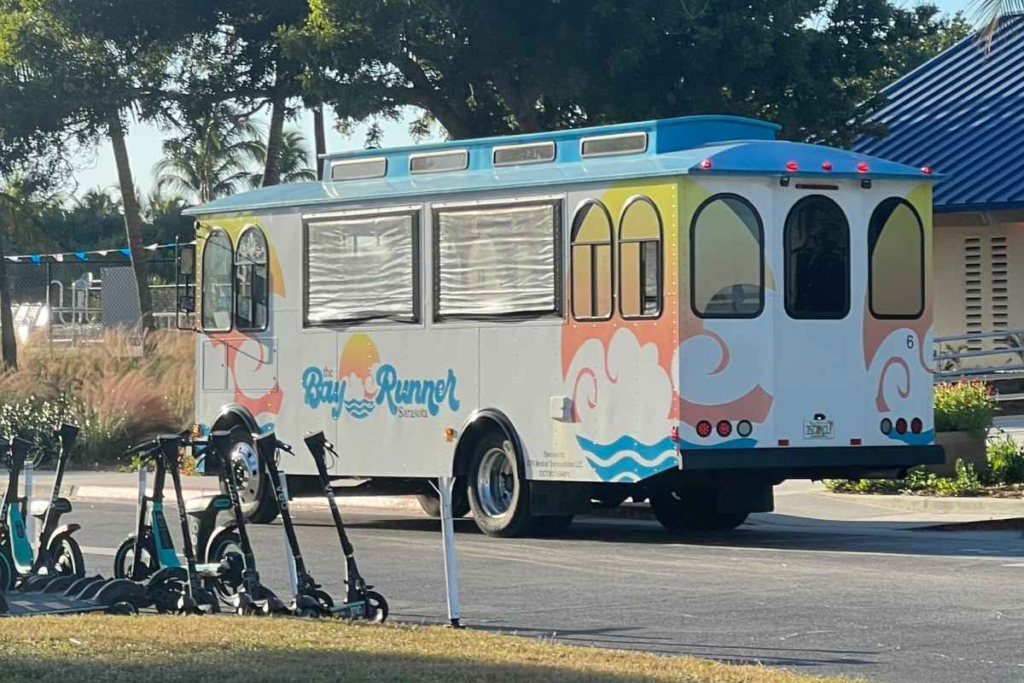
The Trolley at Lido Beach Florida
Known for:
Siesta Key
Arts
Dining
Luxury coastal living
Hardee County
Known for:
Rural landscapes
Agriculture
Highlands County
Known for:
Lakes
Nature
Outdoor recreation
DeSoto County
Known for:
River recreation
Ranchland
Charlotte County
Known for:
Punta Gorda
Boating
Fishing
Major Cities of Central West Florida
Tampa
Major destination for:
Sports
Attractions
Dining
St. Petersburg
Known for:
Waterfront
Museums
Beaches
Sarasota
Known for:
Beaches
Arts
Dining
Bradenton
Known for:
Waterfront lifestyle
Fishing
Anna Maria Island access
Punta Gorda
Known for:
Boating
Fishing
Historic charm
How Central West Florida Differs From Other Florida Regions
Compared with Atlantic Florida:
Calmer beaches
Better sunsets
More boating
Compared with North Florida:
Warmer winters
Larger tourism economy
Compared with South Florida:
More relaxed pace
Less urban density
Central West Florida combines beaches, fishing, golf, boating, sports, island life, and Gulf Coast scenery into one of Florida’s most complete vacation destinations.
Whether you are planning a beach vacation, fishing trip, golf getaway, family adventure, or coastal road trip, Central West Florida remains one of the best regions to explore in the Ultimate Florida Travel Guide by Region.
South East Florida Travel Guide (2026): Beaches, Counties, Florida Keys, Fishing & Best Places to Visit
Discover South East Florida
South East Florida is one of the most recognizable and exciting travel regions in America. Known for tropical beaches, luxury resorts, nightlife, international culture, offshore fishing, world-famous coastal cities, and the Florida Keys, South East Florida delivers a completely different experience than any other Florida region.
This South East Florida Travel Guide explores the counties, cities, beaches, weather, attractions, fishing opportunities, golf destinations, and outdoor adventures that make this region one of the best places to visit in Florida in 2026.
Stretching along Florida’s Atlantic coastline and extending south into the island chain of the Florida Keys, South East Florida combines major metropolitan areas with tropical island experiences and coastal recreation.
Counties included in South East Florida:
Martin County
St. Lucie County
Palm Beach County
Broward County
Miami-Dade County
Monroe County
South East Florida remains one of the most diverse tourism regions in the country and attracts visitors from around the world.
Why Visit South East Florida?
South East Florida offers a combination of beach vacations, urban experiences, tropical scenery, and outdoor adventure.
Visitors choose South East Florida for:
Atlantic beaches
Florida Keys road trips
Luxury resorts
Fishing charters
Golf vacations
International dining
Shopping
Waterfront recreation
Island experiences
Nightlife
Cultural attractions
South East Florida delivers a tropical atmosphere unlike most of the continental United States.
South East Florida Weather and Climate
South East Florida experiences one of the warmest climates in North America.
Summer (June–September)
Average High: 88–92°F
Average Low: 76–81°F
Average Ocean Temperature: 82–86°F
Summer brings beach weather and warm tropical water.
Fall (October–November)
Average High: 81–87°F
Average Low: 70–77°F
Average Water Temperature: 80–84°F
Fall remains excellent for boating and fishing.
Winter (December–February)
Average High: 74–80°F
Average Low: 60–70°F
Average Water Temperature: 73–78°F
Winter remains one of the busiest tourism seasons.
Spring (March–May)
Average High: 79–88°F
Average Low: 66–75°F
Average Water Temperature: 75–82°F
Spring provides ideal conditions for beaches and outdoor activities.
Hurricane Season
South East Florida hurricane season runs:
June through November
Peak: August–October
Travelers visiting during this season should monitor tropical forecasts.
Beaches of South East Florida
South East Florida beaches offer a different experience than Gulf Coast beaches.
Visitors can expect:
Larger Atlantic waves
More beach activity
Tropical scenery
Urban coastal environments
Luxury beachfront areas
Jupiter Beach
Located in Palm Beach County.
Known for:
Natural beauty
Surfing
Scenic coastline
Delray Beach
Known for:
Restaurants
Shopping
Walkable downtown
Fort Lauderdale Beach
Known for:
Waterfront resorts
Entertainment
Beach culture
Miami Beach
One of the most famous beaches in the world.
Known for:
Architecture
Nightlife
International tourism
Key West Beaches
Known for:
Tropical scenery
Water sports
Relaxed atmosphere
Fishing in South East Florida
Fishing remains one of the strongest attractions in South East Florida.
Offshore Fishing
Popular catches:
Sailfish
Mahi-Mahi
Tuna
Wahoo
Snapper
Grouper
Kingfish
Top destinations:
Palm Beach
Fort Lauderdale
Miami
Islamorada
Key West
South East Florida is internationally known for offshore sport fishing.
Inshore Fishing
Popular species:
Tarpon
Snook
Redfish
Trout
Top areas:
Biscayne Bay
Florida Bay
Intracoastal Waterway
Golf and Outdoor Recreation
South East Florida remains one of America’s premier golf destinations.
Popular golf areas:
Palm Beach
Jupiter
Miami
Broward County
Visitors also enjoy:
Kayaking
Paddleboarding
Snorkeling
Diving
Wildlife tours
Eco adventures
Popular outdoor areas:
Everglades
Biscayne Bay
John Pennekamp
Loxahatchee
The Florida Keys Experience
The Florida Keys remain one of the most unique destinations in South East Florida.
Visitors travel the Overseas Highway to experience:
Tropical scenery
Island culture
Fishing
Boating
Snorkeling
Sunset celebrations
Popular Keys:
Key Largo
Islamorada
Marathon
Key West
The Florida Keys offer one of the most iconic road trips in America.
Counties of South East Florida
Martin County
Known for:
Beaches
Fishing
Waterfront lifestyle
St. Lucie County
Known for:
Recreation
Beaches
Family activities
Palm Beach County
Known for:
Luxury resorts
Golf
Shopping
Beaches
Broward County
Known for:
Fort Lauderdale
Boating
Waterfront living
Miami-Dade County
Known for:
Miami
Culture
Dining
International travel
Monroe County
Known for:
Florida Keys
Fishing
Tropical scenery
Major Cities of South East Florida
West Palm Beach
Known for:
Shopping
Golf
Beaches
Fort Lauderdale
Known for:
Canals
Resorts
Boating
Miami
Known for:
International culture
Entertainment
Nightlife
Key West
Known for:
Tropical atmosphere
Sunset celebrations
Island life
How South East Florida Differs From Other Florida Regions
Compared with Gulf Coast Florida:
More tropical
More nightlife
Larger Atlantic surf
Compared with North Florida:
Warmer winters
More international influence
Compared with Central Florida:
More beach-focused
Less theme park concentration
South East Florida combines tropical scenery, world-famous beaches, fishing, luxury travel, golf, island experiences, and international culture into one unforgettable destination.
Whether you are planning a Florida beach vacation, fishing adventure, luxury getaway, golf trip, Florida Keys road trip, or tropical escape, South East Florida remains one of the best regions to explore in the Ultimate Florida Travel Guide by Region.
South West Florida Travel Guide (2026): Beaches, Counties, Fishing, Resorts & Best Places to Visit
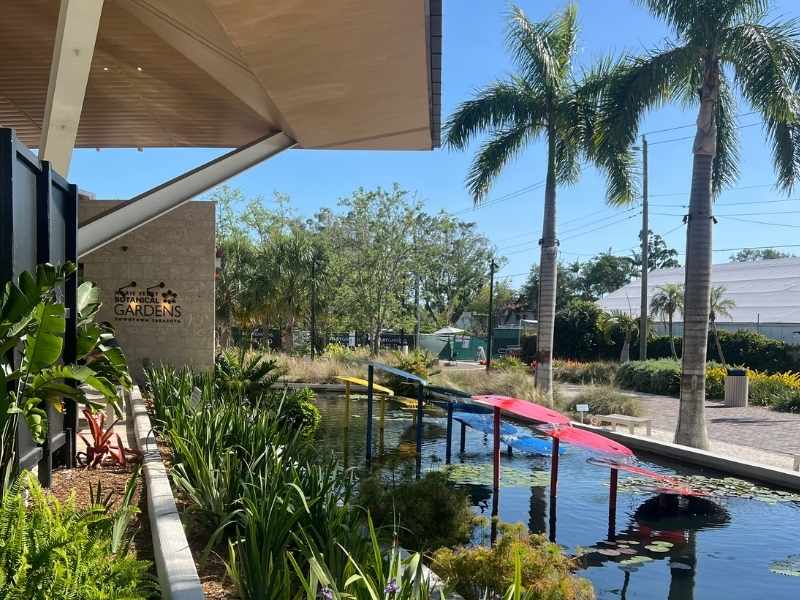
The Koi Pond at Marie Selby Gardens
Discover South West Florida
South West Florida is one of the most beautiful and relaxing travel regions in the Sunshine State. Known for warm Gulf waters, tropical scenery, shell-covered beaches, fishing, golf, luxury resorts, boating, wildlife, and laid-back coastal communities, South West Florida delivers the classic Florida vacation many travelers imagine.
This South West Florida Travel Guide explores the counties, beaches, weather, fishing opportunities, golf destinations, outdoor recreation, and major cities that make this region one of the best places to visit in Florida in 2026.
Located along the lower Gulf Coast of Florida, South West Florida stretches from Charlotte Harbor south through Naples and extends inland through ranchland, river systems, and freshwater recreation areas.
Counties included in South West Florida:
Lee County
Collier County
Hendry County
Glades County
South West Florida is smaller in population than some Florida regions but offers some of the state’s most recognizable beach destinations and outdoor experiences.
Why Visit South West Florida?
South West Florida attracts visitors looking for beaches, warm weather, outdoor recreation, and upscale coastal experiences.
Visitors choose South West Florida for:
Gulf Coast beaches
Luxury resorts
Shelling
Fishing
Golf vacations
Boating
Waterfront dining
Nature preserves
Island experiences
Sunset views
Wildlife encounters
South West Florida remains one of the strongest regions for couples, retirees, family vacations, and winter escapes.
South West Florida Weather and Climate
South West Florida experiences some of Florida’s warmest year-round temperatures.
Summer (June–September)
Average High: 89–92°F
Average Low: 74–79°F
Average Gulf Water Temperature: 84–88°F
Summer is ideal for beaches and boating.
Fall (October–November)
Average High: 80–87°F
Average Low: 66–74°F
Average Water Temperature: 80–84°F
Fall offers excellent conditions for fishing and beach vacations.
Winter (December–February)
Average High: 74–81°F
Average Low: 55–66°F
Average Water Temperature: 72–77°F
Winter remains one of the busiest tourism seasons.
Spring (March–May)
Average High: 80–89°F
Average Low: 61–72°F
Average Water Temperature: 75–83°F
Spring provides excellent weather for outdoor recreation.
Hurricane Season
South West Florida hurricane season runs:
June through November
Peak: August–October
Travelers visiting during tropical season should monitor weather conditions.
Beaches of South West Florida
South West Florida is internationally known for Gulf Coast beaches.
Compared with Atlantic beaches, South West Florida beaches generally provide:
Calmer water
Warmer temperatures
Better shelling
Exceptional sunsets
Family-friendly swimming
Fort Myers Beach
Located in Lee County.
Known for:
Family vacations
Restaurants
Fishing
Waterfront atmosphere
Sanibel Island
Known for:
Shelling
Wildlife
Coastal scenery
Sanibel remains one of the most recognizable island destinations in Florida.
Captiva Island
Known for:
Resorts
Relaxation
Beaches
Naples Beach
Located in Collier County.
Known for:
Luxury travel
Golf
Shopping
Waterfront experiences
Marco Island
Known for:
Resorts
Tropical scenery
Boating
Fishing in South West Florida
Fishing remains one of the strongest attractions throughout South West Florida.
Saltwater Fishing
Popular catches:
Snook
Tarpon
Redfish
Trout
Grouper
Snapper
Permit
Top fishing destinations:
Naples
Sanibel
Captiva
Boca Grande access
Marco Island
South West Florida remains one of the world’s best destinations for tarpon fishing.
Freshwater Fishing
Popular catches:
Largemouth Bass
Crappie
Catfish
Top locations:
Lake Okeechobee edge areas
Glades waterways
Inland lakes
Golf in South West Florida
South West Florida is one of America’s top golf destinations.
Popular golf areas:
Naples
Bonita Springs
Estero
Fort Myers
Travelers enjoy:
Resort golf
Luxury communities
Championship courses
Golf tourism remains active year-round.
Boating, Kayaking and Outdoor Recreation
Outdoor recreation defines much of the South West Florida experience.
Popular activities:
Boating
Kayaking
Paddleboarding
Eco tours
Shelling
Wildlife photography
Top outdoor destinations:
Everglades access areas
Corkscrew Swamp
Estero Bay
Ten Thousand Islands
J.N. Ding Darling Refuge
Wildlife frequently includes:
Dolphins
Manatees
Birds
Sea turtles
Counties of South West Florida
Lee County
Home to:
Fort Myers
Fort Myers Beach
Sanibel Island
Captiva
Known for:
Beaches
Fishing
Boating
Lee County remains one of Florida’s most visited Gulf Coast destinations.
Collier County
Home to Naples and Marco Island.
Known for:
Luxury resorts
Golf
Beaches
Shopping
Collier County remains one of Florida’s most upscale coastal destinations.
Hendry County
Known for:
Agriculture
Inland recreation
Rural Florida
This county offers a different perspective from coastal South West Florida.
Glades County
Known for:
Outdoor recreation
Lake access
Fishing
Glades County provides freshwater adventure opportunities.
Major Cities of South West Florida
Naples
Known for:
Luxury travel
Golf
Beaches
Shopping
Fort Myers
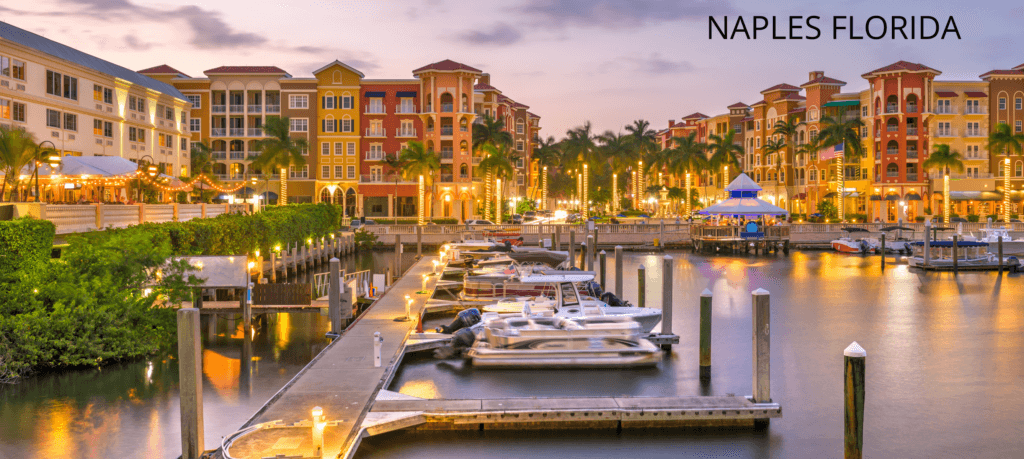
Skyline of Naples Florida
Known for:
Waterfront living
Fishing
Attractions
Bonita Springs
Known for:
Beaches
Golf
Relaxation
Marco Island
Known for:
Resorts
Boating
Tropical scenery
Cape Coral
Known for:
Waterfront canals
Boating
Fishing
How South West Florida Differs From Other Florida Regions
Compared with Atlantic Florida:
Calmer Gulf water
Better shelling
More boating
Compared with North Florida:
Warmer winters
More tropical scenery
Compared with Central Florida:
More beaches
Less attraction-focused
Compared with South East Florida:
More relaxed atmosphere
Less urban development
Stronger Old Florida character
South West Florida combines beaches, fishing, luxury travel, golf, shelling, boating, and tropical scenery into one of the most desirable destinations in the Sunshine State.
Whether you are planning a Florida beach vacation, fishing adventure, luxury escape, golf trip, or Gulf Coast road trip, South West Florida remains one of the best regions to explore in the Ultimate Florida Travel Guide by Region and one of Florida’s most unforgettable coastal destinations.
Frequently Asked Questions About Florida Regions (2026)
What Is the Best Region of Florida to Visit?
The best region of Florida depends on the type of vacation you want.
If you want world-famous beaches and luxury travel, South East Florida and South West Florida remain excellent choices.
If you want calmer Gulf Coast beaches, boating, fishing, and family vacations, Central West Florida is often one of the best regions of Florida to visit.
Travelers interested in history, surfing, and coastal culture often choose North East Florida, while travelers looking for white sand beaches and outdoor recreation frequently select North West Florida.
Families planning theme park vacations often choose Central East Florida because of its combination of attractions and Atlantic beach access.
The best Florida region ultimately depends on whether you prioritize beaches, fishing, golf, nightlife, family attractions, boating, luxury resorts, or outdoor adventure.
Which Florida Region Has the Best Beaches?
Every Florida region offers different beach experiences.
For powder-soft white sand beaches:
Central West Florida
North West Florida
For tropical island beaches:
South West Florida
South East Florida
For surfing and Atlantic waves:
North East Florida
Central East Florida
Top beach destinations include:
Siesta Key
Clearwater Beach
Destin
Naples
Amelia Island
Cocoa Beach
Key West
Fort Lauderdale Beach
Florida’s Gulf Coast generally offers calmer water, while Florida’s Atlantic Coast typically offers larger surf and more seasonal variation.
What Is the Difference Between Florida’s Gulf Coast and Atlantic Coast?
Florida’s Gulf Coast and Atlantic Coast provide very different experiences.
Florida Gulf Coast
Best for:
Calm water
Boating
Family beach vacations
Shelling
Sunset views
Fishing
Average characteristics:
Smaller waves
Warmer winter water
Softer beaches
Regions:
North West Florida
Central West Florida
South West Florida
Florida Atlantic Coast
Best for:
Surfing
Deep-sea fishing
Sunrise beaches
Historic destinations
Coastal cities
Average characteristics:
Larger surf
More ocean activity
Cooler winter temperatures
Regions:
North East Florida
Central East Florida
South East Florida
What Is the Warmest Region of Florida?
South East Florida and South West Florida are generally the warmest regions in Florida.
Average winter highs:
South East Florida: 74–80°F
South West Florida: 74–81°F
Central regions remain warm throughout winter, while North Florida experiences cooler temperatures and occasional cold fronts.
Travelers seeking warm weather from December through March often prefer South Florida destinations.
Which Florida Region Is Best for Fishing?
Florida offers exceptional fishing statewide.
Best Saltwater Fishing Regions
North West Florida:
Snapper
Grouper
Offshore fishing
Central West Florida:
Snook
Tarpon
Redfish
South West Florida:
Tarpon
Backcountry fishing
South East Florida:
Sailfish
Offshore sport fishing
Best Freshwater Fishing Regions
Central East Florida:
Bass
Lake systems
North East Florida:
Rivers
Freshwater springs
Lake and inland areas across Central Florida remain among the strongest freshwater fishing destinations in America.
What Region of Florida Is Best for Families?
Families often choose:
Central East Florida
Best for:
Attractions
Theme parks
Family entertainment
Central West Florida
Best for:
Beaches
Boating
Outdoor recreation
North West Florida
Best for:
Relaxing beach vacations
Family resorts
Each region provides different experiences depending on children’s ages and travel goals.
Which Florida Region Has the Clearest Water?
Florida’s clearest water is often found along the Gulf Coast.
Top destinations include:
Destin
Siesta Key
Anna Maria Island
Naples
Clearwater Beach
Sanibel
Water clarity varies by weather, season, tides, and recent storms.
What Is the Best Time of Year to Visit Florida?
Florida offers travel opportunities year-round.
Spring (March–May)
Best overall season
Ideal for:
Beaches
Golf
Outdoor recreation
Summer (June–August)
Best for:
Family vacations
Water activities
Expect:
Heat
Humidity
Afternoon storms
Fall (September–November)
Best for:
Fishing
Smaller crowds
Monitor:
Hurricane season
Winter (December–February)
Best for:
Snowbirds
Beaches
Warm weather escapes
South Florida generally stays warmest.
Which Florida Region Is Best for Golf?
Top golf regions include:
South West Florida
Luxury golf resorts
Central West Florida
Public and resort golf
South East Florida
Championship golf
Central East Florida
Golf plus attractions
Florida remains one of the world’s premier golf destinations.
What Region of Florida Has the Best Outdoor Adventures?
North East Florida:
Springs
Kayaking
Rivers
North West Florida:
Beaches
State parks
Central East Florida:
Wildlife
Springs
Space Coast
South West Florida:
Everglades
Shelling
Wildlife
Every Florida region offers unique outdoor experiences.
How Should You Plan a Florida Vacation?
The easiest way to plan a Florida vacation is to start by selecting a region.
Ask yourself:
Do you want:
Beaches?
Fishing?
Golf?
Theme parks?
Nightlife?
Family attractions?
Tropical islands?
Road trips?
Then explore county guides to narrow your destination.
This Florida Travel Guide by Region was designed to make planning easier by organizing all 67 Florida counties into six travel regions and connecting every destination into one complete statewide resource.
Explore Florida One Region at a Time
Florida remains one of the most exciting and diverse travel destinations in America because every region offers something different.
From the historic cities and Atlantic beaches of North East Florida to the white sand coast of North West Florida, the attractions of Central East Florida, the Gulf waters of Central West Florida, the tropical lifestyle of South East Florida, and the relaxing resorts of South West Florida, there is truly a Florida destination for every traveler.
Use this Florida Travel Guide by Region as your starting point and continue exploring county-by-county across Florida’s Fun to build your perfect Florida vacation in 2026 and beyond.
Conclusion: Explore Florida One Region at a Time
Florida Is More Than One Destination
After exploring Florida region by region, one thing becomes clear: Florida is not one destination—it is many destinations connected together.
That is what makes Florida one of the most visited and diverse places in America.
From the Atlantic Coast to the Gulf Coast, from white sand beaches to tropical islands, from historic cities to modern attractions, every Florida region delivers a completely different experience. Travelers who understand Florida by region often create better vacations, discover hidden gems, avoid unnecessary driving, and experience parts of the state they never expected to enjoy.
This Florida Travel Guide by Region was created to make planning easier and to help travelers understand how the state fits together.
Instead of looking at Florida as one massive destination, this guide divided all 67 Florida counties into six distinct regions:
North East Florida
North West Florida
Central East Florida
Central West Florida
South East Florida
South West Florida
Each Florida region tells a different story and offers a completely different vacation experience.
North East Florida: History, Springs and Atlantic Adventure
North East Florida remains one of the most underrated regions in the Sunshine State.
Travelers exploring North East Florida discover:
Historic cities
Atlantic beaches
Freshwater springs
Fishing
Golf
Coastal communities
This region combines history and outdoor adventure in a way few other Florida destinations can match.
Visitors can experience:
Historic architecture
Surfing
River recreation
State parks
Scenic coastal drives
For travelers wanting authentic Florida experiences with fewer crowds, North East Florida continues to stand out.
North West Florida: White Sand and Gulf Coast Beauty
North West Florida delivers one of Florida’s most recognizable coastal landscapes.
This region offers:
Emerald water
White sand beaches
Fishing
Gulf Coast culture
Family vacations
Visitors enjoy:
Beach towns
State parks
Scenic highways
Fresh seafood
Outdoor recreation
North West Florida remains ideal for travelers searching for beautiful beaches and a slower pace.
Central East Florida: Attractions and Atlantic Energy
Central East Florida combines some of Florida’s most famous destinations.
This region brings together:
Attractions
Beaches
Golf
Lakes
Space exploration
Family experiences
Visitors can explore:
Coastal communities
Nature preserves
Outdoor recreation
Entertainment districts
Central East Florida remains one of the most versatile travel regions in the state.
Central West Florida: Beaches, Boating and Coastal Living
Central West Florida continues to define the classic Gulf Coast Florida vacation.
Visitors enjoy:
Calm beaches
Fishing
Boating
Island communities
Sports
Waterfront dining
This region balances urban energy with coastal relaxation and remains one of Florida’s strongest destinations for beach vacations.
South East Florida: Tropical Energy and International Culture
South East Florida delivers one of the most recognizable lifestyles in America.
Travelers experience:
Tropical beaches
International culture
Luxury travel
Nightlife
Waterfront experiences
Island adventures
This region combines city energy with tropical beauty.
Visitors looking for excitement and warm weather often make South East Florida their destination.
South West Florida: Relaxed Luxury and Island Escape
South West Florida offers a quieter and more refined coastal experience.
Travelers discover:
Luxury resorts
Shelling
Fishing
Wildlife
Golf
Tropical scenery
This region continues to attract visitors searching for relaxation and outdoor recreation.
South West Florida remains one of Florida’s strongest destinations for winter escapes and beach vacations.
Florida’s Atlantic Coast vs Florida’s Gulf Coast
One of the biggest decisions travelers make when planning a Florida vacation is choosing between Florida’s Atlantic Coast and Florida’s Gulf Coast.
Atlantic Coast Florida
Best for:
Surfing
Sunrise beaches
Fishing
Coastal cities
Historic destinations
Includes:
North East Florida
Central East Florida
South East Florida
Gulf Coast Florida
Best for:
Calm water
Family beaches
Shelling
Boating
Sunset views
Includes:
North West Florida
Central West Florida
South West Florida
Neither side is better.
Each side simply offers different experiences.
Florida’s Counties Tell the Real Story
While Florida regions create structure, the counties create personality.
Every county contributes something unique.
Some counties are known for:
Beaches
Others for:
Fishing
Others for:
Golf
Others for:
Springs
Others for:
Attractions
Others for:
Small-town Florida charm
That is why this statewide Florida travel guide by region connects directly to county travel guides.
Those county guides allow travelers to explore Florida in greater detail and discover experiences that many visitors overlook.
Build Your Florida Vacation One Region at a Time
Planning a Florida vacation becomes easier when approached in layers.
Start with:
Choose a region
Then: 2. Choose counties
Then: 3. Choose cities
Then: 4. Choose activities
Then: 5. Build your trip
This approach reduces planning stress and helps travelers experience more of Florida.
You may discover that your favorite Florida destination is not the place you originally planned to visit.
Why Florida Continues to Be One of America’s Best Destinations
Florida continues to attract millions of visitors because very few places offer such variety.
Within one state travelers can experience:
Beaches
Fishing
Golf
Theme parks
Historic districts
Island escapes
Wildlife
Luxury resorts
Springs
Road trips
Tropical scenery
Coastal culture
Florida offers opportunities for:
Families
Couples
Outdoor enthusiasts
Golf travelers
Anglers
Luxury travelers
Weekend explorers
Few destinations provide so many experiences in one place.
Continue Exploring Florida County by County
This Florida Travel Guide by Region serves as your starting point.
Now the journey continues.
Explore each Florida county guide to discover:
Things to do
Beaches
Fishing
Golf
Restaurants
Resorts
Attractions
Hidden gems
Seasonal travel ideas
Florida rewards travelers who go deeper.
The more counties you explore, the more you realize there is no single Florida experience.
There are dozens.
Whether you choose Atlantic beaches, Gulf Coast sunsets, tropical islands, fishing adventures, golf vacations, family attractions, or coastal road trips, Florida remains one of the most unforgettable destinations in America.
We hope you enjoyed Florida travel guide by region and it helps you choose places to enjoy for your Florida vacation.